
Industry News
Curation by industry experts
Hot Articles
Popular Tags
Where Industry 4.0 Projects Stall Most Often
Industry 4.0 promises agility, visibility, and smarter operations, yet many projects stall long before delivering measurable value. For business decision-makers across industries, the real challenge is rarely technology alone—it is aligning data, equipment, processes, and investment logic. Understanding where Industry 4.0 initiatives most often break down is the first step toward building scalable, resilient transformation strategies.
The current shift: why Industry 4.0 is moving from ambition to scrutiny
Across industries, the conversation around Industry 4.0 has changed. A few years ago, the dominant question was how fast companies could digitize plants, supply chains, and maintenance systems. Today, executive teams are asking a more disciplined question: which Industry 4.0 investments can deliver operational resilience, energy efficiency, and margin improvement under real-world constraints?
This shift matters because many projects do not fail dramatically. They stall quietly. A predictive maintenance pilot stays trapped in one production line. A connected equipment dashboard never becomes part of daily decision-making. A data lake is built, but frontline teams still rely on spreadsheets and manual inspections. In each case, the organization has invested in digital capability, but the business system around it has not matured enough to convert activity into value.
For decision-makers, this is no longer a technology trend story alone. It is a capital allocation, risk management, and competitiveness issue. In sectors where uptime, throughput, component reliability, and energy consumption determine profit, stalled Industry 4.0 programs create both direct waste and strategic delay.
Where Industry 4.0 projects stall most often
The most common bottlenecks appear in a small number of recurring zones. These are not confined to one sector. Whether the business operates in manufacturing, logistics, process industries, utilities, or equipment-intensive operations, the pattern is similar: the gap between digital intent and mechanical, organizational, or commercial reality becomes too wide.
The pattern is especially visible in equipment-heavy environments where transmission systems, motion control assemblies, seals, rotating assets, and maintenance-critical components shape plant reliability. Digital signals can be collected, but if the enterprise does not understand failure modes, lubrication behavior, wear patterns, and real maintenance economics, the data remains interesting rather than actionable.
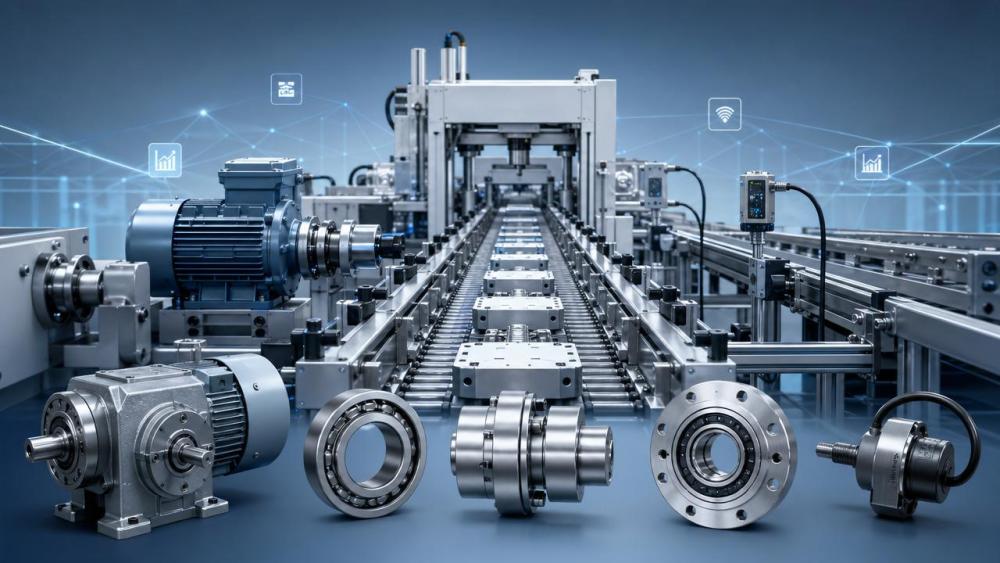
The strongest trend signal: companies are discovering that data quality is more strategic than dashboard quantity
One of the clearest market changes is that executives are becoming less impressed by visualization and more focused on decision-grade data. Early Industry 4.0 programs often celebrated connectivity milestones: sensor deployment, cloud migration, remote monitoring, or digital twin experimentation. Those steps still matter, but the market has learned that connectivity without data discipline produces shallow visibility.
This is where many projects stall. Asset naming conventions differ by site. Maintenance records are incomplete. Energy data is available at plant level but not by process or machine group. Quality events are logged in separate systems. Spare parts consumption is poorly linked to actual equipment condition. As a result, analytics models cannot reliably answer the questions executives actually care about: Which line should be upgraded first? Which component family drives downtime? Where is energy waste linked to mechanical inefficiency? Which maintenance strategy reduces total lifecycle cost?
For companies dealing with belts, bearings, couplings, reducers, seals, or other critical power transmission and mechanical components, this challenge becomes even more pronounced. The value of Industry 4.0 rises sharply when data is connected to the physical logic of motion, friction, load, heat, alignment, and wear. Without that linkage, digital transformation remains detached from machine reality.
Why the slowdown is increasing now, not decreasing
The expectation might be that Industry 4.0 should be easier today because tools are more mature. In one sense that is true. Platforms are more accessible, industrial IoT solutions are more standardized, and AI-based analytics are more available. Yet stalling remains common because the external environment has become tougher and the internal performance bar has risen.
Several forces are driving this:
- Higher pressure for short-payback investment due to economic uncertainty and tighter capital discipline.
- Growing complexity from multi-site operations, mixed-vintage assets, and supply chain volatility.
- Rising energy and sustainability expectations, which require deeper operational insight rather than surface-level digitization.
- Cybersecurity and governance concerns, especially when operational technology is connected across sites or vendors.
- Workforce transitions, where experienced maintenance knowledge is retiring faster than digital systems can absorb and standardize it.
Taken together, these drivers explain why many Industry 4.0 projects now face a more demanding test. They are expected not only to innovate, but to support reliability, efficiency, traceability, and cost control at enterprise scale.
The hidden failure point: weak translation between engineering logic and business logic
A major reason projects stall is that organizations fail to translate technical indicators into board-level meaning. Engineers may track vibration, temperature, lubrication intervals, torque patterns, or sealing performance. Executives, however, approve funding based on avoided downtime, asset life extension, labor productivity, working capital reduction, and energy savings.
If an Industry 4.0 initiative cannot connect these worlds, momentum weakens. A pilot may prove that a machine anomaly can be detected earlier, but unless that insight is tied to maintenance planning, spare parts strategy, production scheduling, and financial outcomes, leadership sees a technical success rather than a business model improvement.
This is where intelligence-centered thinking becomes important. In complex industrial systems, value emerges when operational data is stitched to component behavior, supply risk, lifecycle economics, and decision timing. That is especially relevant in motion systems and transmission chains, where a small issue in alignment, tension, sealing, or lubrication can affect throughput, energy consumption, and downstream product quality.
Which business functions feel the impact most clearly
Not every team experiences stalled Industry 4.0 programs in the same way. The effects vary by function, and understanding that variation helps leaders spot where intervention is needed.
A growing market reality: legacy assets are not barriers, but unmanaged retrofit logic is
Many companies still assume their biggest problem is old equipment. In practice, the bigger issue is not asset age alone, but the absence of a structured retrofit strategy. Some assets justify sensorization and condition monitoring. Others should be connected only at a basic performance level. Still others should wait until replacement cycles. When organizations do not segment assets properly, Industry 4.0 spending becomes uneven and difficult to defend.
This is especially relevant in systems built around reducers, conveyors, shafts, couplings, mechanical seals, and other reliability-sensitive parts. A high-value machine with chronic sealing issues or transmission loss may offer an excellent digital improvement case. A stable, low-criticality unit may not. Good judgment depends on combining mechanical understanding with business priority.
The trend to watch is selective digitization. Mature companies are becoming more precise. They are no longer trying to connect everything at once. They are prioritizing assets where Industry 4.0 can improve uptime, energy efficiency, maintenance timing, and component life in measurable ways.
What decision-makers should evaluate before scaling further
Before approving the next phase of an Industry 4.0 roadmap, leaders should test whether the organization has crossed from experimentation into operational readiness. The following framework is useful because it focuses on signals that often predict either scale or stall.
Why component-level intelligence will matter more in the next phase of Industry 4.0
The next evolution of Industry 4.0 is likely to be less about generic digitization and more about industrial specificity. Companies will increasingly need to understand how performance loss starts at the component level and propagates across equipment, lines, and plants. In that environment, expertise in power transmission, tribology, motion control, and sealing behavior becomes a strategic complement to digital analytics.
This matters because many operational losses are not sudden failures. They are gradual degradations: excess friction, misalignment, belt wear, sealing instability, lubrication breakdown, heat rise, or reduced transmission efficiency. These issues often produce weak signals before they produce major downtime. Industry 4.0 systems create value when they can detect and interpret those signals early enough to support better decisions.
That is why industrial intelligence platforms and sector-specific insight sources are becoming more relevant to executives. Companies need more than raw data streams. They need context on material performance, reliability trends, lifecycle demand, sourcing pressure, and the evolving economics of maintenance and automation.
Practical guidance for leaders navigating the next decision cycle
The best response to stalled Industry 4.0 initiatives is not retreat, but refinement. Leaders should narrow the gap between digital design and operating reality. In practical terms, that means choosing fewer, higher-conviction use cases; improving data discipline before expanding analytics; and ensuring every pilot has a route into standard work, financial measurement, and site-level ownership.
It also means asking harder questions about industrial relevance. Is the use case tied to a real reliability constraint? Does it reflect how components behave under load, heat, speed, contamination, or wear? Can procurement, maintenance, and operations act on the insight together? If the answer is unclear, scaling should wait until the business case becomes stronger.
For enterprise decision-makers, the opportunity remains significant. Industry 4.0 still offers major potential in resilience, efficiency, and competitiveness. But the market is moving beyond enthusiasm toward evidence. The projects that advance will be the ones built on clearer operational priorities, stronger data foundations, and better linkage between digital intelligence and mechanical reality.
Questions worth confirming now
If your organization wants to judge how Industry 4.0 trends will affect its own business, focus on a few practical questions. Which asset groups create the highest hidden cost when performance drifts? Where is data available but not yet decision-ready? Which pilots have proven technical feasibility but not operational adoption? And where could better insight into transmission efficiency, component reliability, maintenance timing, or energy loss unlock measurable value?
Answering those questions will do more than prevent stalled projects. It will help determine whether your Industry 4.0 strategy becomes a visible cost center or a durable source of industrial advantage.
Recommended News
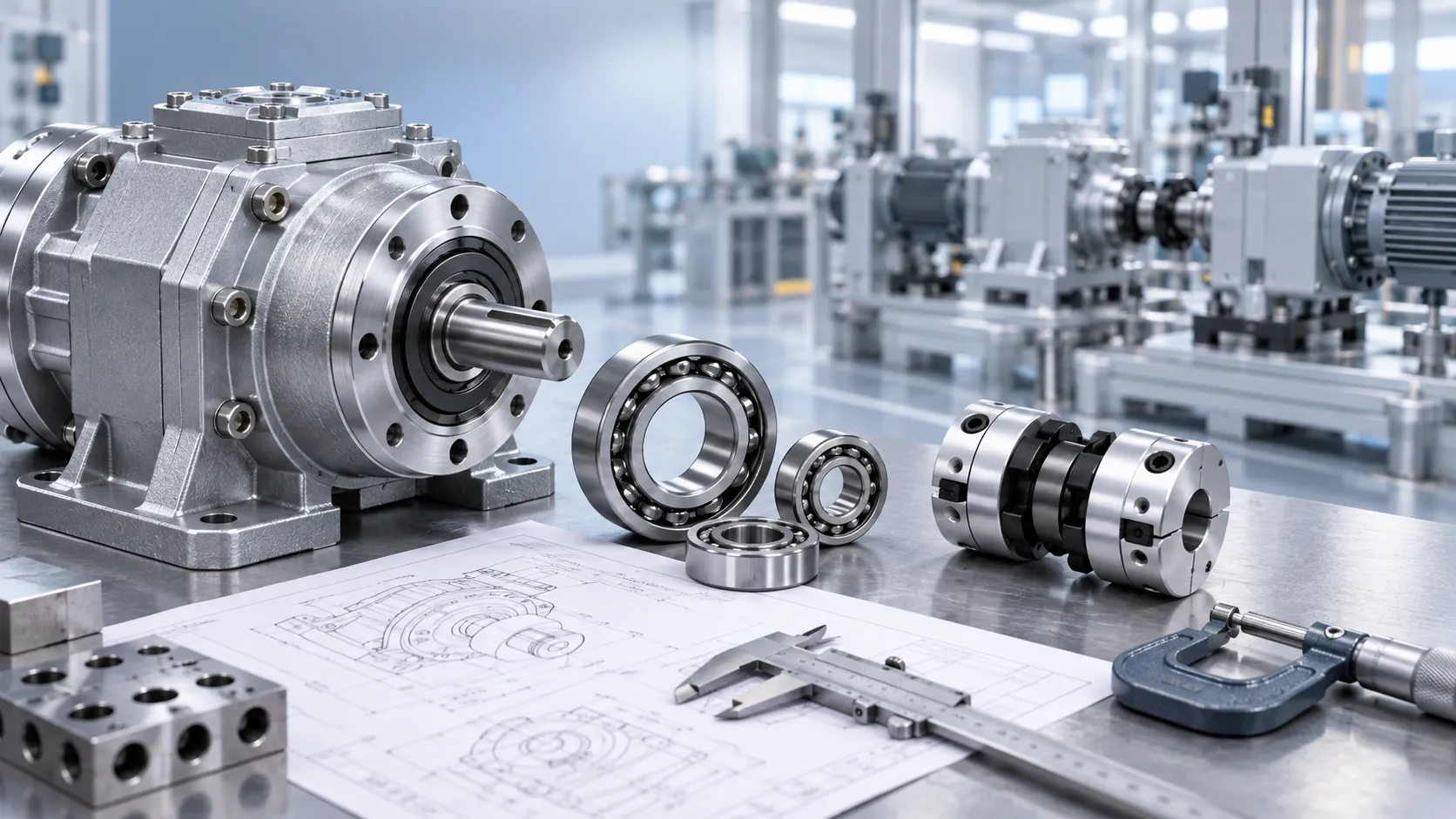
What to Request in Component Specification Resources Before Choosing a Supplier
Industrial component specification resources supplier guide: request drawings, material data, ratings, validation, and change control to choose reliable suppliers and reduce lifecycle risk.
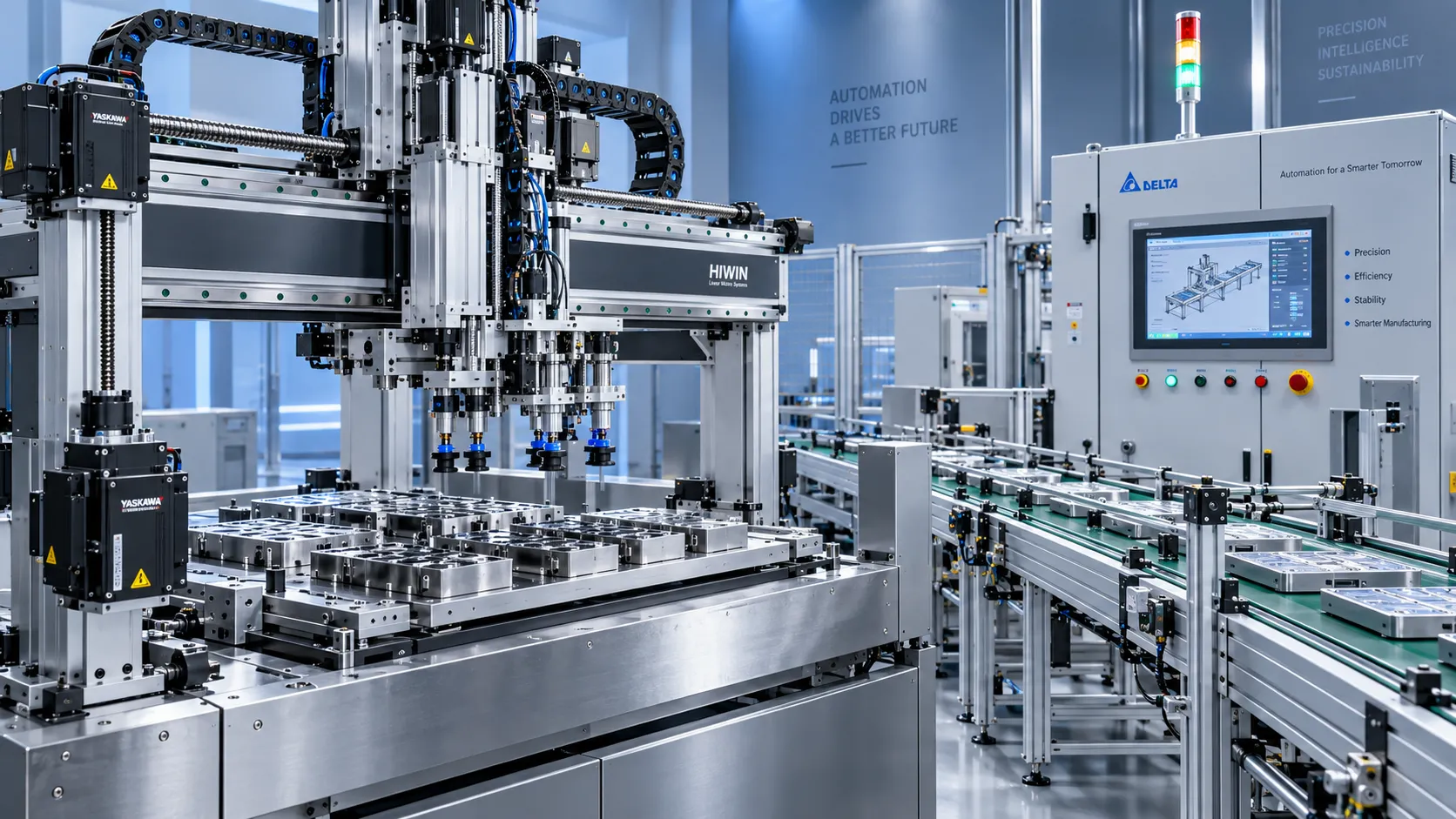
How to Specify Multi-Axis Motion Control for High-Precision Automated Machines
Master multi axis motion control for high-precision automation—optimize synchronization, feedback, mechanics, safety, and lifecycle reliability.
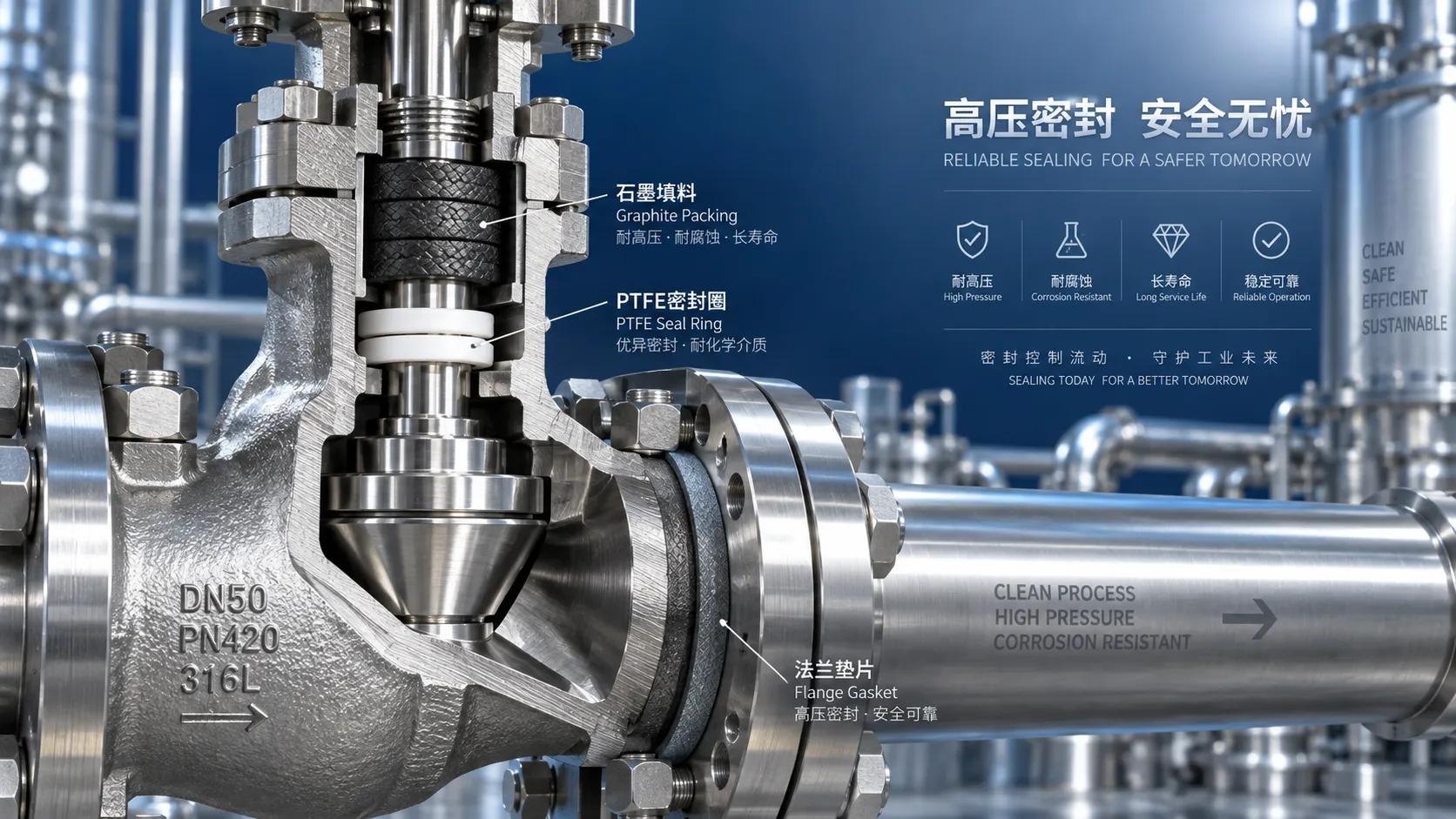
Selecting Valve Sealing Solutions for High-Pressure and Corrosive Service
Industrial sealing solutions for valves: learn how to select reliable systems for high-pressure, corrosive service, control fugitive emissions, and reduce lifecycle leakage risks.
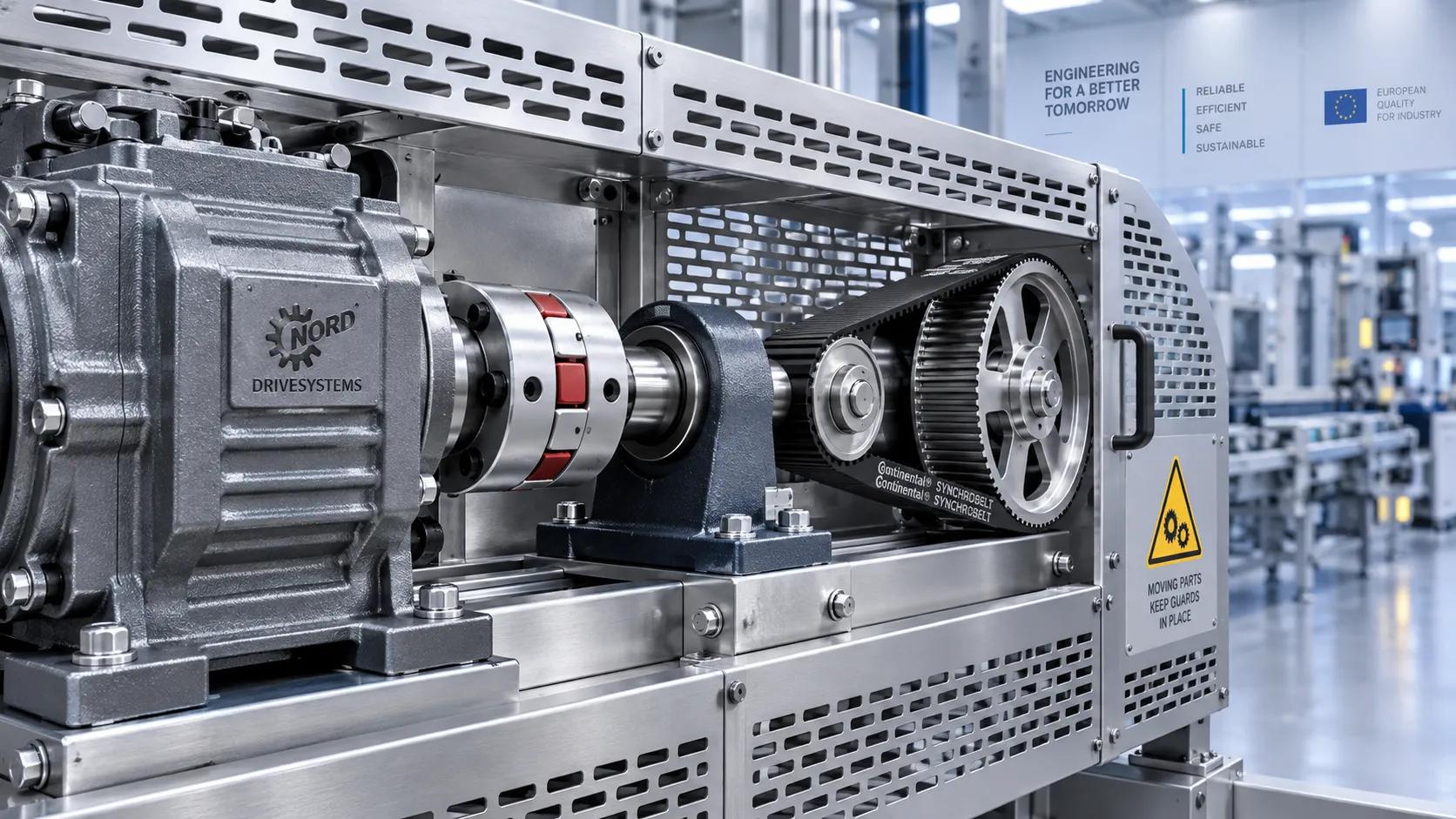
Which European Standards Matter When Specifying Industrial Power Transmission Systems?
Standardized transmission systems Europe: discover the key EN and ISO standards for safer, compliant gear units, belts, couplings, bearings, seals, and ATEX applications.
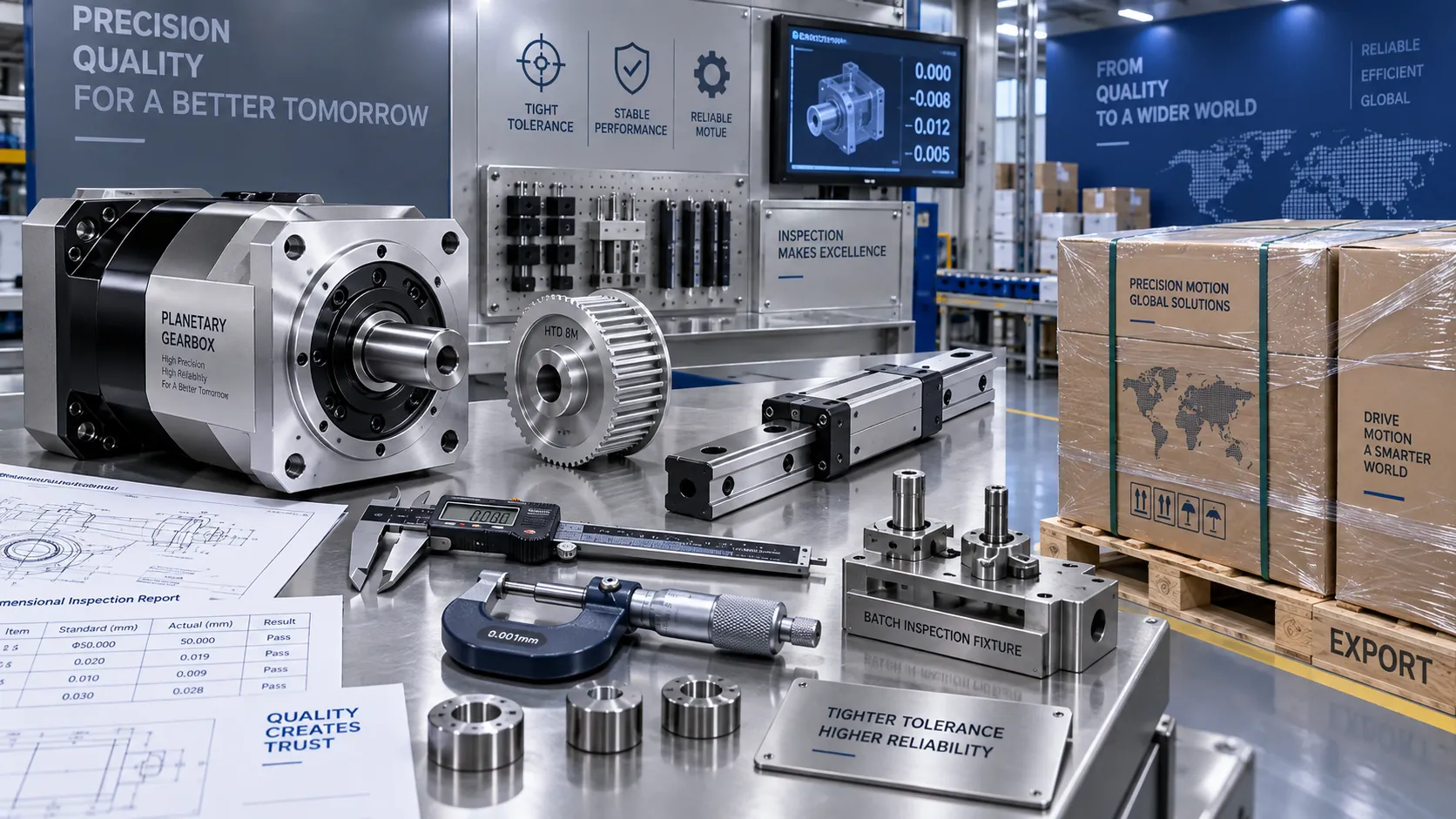
How to Vet a Motion Control Components Exporter for Global OEM Supply?
Motion control components exporter vetting guide for global OEMs: assess quality, traceability, export readiness, landed cost, and supply resilience before you buy.
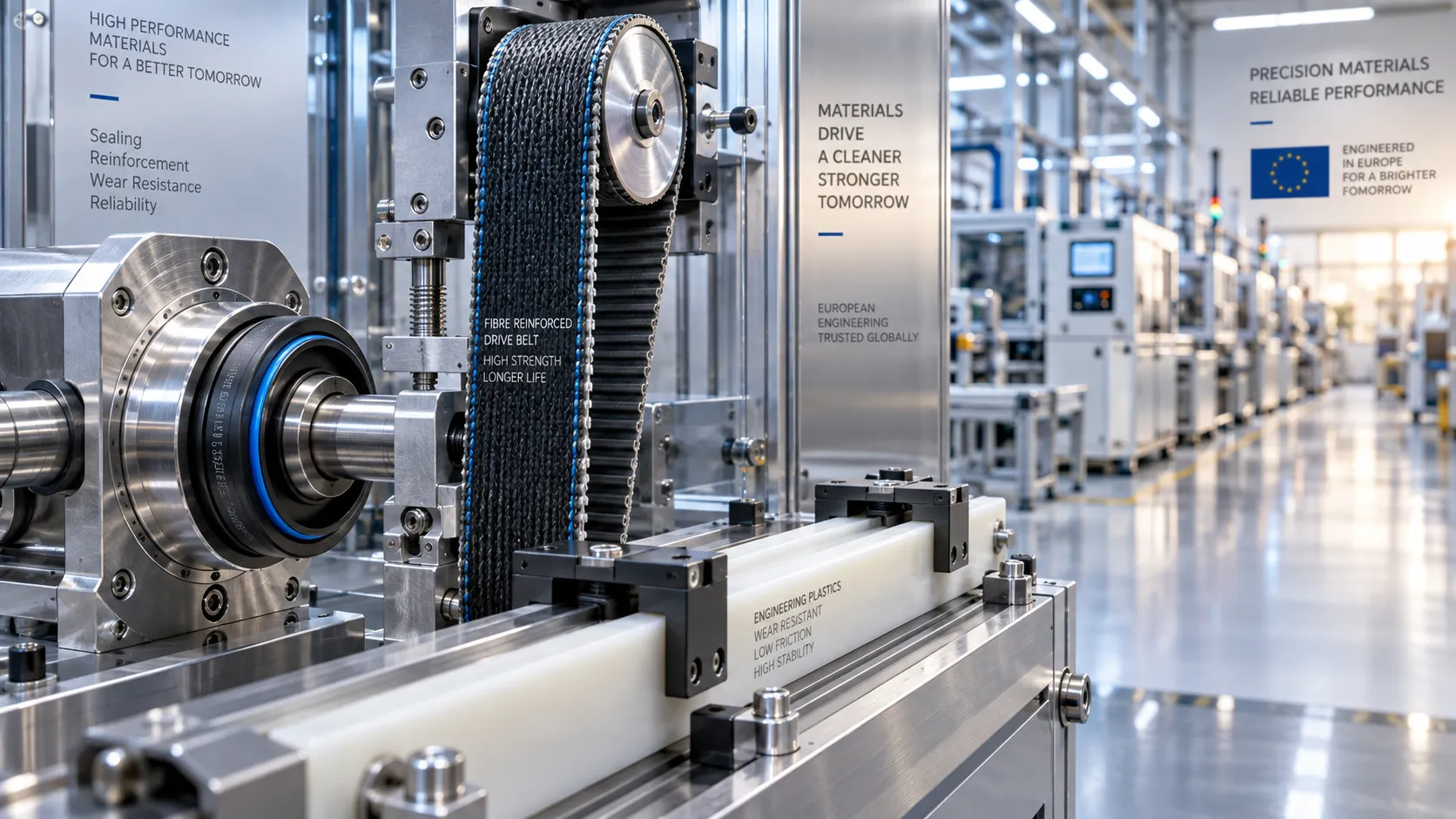
High-Performance Materials in Europe: Sourcing Criteria for Critical Industrial Applications
High-performance materials Europe: learn how to source critical industrial materials using proven criteria for durability, compliance, traceability, lifecycle cost, and supply resilience.
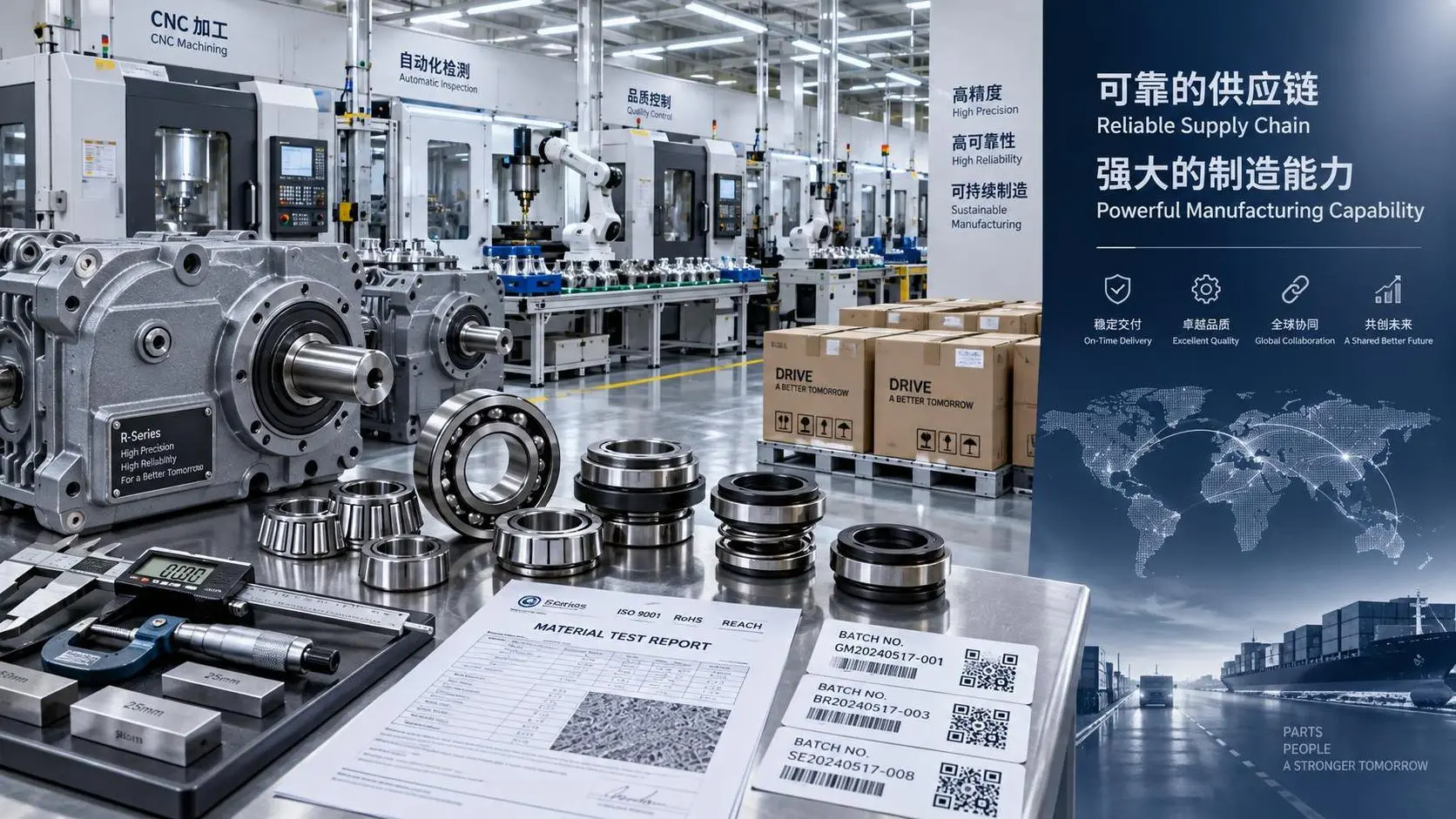
How to Assess a Global Supplier’s Capability Before Awarding a Critical Contract
Global supplier capability review: learn how to verify technical control, quality systems, global delivery resilience, compliance, and service support before awarding a critical contract.
How to Select Mechanical Linkage Components for High-Cycle Automation Equipment
Mechanical linkage technology components: learn how to select reliable rod ends, pins, and joints for high-cycle automation, reducing wear, backlash, downtime, and maintenance risk.

How to Evaluate Industrial Solution References Before Approving a Plant Upgrade
Industrial solution references: learn how to verify real-world performance, integration risks, lifecycle value, and commissioning results before approving a plant upgrade.