
Industry News
Curation by industry experts
Hot Articles
- Commercial InsightsHow to Evaluate an Industrial Motion Control Solutions Supplier for Automation Projects
- Commercial InsightsKey Semiconductor Industry Components and Their Roles in Chip Manufacturing
- Chain DrivesMechanical Component Selection: Key Criteria for Load, Speed, Environment, and Service Life
Popular Tags
High-Performance Transmission or Lower Maintenance Cost?
For business evaluators balancing efficiency, reliability, and lifecycle cost, the choice between high-performance transmission and lower maintenance spending is rarely simple. In today’s competitive industrial landscape, understanding how advanced transmission components affect uptime, energy use, and long-term asset value is essential. This article explores the trade-offs behind high-performance transmission decisions and what they mean for procurement, profitability, and strategic investment.
In most industrial settings, the real question is not whether performance matters, but how much performance is worth paying for across a 3-year, 5-year, or even 10-year operating horizon. For evaluators comparing belts, gear reducers, couplings, bearings, seals, and related motion components, the decision affects energy efficiency, spare parts planning, service intervals, and production continuity.
That is why high-performance transmission should be assessed as a business case rather than a simple component upgrade. GPT-Matrix follows this issue closely because transmission reliability sits at the intersection of material science, tribology, maintenance economics, and plant-level productivity. A lower unit price may reduce immediate capex, but a poorly matched transmission system can increase downtime events, lubrication frequency, alignment errors, and replacement cycles.
Why the Trade-Off Is More Complex Than Purchase Price
A common procurement mistake is to compare components only by initial quotation. In practice, transmission value is shaped by at least 4 variables: power density, efficiency loss, maintenance frequency, and failure consequence. A belt drive running at 96%–98% efficiency may look similar to a lower-grade alternative on paper, yet the difference becomes meaningful when equipment operates 16–24 hours per day.
For business evaluators, the key is to convert technical performance into commercial impact. If a reducer upgrade cuts unplanned stoppages from 6 events per year to 2, or extends seal replacement intervals from 6 months to 18 months, the savings may outweigh a 15%–30% higher acquisition cost. This is especially relevant in automated lines, bulk handling, food processing, mining support systems, and other operations where interruption costs can escalate quickly.
What “high-performance transmission” usually means in industrial terms
In industrial procurement, high-performance transmission does not refer to one single product category. It usually includes optimized gear geometry, higher torque stability, lower backlash, stronger fatigue resistance, better thermal behavior, improved surface finish, and more durable sealing interfaces. In many cases, these gains are supported by better raw materials, tighter tolerances, and more consistent manufacturing control.
- Higher operating efficiency, often within a 1%–3% improvement range depending on drive type
- Longer service intervals, such as lubrication checks every 3–6 months instead of monthly
- Better resistance to shock load, contamination, heat, or misalignment
- More predictable wear behavior across long production cycles
Where lower maintenance cost can be misleading
A low-maintenance claim is useful only when the operating environment is defined. Dust, washdown exposure, temperature swings, abrasive media, and variable loads can all shorten service life. A component promoted as low maintenance in a clean packaging line may perform very differently in a cement transfer system or steel processing auxiliary drive.
Evaluators should distinguish between low scheduled maintenance and low total maintenance burden. The first means fewer planned interventions. The second includes emergency labor, spare inventory, line restart time, quality losses, and secondary component damage. In many plants, one 4-hour stoppage costs more than several months of preventive service labor.
A practical comparison model
The table below shows how decision teams can compare two broad strategies using realistic B2B criteria rather than list price alone.
The main takeaway is simple: lower maintenance cost is not automatically the better financial choice. When failure cost is high, high-performance transmission often creates more stable total ownership economics, even if the procurement line item looks less attractive at the start.
How Business Evaluators Should Assess Total Lifecycle Value
A sound evaluation framework should cover 5 dimensions: application fit, duty cycle, maintenance capability, energy consumption, and consequence of failure. This moves the conversation away from generic claims and toward measurable plant realities. GPT-Matrix often emphasizes this point because the same transmission solution can perform very differently across light-duty conveyors, servo-driven packaging machines, and heavy bulk processing lines.
1. Match the component to the load profile
Start with torque, speed, shock load, start-stop frequency, and alignment tolerance. A transmission component operating close to its upper threshold for 18 hours per day will have a different wear curve than one running at 60% load for a single shift. Evaluators should request operating bands, not only nominal ratings.
As a practical rule, applications with repeated acceleration, reversing, or peak-load spikes usually benefit more from high-performance transmission because fatigue resistance and thermal stability matter more under fluctuating stress than under steady-state light duty.
2. Quantify maintenance labor and downtime exposure
If a component requires 45 minutes of service every 2 weeks across 20 machines, annual labor consumption becomes significant. Add lockout procedures, access difficulty, lost production time, and spare parts handling, and the real maintenance cost may be 2 to 4 times the visible labor entry on a budget sheet.
For evaluators managing distributor networks, multi-site operations, or international sourcing, standardization also matters. Reducing part variation from 12 SKUs to 5 can improve inventory turnover, simplify technician training, and lower the risk of incorrect replacements.
3. Measure efficiency over operating hours
Even a modest efficiency difference matters when run hours are high. In systems operating 6,000–8,000 hours per year, a 1%–2% transmission efficiency gain can support noticeable energy savings, especially where motors above 15 kW are deployed across several parallel lines. The savings may not justify premium components in every case, but they should be included in the financial model.
Decision factors that should appear in procurement scoring
The next table outlines a practical scoring structure for business evaluators comparing high-performance transmission solutions against lower-maintenance or lower-cost alternatives.
This framework helps evaluators justify premium choices in a disciplined way. Instead of arguing from vendor preference, teams can compare quantified risk, labor intensity, and operating efficiency across a consistent scoring model.
When High-Performance Transmission Delivers the Strongest Return
Not every application needs the highest specification available. The best return usually appears in environments with high downtime cost, difficult maintenance access, variable loads, or harsh operating conditions. In these cases, stronger transmission architecture can reduce instability across the entire mechanical chain.
High-value scenarios for premium transmission selection
- Automated production lines running 2 or 3 shifts, where a single stoppage disrupts upstream and downstream assets
- Remote or hazardous installations where maintenance intervention is expensive or slow
- Applications with repeated load spikes, reversing motion, or high start-stop frequency
- Operations targeting energy reduction, standardization, and long replacement cycles
For example, a conveyor drive in a low-risk warehouse may tolerate a lower-cost option if replacement is simple and downtime impact is limited. By contrast, a sealed gearbox or synchronous belt system in a tightly scheduled packaging or processing line may justify a premium because access windows are short, sanitation routines are strict, and restart losses accumulate quickly.
Typical red flags that favor a higher-grade solution
Evaluators should lean toward high-performance transmission when at least 3 red flags appear together: operating temperature above 40°C, more than 10 starts per hour, contamination exposure, line utilization above 80%, or maintenance access requiring scheduled shutdown planning. Each factor increases the hidden cost of under-specification.
Common evaluation mistake
A frequent error is to buy premium components for all machines without ranking criticality. A better method is segmentation. Divide assets into Tier 1, Tier 2, and Tier 3 based on downtime consequence, annual operating hours, and maintenance complexity. High-performance transmission often belongs first in Tier 1 assets, selectively in Tier 2, and only occasionally in Tier 3.
How to Build a More Reliable Procurement Strategy
Procurement teams need more than product catalogs. They need a selection process that connects engineering data with business impact. For business evaluators, this means asking suppliers and intelligence partners for application-specific evidence: expected interval ranges, installation conditions, tolerance sensitivity, and likely failure modes.
A 5-step evaluation workflow
- Define the duty profile: power, torque, speed, hours, starts, environment.
- Estimate consequence of failure: downtime cost, quality loss, safety exposure.
- Compare maintenance plans: inspection cycle, lubrication, replacement labor, spare stock.
- Run a 3-year to 7-year ownership model including energy and intervention cost.
- Segment assets by criticality and match component grade accordingly.
This workflow is especially valuable for organizations balancing procurement discipline with operational reliability. It prevents overbuying where simplicity is enough, and underbuying where downtime is expensive. It also supports better communication between sourcing teams, plant engineers, and finance reviewers.
Questions evaluators should ask before approving a lower-cost option
Before selecting the lower maintenance cost route, decision-makers should ask four direct questions. First, what is the realistic replacement interval under actual load and environment? Second, how many labor hours will be required per year? Third, what is the cost of one unscheduled stop lasting 2–6 hours? Fourth, will this choice increase part diversity or alignment sensitivity across the site?
If the answers are uncertain, the cheaper option may only be cheaper on paper. In many industrial categories, uncertainty itself is a cost. Better data reduces the risk premium built into procurement decisions.
The role of intelligence in transmission decisions
This is where GPT-Matrix becomes relevant to evaluators, distributors, and industrial decision teams. Because transmission economics are influenced by raw material shifts, energy pricing, durability trends, and reliability engineering, decisions improve when market intelligence and mechanical insight are reviewed together. A sourcing choice made only on historic price lists may miss changes in service-life expectations, supply risk, or technology maturity.
Commercial decisions are stronger when technical language is translated into asset value. That is the practical function of structured industry intelligence: helping buyers compare options not only by cost, but by lifecycle performance, maintenance exposure, and strategic fit.
Final Decision Guidance for Business Evaluators
The choice between high-performance transmission and lower maintenance cost should be based on application criticality, run hours, load variability, and downtime consequence. If the asset is easy to service, lightly loaded, and non-critical, a simpler option may be commercially sound. If the line is highly utilized, difficult to access, or sensitive to interruption, premium transmission performance often protects margin more effectively than a lower purchase price.
For B2B evaluators, the most resilient decision is rarely the cheapest part and rarely the most advanced part by default. It is the option that delivers the best 3-year to 7-year balance of reliability, service effort, energy behavior, and operational risk. High-performance transmission becomes valuable when it reduces uncertainty, extends useful life, and supports stable throughput.
If you are assessing industrial transmission components, motion systems, or sealing-related reliability strategies, now is the right time to review your assumptions with better intelligence. Contact GPT-Matrix to discuss your application priorities, request a more structured evaluation framework, or explore tailored solutions for stronger procurement and asset performance decisions.
Recommended News
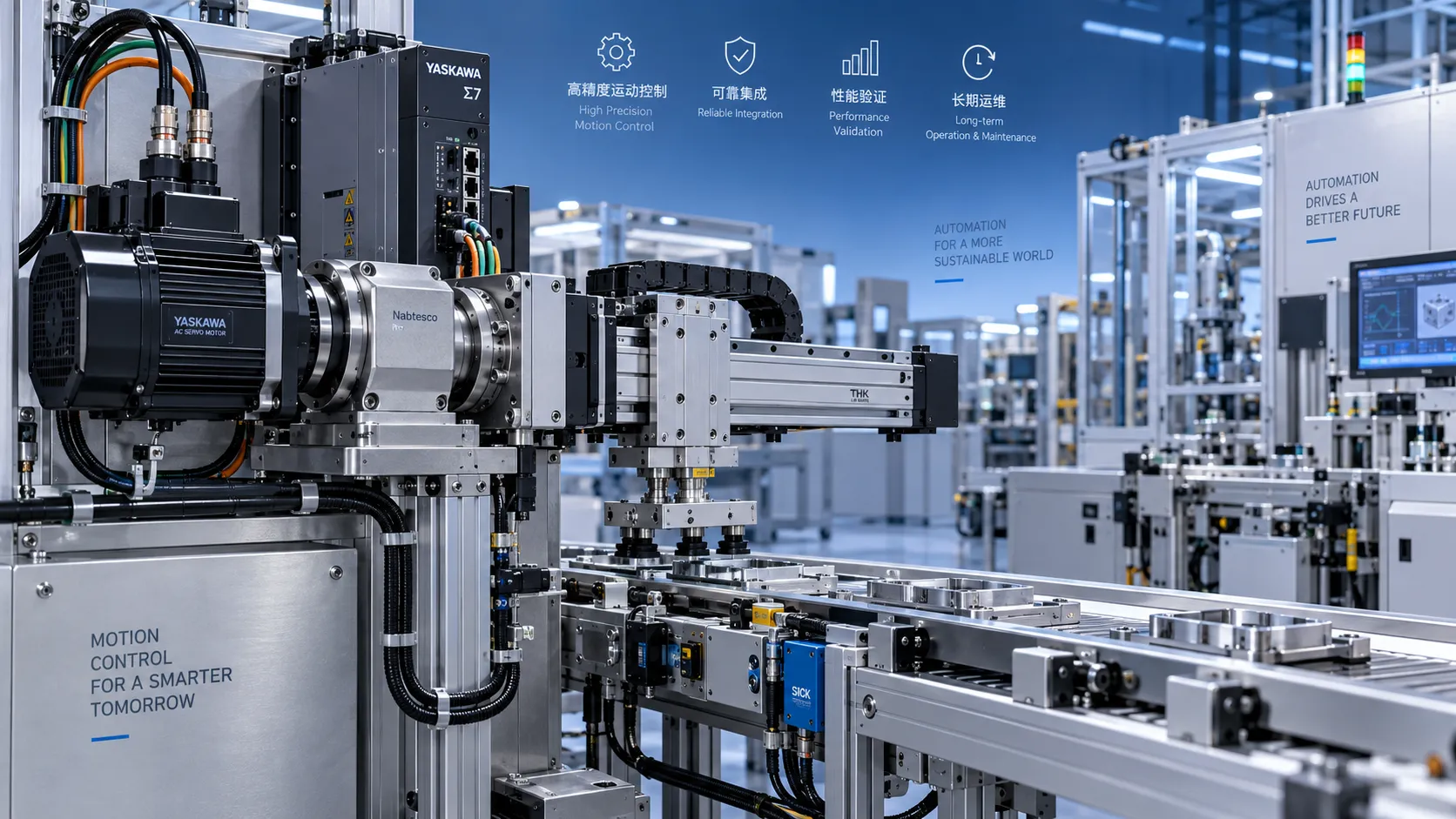
How to Evaluate an Industrial Motion Control Solutions Supplier for Automation Projects
Evaluate an industrial motion control solutions supplier with confidence. Compare sizing, integration, quality, support, and lifecycle value for reliable automation projects.
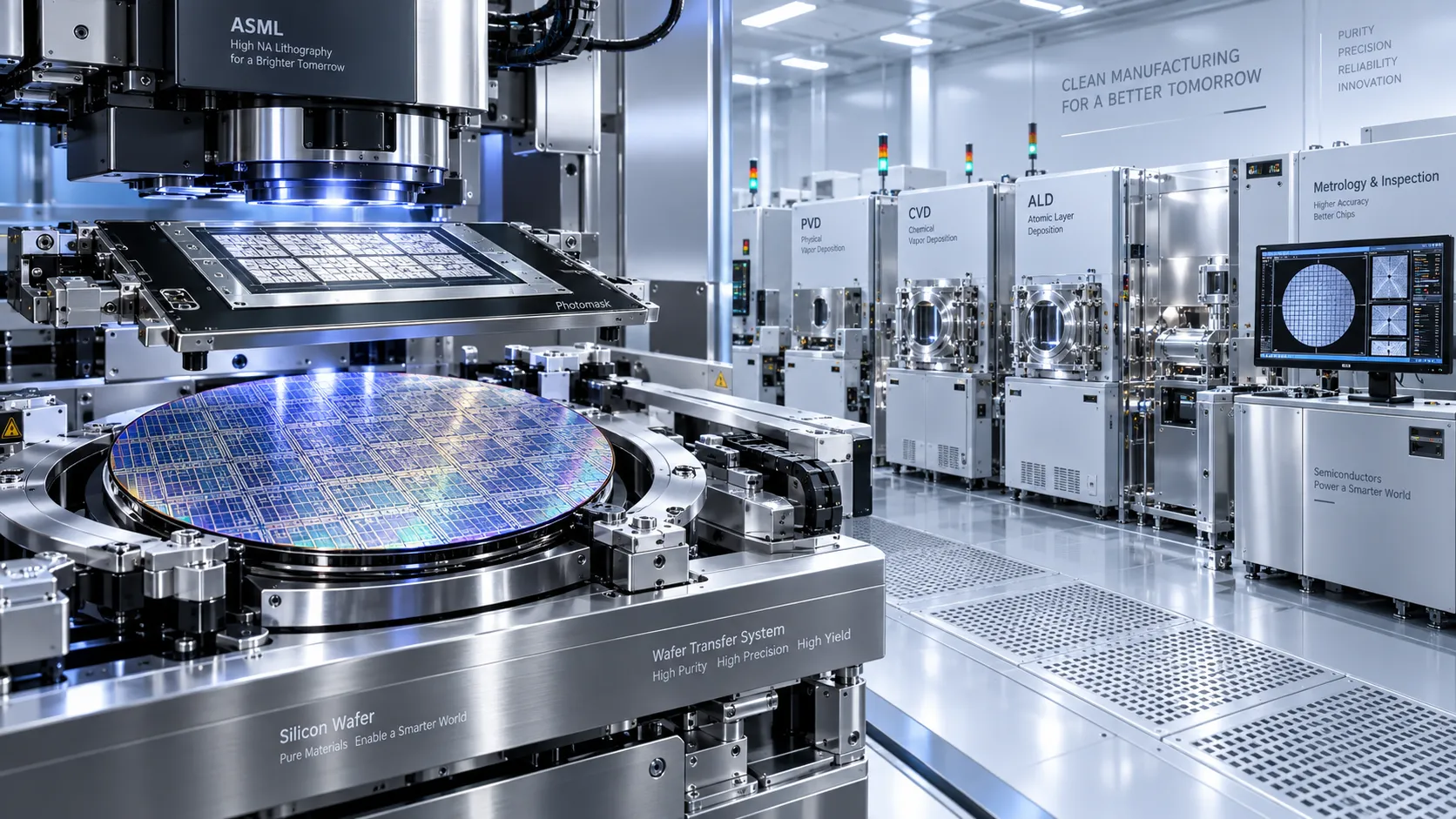
Key Semiconductor Industry Components and Their Roles in Chip Manufacturing
Semiconductor industry components explained: explore wafers, lithography, deposition, etching, packaging, and the critical roles that drive chip quality and yield.
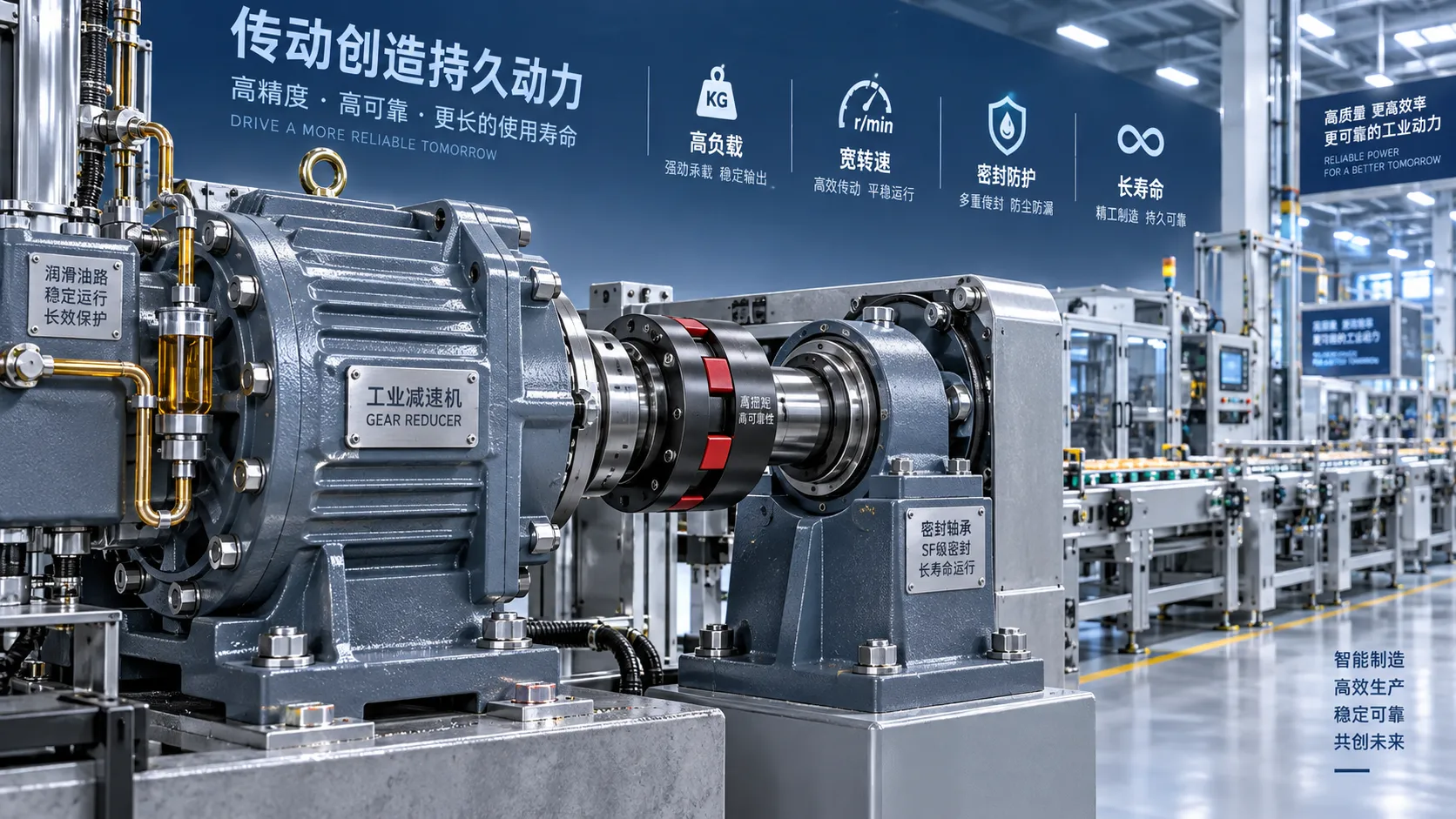
Mechanical Component Selection: Key Criteria for Load, Speed, Environment, and Service Life
Mechanical component selection made practical: evaluate load, speed, environment, lubrication, and service life to improve reliability, reduce downtime, and control lifecycle costs.
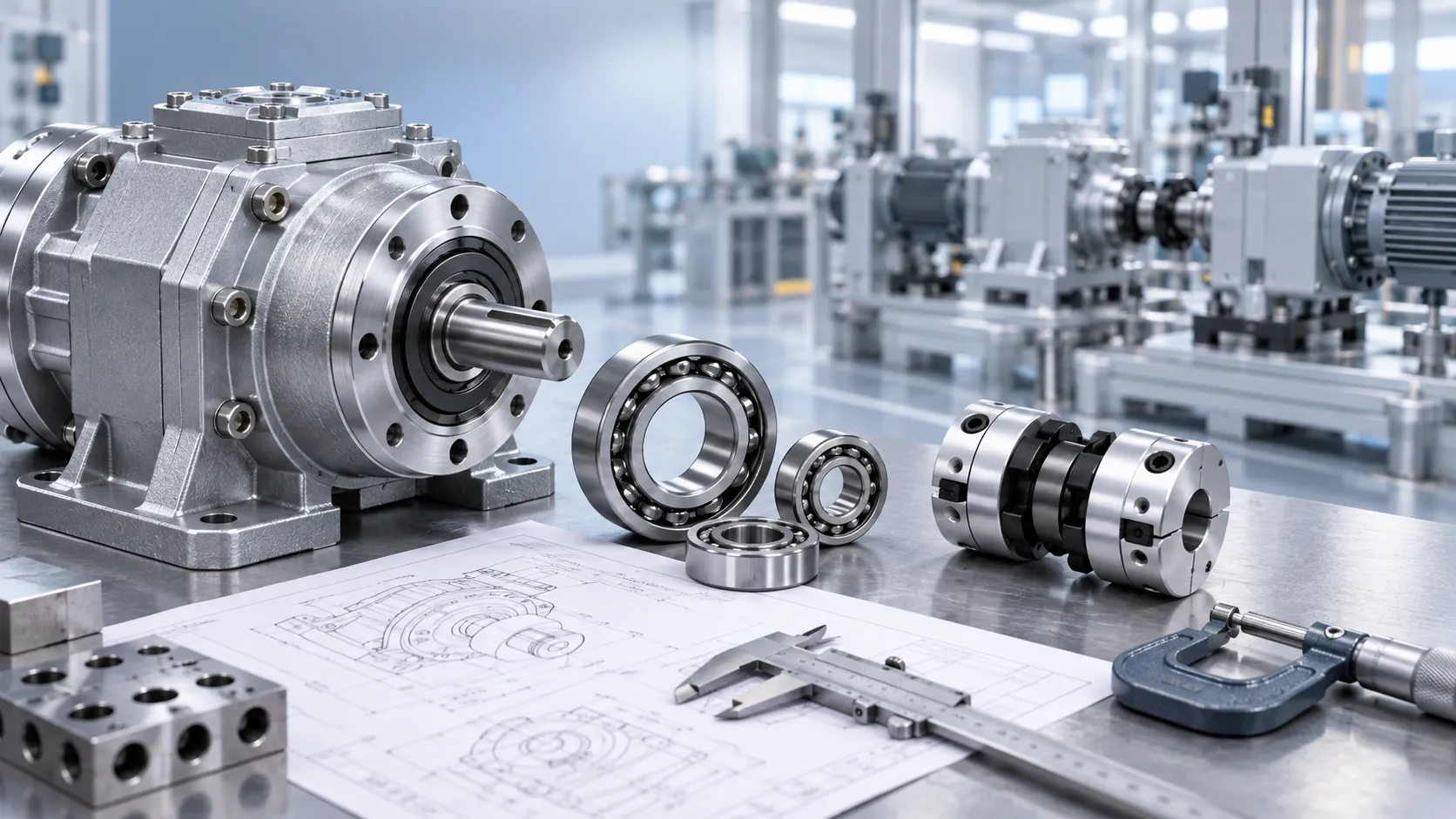
What to Request in Component Specification Resources Before Choosing a Supplier
Industrial component specification resources supplier guide: request drawings, material data, ratings, validation, and change control to choose reliable suppliers and reduce lifecycle risk.
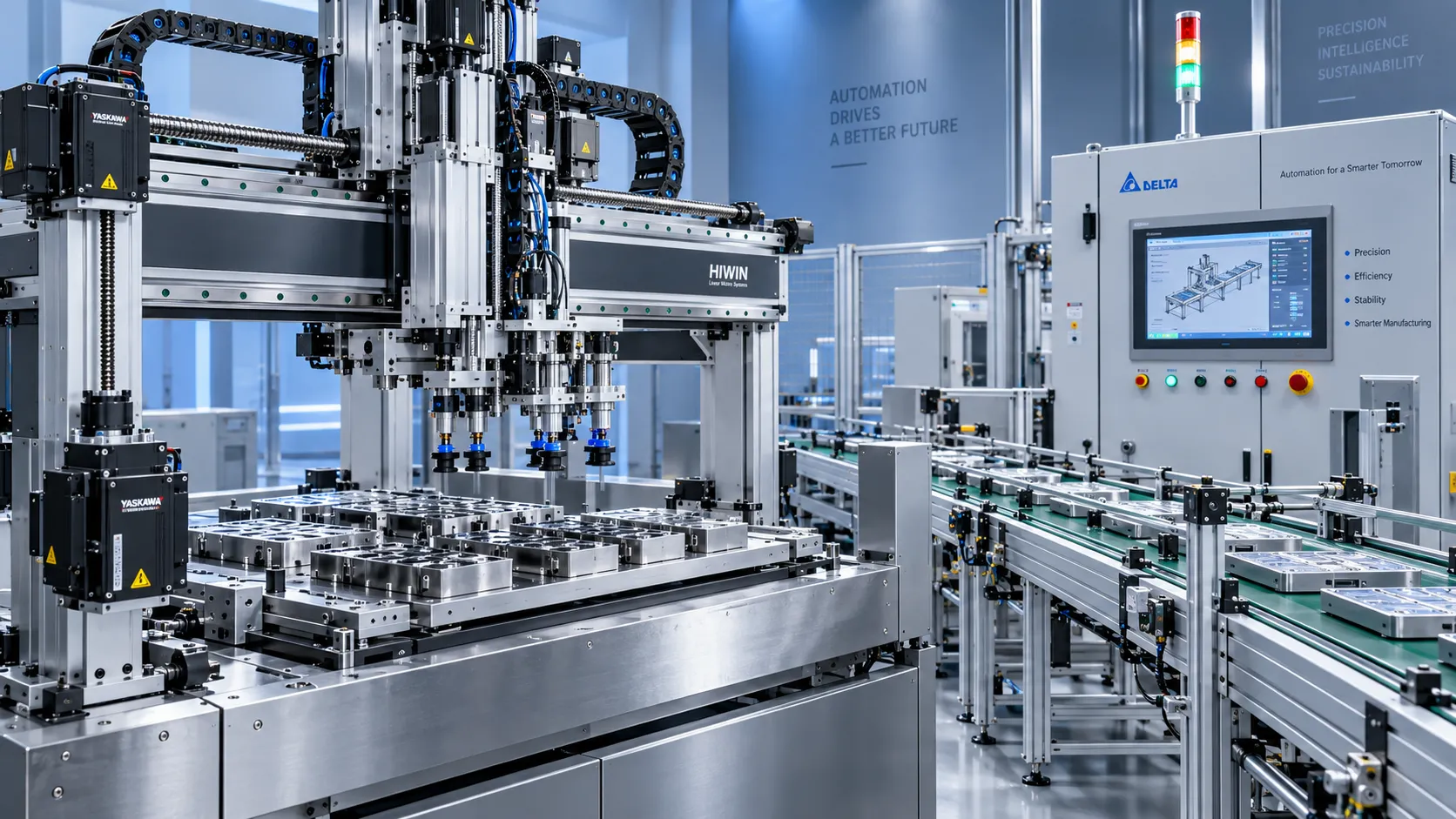
How to Specify Multi-Axis Motion Control for High-Precision Automated Machines
Master multi axis motion control for high-precision automation—optimize synchronization, feedback, mechanics, safety, and lifecycle reliability.
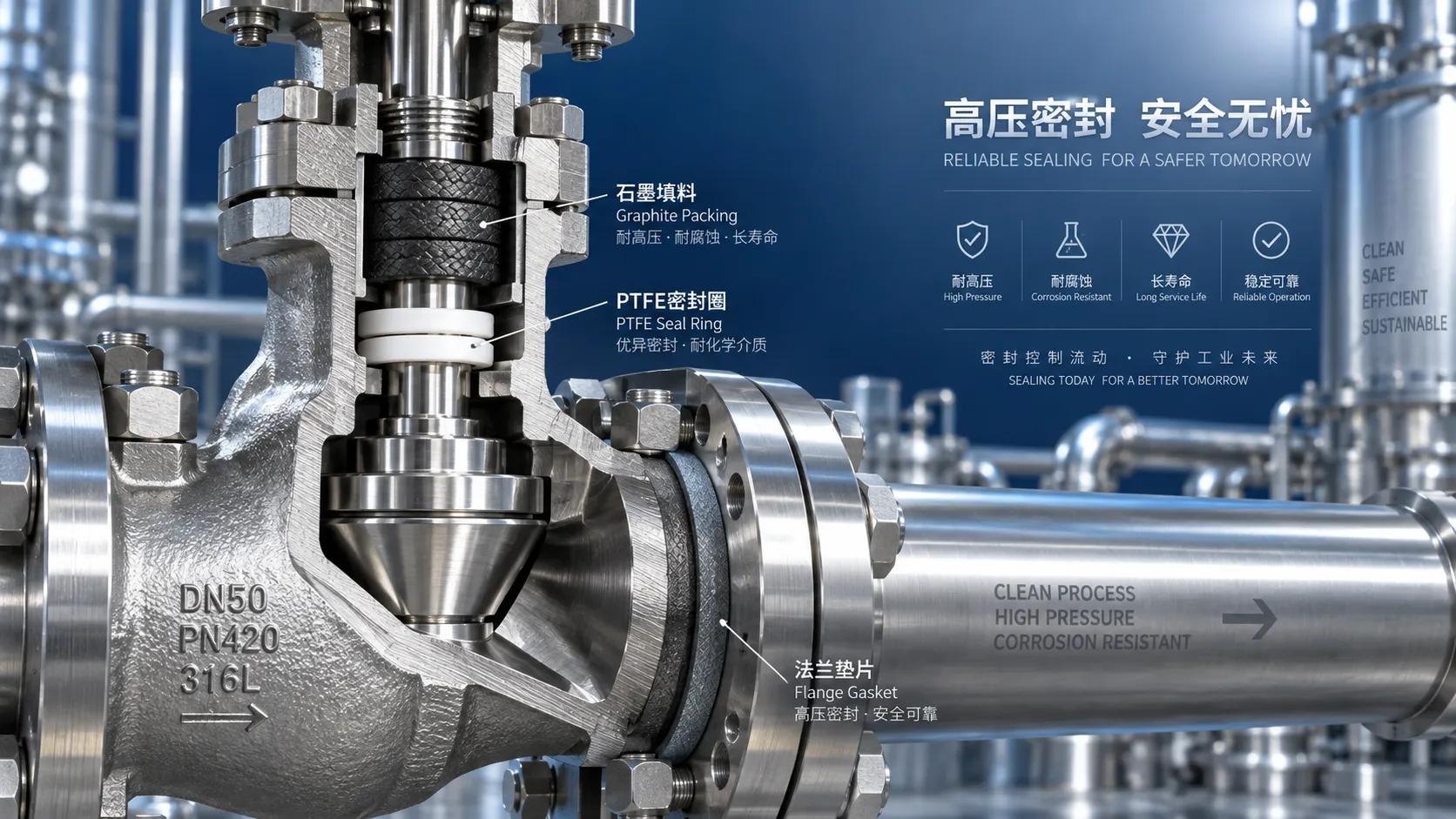
Selecting Valve Sealing Solutions for High-Pressure and Corrosive Service
Industrial sealing solutions for valves: learn how to select reliable systems for high-pressure, corrosive service, control fugitive emissions, and reduce lifecycle leakage risks.
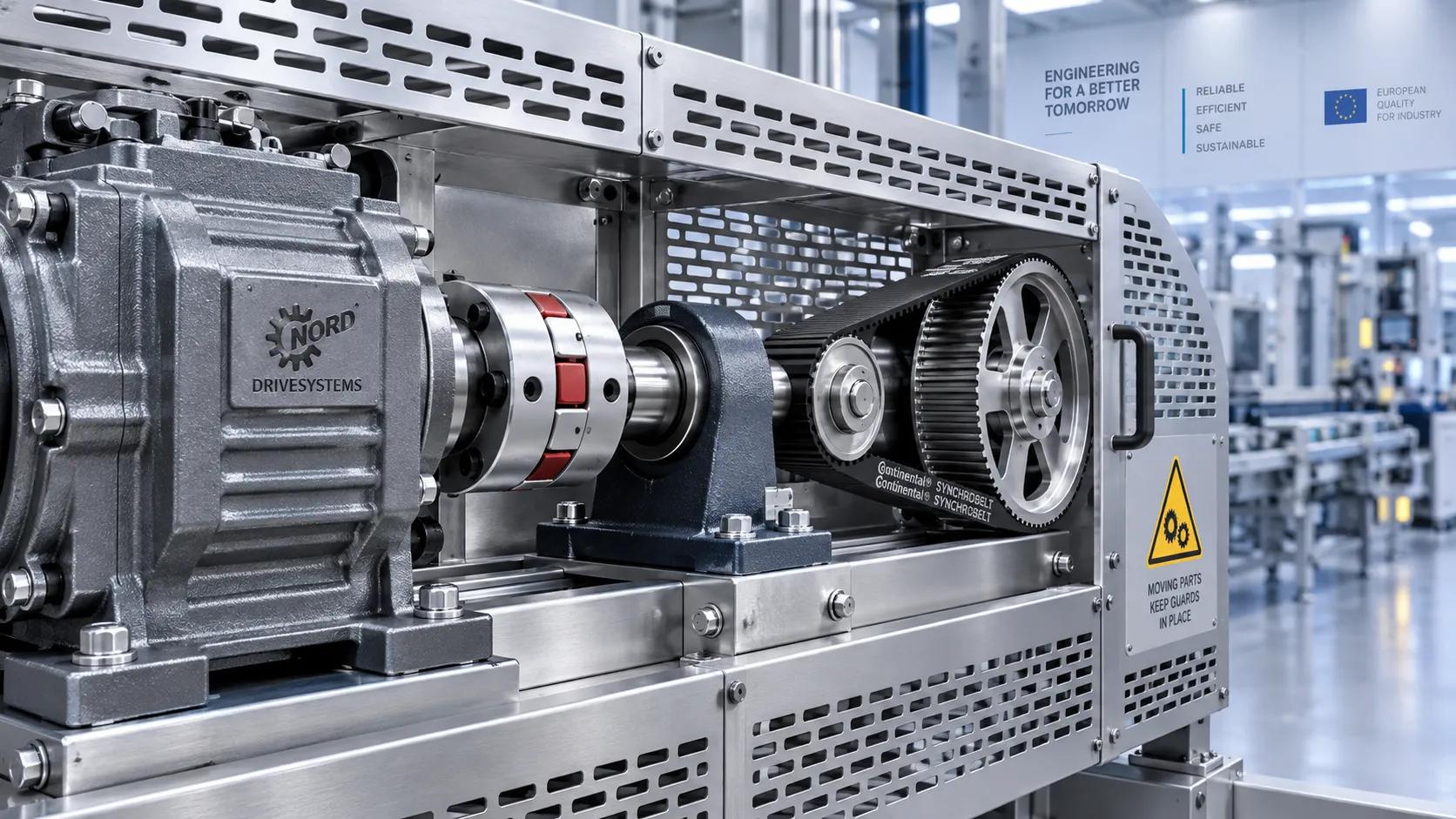
Which European Standards Matter When Specifying Industrial Power Transmission Systems?
Standardized transmission systems Europe: discover the key EN and ISO standards for safer, compliant gear units, belts, couplings, bearings, seals, and ATEX applications.
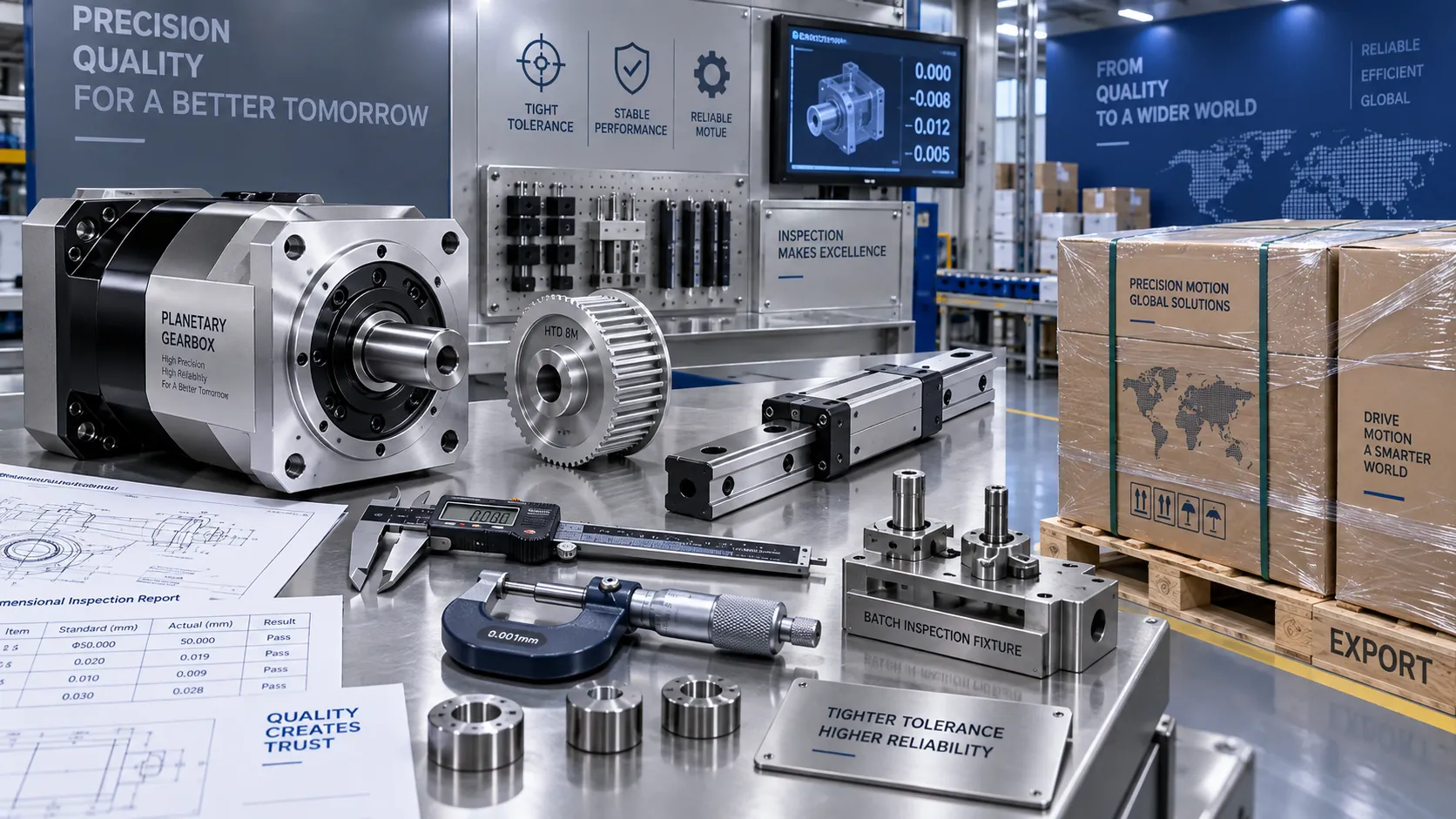
How to Vet a Motion Control Components Exporter for Global OEM Supply?
Motion control components exporter vetting guide for global OEMs: assess quality, traceability, export readiness, landed cost, and supply resilience before you buy.
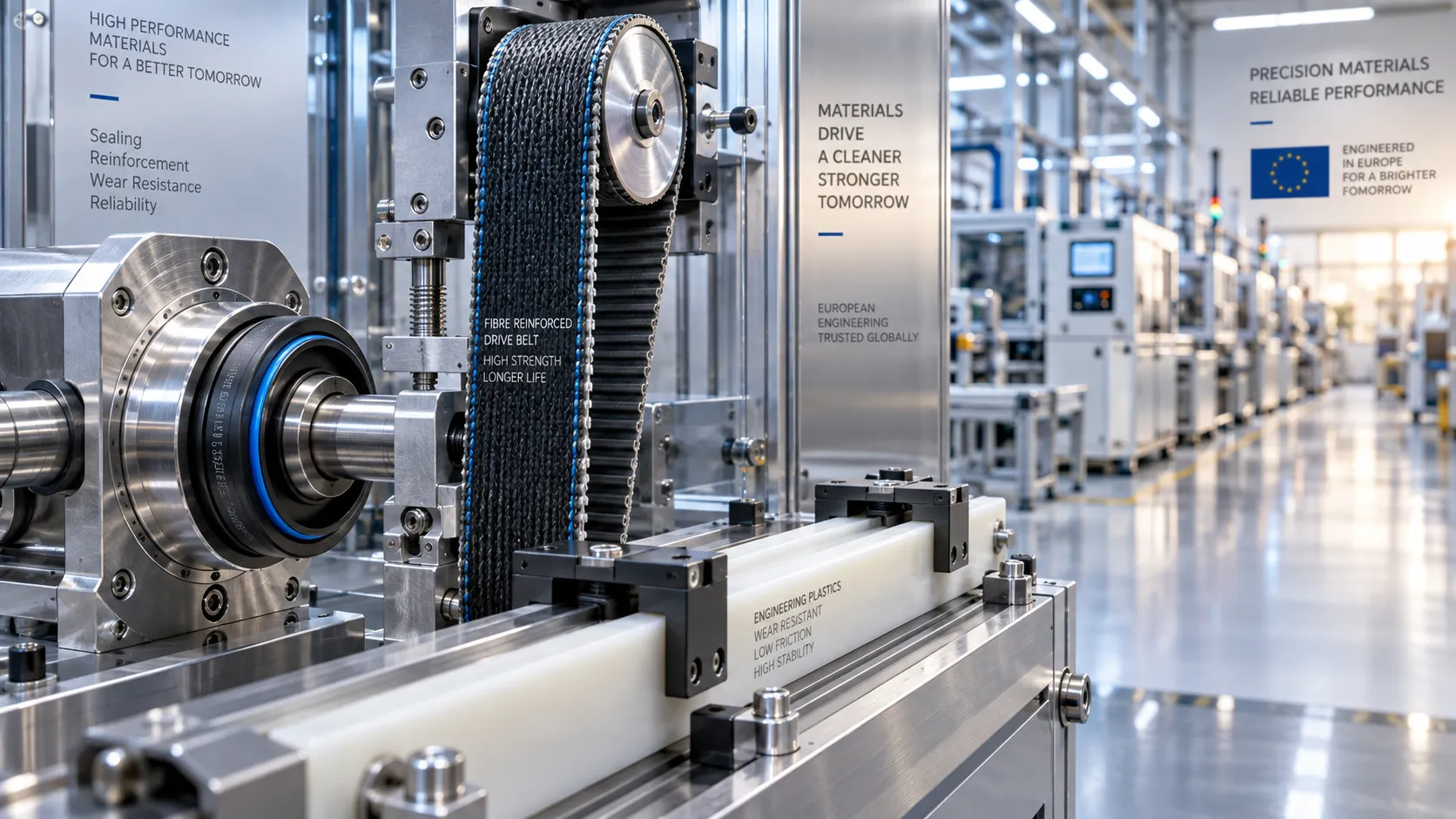
High-Performance Materials in Europe: Sourcing Criteria for Critical Industrial Applications
High-performance materials Europe: learn how to source critical industrial materials using proven criteria for durability, compliance, traceability, lifecycle cost, and supply resilience.