
Industry News
Curation by industry experts
Hot Articles
- Commercial InsightsHow to Evaluate an Industrial Motion Control Solutions Supplier for Automation Projects
- Commercial InsightsKey Semiconductor Industry Components and Their Roles in Chip Manufacturing
- Chain DrivesMechanical Component Selection: Key Criteria for Load, Speed, Environment, and Service Life
Popular Tags
When Energy Efficient Transmission Systems Pay Back Faster
For financial decision-makers, the value of energy efficient transmission systems is no longer only technical. It is visible in lower power bills, fewer breakdowns, and shorter payback periods.
As energy costs rise and uptime becomes more valuable, companies need clearer ways to judge investment timing. The key question is simple: when do energy efficient transmission systems pay back faster?
Across industrial operations, the answer depends on load profiles, maintenance history, duty cycles, and component quality. Better belts, gear reducers, couplings, bearings, and seals can change total cost far beyond electricity use.
Drawing on the intelligence focus of GPT-Matrix, this article explains how to evaluate payback, where savings appear first, and which mistakes delay returns.
What are energy efficient transmission systems, and why do they matter financially?
Energy efficient transmission systems transfer power with lower friction, lower slip, and better load control. They reduce wasted motion between the motor and the driven equipment.
In practical terms, they may include premium synchronous belts, optimized gearboxes, precision couplings, advanced bearings, and reliable mechanical seals. Digital monitoring can increase efficiency further.
Financial impact comes from three layers. The first is direct energy savings. The second is reduced maintenance. The third is higher process stability and fewer production losses.
A small efficiency gain often looks modest on paper. However, in high-hour operations, even a few percentage points can compound into significant yearly savings.
This is why energy efficient transmission systems are increasingly viewed as capital efficiency tools, not only as engineering upgrades.
Where the money usually comes from
- Lower electrical consumption during continuous operation
- Less heat generation and reduced wear
- Longer service intervals for belts, gears, and seals
- Fewer emergency stoppages and less scrap
- Improved equipment life and better asset utilization
When do energy efficient transmission systems pay back faster?
Energy efficient transmission systems pay back faster when equipment runs many hours, carries variable loads, or suffers from frequent maintenance. These conditions magnify every efficiency improvement.
The quickest payback often appears in conveyors, fans, pumps, compressors, mixers, and automated lines. These applications combine long operating hours with repetitive mechanical duty.
High energy tariffs also shorten the return period. When electricity prices are volatile, each kilowatt-hour saved becomes more valuable.
Payback accelerates further where downtime is expensive. If a failed belt, reducer, or seal stops a critical line, avoided interruption may exceed the energy savings.
Conditions that usually create fast ROI
- Operations running more than 4,000 hours per year
- Repeated overheating, slippage, or alignment issues
- Legacy drives with outdated belts or worn reducers
- Sites with rising utility costs
- Equipment linked to bottleneck processes
In many cases, the faster return does not come from buying the most advanced system. It comes from upgrading the worst-performing transmission points first.
How should payback be calculated beyond simple energy savings?
A narrow calculation can undervalue energy efficient transmission systems. A stronger model includes total cost of ownership, not just the annual power bill.
Start with baseline data. Measure motor power, operating hours, failure frequency, maintenance labor, spare parts consumption, and downtime costs.
Next, estimate improvements from the upgraded system. Include efficiency gains, service life extension, reduced lubrication demand, and lower unplanned stoppage risk.
Then compare capital cost against yearly benefits. This provides payback period, annual return, and multi-year value.
A practical payback formula
Payback period = Total installed cost ÷ Annual savings.
Annual savings should include energy, maintenance, spare parts, and avoided downtime. Excluding downtime often makes strong projects look weaker than they are.
Checklist for a realistic business case
- Use actual operating hours, not nameplate assumptions
- Separate planned maintenance from emergency repair costs
- Include installation time and line restart impact
- Account for seasonal load variation
- Model best-case and conservative scenarios
Which applications see the strongest return from energy efficient transmission systems?
Not every machine produces the same result. Energy efficient transmission systems deliver the strongest return where friction losses and service demands are already high.
Conveyor networks are a common example. Small losses repeated across many drive points can create substantial waste over time.
Pump and fan systems also perform well, especially when older mechanical transmission components are misaligned or oversized. Stable power transfer improves both efficiency and reliability.
Heavy-duty applications can benefit too. In these environments, durability improvements may matter as much as electrical savings.
What common mistakes delay the payback period?
One common mistake is focusing only on purchase price. Low upfront cost can hide higher losses, shorter component life, and more frequent service interruptions.
Another mistake is treating all energy efficient transmission systems as equal. Performance depends on design fit, material quality, installation accuracy, and operating environment.
Poor alignment, improper tensioning, and weak lubrication practices can erase the expected benefits. Even premium components will underperform if the system setup is wrong.
Some projects also fail because baseline data was never captured. Without clear before-and-after measurements, the financial result becomes hard to prove.
Red flags to watch before approval
- No measured energy profile
- No record of downtime cost
- Component selection based only on catalog price
- No installation quality plan
- No follow-up monitoring after upgrade
How can companies decide which upgrade should come first?
The best first step is prioritization by wasted cost, not by equipment age alone. Some newer assets consume more hidden value than older but stable machines.
Rank systems using four factors: annual energy use, failure frequency, downtime consequence, and ease of retrofit. This quickly highlights high-impact opportunities.
Shortlisting should also consider the reliability of supply chains for replacement components. Fast payback loses value if spares are difficult to source.
GPT-Matrix consistently shows that informed selection matters. Strategic intelligence on material advances, life-cycle trends, and service conditions improves upgrade timing.
FAQ: What should be remembered before investing?
Do energy efficient transmission systems always save enough to justify replacement?
No. The strongest cases combine high runtime, measurable losses, and operational risk. Replacement should follow data, not trend pressure.
Is energy saving the main reason these systems pay back faster?
Not always. In many facilities, avoided downtime and reduced maintenance exceed direct power savings.
Can partial upgrades work?
Yes. Upgrading the highest-loss transmission points first often produces faster results than replacing every system at once.
How long is a typical payback period?
It varies widely. Well-targeted energy efficient transmission systems can return in months or a few years, depending on usage and downtime impact.
What improves confidence in the investment decision?
Accurate baseline data, realistic life-cycle costing, and strong technical intelligence create the clearest business case.
Energy efficient transmission systems pay back faster when they solve both visible and hidden losses. The smartest evaluations combine energy, reliability, maintenance, and process continuity.
The next practical move is to audit the most energy-intensive and failure-prone assets first. With structured intelligence and measurable baselines, capital spending can become a durable efficiency advantage.
Recommended News
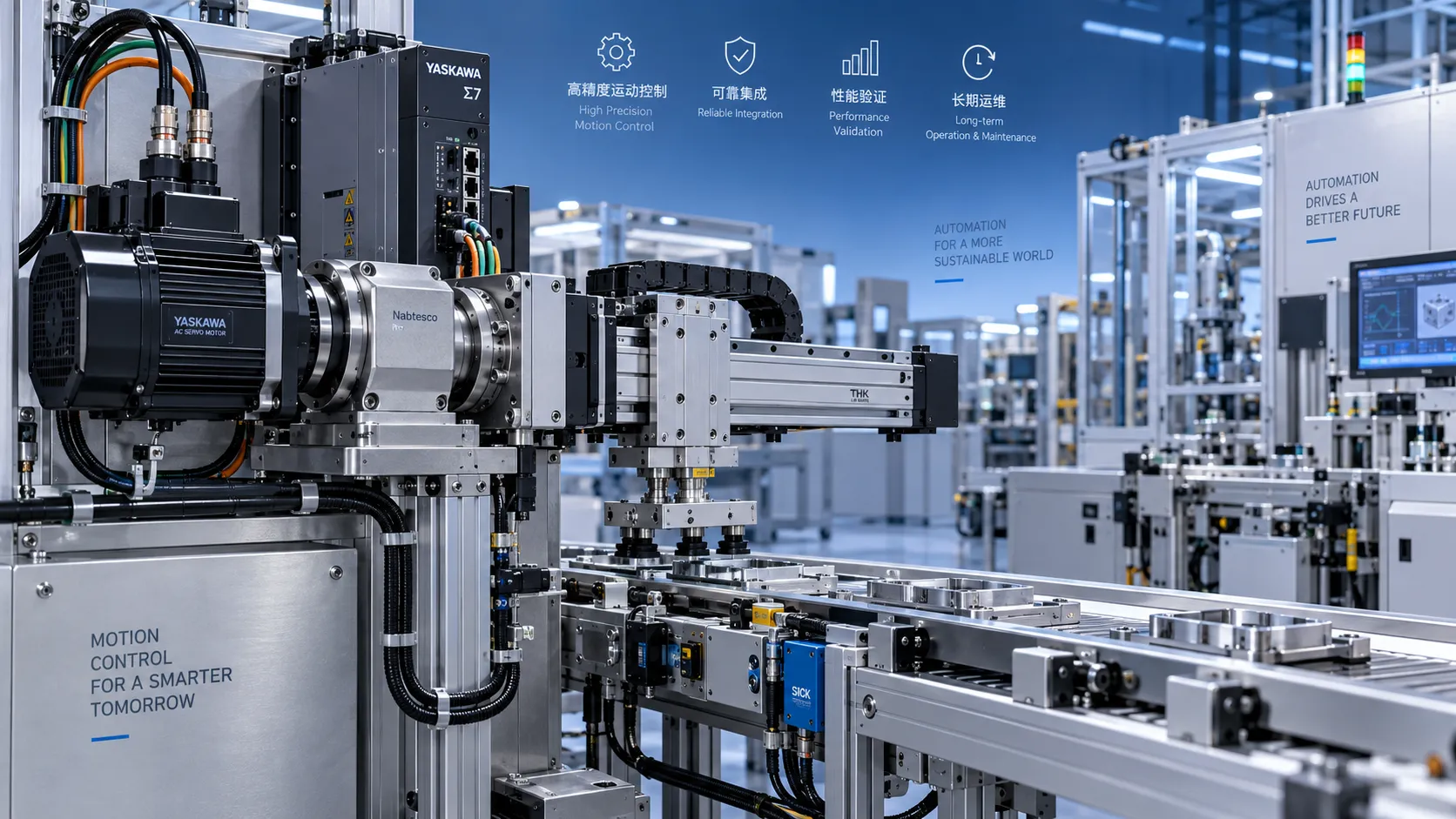
How to Evaluate an Industrial Motion Control Solutions Supplier for Automation Projects
Evaluate an industrial motion control solutions supplier with confidence. Compare sizing, integration, quality, support, and lifecycle value for reliable automation projects.
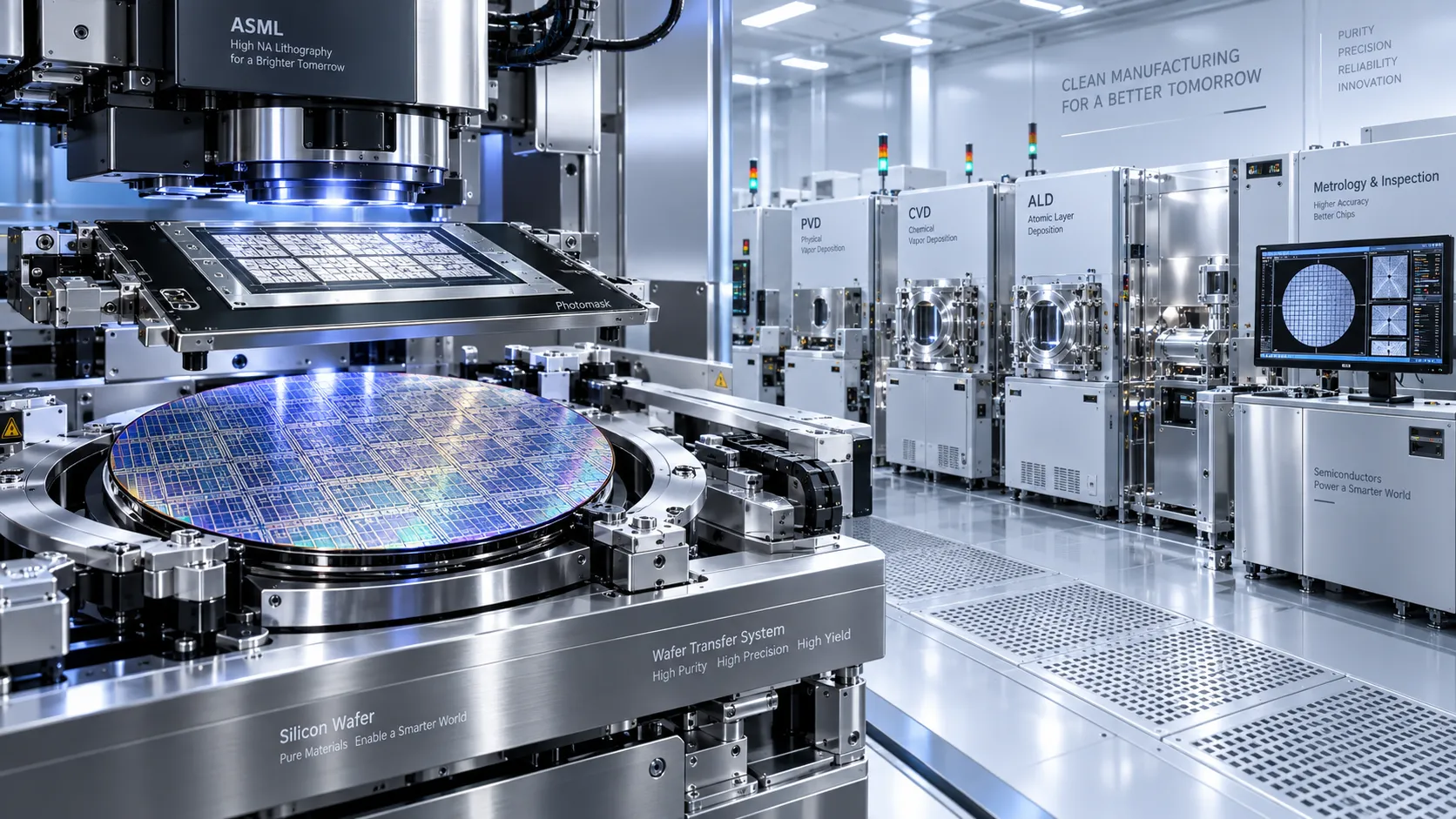
Key Semiconductor Industry Components and Their Roles in Chip Manufacturing
Semiconductor industry components explained: explore wafers, lithography, deposition, etching, packaging, and the critical roles that drive chip quality and yield.
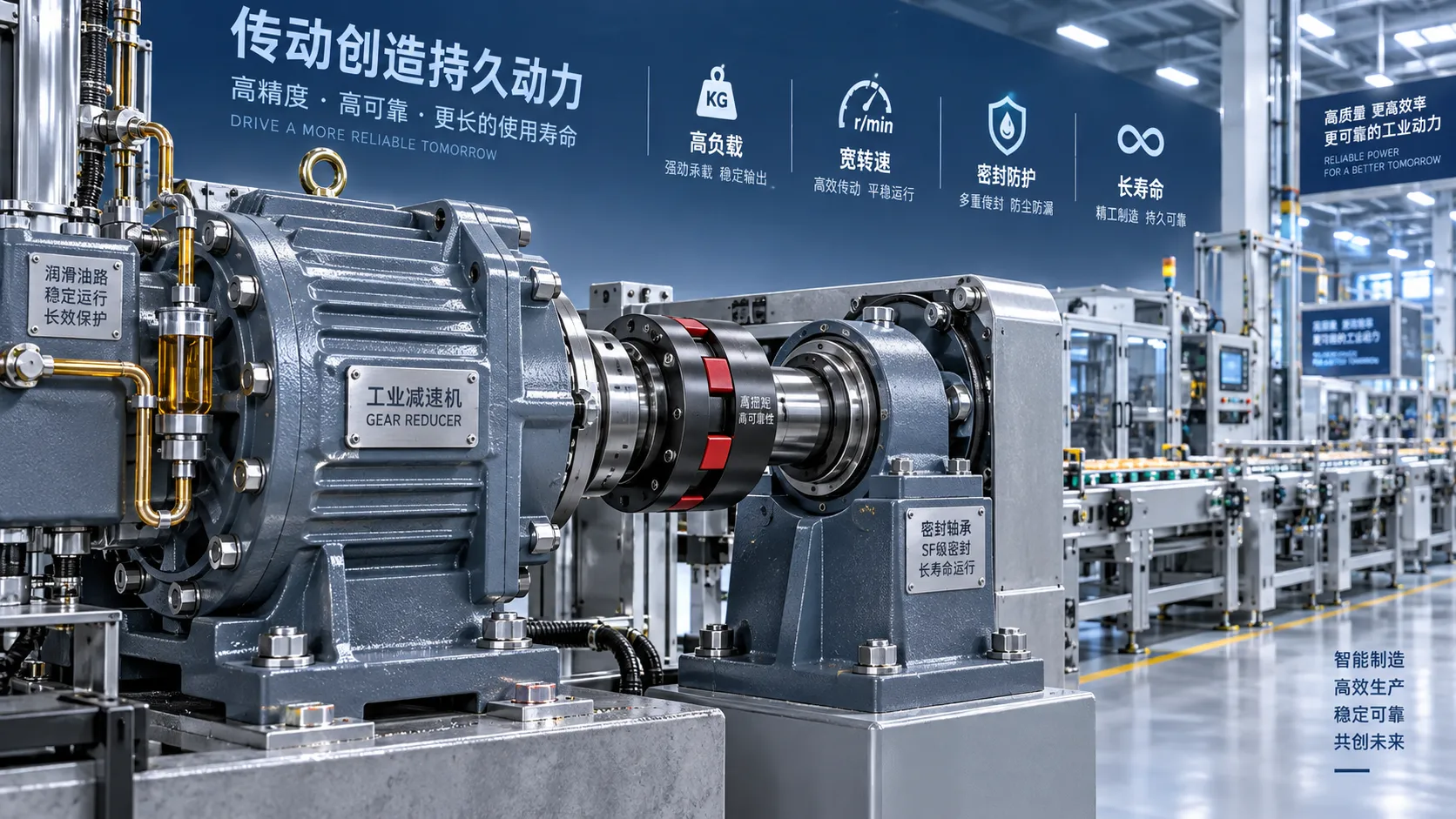
Mechanical Component Selection: Key Criteria for Load, Speed, Environment, and Service Life
Mechanical component selection made practical: evaluate load, speed, environment, lubrication, and service life to improve reliability, reduce downtime, and control lifecycle costs.
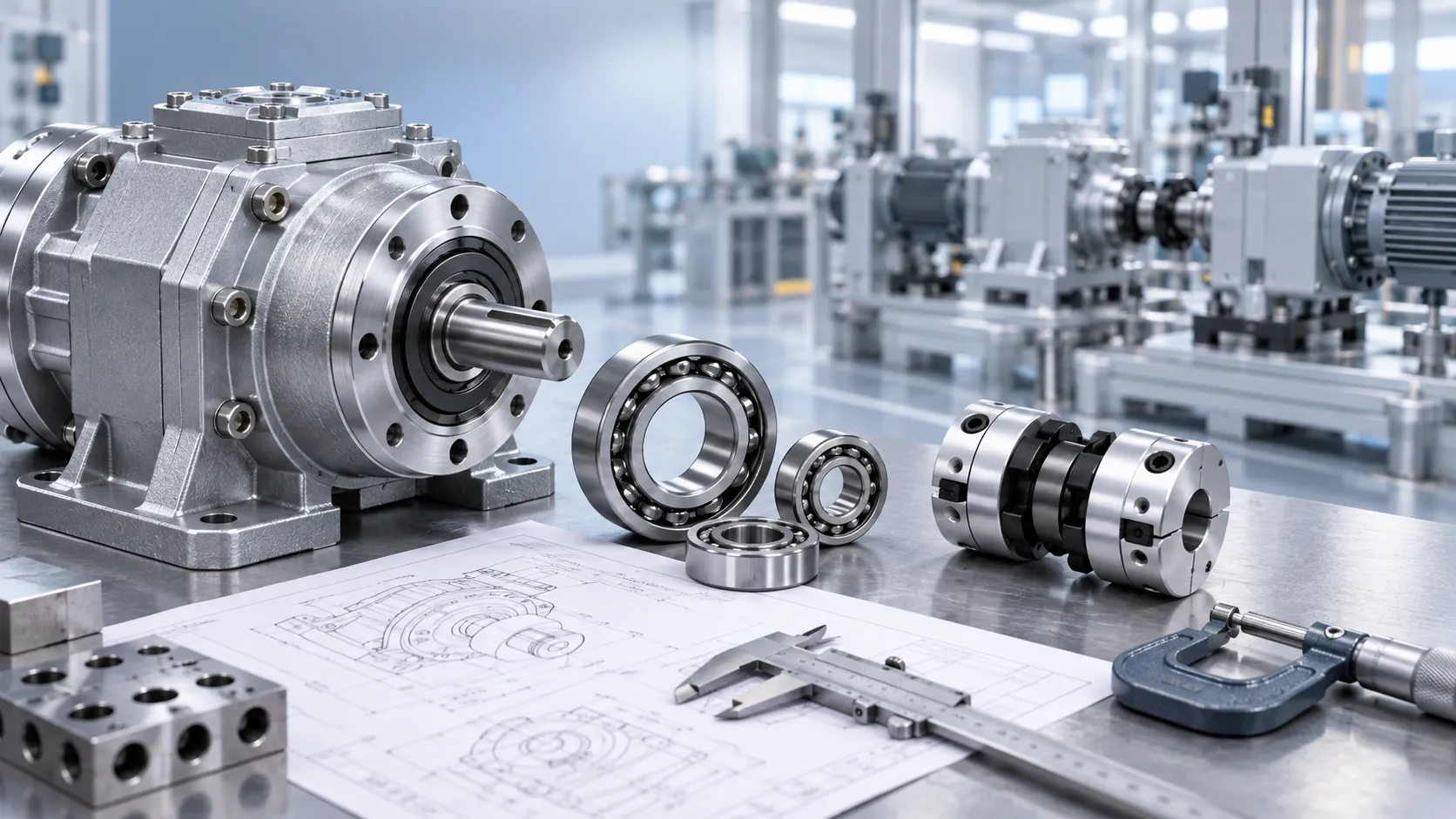
What to Request in Component Specification Resources Before Choosing a Supplier
Industrial component specification resources supplier guide: request drawings, material data, ratings, validation, and change control to choose reliable suppliers and reduce lifecycle risk.
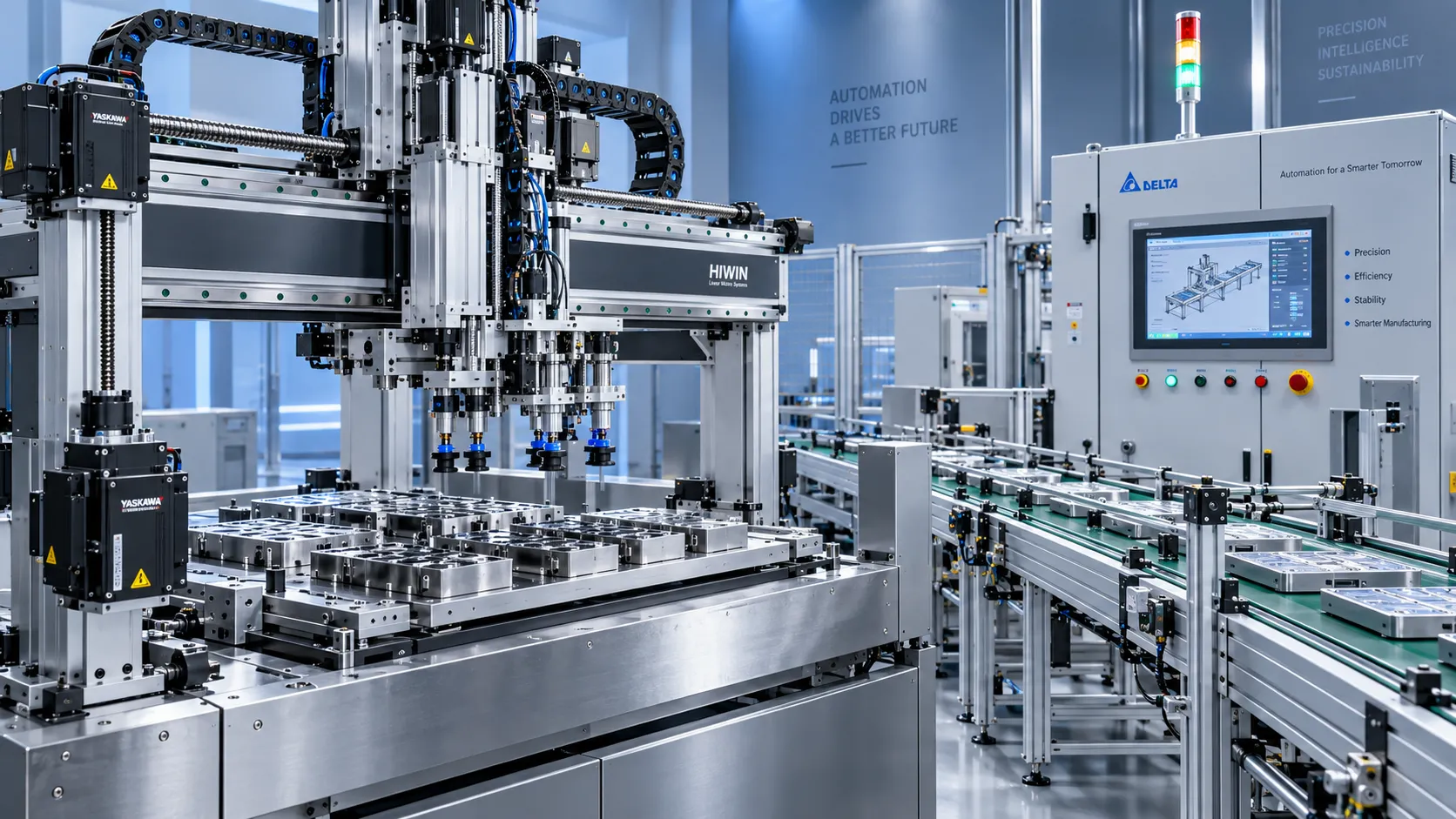
How to Specify Multi-Axis Motion Control for High-Precision Automated Machines
Master multi axis motion control for high-precision automation—optimize synchronization, feedback, mechanics, safety, and lifecycle reliability.
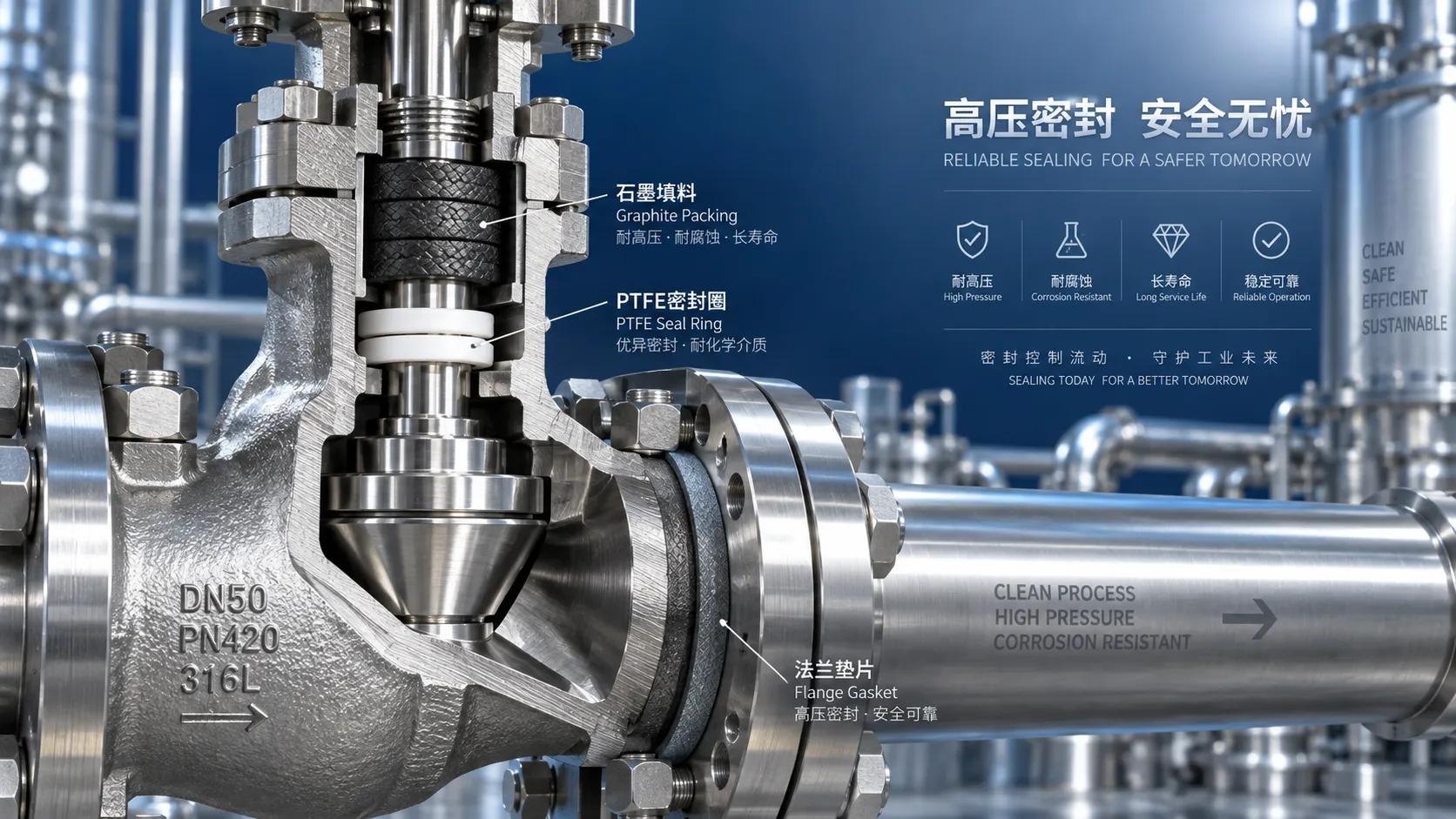
Selecting Valve Sealing Solutions for High-Pressure and Corrosive Service
Industrial sealing solutions for valves: learn how to select reliable systems for high-pressure, corrosive service, control fugitive emissions, and reduce lifecycle leakage risks.
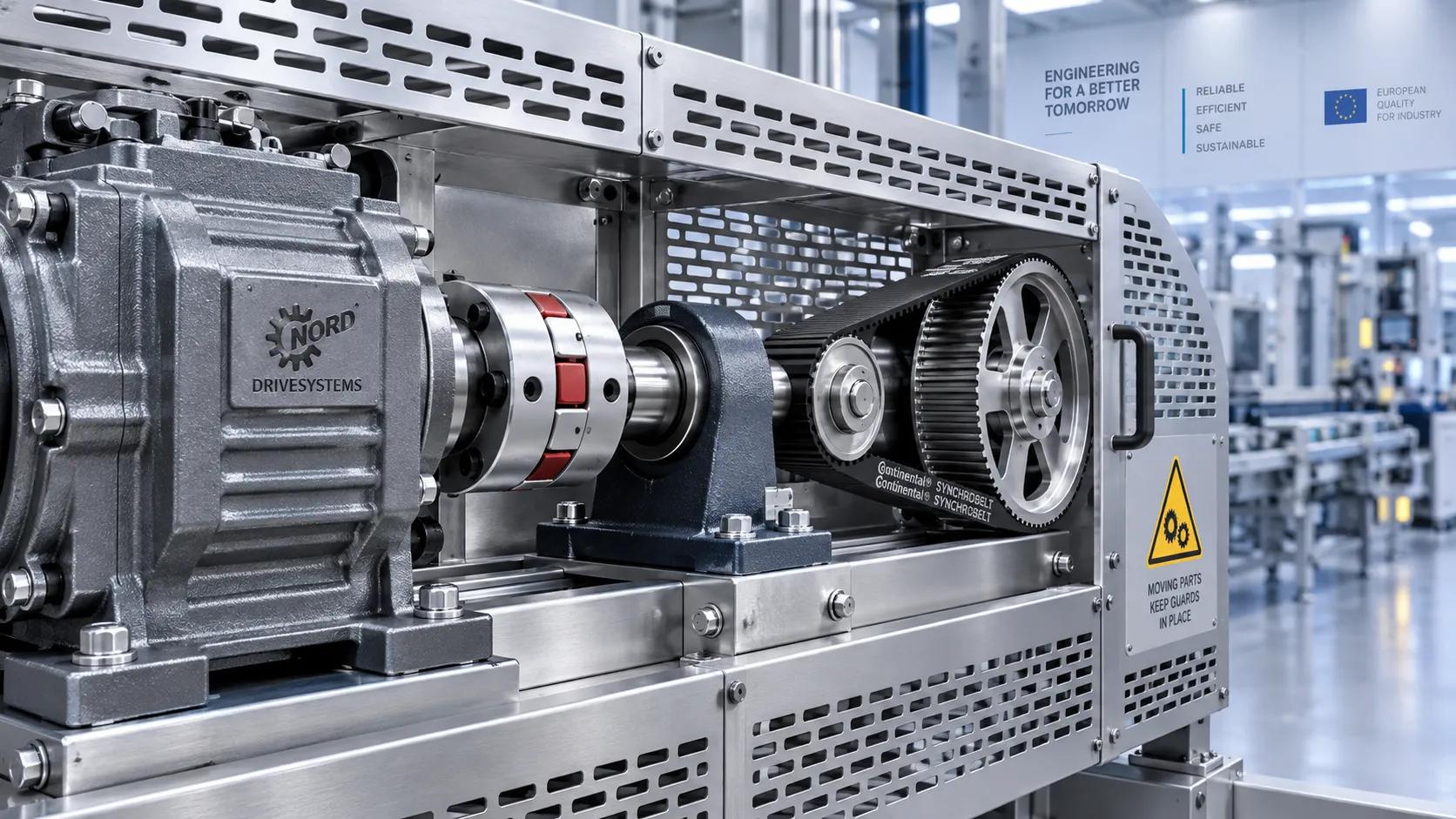
Which European Standards Matter When Specifying Industrial Power Transmission Systems?
Standardized transmission systems Europe: discover the key EN and ISO standards for safer, compliant gear units, belts, couplings, bearings, seals, and ATEX applications.
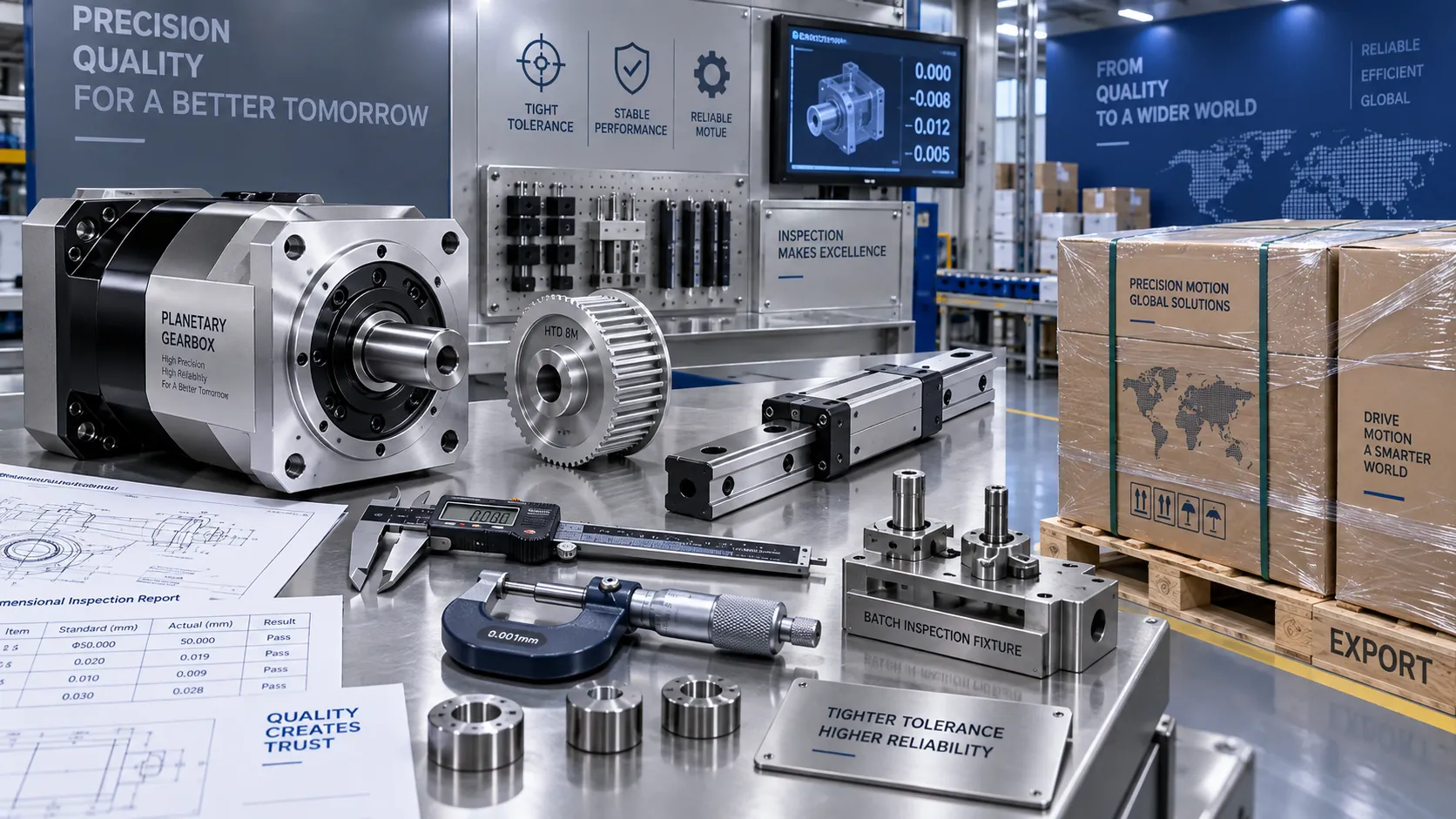
How to Vet a Motion Control Components Exporter for Global OEM Supply?
Motion control components exporter vetting guide for global OEMs: assess quality, traceability, export readiness, landed cost, and supply resilience before you buy.
High-Performance Materials in Europe: Sourcing Criteria for Critical Industrial Applications
High-performance materials Europe: learn how to source critical industrial materials using proven criteria for durability, compliance, traceability, lifecycle cost, and supply resilience.