
Industry News
Curation by industry experts
Hot Articles
- Commercial InsightsHow to Evaluate an Industrial Motion Control Solutions Supplier for Automation Projects
- Commercial InsightsKey Semiconductor Industry Components and Their Roles in Chip Manufacturing
- Chain DrivesMechanical Component Selection: Key Criteria for Load, Speed, Environment, and Service Life
Popular Tags
Industrial Motion Control Problems That Start with Sizing
Many industrial motion control failures do not begin at startup. They begin during selection, when motors, drives, gearboxes, and load assumptions are sized incorrectly.
In modern production systems, sizing errors often stay hidden during installation. They appear later as overheating, unstable positioning, premature wear, unexpected trips, and rising energy consumption.
For industrial motion control, correct sizing is not only an engineering exercise. It directly affects reliability, efficiency, safety margins, maintenance intervals, and lifecycle cost.
This topic matters across general industry, from packaging and conveyors to machine tools, automated handling, pumps, and process lines. Small mismatches can create large operational consequences.
Understanding the warning signs helps operators identify root causes earlier. It also supports better communication between maintenance teams, system integrators, and component suppliers.
Sizing as the Foundation of Industrial Motion Control
Sizing in industrial motion control means matching mechanical demand with motor torque, drive capacity, transmission ratio, inertia, speed range, and duty cycle.
A system may still run when sizing is wrong. However, stable operation, repeatability, and service life usually decline well before total failure becomes visible.
Undersizing is the most obvious risk. It can cause continuous overload, poor acceleration, thermal stress, and nuisance shutdowns during peak production periods.
Oversizing also creates problems. It may increase cost, reduce control sensitivity, waste energy, and introduce mechanical shock because the system responds too aggressively.
In industrial motion control, sizing decisions should reflect real operating conditions, not only nominal values from a nameplate or a simplified catalog selection.
Key factors often missed during sizing
- Peak versus continuous torque demand
- Load inertia changes during product or tooling shifts
- Shock loads from starts, stops, jams, or impact events
- Gearbox efficiency losses and backlash behavior
- Ambient temperature, dust, moisture, and cooling limits
- Actual duty cycle, not idealized laboratory operation
Current Industry Signals Behind Sizing-Related Failures
Sizing mistakes are receiving more attention because industrial motion control systems now operate under higher throughput targets and tighter energy constraints.
Production lines are also becoming more variable. More recipes, more changeovers, and more mixed loads mean fixed assumptions fail faster than before.
These signals show why industrial motion control selection now requires more realistic system modeling. Historical rules of thumb are often no longer enough.
Operational Symptoms That Point Back to Sizing
Daily operation usually reveals sizing problems through patterns, not single events. Repeated minor abnormalities often carry more meaning than one major alarm.
Common warning signs
- Motor current stays near limit during normal production
- Drive trips appear during acceleration or deceleration
- Positioning accuracy drifts as temperature rises
- Gearboxes become noisy after repeated load reversals
- Belts, couplings, or seals wear faster than expected
- Cycle time becomes inconsistent under heavier product loads
- Energy use increases without a matching output gain
In industrial motion control, these symptoms are often misread as component quality issues alone. Yet the deeper cause may be poor torque reserve or inertia matching.
Another clue is repeated parameter adjustment. If tuning must be changed often, the mechanical and electrical sizing foundation may be unstable.
Why Sizing Errors Create Wider Business Impact
Sizing affects more than movement. In industrial motion control, it shapes uptime, spare parts consumption, maintenance planning, and total energy performance.
When a motor is undersized, the drive often compensates by operating near its thermal and current limits. This reduces reserve capacity for upset conditions.
When a gearbox ratio is selected poorly, the system may lose efficiency or struggle with required acceleration. The result can be hidden throughput loss.
When inertia mismatch is ignored, servo stability suffers. The machine may oscillate, overshoot, or require conservative tuning that slows productive output.
In all cases, industrial motion control performance becomes less predictable. That unpredictability increases downtime risk and weakens confidence in process consistency.
Typical cost areas influenced by poor sizing
- Unplanned stoppages and restart delays
- Higher replacement rates for wear components
- Extra engineering time for retuning and troubleshooting
- Elevated electricity consumption over long duty cycles
- Reduced output quality from unstable motion behavior
Typical Industrial Motion Control Scenarios Where Sizing Fails
Sizing-related issues appear across many applications. The failure pattern changes by load type, motion profile, environmental stress, and transmission arrangement.
These examples show that industrial motion control sizing must be application-specific. A successful setup in one machine may fail badly in another.
Practical Checks for Daily Operation and Review
A practical review does not always require a complete redesign. Many sizing issues can be screened through disciplined observation and data comparison.
Useful checks during operation
- Compare actual current with rated and peak values during real production
- Track temperature trends on motors, drives, and gearboxes
- Review acceleration times after tooling or product changes
- Listen for repeated backlash noise or impact at reversals
- Check whether alarms cluster around the same motion segment
- Measure energy use against actual throughput and line speed
If industrial motion control problems appear only under maximum load, the system may be sized too close to its limit. That is a strong warning signal.
If problems appear after warm-up, thermal margin may be insufficient. Nameplate power alone cannot confirm correct sizing under real duty conditions.
A Structured Path for Improvement
Improving industrial motion control performance usually starts with better data, not immediate component replacement. A structured review reduces guesswork and repeat failures.
- Document real load conditions across startup, steady state, and upset events
- Separate continuous torque needs from short peak demands
- Verify gearbox ratio, efficiency, backlash, and service factor assumptions
- Review inertia relationship between motor and driven load
- Confirm thermal limits under actual ambient and enclosure conditions
- Recheck tuning only after mechanical sizing assumptions are validated
Reliable industrial motion control comes from alignment between mechanical transmission logic and electrical control capability. One side cannot compensate forever for the other.
For deeper evaluation of industrial motion control trends, transmission reliability, and component selection logic, GPT-Matrix provides intelligence that links material performance with real operating behavior.
Use maintenance records, alarm history, and load data to identify where sizing assumptions no longer match production reality. That is often the fastest path to better uptime.
Recommended News
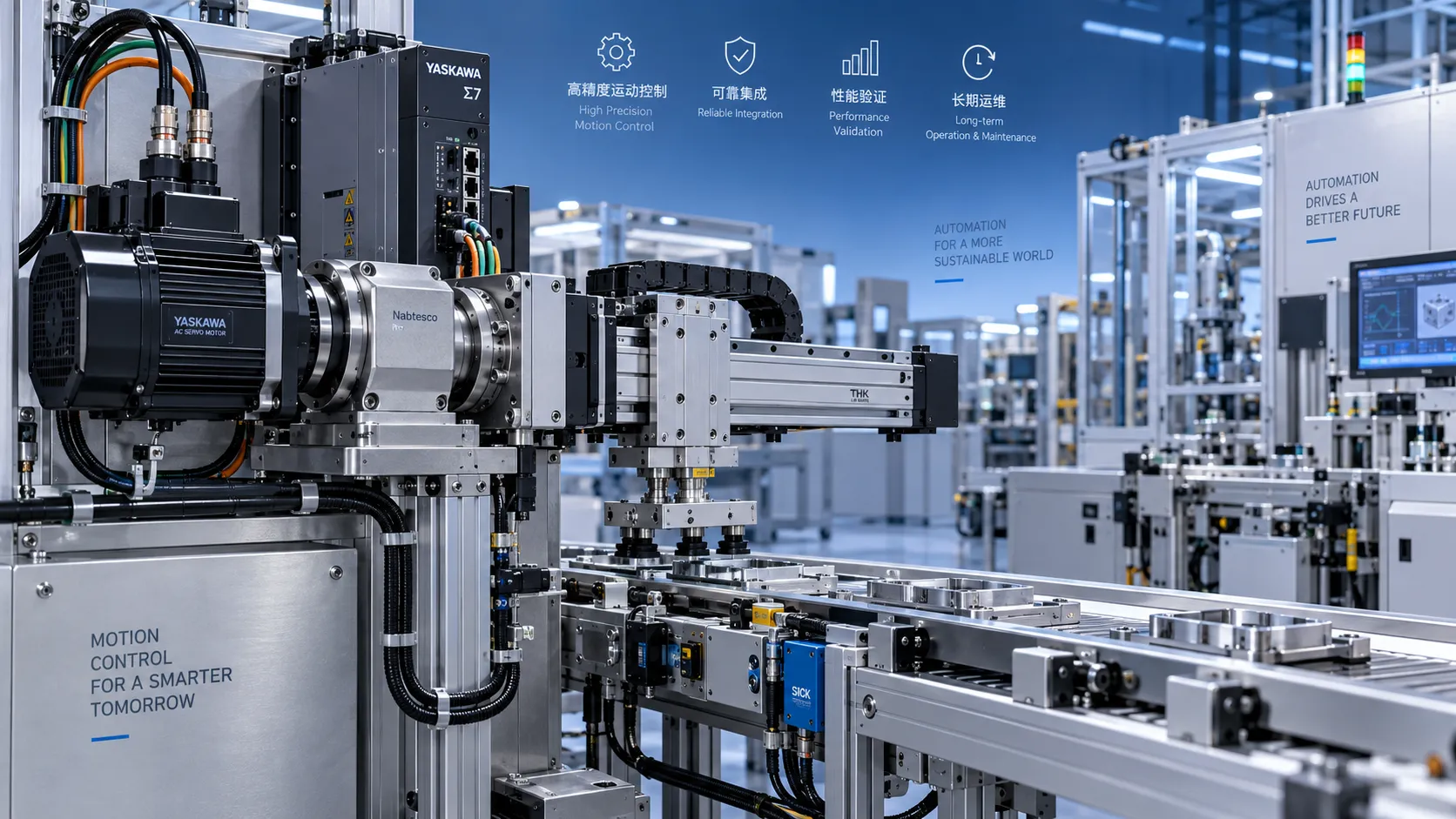
How to Evaluate an Industrial Motion Control Solutions Supplier for Automation Projects
Evaluate an industrial motion control solutions supplier with confidence. Compare sizing, integration, quality, support, and lifecycle value for reliable automation projects.
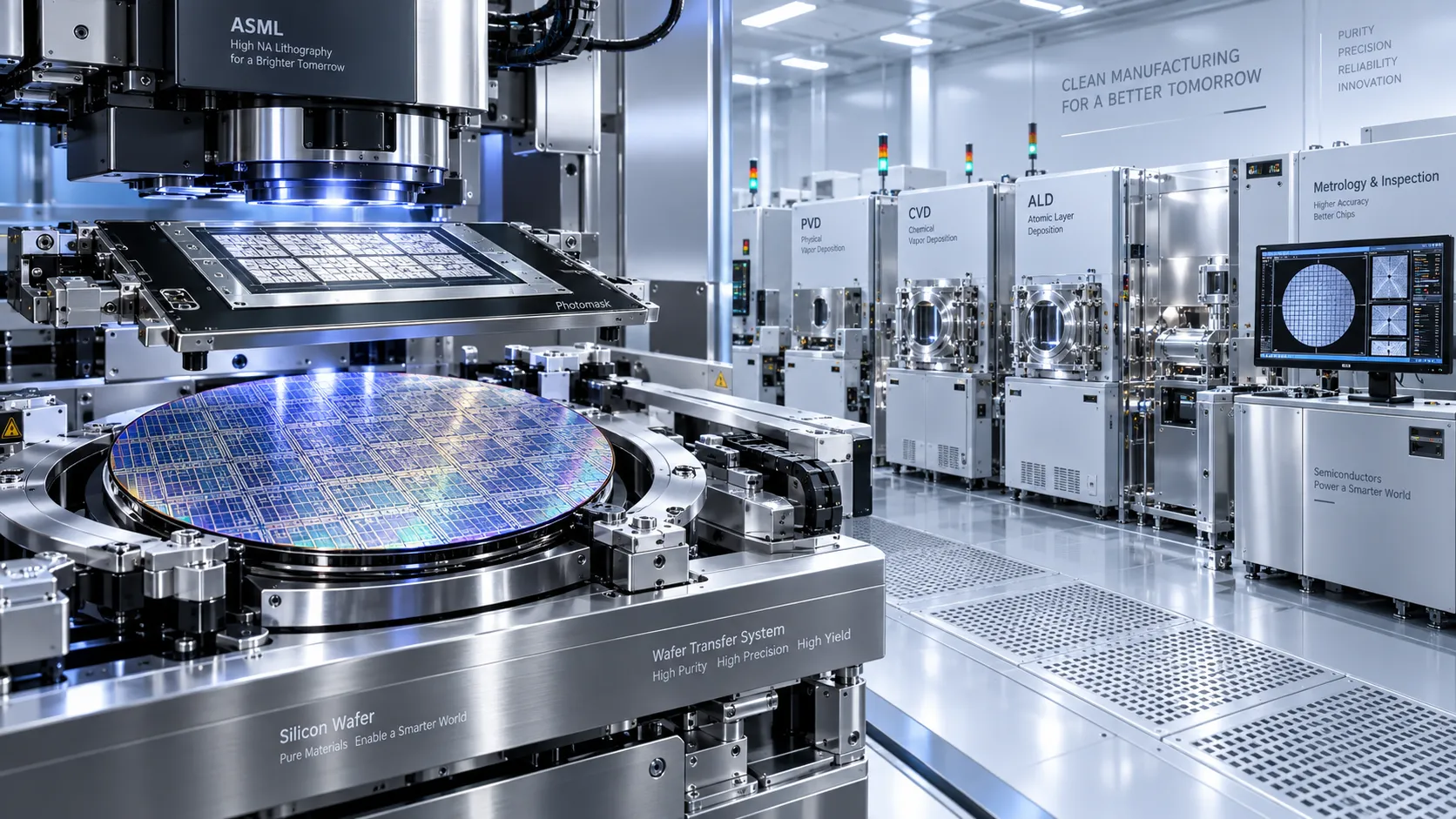
Key Semiconductor Industry Components and Their Roles in Chip Manufacturing
Semiconductor industry components explained: explore wafers, lithography, deposition, etching, packaging, and the critical roles that drive chip quality and yield.
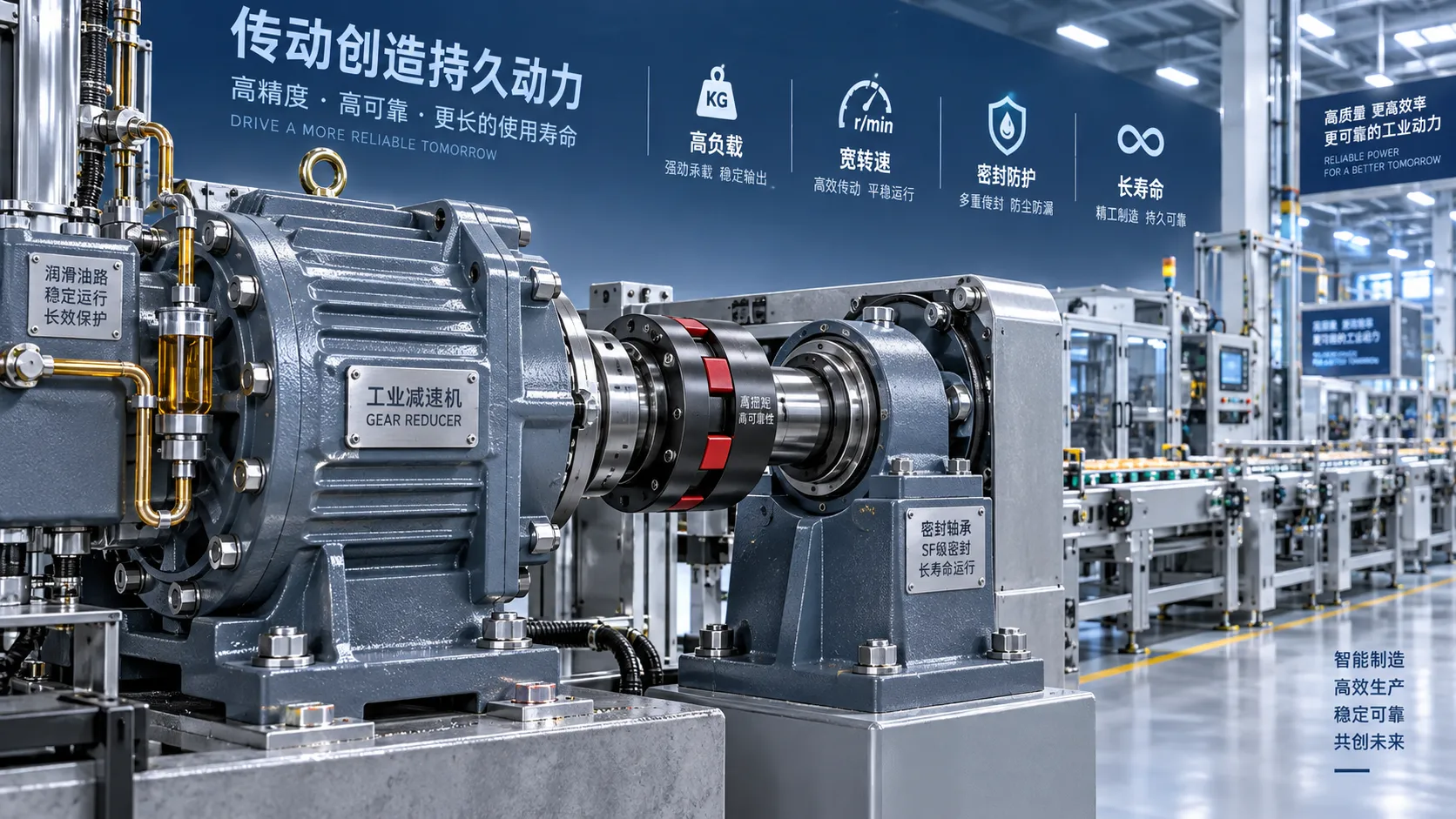
Mechanical Component Selection: Key Criteria for Load, Speed, Environment, and Service Life
Mechanical component selection made practical: evaluate load, speed, environment, lubrication, and service life to improve reliability, reduce downtime, and control lifecycle costs.
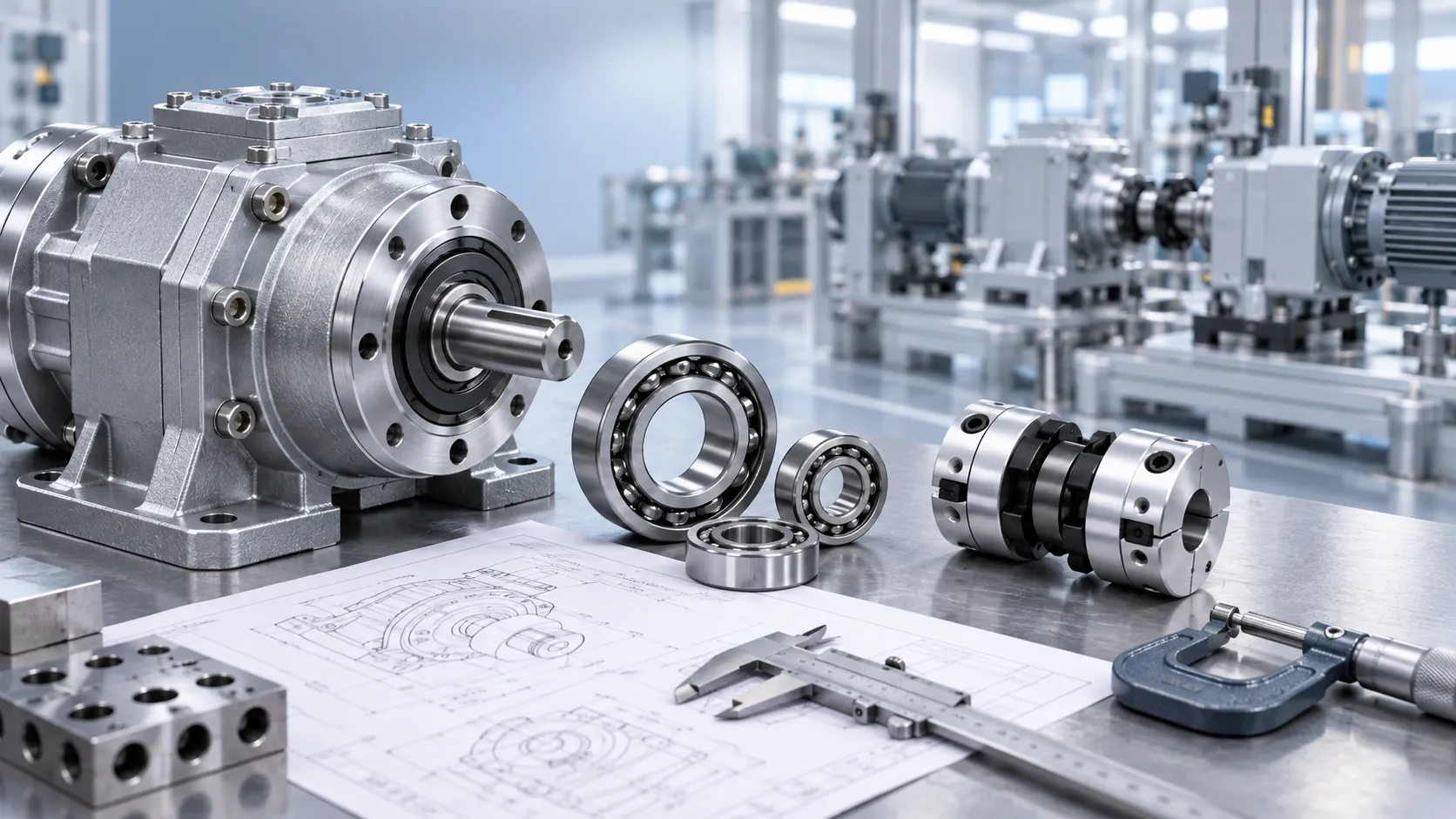
What to Request in Component Specification Resources Before Choosing a Supplier
Industrial component specification resources supplier guide: request drawings, material data, ratings, validation, and change control to choose reliable suppliers and reduce lifecycle risk.
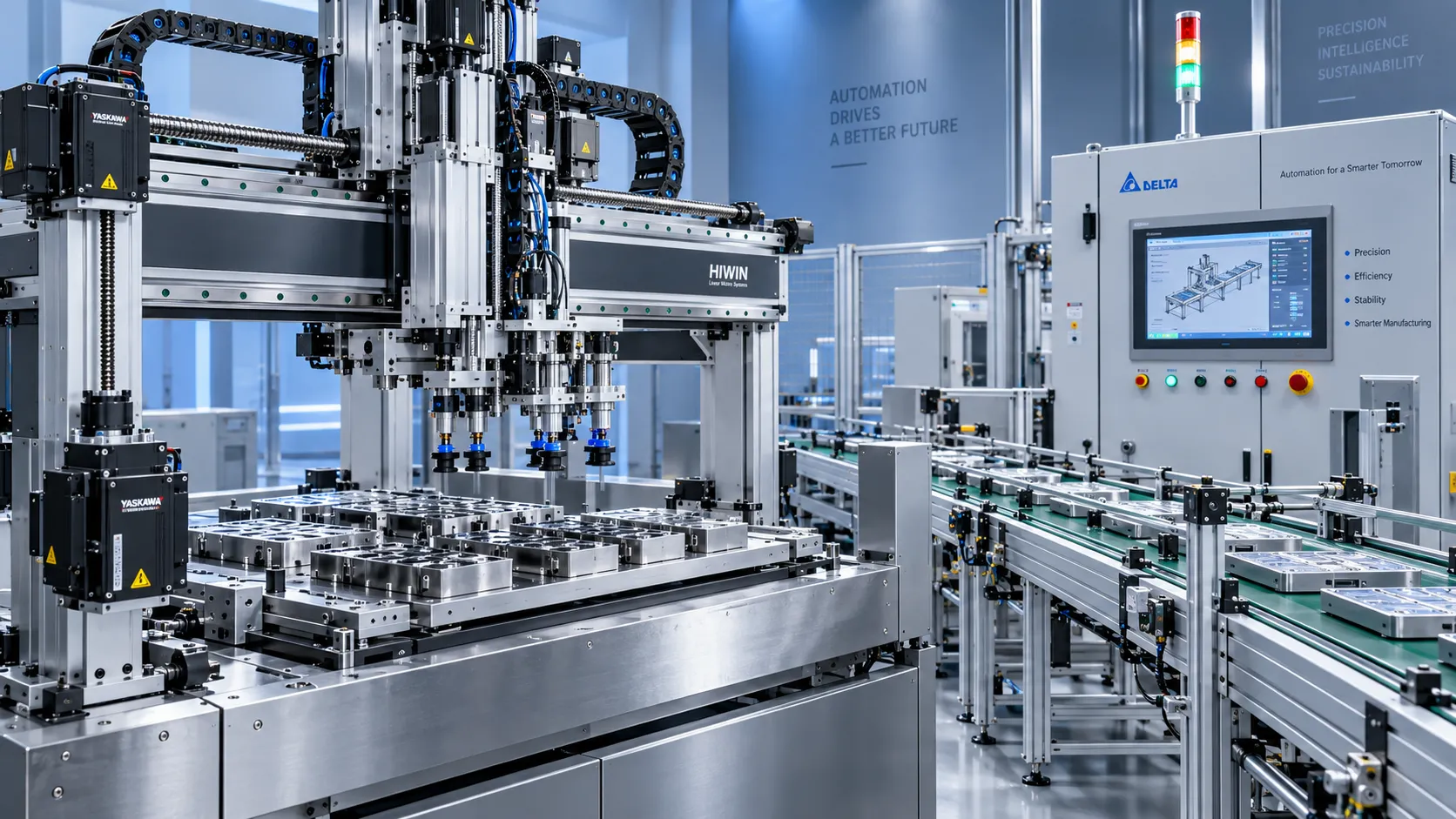
How to Specify Multi-Axis Motion Control for High-Precision Automated Machines
Master multi axis motion control for high-precision automation—optimize synchronization, feedback, mechanics, safety, and lifecycle reliability.
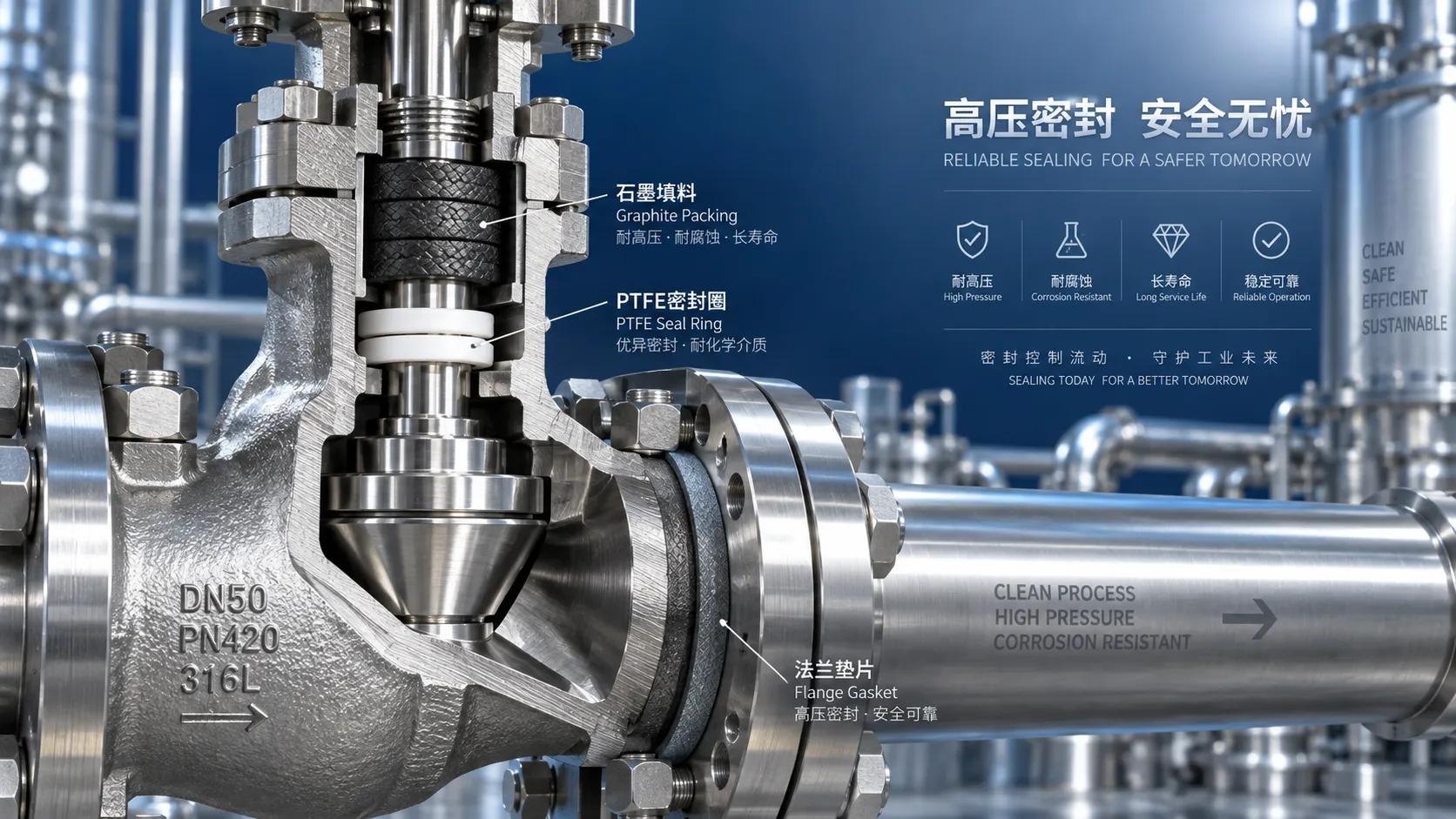
Selecting Valve Sealing Solutions for High-Pressure and Corrosive Service
Industrial sealing solutions for valves: learn how to select reliable systems for high-pressure, corrosive service, control fugitive emissions, and reduce lifecycle leakage risks.
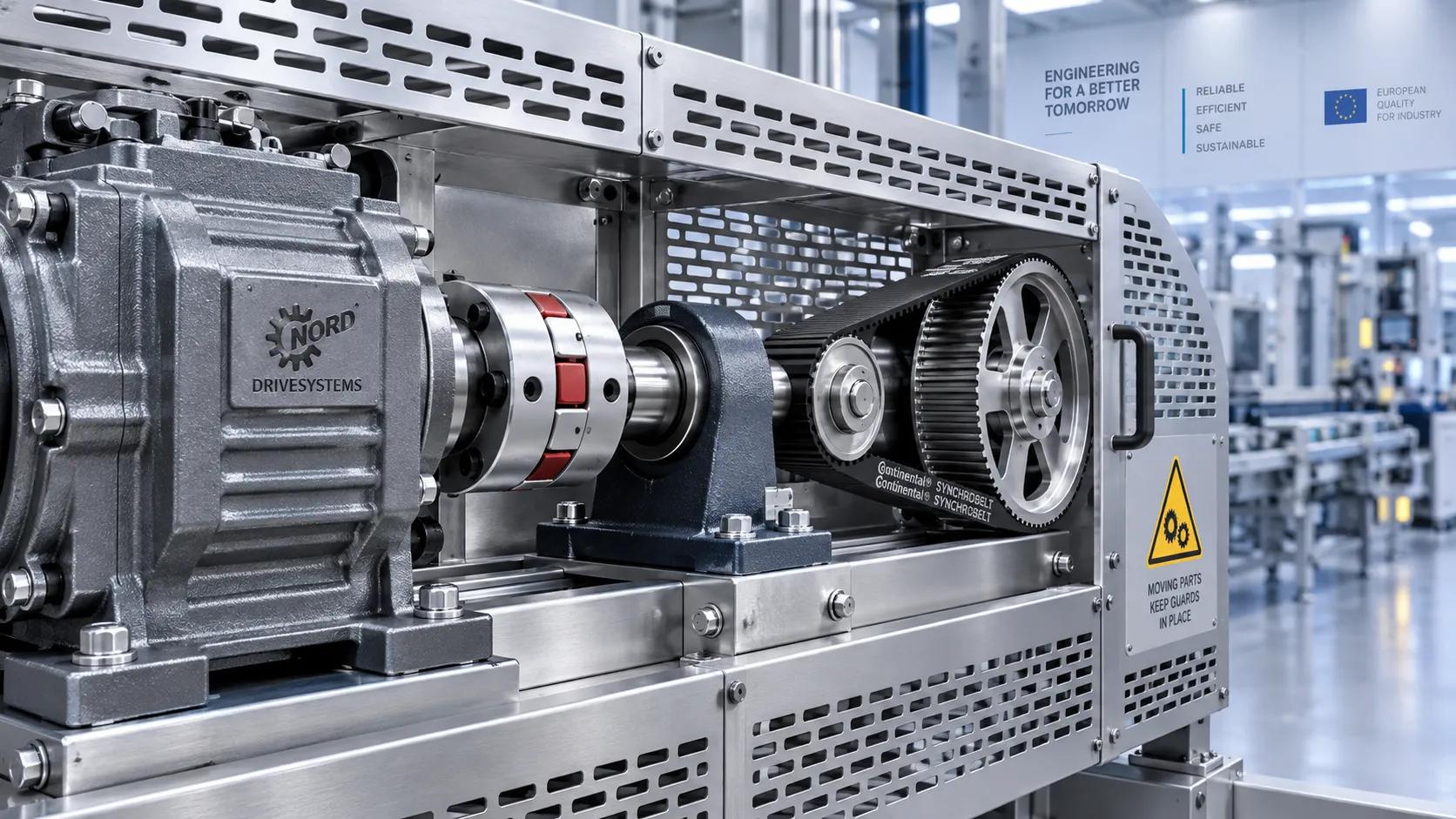
Which European Standards Matter When Specifying Industrial Power Transmission Systems?
Standardized transmission systems Europe: discover the key EN and ISO standards for safer, compliant gear units, belts, couplings, bearings, seals, and ATEX applications.
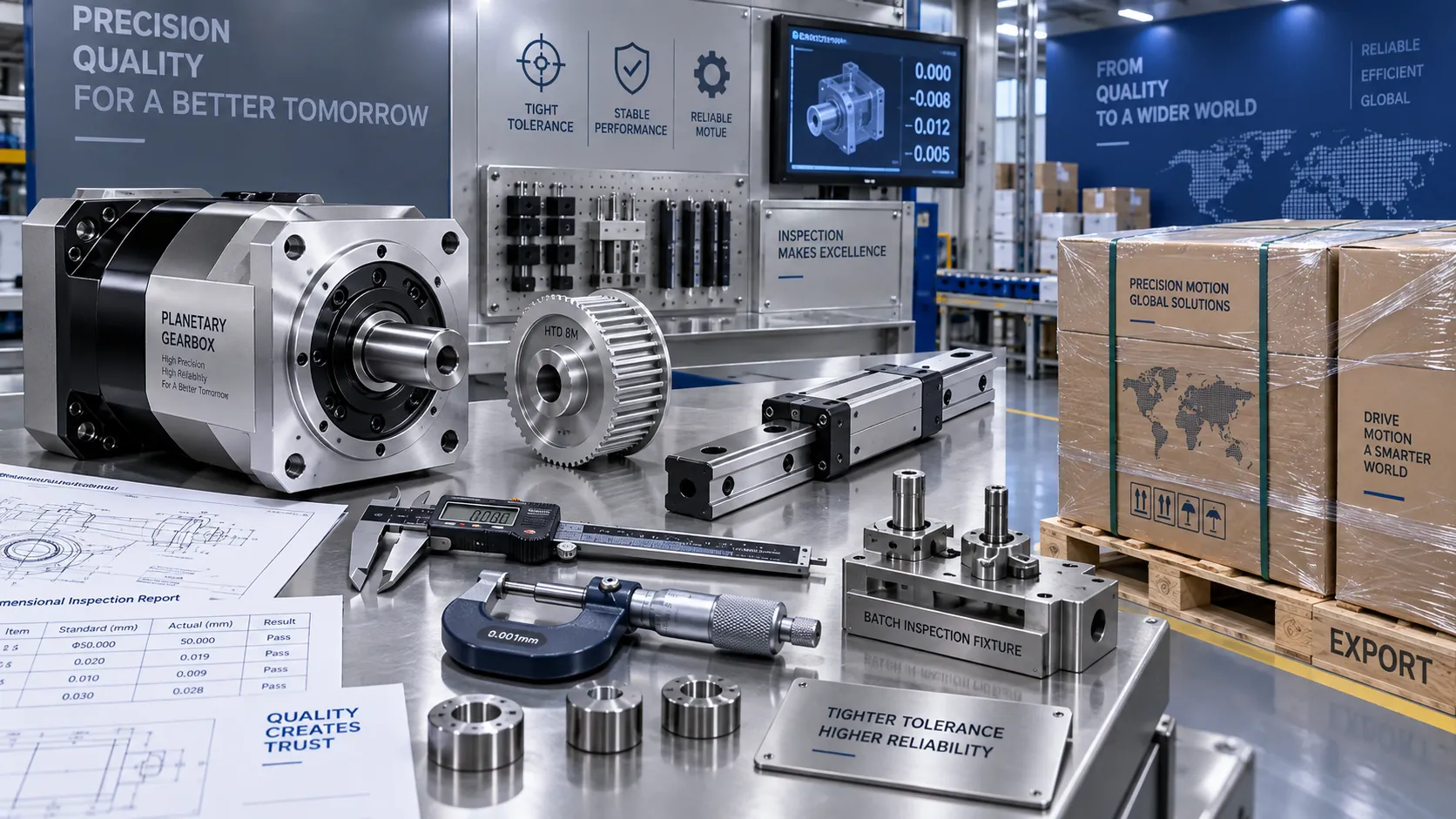
How to Vet a Motion Control Components Exporter for Global OEM Supply?
Motion control components exporter vetting guide for global OEMs: assess quality, traceability, export readiness, landed cost, and supply resilience before you buy.
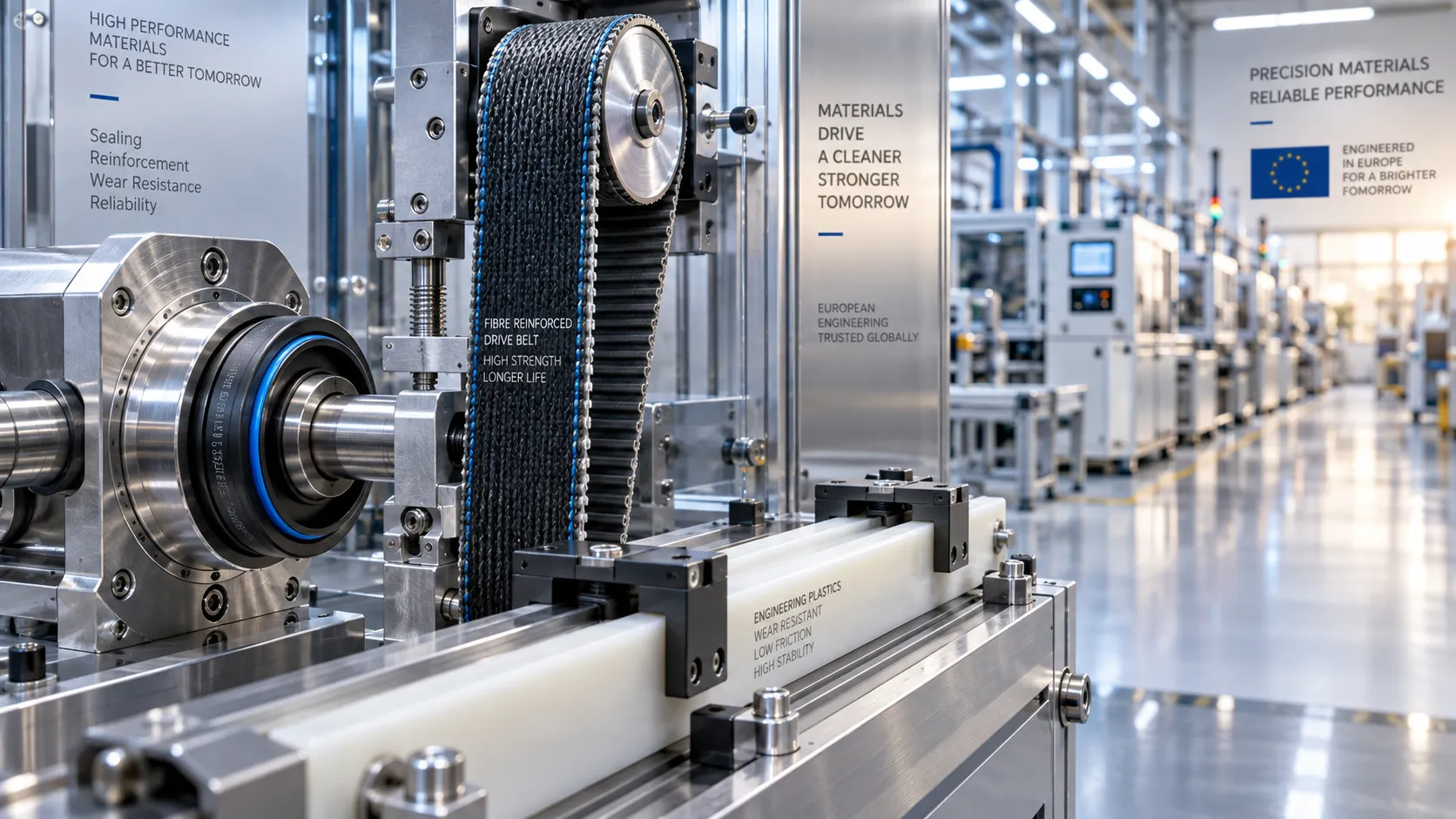
High-Performance Materials in Europe: Sourcing Criteria for Critical Industrial Applications
High-performance materials Europe: learn how to source critical industrial materials using proven criteria for durability, compliance, traceability, lifecycle cost, and supply resilience.