
Industry News
Curation by industry experts
Hot Articles
- Commercial InsightsHow to Evaluate an Industrial Motion Control Solutions Supplier for Automation Projects
- Commercial InsightsKey Semiconductor Industry Components and Their Roles in Chip Manufacturing
- Chain DrivesMechanical Component Selection: Key Criteria for Load, Speed, Environment, and Service Life
Popular Tags
Where Industrial Intelligence Solutions Cut Downtime First
Where do industrial intelligence solutions reduce downtime first? Usually at hidden friction points inside transmission, motion, and sealing systems. Small defects there often trigger expensive stoppages.
For industrial operations, the first gains rarely come from dramatic machine replacement. They come from seeing failure patterns earlier, ranking weak assets faster, and acting before damage spreads.
That is why industrial intelligence solutions now matter across the broader industrial landscape. They connect material behavior, asset condition, maintenance timing, and business risk into one decision framework.
Drawing on the intelligence logic reflected by GPT-Matrix, this article answers the practical questions behind downtime reduction, asset reliability, and mechanical efficiency.
What do industrial intelligence solutions actually target first?
Industrial intelligence solutions usually target the smallest components with the biggest failure leverage. These include belts, couplings, bearings, reducers, shafts, seals, lubrication points, and alignment conditions.
These areas fail quietly. Heat rises slowly. Friction increases gradually. Vibration patterns shift before operators notice obvious production loss.
Because these components connect motion and power, one minor defect can disturb an entire line. A leaking seal may contaminate product. A worn belt may reduce timing accuracy. A misaligned coupling can overload bearings.
Industrial intelligence solutions identify such weak links by combining condition signals with engineering context. Data alone is not enough. The system must understand how transmission logic affects uptime.
The first downtime reductions often appear in three zones:
- Power transmission systems with hidden wear and tension drift
- Motion control assemblies where precision loss creates quality defects
- Critical sealing points exposed to pressure, heat, chemicals, or contamination
This is where the fastest payback appears. A focused intelligence model can prevent shutdowns without waiting for enterprise-wide digital maturity.
Why do power transmission and sealing systems create so much unplanned downtime?
These systems are often underestimated because they seem ordinary. Yet they carry load, speed, torque, synchronization, and environmental protection every minute of operation.
When a power transmission component degrades, the machine may continue running for a while. That delay is dangerous. It hides the developing cost.
A synchronous belt with slight tooth wear may still move product. However, accuracy drops, rework rises, and sudden breakage becomes more likely during peak output periods.
A reducer with lubrication contamination may not stop immediately either. Instead, it creates heat, energy waste, and accelerated gear damage that spreads to nearby assemblies.
Sealing failures are equally costly. Leakage may damage safety, product quality, compliance, and equipment life at the same time.
Industrial intelligence solutions address this risk by revealing failure chains, not just isolated events. They connect root causes such as:
- Improper material selection under heat, abrasion, or chemicals
- Tension, alignment, or lubrication deviations
- Load changes caused by production variation
- Delayed maintenance due to poor visibility
Once those links become visible, downtime reduction becomes systematic rather than reactive.
How do industrial intelligence solutions detect early downtime signals better than routine maintenance?
Routine maintenance follows schedules. Industrial intelligence solutions follow condition, context, and consequence. That is the critical difference.
A time-based inspection may say a component is still within service interval. Yet real operating conditions may have changed weeks ago.
Industrial intelligence solutions process multiple signals together. They may compare vibration, temperature, lubricant condition, energy draw, seal leakage history, and production load patterns.
Then they prioritize assets by business impact. A minor anomaly on a bottleneck machine matters more than the same anomaly on a backup unit.
This approach improves judgment in several ways:
- It catches degradation before visible failure appears
- It separates noise from high-risk patterns
- It supports maintenance timing based on production reality
- It links engineering data with cost exposure
In practical terms, this means fewer unnecessary shutdowns and fewer missed warning signs. The result is not just maintenance efficiency. It is stronger operational reliability.
What data is most useful first?
Start with data that reflects friction, load, motion stability, and leakage behavior. These variables often reveal early mechanical stress before larger failures appear.
Useful starting points include vibration trends, bearing temperature, motor current, lubrication analysis, seal failure history, and replacement interval variance.
Which industrial scenarios benefit first from industrial intelligence solutions?
The strongest early results appear where uptime is critical, components are mechanically interdependent, and replacement decisions affect quality or energy performance.
This applies across many sectors within the general industrial economy. The pattern matters more than the specific label.
In each case, industrial intelligence solutions work best when mechanical data is matched with application context. Generic dashboards alone rarely reduce downtime.
How should industrial intelligence solutions be evaluated before adoption?
The common mistake is evaluating software features first. Downtime reduction depends more on diagnostic relevance than interface variety.
A better approach is to assess whether the solution understands real mechanical failure behavior in your operating environment.
Use the following questions as a decision filter:
- Does it prioritize critical transmission and sealing assets?
- Can it connect material wear with operating conditions?
- Does it support root-cause analysis, not just alarm generation?
- Can it translate signals into maintenance and investment decisions?
- Does it improve visibility across supply risk, energy cost, and reliability trends?
This is where intelligence platforms with deeper sector knowledge add value. GPT-Matrix, for example, reflects a model that links material science, tribology, market signals, and transmission logic.
That perspective matters when deciding between short-life and long-life components, or between lower upfront cost and lower lifecycle risk.
What implementation timeline is realistic?
Early results can appear within one maintenance cycle if the first scope is narrow. Begin with the most failure-prone transmission or sealing assets.
Broader optimization takes longer because it requires historical comparison, alarm tuning, and cross-functional review of asset criticality.
What risks and misconceptions limit the value of industrial intelligence solutions?
One misconception is that more sensors automatically mean better insight. Without mechanical interpretation, data volume can increase confusion instead of preventing downtime.
Another risk is treating all assets equally. Industrial intelligence solutions create value when they focus on the highest-cost failure paths first.
There is also a tendency to ignore external variables. Energy price shifts, raw material volatility, and parts availability can change the best maintenance strategy.
To avoid weak results, watch for these warning signs:
- No clear map of critical power transmission assets
- No baseline for seal, belt, or reducer failure modes
- Alarms without action thresholds or economic context
- No process for converting intelligence into maintenance timing
Industrial intelligence solutions succeed when they sharpen action. They fail when they remain isolated from maintenance, engineering, and supply decisions.
FAQ summary: where should action start?
Downtime rarely begins with the most visible machine failure. It usually starts earlier, in overlooked mechanical interfaces where friction, misalignment, material fatigue, and sealing loss quietly build risk.
Industrial intelligence solutions help expose those weak points first. They transform scattered condition signals into clear maintenance priorities, better component choices, and stronger uptime strategy.
The most practical next step is simple. Identify one critical transmission or sealing system, gather its failure history, and evaluate where intelligence can prevent the next avoidable stop.
With the right intelligence model, mechanical efficiency becomes measurable, downtime becomes more predictable, and reliability turns into a durable competitive advantage.
Recommended News
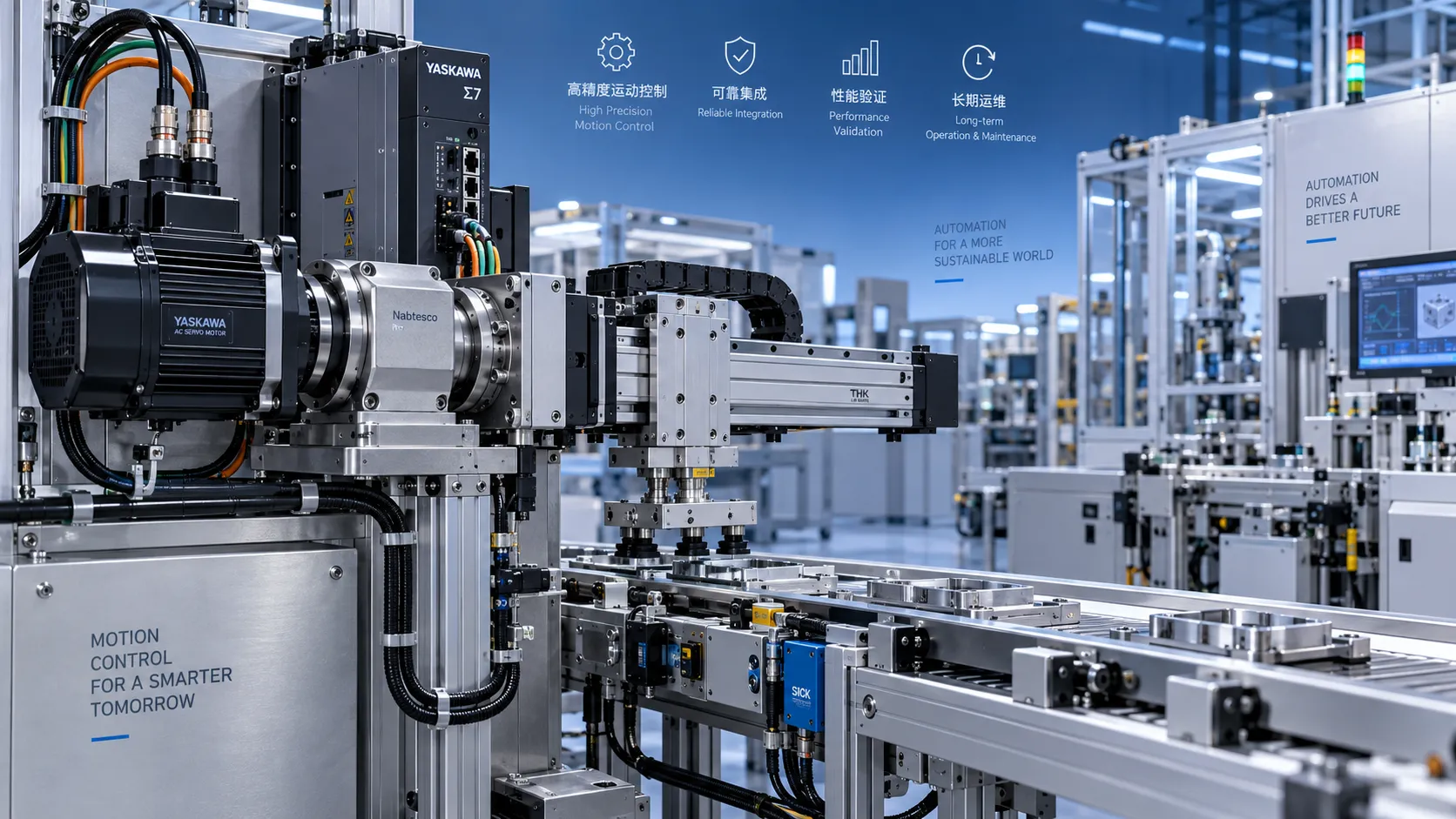
How to Evaluate an Industrial Motion Control Solutions Supplier for Automation Projects
Evaluate an industrial motion control solutions supplier with confidence. Compare sizing, integration, quality, support, and lifecycle value for reliable automation projects.
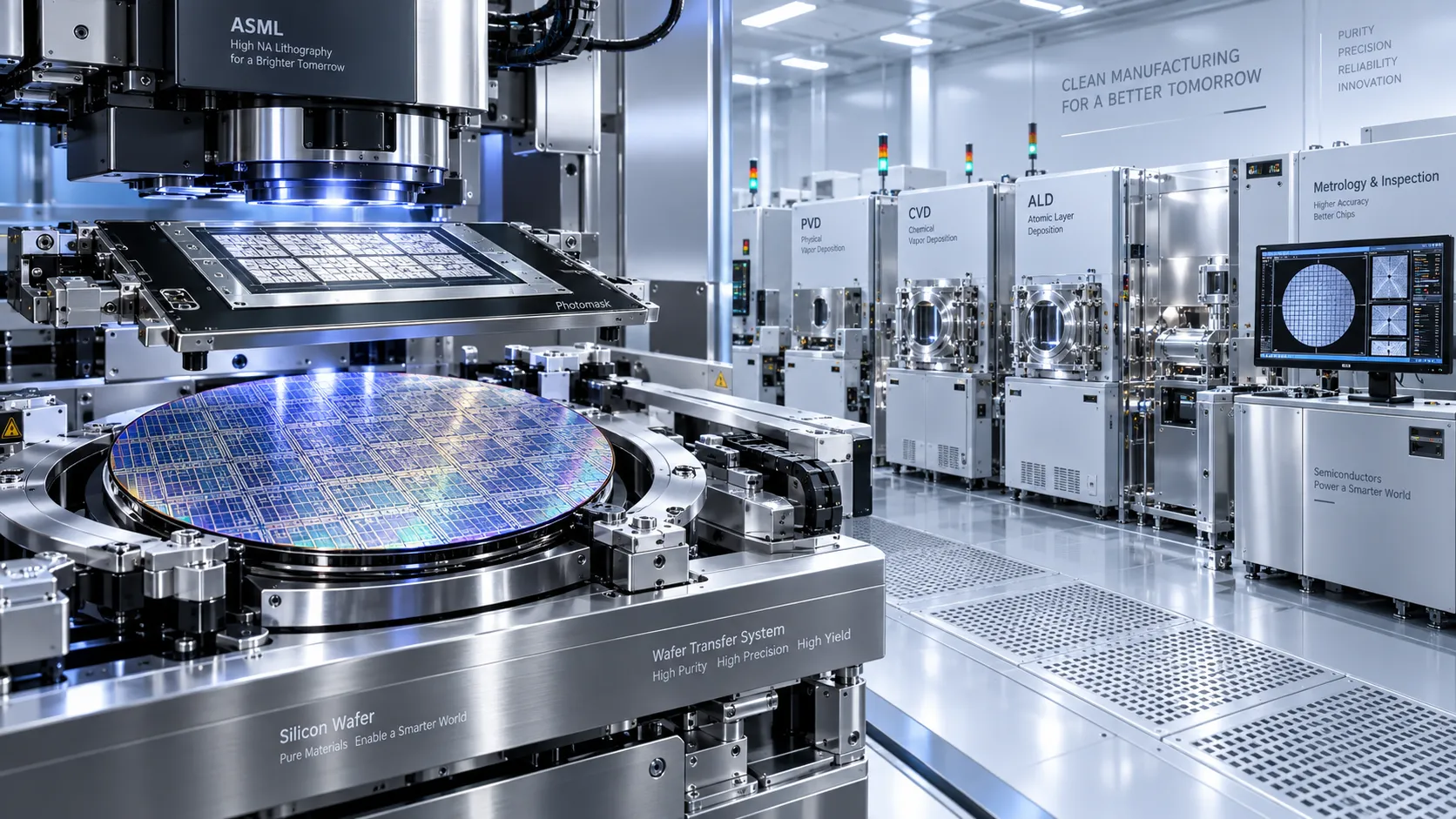
Key Semiconductor Industry Components and Their Roles in Chip Manufacturing
Semiconductor industry components explained: explore wafers, lithography, deposition, etching, packaging, and the critical roles that drive chip quality and yield.
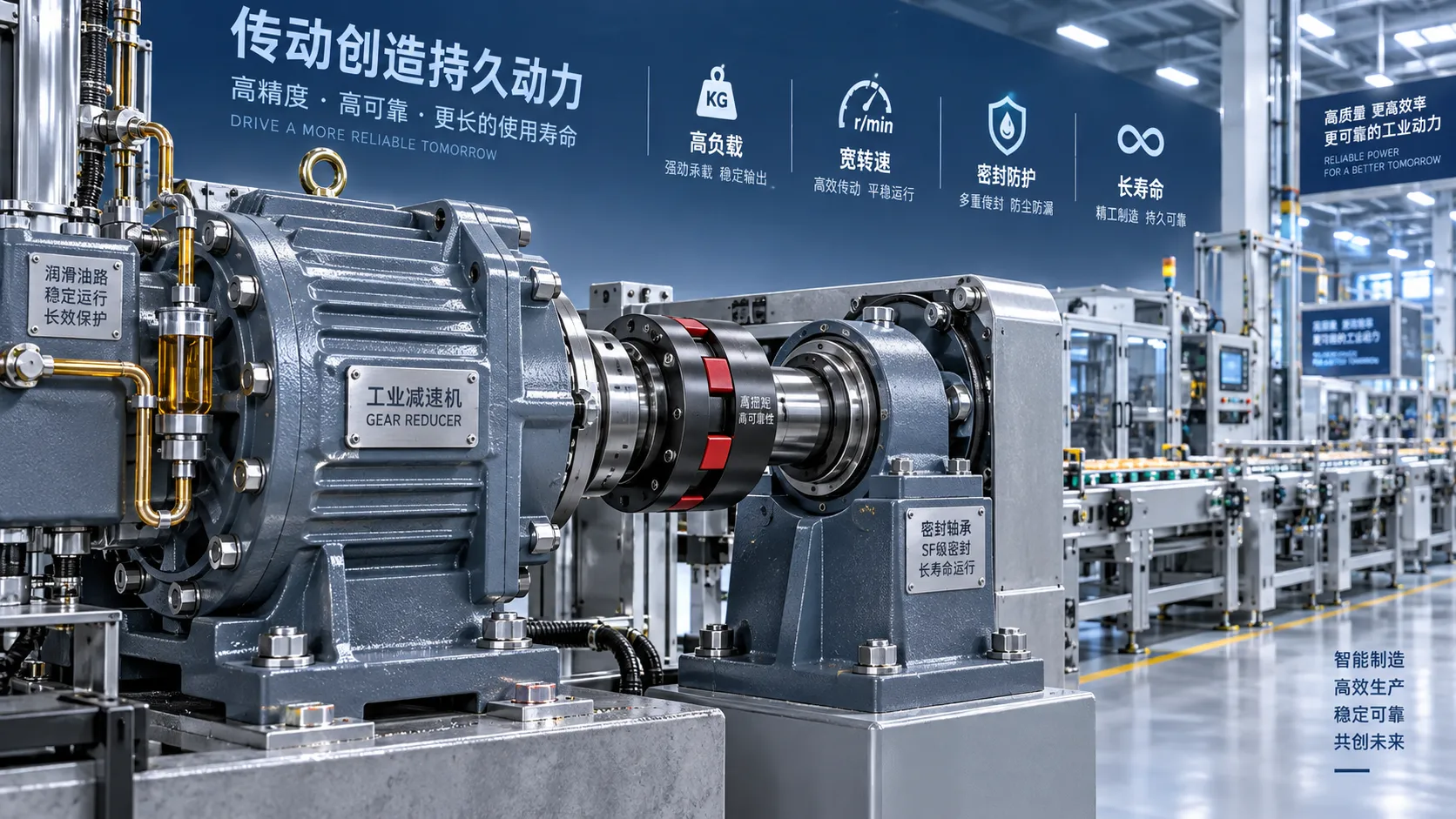
Mechanical Component Selection: Key Criteria for Load, Speed, Environment, and Service Life
Mechanical component selection made practical: evaluate load, speed, environment, lubrication, and service life to improve reliability, reduce downtime, and control lifecycle costs.
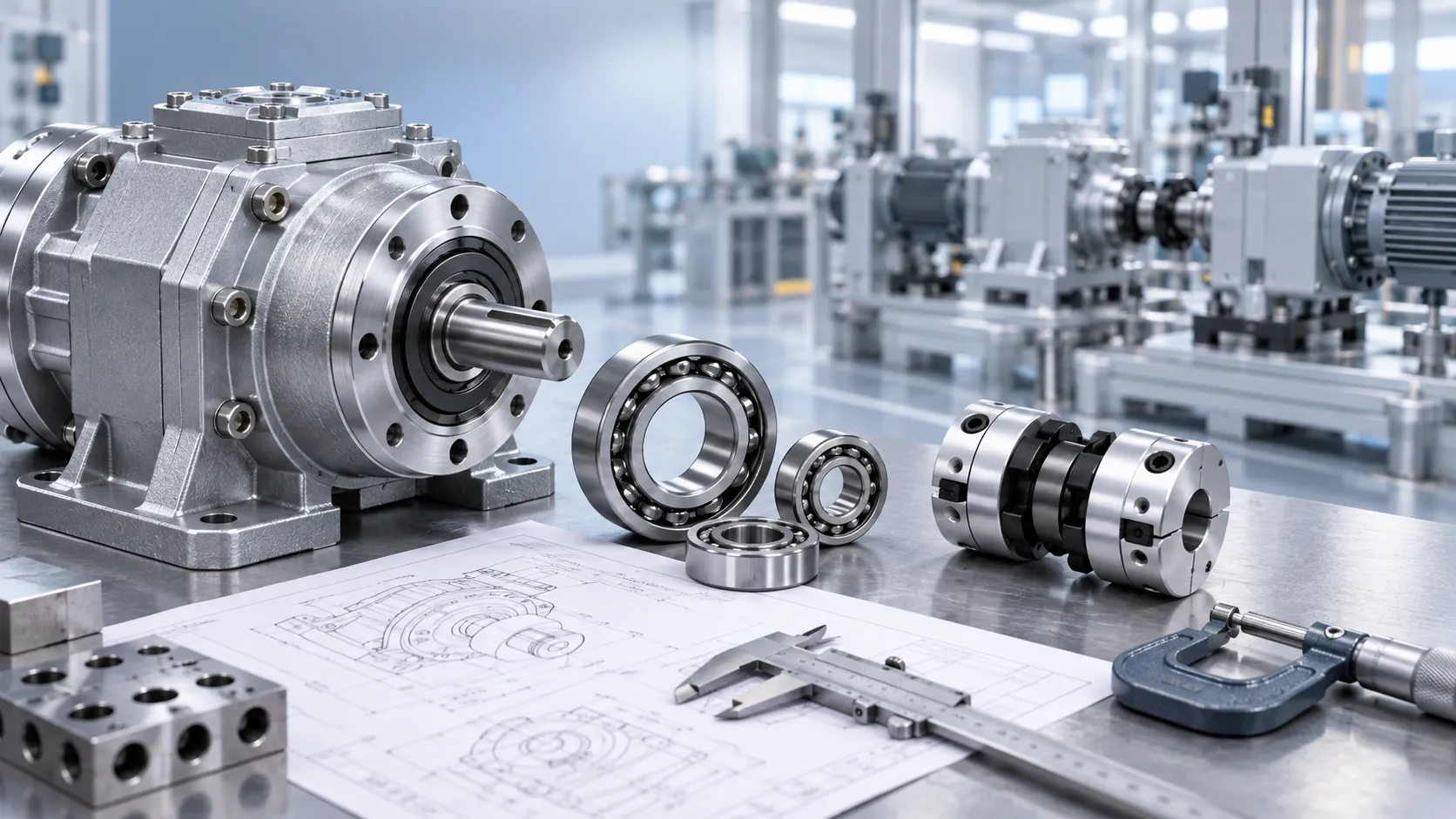
What to Request in Component Specification Resources Before Choosing a Supplier
Industrial component specification resources supplier guide: request drawings, material data, ratings, validation, and change control to choose reliable suppliers and reduce lifecycle risk.
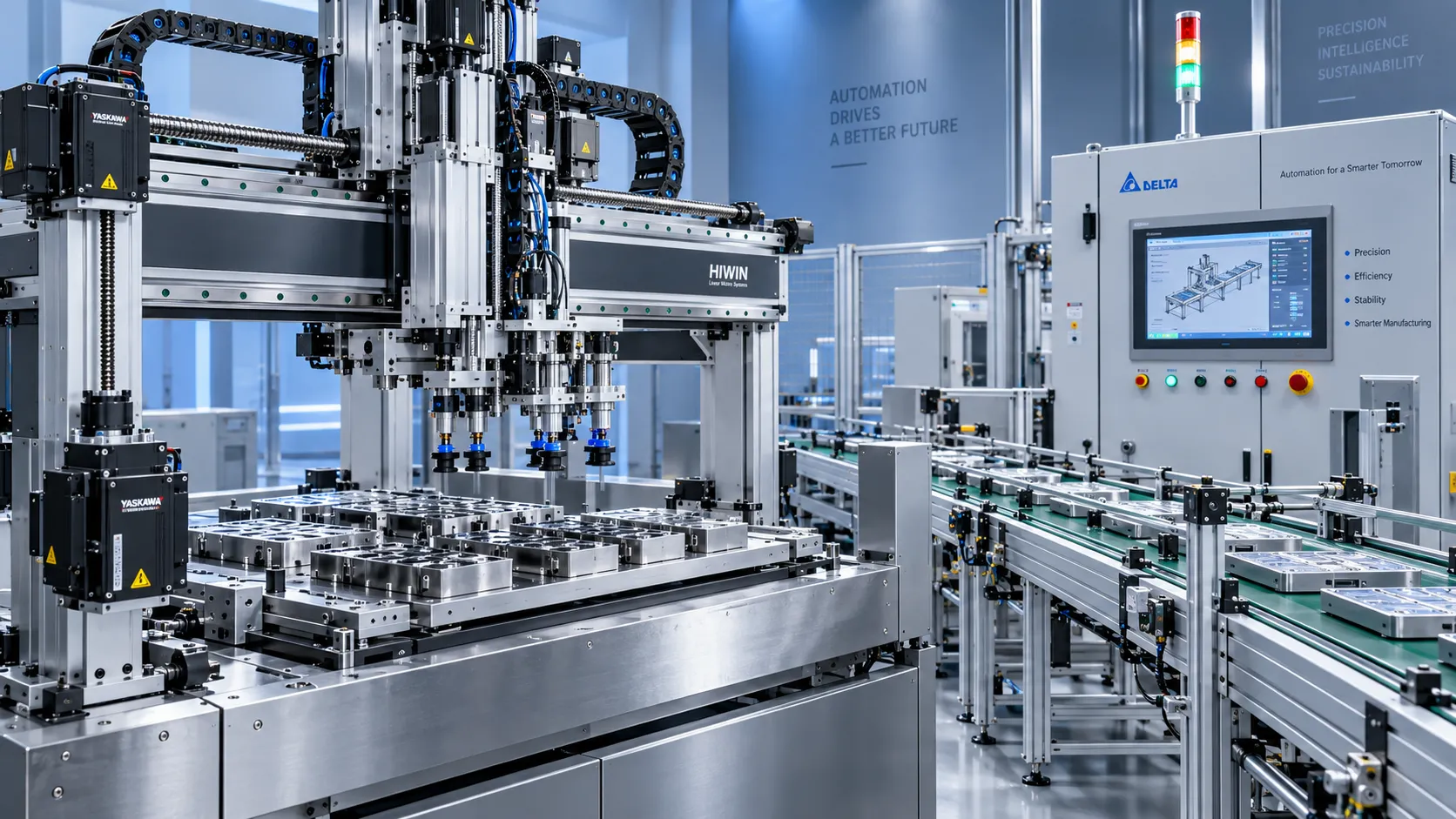
How to Specify Multi-Axis Motion Control for High-Precision Automated Machines
Master multi axis motion control for high-precision automation—optimize synchronization, feedback, mechanics, safety, and lifecycle reliability.
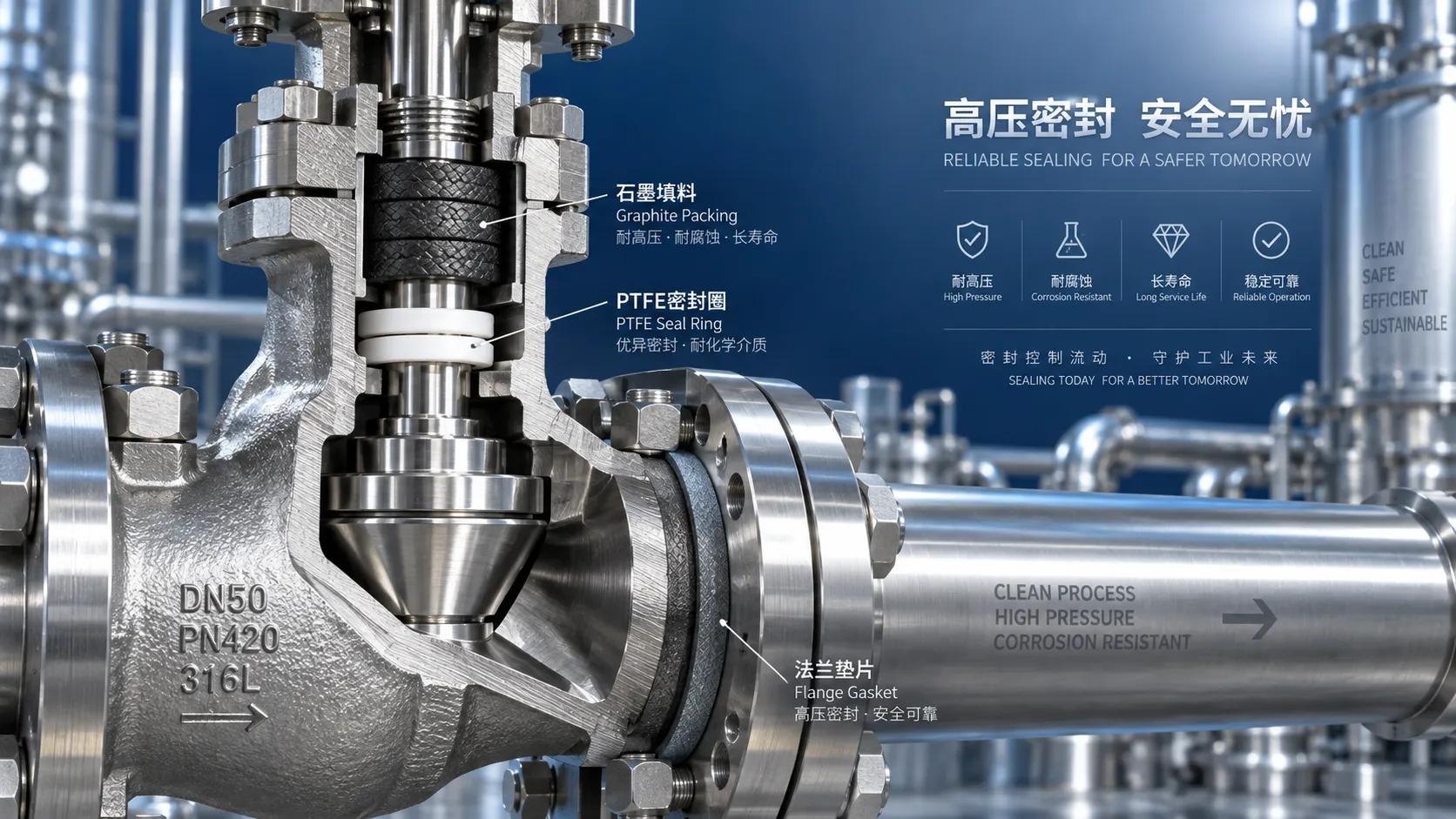
Selecting Valve Sealing Solutions for High-Pressure and Corrosive Service
Industrial sealing solutions for valves: learn how to select reliable systems for high-pressure, corrosive service, control fugitive emissions, and reduce lifecycle leakage risks.
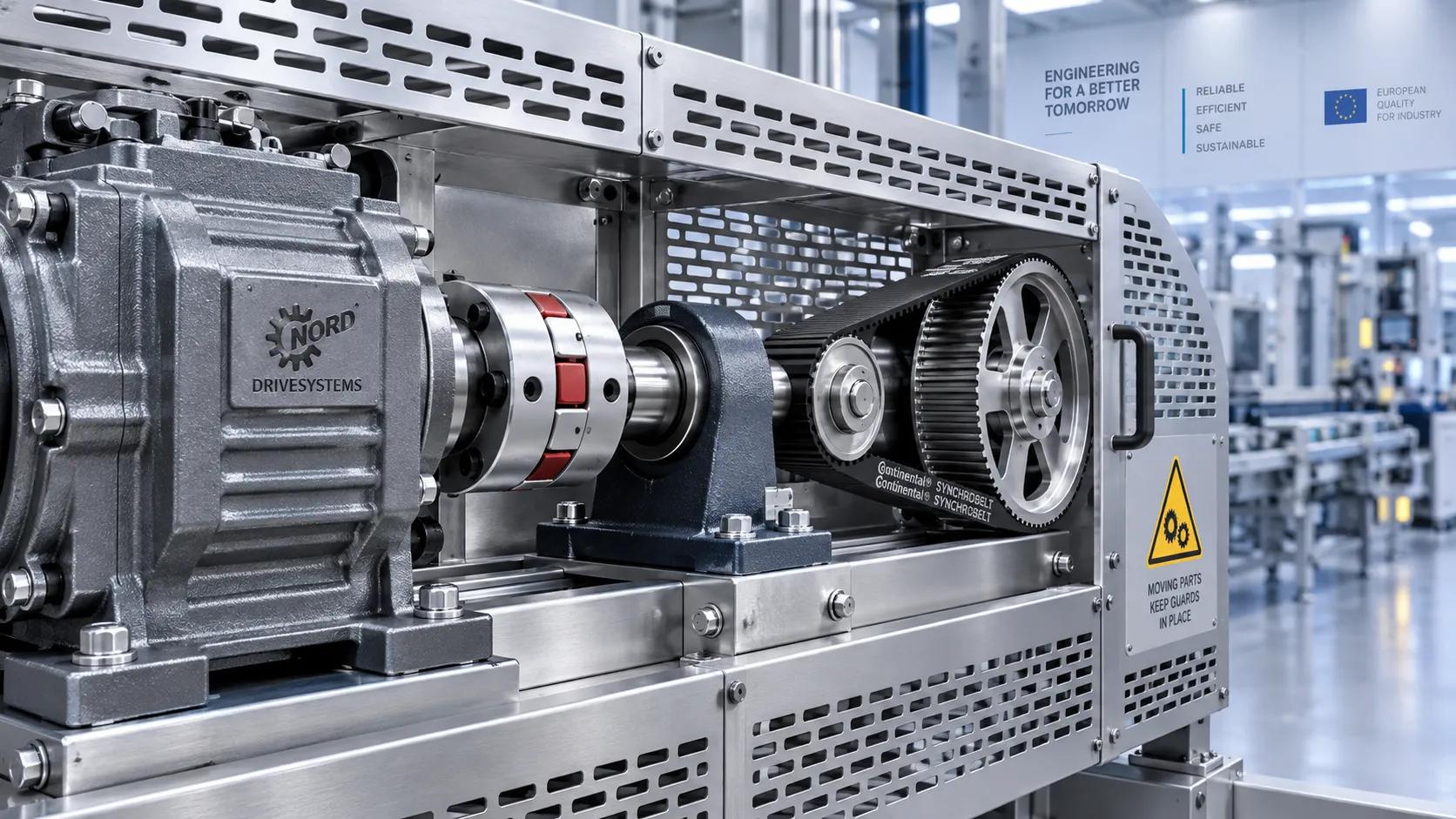
Which European Standards Matter When Specifying Industrial Power Transmission Systems?
Standardized transmission systems Europe: discover the key EN and ISO standards for safer, compliant gear units, belts, couplings, bearings, seals, and ATEX applications.
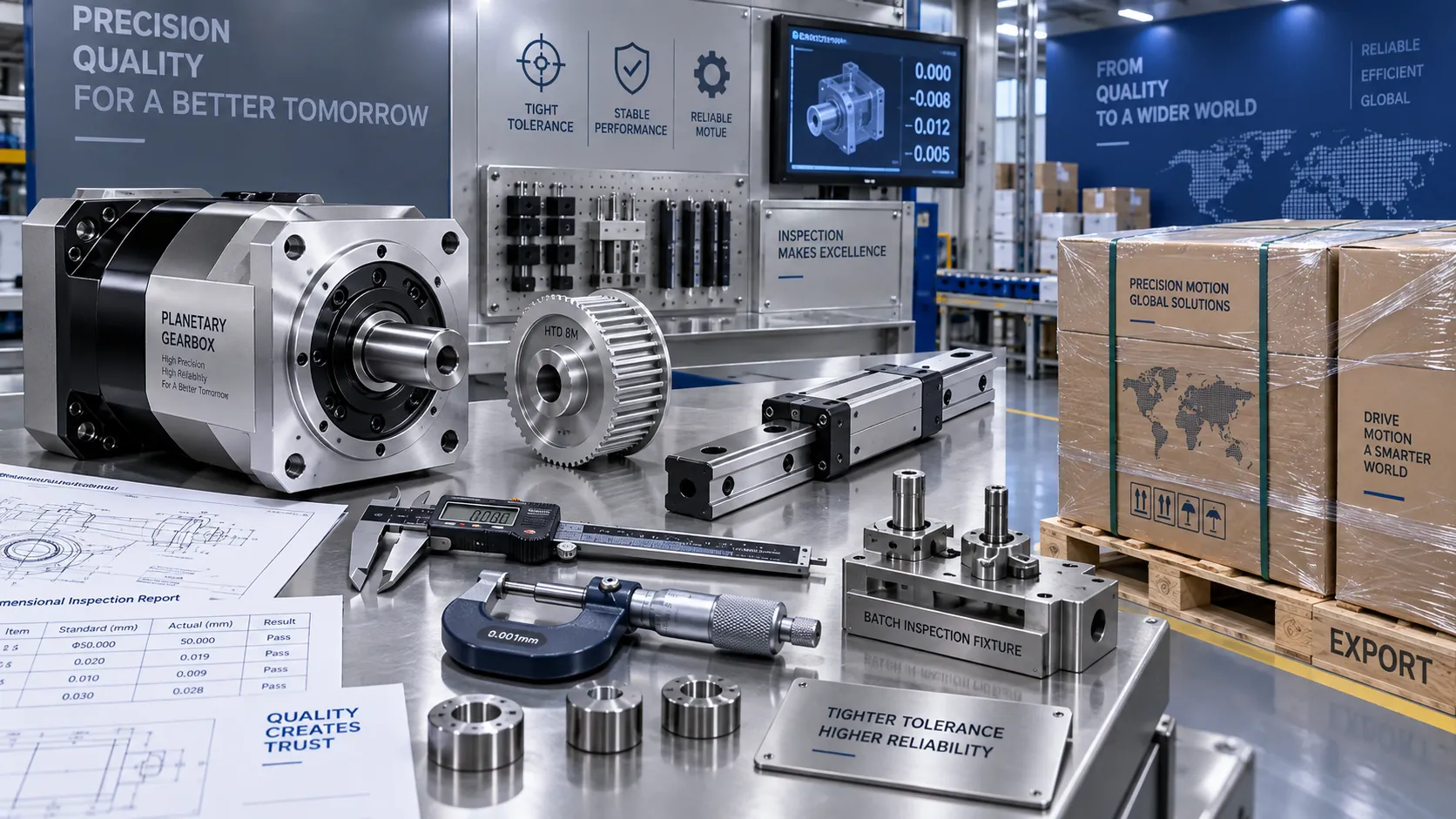
How to Vet a Motion Control Components Exporter for Global OEM Supply?
Motion control components exporter vetting guide for global OEMs: assess quality, traceability, export readiness, landed cost, and supply resilience before you buy.
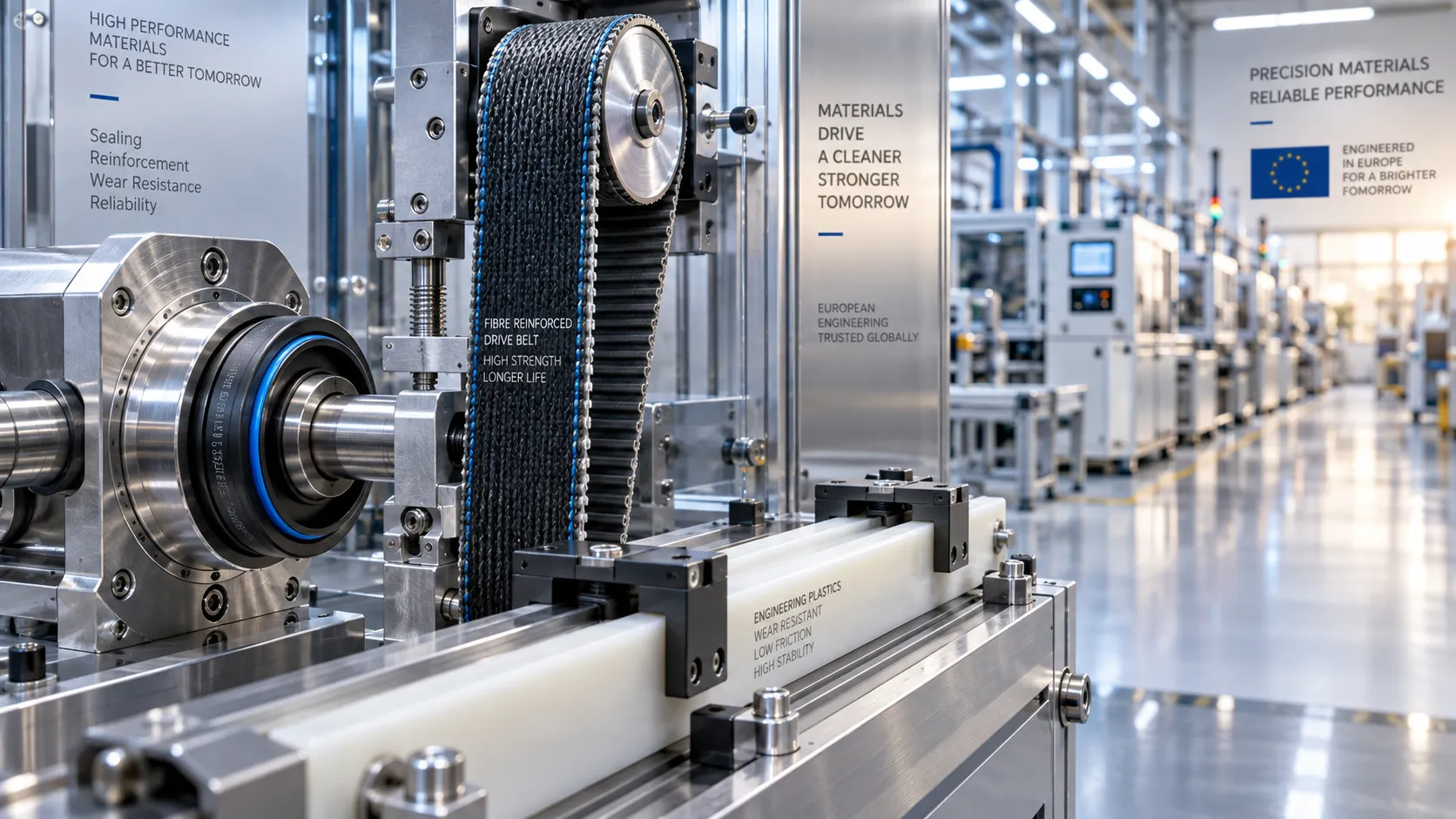
High-Performance Materials in Europe: Sourcing Criteria for Critical Industrial Applications
High-performance materials Europe: learn how to source critical industrial materials using proven criteria for durability, compliance, traceability, lifecycle cost, and supply resilience.