
Industry News
Curation by industry experts
Hot Articles
- Commercial InsightsHow to Evaluate an Industrial Motion Control Solutions Supplier for Automation Projects
- Commercial InsightsKey Semiconductor Industry Components and Their Roles in Chip Manufacturing
- Chain DrivesMechanical Component Selection: Key Criteria for Load, Speed, Environment, and Service Life
Popular Tags
Why Material Science in Transmission Changes Seal Life
Why does one seal last for years while another fails early under apparently similar operating conditions? For technical evaluators, the short answer is that seal life is rarely controlled by load, speed, or temperature alone. It is often determined by how material science in transmission shapes friction, heat generation, chemical stability, deformation, and surface compatibility across the entire sealing system.
In transmission equipment, seal performance depends on the interaction of elastomers, thermoplastics, fillers, mating shaft materials, lubricants, and surface finishes. A seal is not just a ring or lip. It is a tribological system, and its life rises or falls with the quality of that system design.
For evaluators comparing products or qualifying suppliers, the key question is not simply which seal material is “better.” The more useful question is which material pairing remains stable under the real mix of speed, pressure, lubricant chemistry, contamination, misalignment, and thermal cycling found in the application.
This article focuses on the practical evaluation logic behind seal durability in industrial transmissions. It explains why material choices change wear rates, leakage risk, and maintenance intervals, and how technical teams can judge seal life more accurately before failure appears in the field.
What technical evaluators are really trying to predict
When engineers search for insight on material science in transmission, they usually want to predict reliability, not just understand theory. Their real concern is whether a seal design will survive long enough to protect bearings, gears, lubricants, and uptime in a specific operating environment.
That means seal life must be evaluated as a system-level outcome. Material behavior affects not only leakage resistance, but also torque loss, startup friction, shaft wear, lubricant retention, contamination ingress, and failure progression once wear begins.
In practical terms, technical evaluators care about four questions most. First, what material combinations are likely to last longest in the actual duty cycle? Second, what failure mode is most probable? Third, how sensitive is performance to installation and operating variation? Fourth, what evidence supports the life claim?
These questions matter because many seal failures are not caused by obvious overload. They emerge from small material mismatches, such as an elastomer swelling in synthetic oil, a hard filler abrading a shaft sleeve, or a thermal expansion difference opening a leakage path during startup and shutdown cycles.
Why seal life begins with tribology, not just hardness charts
A common evaluation mistake is to compare materials by catalog properties alone. Hardness, tensile strength, and temperature rating are useful, but they do not fully predict how a seal behaves in a rotating transmission environment.
Seal life is governed by tribology, the science of friction, wear, and lubrication at contacting surfaces. In a transmission, the seal lip or sealing face interacts dynamically with a shaft, lubricant film, contaminants, and fluctuating temperature. The resulting wear pattern is a process, not a static property.
For example, a harder material may resist extrusion and abrasion, yet generate more frictional heat if the lubricant film is unstable. A softer material may conform better to shaft runout, yet wear faster under abrasive particles. Neither material is universally superior.
This is why material science in transmission has such a direct effect on seal life. The best-performing seal usually comes from balancing compliance, heat resistance, low friction behavior, chemical compatibility, and resistance to wear under the specific lubrication regime involved.
Evaluators should therefore look beyond basic datasheets and ask how the supplier validated friction pair behavior over time. Useful evidence includes wear track analysis, heat buildup data, leakage progression curves, and performance under contaminated or transient conditions.
How elastomer selection changes leakage, wear, and thermal stability
Elastomers are often the first material family considered in radial shaft seals and many auxiliary sealing elements. Their composition strongly influences sealing force, flexibility at temperature extremes, compatibility with oils, and resistance to aging.
Nitrile rubber remains common because it balances cost and oil resistance in general industrial service. However, its limits become clear in higher temperatures, aggressive synthetic lubricants, ozone exposure, or applications needing long service intervals.
Fluoroelastomers are often selected for hotter and chemically demanding transmission environments. They usually offer better resistance to oxidation and aggressive fluids, but they can still vary significantly depending on formulation, compression set behavior, and low-temperature performance.
Hydrogenated nitrile can provide an attractive middle ground where elevated temperature, wear resistance, and mechanical durability matter. In dynamic sealing applications, that combination can improve seal life if the lubricant and shaft finish are also well matched.
Material science in transmission becomes especially important when evaluating filler packages within elastomers. Carbon black, PTFE additives, and other reinforcing fillers can alter wear resistance, thermal conductivity, and friction behavior. Two seals labeled with the same base polymer may perform very differently in service.
Technical evaluators should ask not only what polymer is used, but also how the compound resists compression set, swelling, hardening, and crack formation after prolonged exposure to the target lubricant and temperature cycle. These factors usually determine whether leakage begins gradually or suddenly.
Why mating surface materials and finishes are just as important as the seal itself
Even the best seal compound can fail early if the shaft or counterface is poorly selected. Seal life depends heavily on the hardness, roughness, microgeometry, coating quality, and corrosion resistance of the mating surface.
A shaft that is too rough may accelerate lip wear and heat generation. A shaft that is too smooth may fail to support the micro-lubrication behavior needed for stable sealing. Surface lay and directional machining marks also influence whether fluid is retained or pumped outward.
Material pairing matters as much as surface finish. A filled PTFE-based seal against a soft shaft sleeve may cause rapid wear of the metal surface. Conversely, a corrosion-prone shaft in a humid or chemically exposed environment may develop pits that destroy sealing stability long before the elastomer itself degrades.
Advanced coatings such as hard chrome alternatives, thermal spray layers, or specialized surface treatments can extend seal life when wear or corrosion is the dominant risk. But coatings only help when their adhesion, porosity, hardness, and compatibility with the seal material are properly controlled.
For evaluators, this means seal qualification should include the shaft system, not only the seal part number. A supplier claiming long life without specifying counterface requirements is leaving out a major part of the reliability equation.
How fillers and engineered polymers change performance in demanding transmissions
In many modern transmission systems, especially where speed, chemical exposure, or dry-run risk is high, engineered polymers and filled compounds play a major role. PTFE and its modified variants are especially important because they can deliver low friction and broad chemical resistance.
However, PTFE is not a simple upgrade path. Unfilled PTFE may provide low friction but limited wear resistance in some dynamic sealing conditions. Filled PTFE compounds can improve dimensional stability and wear life, yet certain fillers may increase shaft abrasion or reduce flexibility.
Glass, carbon, bronze, graphite, and mineral fillers each shift the balance differently. Some improve creep resistance. Others improve thermal conductivity or reduce wear under boundary lubrication. But each also changes how the seal interacts with the mating surface and the lubricant film.
This is a core reason why material science in transmission directly changes seal life. A filler that performs well in a clean, lubricated gearbox may behave poorly in dusty service, frequent starts and stops, or marginal lubrication. Life predictions must reflect the real duty environment.
Engineering thermoplastics such as PEEK, polyamide, and UHMW-based materials may also appear in backup rings, wear elements, or specialized seal components. Their value depends on how well they retain shape, resist creep, manage heat, and tolerate lubricant chemistry over time.
Heat buildup is often the hidden driver of early seal failure
Many seal failures are recorded as wear, hardening, or leakage, but the hidden root cause is excess heat at the sealing interface. Material choice strongly affects how much heat is generated and how effectively that heat is dissipated.
Frictional heat rises when contact pressure is too high, lubrication is insufficient, surface finish is unsuitable, or the material pair has poor low-friction behavior. Once local temperature climbs, elastomers may harden, lose elasticity, crack, or take compression set more quickly.
Heat also changes lubricant viscosity and oxidation rate, which can further destabilize the seal interface. In this way, a poor material combination can create a self-reinforcing failure loop: more friction creates more heat, which worsens lubrication, which increases wear and leakage.
Technical evaluators should therefore be cautious with material claims based only on static temperature ratings. A compound rated for a high ambient temperature may still fail if interface flash temperatures exceed its stable operating window during transient events.
Reliable evaluation requires evidence from dynamic testing, especially under startup, shutdown, load changes, and speed variation. These are the conditions where thermal spikes often appear and where differences in material science become most visible.
Chemical compatibility is broader than oil resistance alone
Another common simplification is to reduce seal compatibility to whether a material resists mineral oil. In reality, modern transmissions may use synthetic lubricants, extreme-pressure additives, corrosion inhibitors, detergents, cleaning agents, and process contaminants that affect seal stability differently.
A material may show acceptable short-term compatibility while suffering long-term swelling, extraction of plasticizers, embrittlement, or property drift. These changes can alter lip force, geometry retention, and crack resistance long before catastrophic leakage begins.
Contamination also matters. Water ingress, metal fines, process dust, and cleaning residues can transform a manageable sealing condition into an abrasive or chemically aggressive one. Materials that perform well in laboratory-clean oil may show much shorter seal life in service.
For technical evaluators, the right question is not “Is this seal oil resistant?” but “How does this compound change mechanically and dimensionally after long exposure to our actual lubricant and contamination profile?” That is a much more predictive approach.
Why the same seal material performs differently across transmission architectures
Seal life cannot be separated from machine design. A material that works well in a compact high-speed gearbox may not be optimal in a large reducer, a servo drive, or a heavily contaminated conveyor transmission.
Different architectures create different shaft motions, pressure gradients, misalignment levels, and thermal distributions. Some systems expose the seal to frequent reversals. Others create micro-vibration, axial movement, or pressure pulses that change contact mechanics at the sealing edge.
This is why material science in transmission should be evaluated alongside actual operating mechanics. The same fluoroelastomer or PTFE blend can produce very different outcomes depending on housing rigidity, shaft eccentricity, lubrication path, and assembly tolerance stack-up.
Evaluators who focus only on nominal speed and temperature often miss these structural effects. In many cases, a moderate-grade material in a stable design outperforms a premium material installed in a system with poor alignment or unsuitable shaft dynamics.
How to assess supplier claims about seal life more rigorously
For technical evaluation teams, the practical challenge is turning material science into procurement and qualification decisions. That requires a disciplined review of both material data and system validation evidence.
Start by mapping the application stress profile: shaft speed range, pressure, lubricant type, contamination risk, startup frequency, temperature cycling, and expected maintenance interval. Then ask which failure modes are most likely: abrasive wear, heat hardening, swelling, extrusion, or shaft damage.
Next, review compound-level evidence rather than marketing labels. A supplier should be able to explain the actual material formulation class, key compatibility results, compression set performance, wear testing method, and required counterface specifications.
Also ask for dynamic test conditions, not just endpoint pass or fail statements. Useful data includes hours to leakage onset, torque change over time, shaft wear measurements, and performance after contaminated lubricant exposure. These indicators reveal whether the seal degrades gracefully or fails abruptly.
Field evidence is valuable too, but only if duty conditions are comparable. A long life claim from a lightly loaded clean environment should not be applied directly to a dusty, high-cycle, thermally unstable transmission without caution.
A practical decision framework for technical evaluators
When comparing sealing options, it helps to evaluate them through five lenses. First is tribological fit: does the material pair support stable friction and acceptable wear? Second is chemical fit: will the material retain properties in the actual fluid environment?
Third is thermal fit: can the seal tolerate both bulk and interface temperatures across transients? Fourth is mechanical fit: will it maintain sealing under runout, misalignment, pressure changes, and installation variation? Fifth is lifecycle fit: does the design support the required maintenance interval and risk profile?
This framework makes material science in transmission actionable. Instead of selecting by habit or by nominal rating, evaluators can compare how each candidate material system manages the real causes of seal failure in service.
In many industrial applications, the most cost-effective choice is not the cheapest seal or the most exotic compound. It is the material system that produces the lowest total risk of leakage, shaft damage, lubricant loss, unplanned downtime, and replacement labor.
Conclusion: seal life is a material-system outcome
Seal life changes when material science in transmission changes because a seal is not an isolated component. It is the result of interaction among polymers, fillers, counterfaces, lubricants, contaminants, heat, and machine dynamics.
For technical evaluators, the most reliable judgment comes from treating seals as tribological systems rather than catalog items. Better predictions emerge when material selection is tied to failure modes, thermal behavior, chemical stability, and mating surface requirements.
If there is one practical takeaway, it is this: do not ask which seal material is best in general. Ask which material system stays stable in your transmission, under your lubricant, against your shaft, across your duty cycle. That is the question that most often predicts real seal life.
Recommended News

How to Evaluate an Industrial Motion Control Solutions Supplier for Automation Projects
Evaluate an industrial motion control solutions supplier with confidence. Compare sizing, integration, quality, support, and lifecycle value for reliable automation projects.

Key Semiconductor Industry Components and Their Roles in Chip Manufacturing
Semiconductor industry components explained: explore wafers, lithography, deposition, etching, packaging, and the critical roles that drive chip quality and yield.
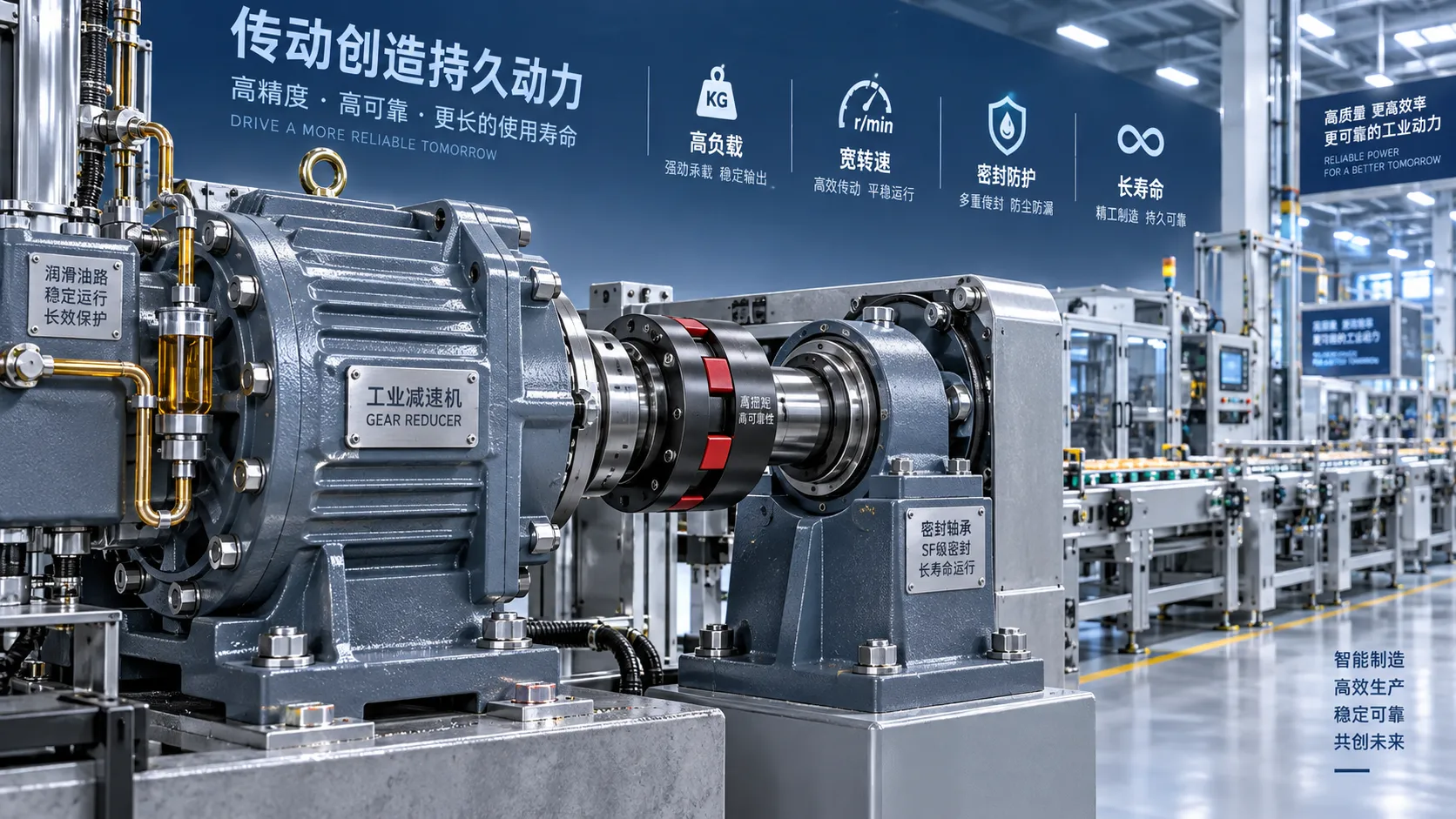
Mechanical Component Selection: Key Criteria for Load, Speed, Environment, and Service Life
Mechanical component selection made practical: evaluate load, speed, environment, lubrication, and service life to improve reliability, reduce downtime, and control lifecycle costs.
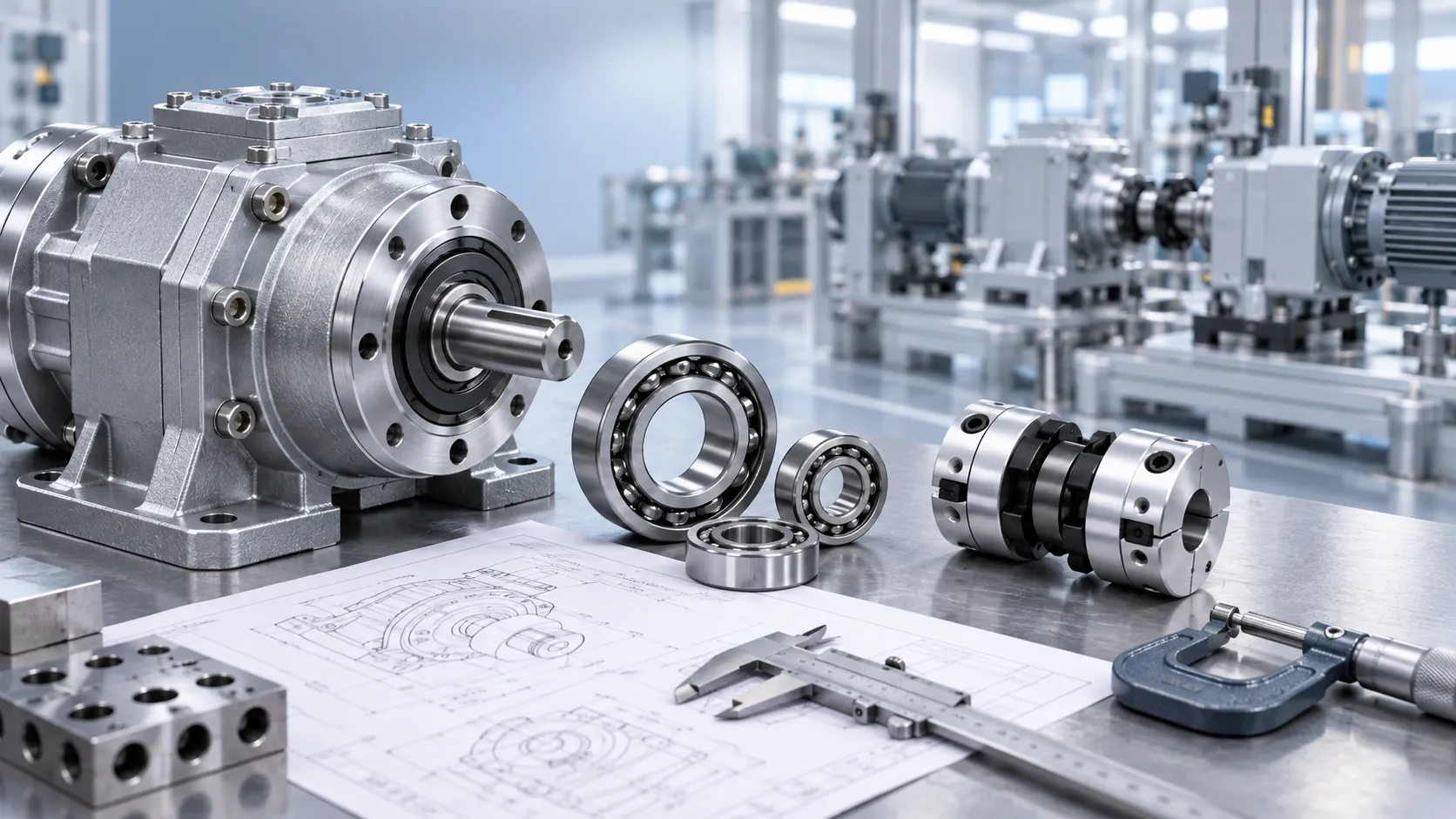
What to Request in Component Specification Resources Before Choosing a Supplier
Industrial component specification resources supplier guide: request drawings, material data, ratings, validation, and change control to choose reliable suppliers and reduce lifecycle risk.
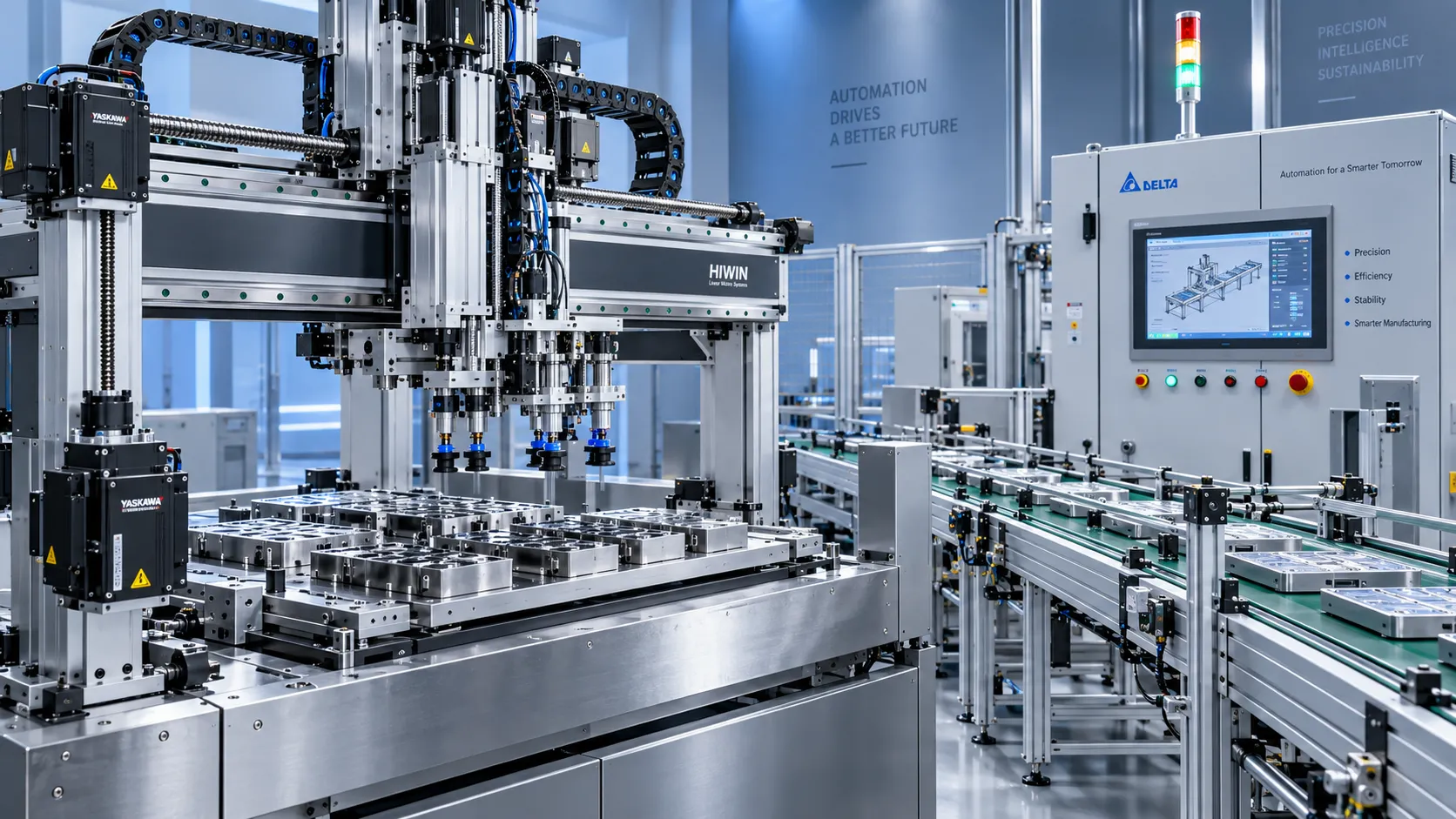
How to Specify Multi-Axis Motion Control for High-Precision Automated Machines
Master multi axis motion control for high-precision automation—optimize synchronization, feedback, mechanics, safety, and lifecycle reliability.
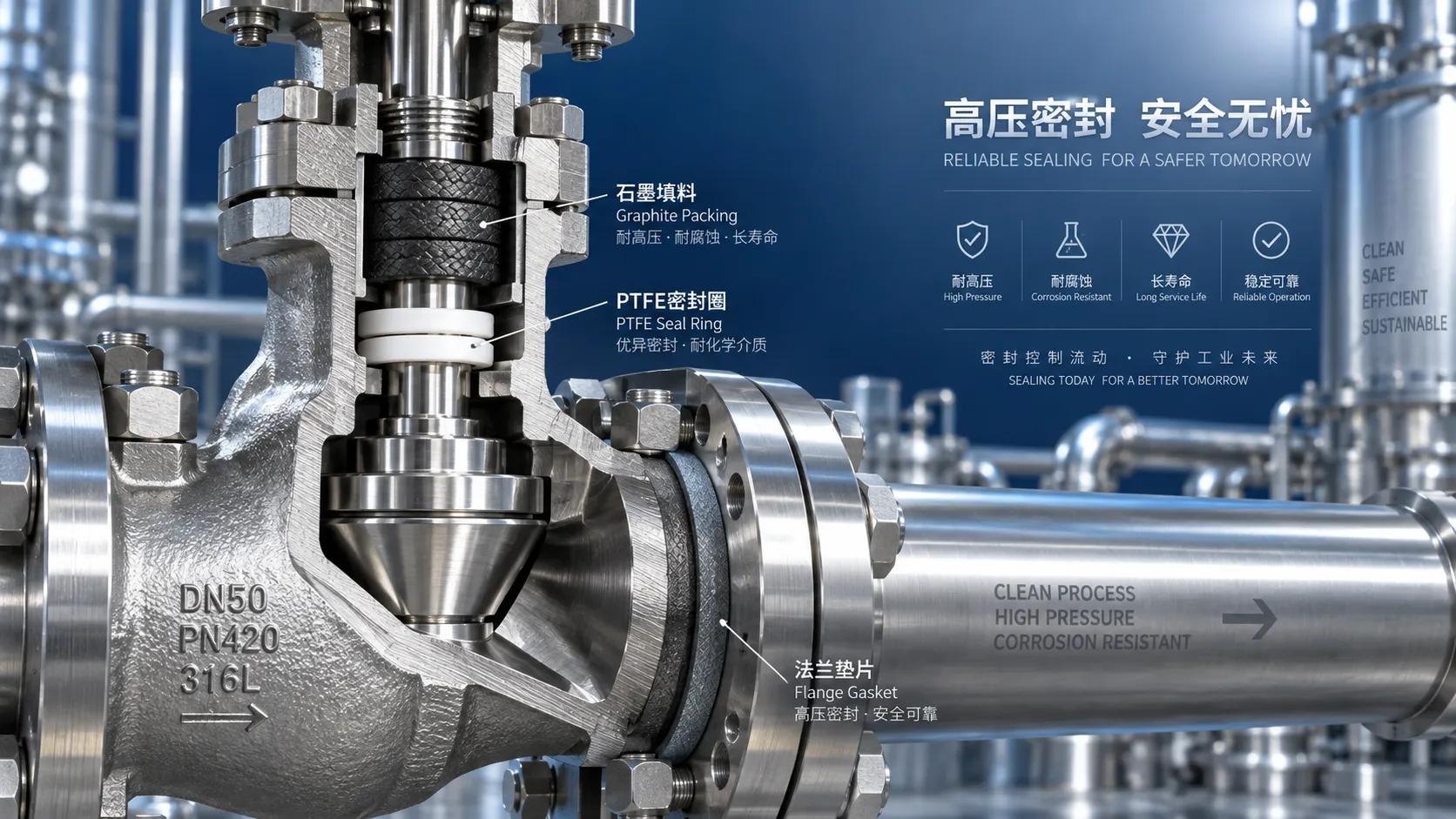
Selecting Valve Sealing Solutions for High-Pressure and Corrosive Service
Industrial sealing solutions for valves: learn how to select reliable systems for high-pressure, corrosive service, control fugitive emissions, and reduce lifecycle leakage risks.
Which European Standards Matter When Specifying Industrial Power Transmission Systems?
Standardized transmission systems Europe: discover the key EN and ISO standards for safer, compliant gear units, belts, couplings, bearings, seals, and ATEX applications.
How to Vet a Motion Control Components Exporter for Global OEM Supply?
Motion control components exporter vetting guide for global OEMs: assess quality, traceability, export readiness, landed cost, and supply resilience before you buy.
High-Performance Materials in Europe: Sourcing Criteria for Critical Industrial Applications
High-performance materials Europe: learn how to source critical industrial materials using proven criteria for durability, compliance, traceability, lifecycle cost, and supply resilience.