
Industry News
Curation by industry experts
Hot Articles
- Commercial InsightsHow to Evaluate an Industrial Motion Control Solutions Supplier for Automation Projects
- Commercial InsightsKey Semiconductor Industry Components and Their Roles in Chip Manufacturing
- Chain DrivesMechanical Component Selection: Key Criteria for Load, Speed, Environment, and Service Life
Popular Tags
Green Manufacturing Technologies That Lower Rework Costs
For quality control and safety leaders, rework is more than a cost issue—it signals process instability, material waste, and hidden operational risk. Green manufacturing technologies are changing that equation. They reduce defects at the source, improve traceability, and support safer, leaner operations. In industrial environments shaped by energy volatility, stricter compliance, and tighter margins, the ability to lower rework costs through sustainable process design has become a strategic advantage.
Why green manufacturing technologies are moving from optional to essential
Across industrial sectors, defect prevention is now linked directly to energy use, emissions, and operating resilience. Rework consumes labor, machine time, replacement materials, and inspection effort. It also increases scrap, unplanned downtime, and safety exposure.
This is why green manufacturing technologies are gaining urgency. They do not only support environmental goals. They also improve process capability, stabilize output quality, and lower the hidden cost of correction.
In power transmission, motion control, and sealing-related production, even minor variation can trigger cascading failures. A poor seal finish, mistimed drive component, or inconsistent heat treatment may create downstream rework across multiple assemblies.
That broader systems view matters. GPT-Matrix has consistently highlighted how material science, tribology, and mechanical efficiency now converge with digital monitoring and energy-aware production logic.
The strongest trend signals now visible on factory floors
Several trend signals show why green manufacturing technologies are becoming central to cost control. These signals appear across discrete manufacturing, heavy equipment, automation components, and critical sealing applications.
- Higher energy prices are forcing tighter process efficiency and lower scrap tolerance.
- Customers increasingly require documented sustainability and quality traceability in parallel.
- Material volatility makes every avoidable defect more expensive than before.
- Connected production systems reveal process drift earlier, reducing repeated errors.
- Safer chemical alternatives and cleaner finishing methods are replacing unstable legacy steps.
These shifts mean sustainability programs can no longer sit apart from quality programs. The most effective plants treat green manufacturing technologies as a practical route to lower rework costs, not as a separate reporting exercise.
What is driving adoption of green manufacturing technologies
The adoption pattern is being shaped by both external pressure and internal economics. The drivers below explain why investment decisions increasingly favor cleaner, smarter, and more controllable production methods.
Which technologies are delivering the biggest reductions in rework
Not every sustainability upgrade lowers defects. The strongest returns come from green manufacturing technologies that improve control, consistency, and feedback speed.
Smart process monitoring and closed-loop control
Sensors, machine data, and real-time analytics detect drift before defects multiply. This is especially useful in torque control, curing, grinding, coating, and sealing-related operations.
Closed-loop control reduces variation while minimizing unnecessary energy input. Less overprocessing means fewer dimensional errors, less overheating, and lower corrective work.
Low-waste material systems
Advanced formulations, recyclable inputs, and cleaner lubrication strategies can improve product consistency. In many cases, better material behavior reduces contamination, premature wear, and assembly mismatch.
For mechanical components, tribology-informed material choices often matter more than broad sustainability claims. Stable friction behavior and predictable sealing performance directly reduce rework loops.
Energy-efficient thermal and surface treatment
Modern furnaces, precision induction systems, and low-emission finishing lines provide tighter process windows. That helps avoid hardness inconsistency, distortion, and poor surface integrity.
These green manufacturing technologies also cut repeated treatment cycles. When first-pass yield improves, energy savings and quality gains reinforce each other.
Digital traceability and defect root-cause mapping
Digital records connect batches, settings, operators, environmental conditions, and inspection results. That shortens the path from nonconformance to root cause.
Instead of repeating temporary fixes, teams can identify whether the issue came from material variation, machine wear, setup error, or unstable environmental conditions.
How these shifts affect operations, quality, and commercial performance
The impact of green manufacturing technologies extends beyond the shop floor. Lower rework costs improve schedule reliability, margin protection, and customer confidence.
Operationally, fewer defects mean better asset utilization and less disruption to planned throughput. Quality functions benefit from stronger traceability and more predictable control limits.
Commercially, stable quality supports longer component life and reduced warranty exposure. This matters in sectors where drive systems, reducers, belts, bearings, and seals operate under demanding service conditions.
- Production planning becomes more accurate when rework variability falls.
- Safety improves because emergency correction work declines.
- Sustainability reporting gains credibility through measurable waste reduction.
- Supply chain resilience improves when material loss is controlled.
What deserves the closest attention over the next planning cycle
The most useful evaluation standard is not whether a technology appears green. It is whether it reduces variation, prevents waste, and strengthens reliable output under real operating conditions.
- Track first-pass yield alongside energy intensity and scrap per batch.
- Prioritize processes where rework consumes heat, chemicals, or precision machining time.
- Review whether current materials create unstable friction, sealing, or wear behavior.
- Check if defect data is connected to machine settings and material lots.
- Evaluate where safer, cleaner process substitutions could reduce correction risk.
- Focus on repeatability before expanding automation or adding new capacity.
This is where intelligence-led analysis becomes valuable. Sector monitoring, material trend evaluation, and mechanical reliability insight help separate meaningful upgrades from superficial ones.
A practical framework for deciding where to act first
The next move is to connect sustainability metrics with defect economics
The most effective use of green manufacturing technologies starts with one question: where does process instability create both waste and avoidable correction cost? That intersection reveals the fastest path to improvement.
Build a short list of high-energy, high-variation, high-risk operations. Measure first-pass yield, rework hours, scrap weight, and root-cause recurrence together. Then compare those findings against available control, material, and traceability upgrades.
With the right intelligence base, green manufacturing technologies become more than a compliance tool. They become a disciplined method for lowering rework costs, improving reliability, and strengthening long-term industrial competitiveness.
Recommended News
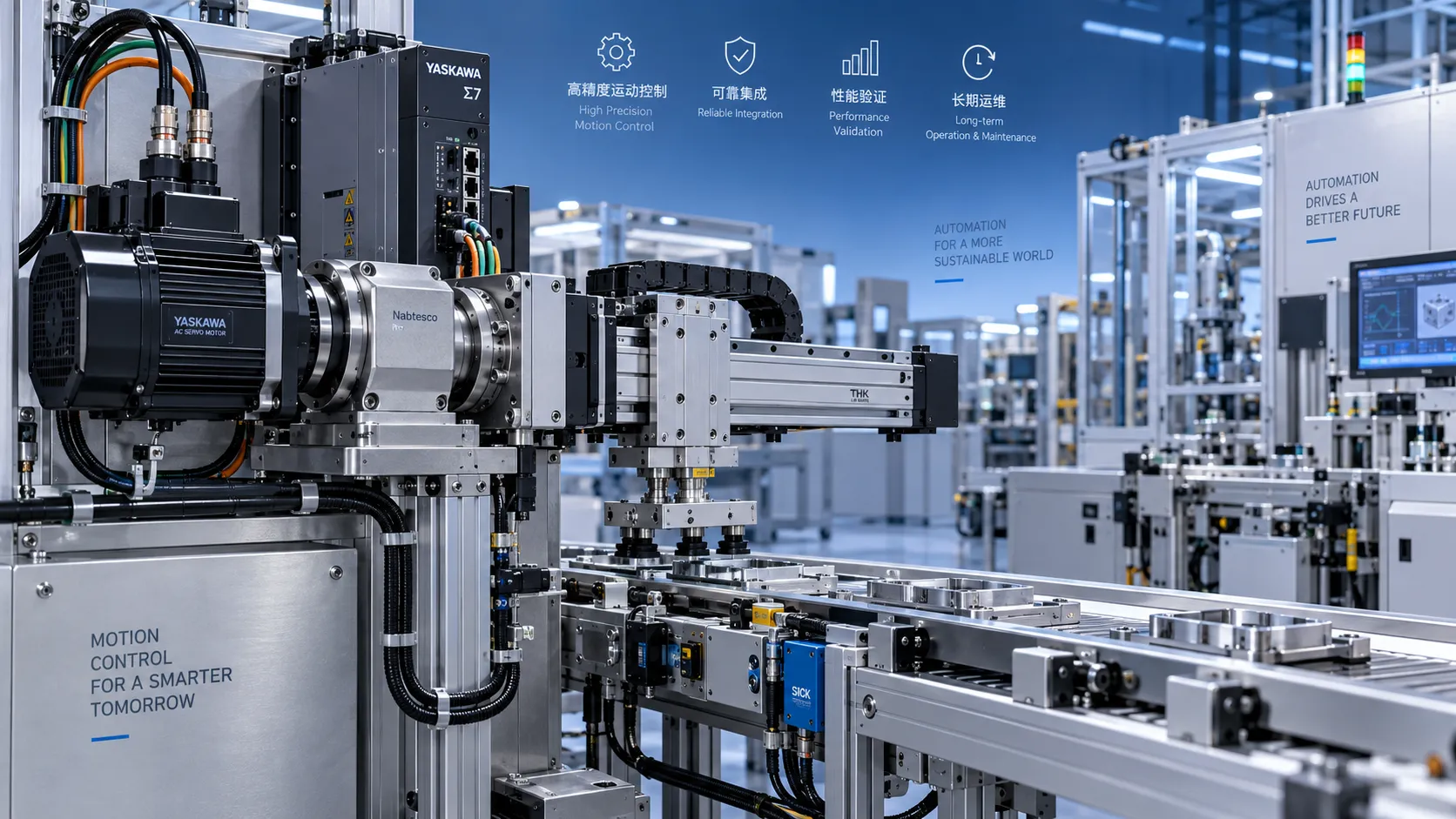
How to Evaluate an Industrial Motion Control Solutions Supplier for Automation Projects
Evaluate an industrial motion control solutions supplier with confidence. Compare sizing, integration, quality, support, and lifecycle value for reliable automation projects.
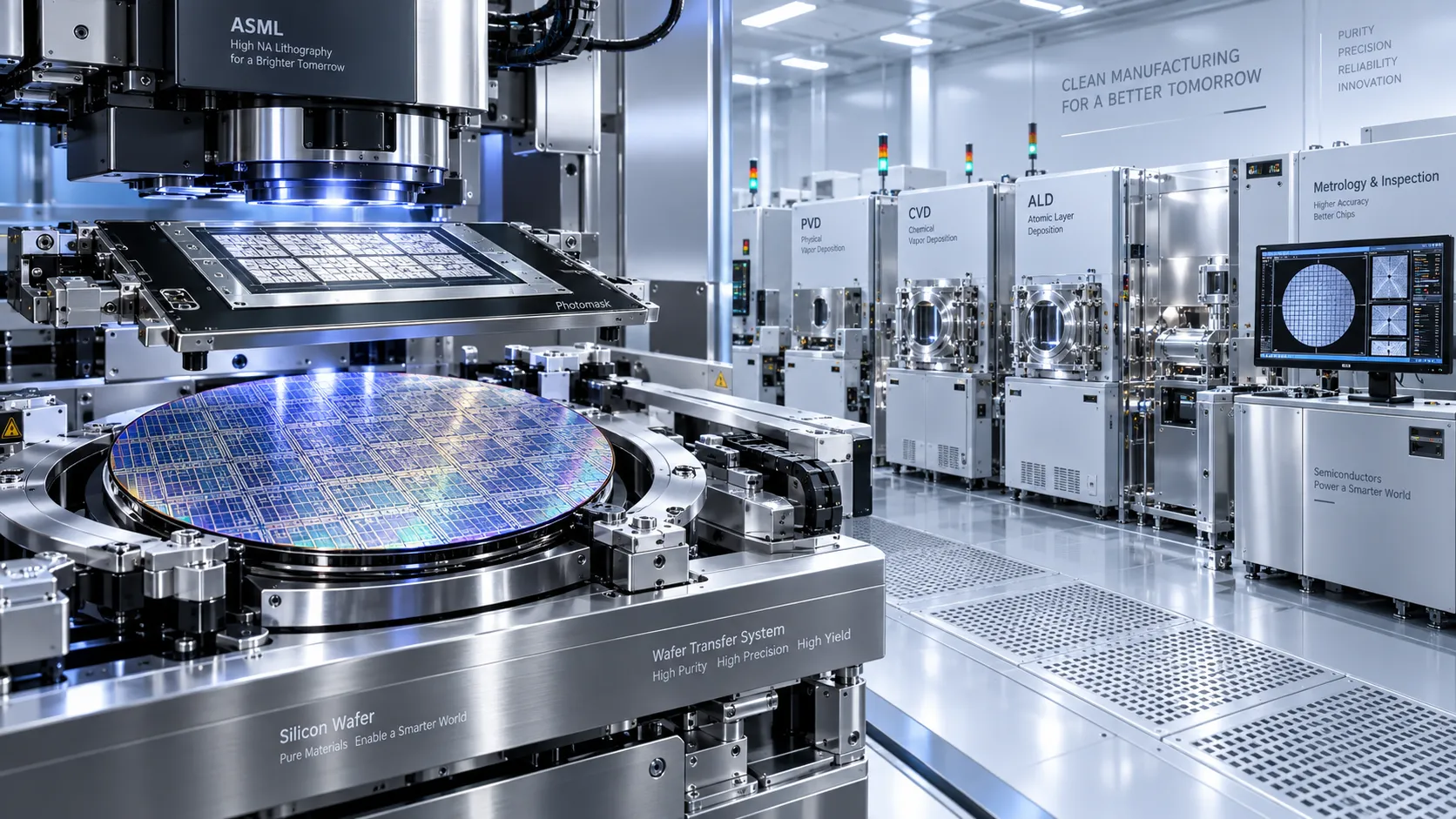
Key Semiconductor Industry Components and Their Roles in Chip Manufacturing
Semiconductor industry components explained: explore wafers, lithography, deposition, etching, packaging, and the critical roles that drive chip quality and yield.
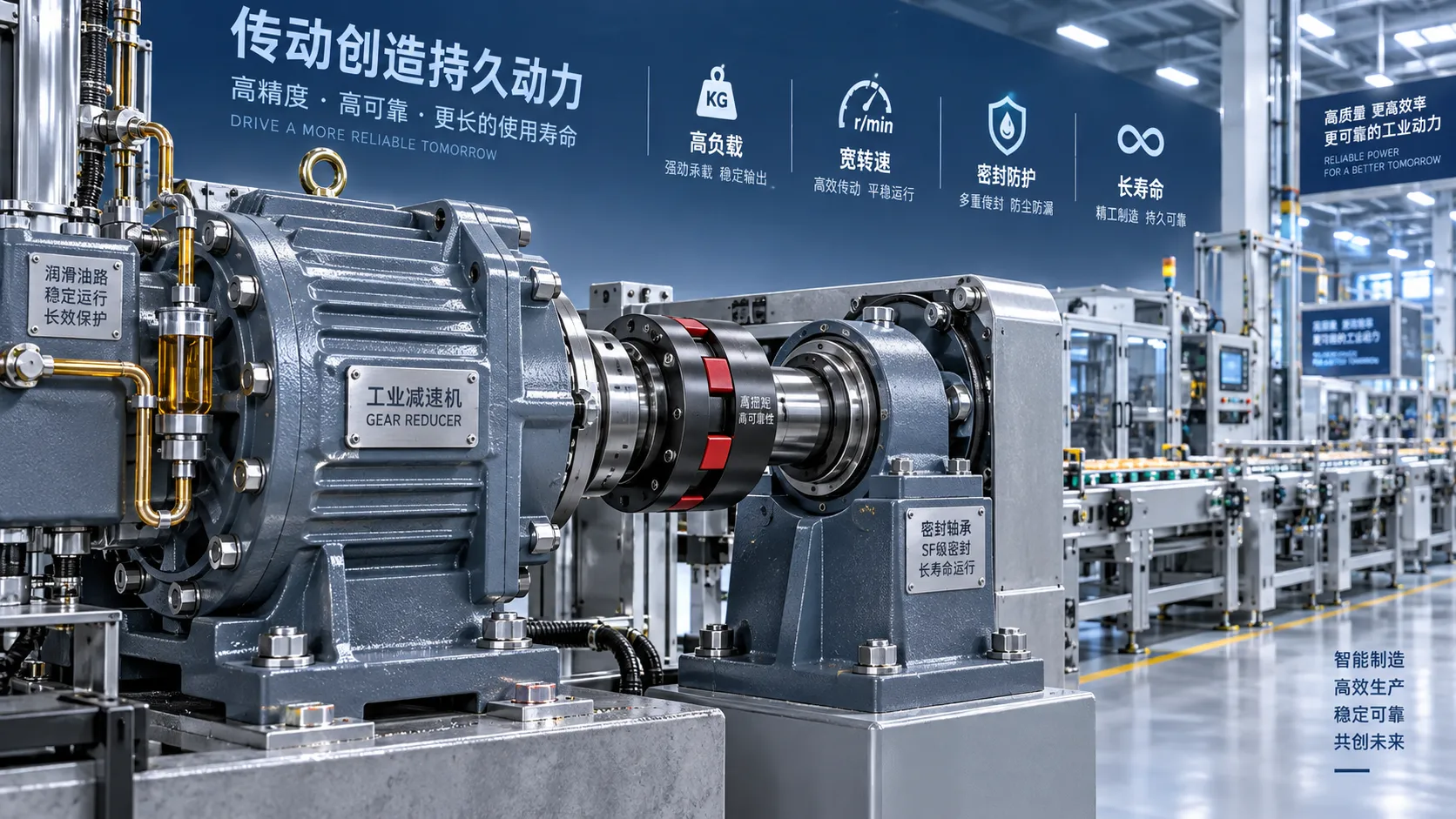
Mechanical Component Selection: Key Criteria for Load, Speed, Environment, and Service Life
Mechanical component selection made practical: evaluate load, speed, environment, lubrication, and service life to improve reliability, reduce downtime, and control lifecycle costs.
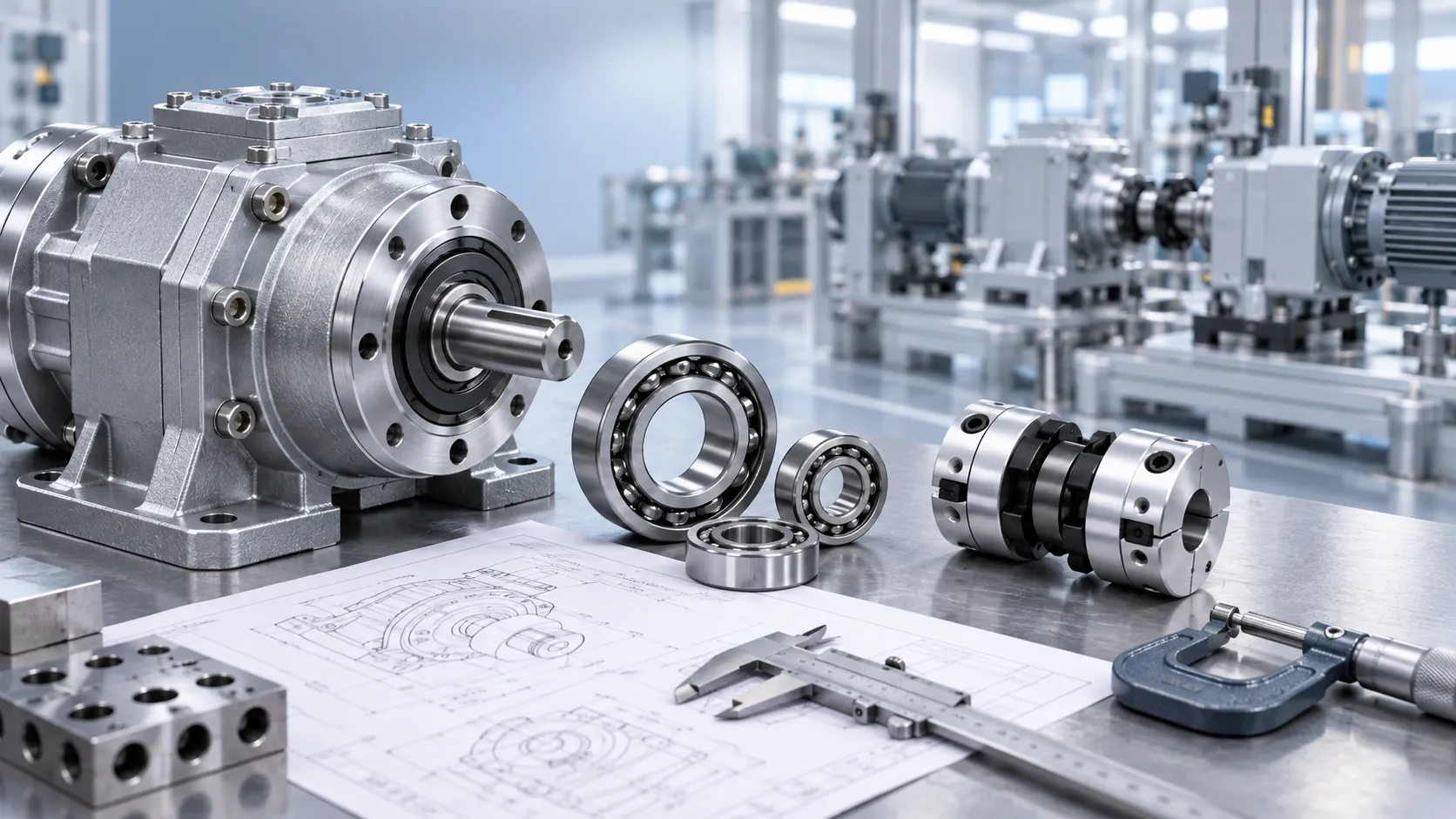
What to Request in Component Specification Resources Before Choosing a Supplier
Industrial component specification resources supplier guide: request drawings, material data, ratings, validation, and change control to choose reliable suppliers and reduce lifecycle risk.
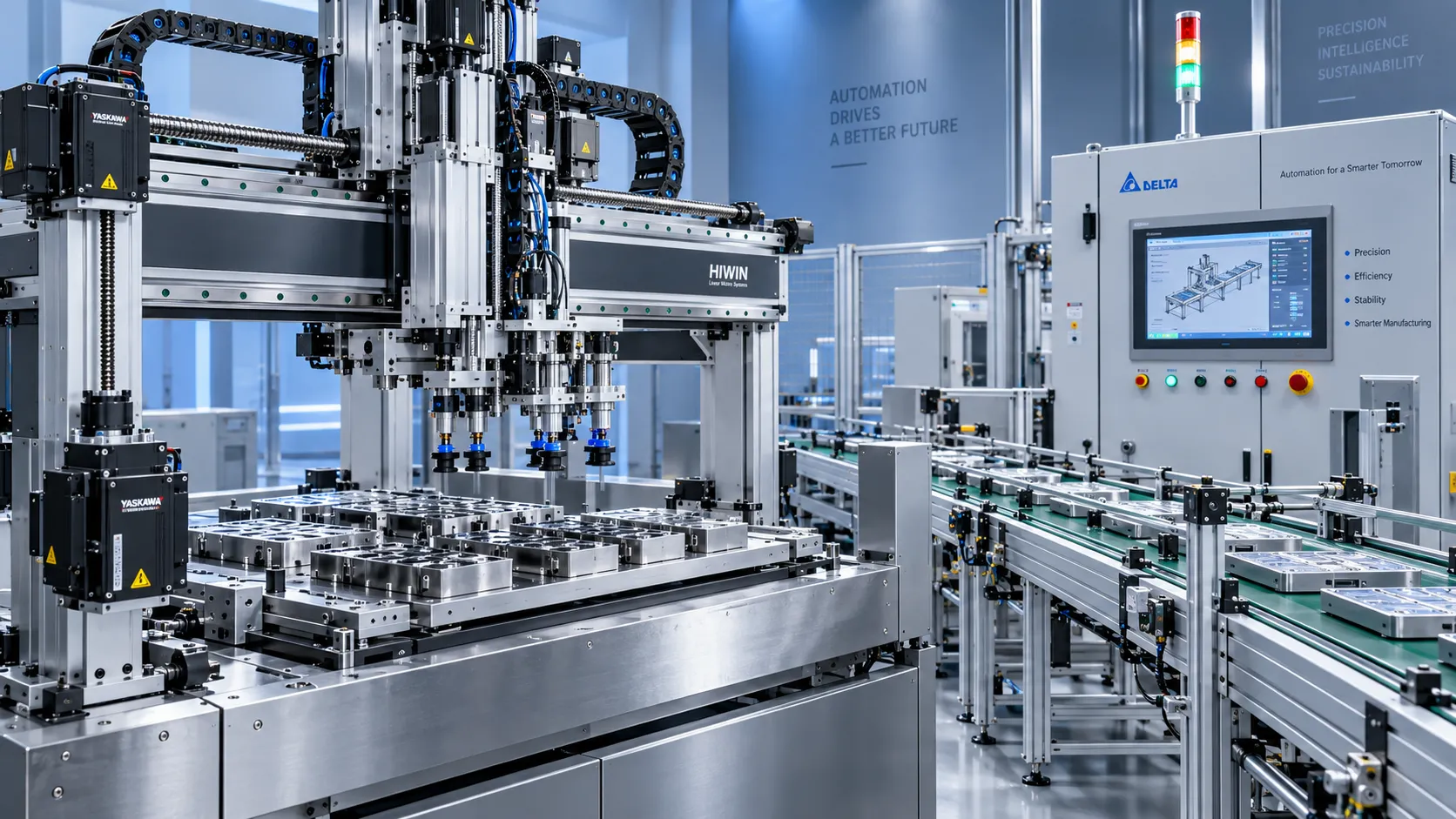
How to Specify Multi-Axis Motion Control for High-Precision Automated Machines
Master multi axis motion control for high-precision automation—optimize synchronization, feedback, mechanics, safety, and lifecycle reliability.
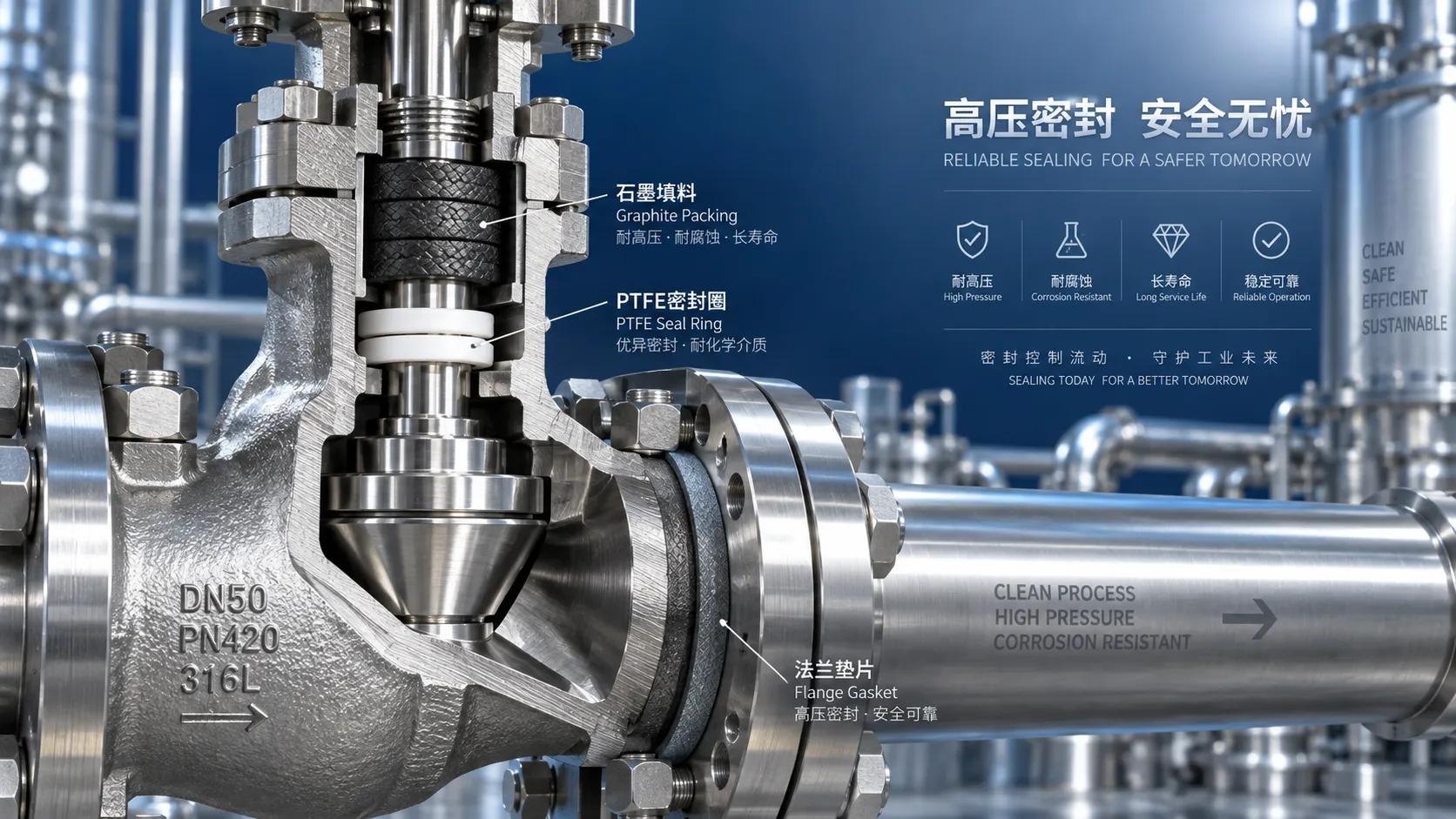
Selecting Valve Sealing Solutions for High-Pressure and Corrosive Service
Industrial sealing solutions for valves: learn how to select reliable systems for high-pressure, corrosive service, control fugitive emissions, and reduce lifecycle leakage risks.
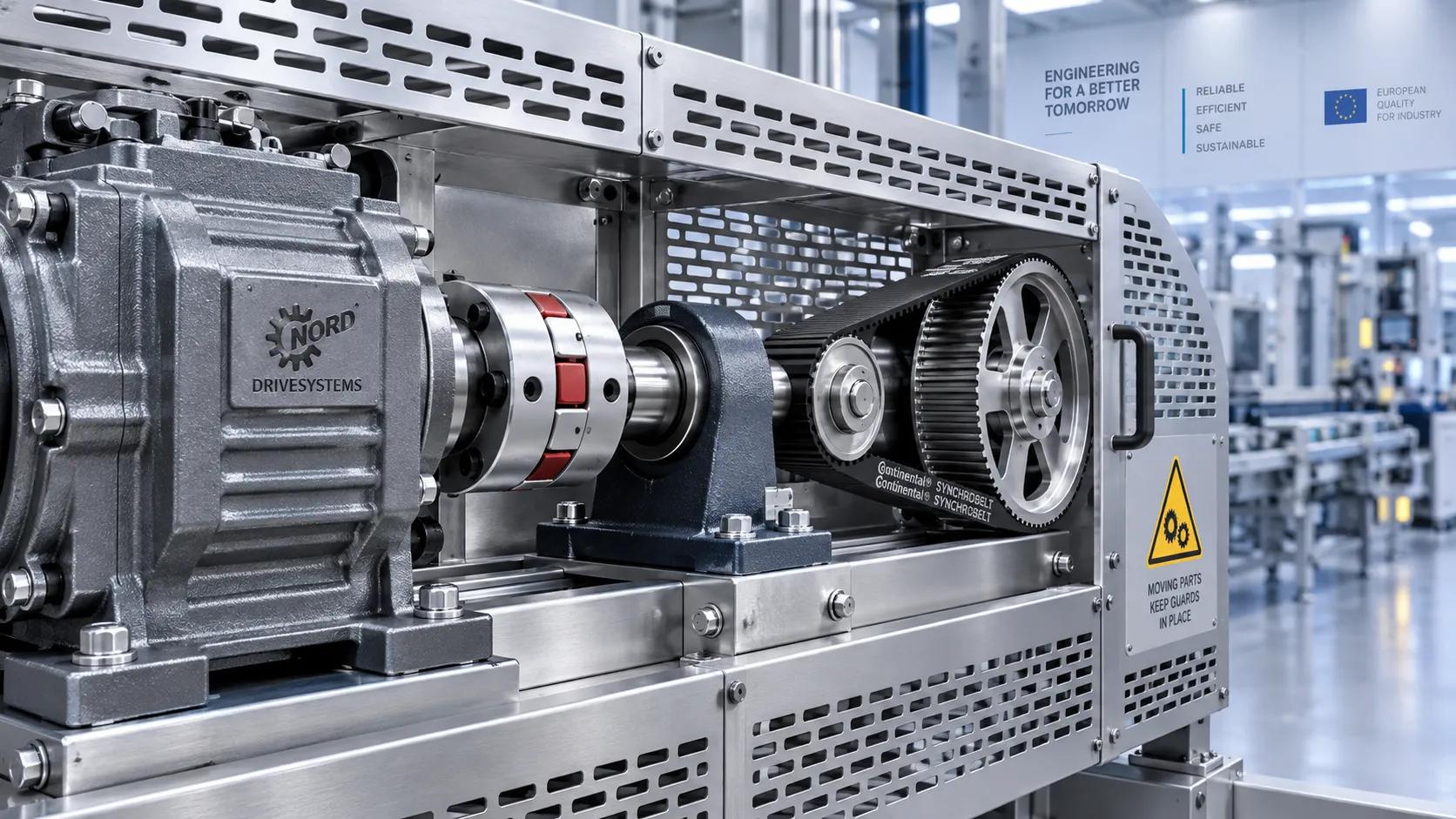
Which European Standards Matter When Specifying Industrial Power Transmission Systems?
Standardized transmission systems Europe: discover the key EN and ISO standards for safer, compliant gear units, belts, couplings, bearings, seals, and ATEX applications.
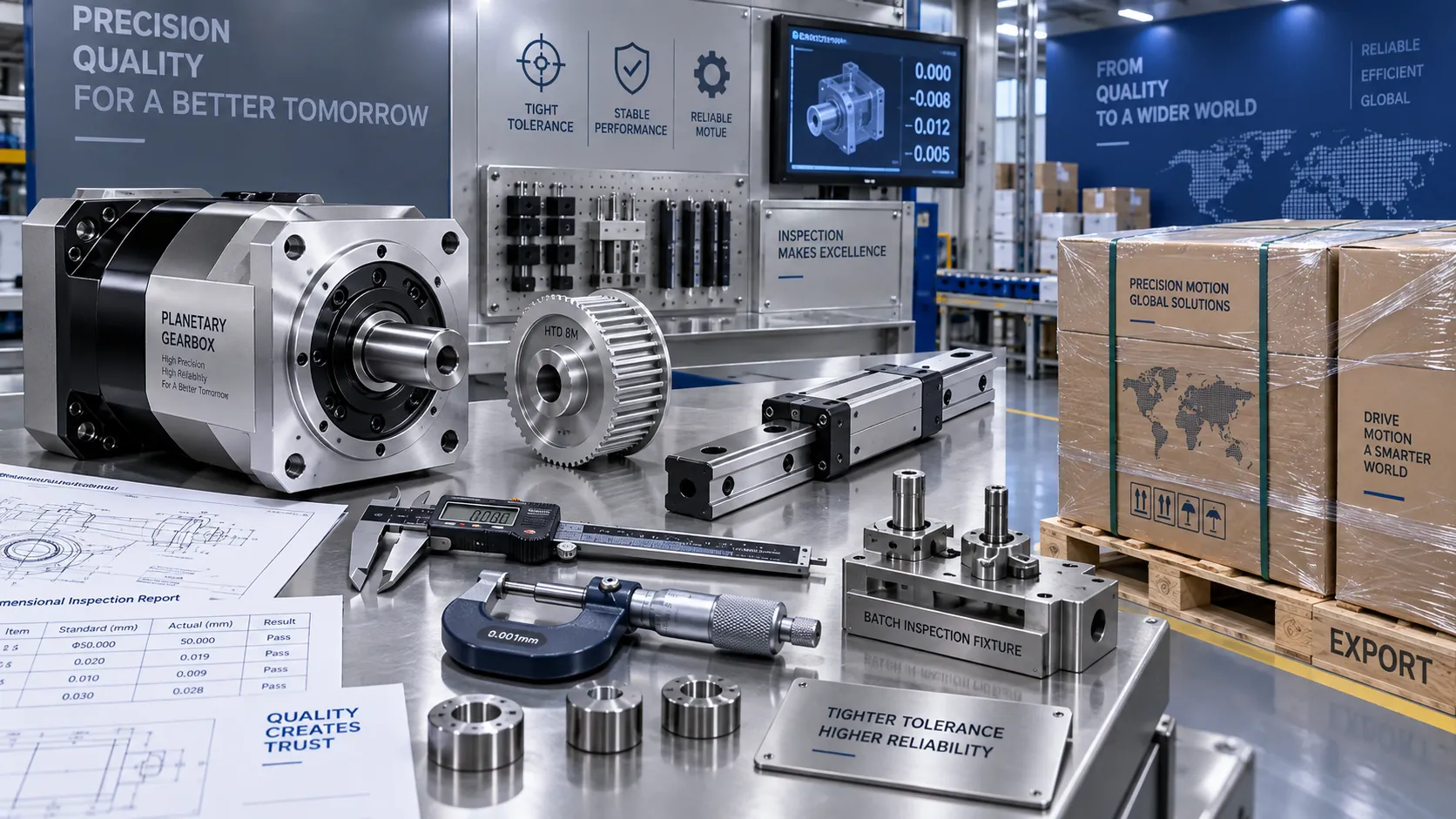
How to Vet a Motion Control Components Exporter for Global OEM Supply?
Motion control components exporter vetting guide for global OEMs: assess quality, traceability, export readiness, landed cost, and supply resilience before you buy.
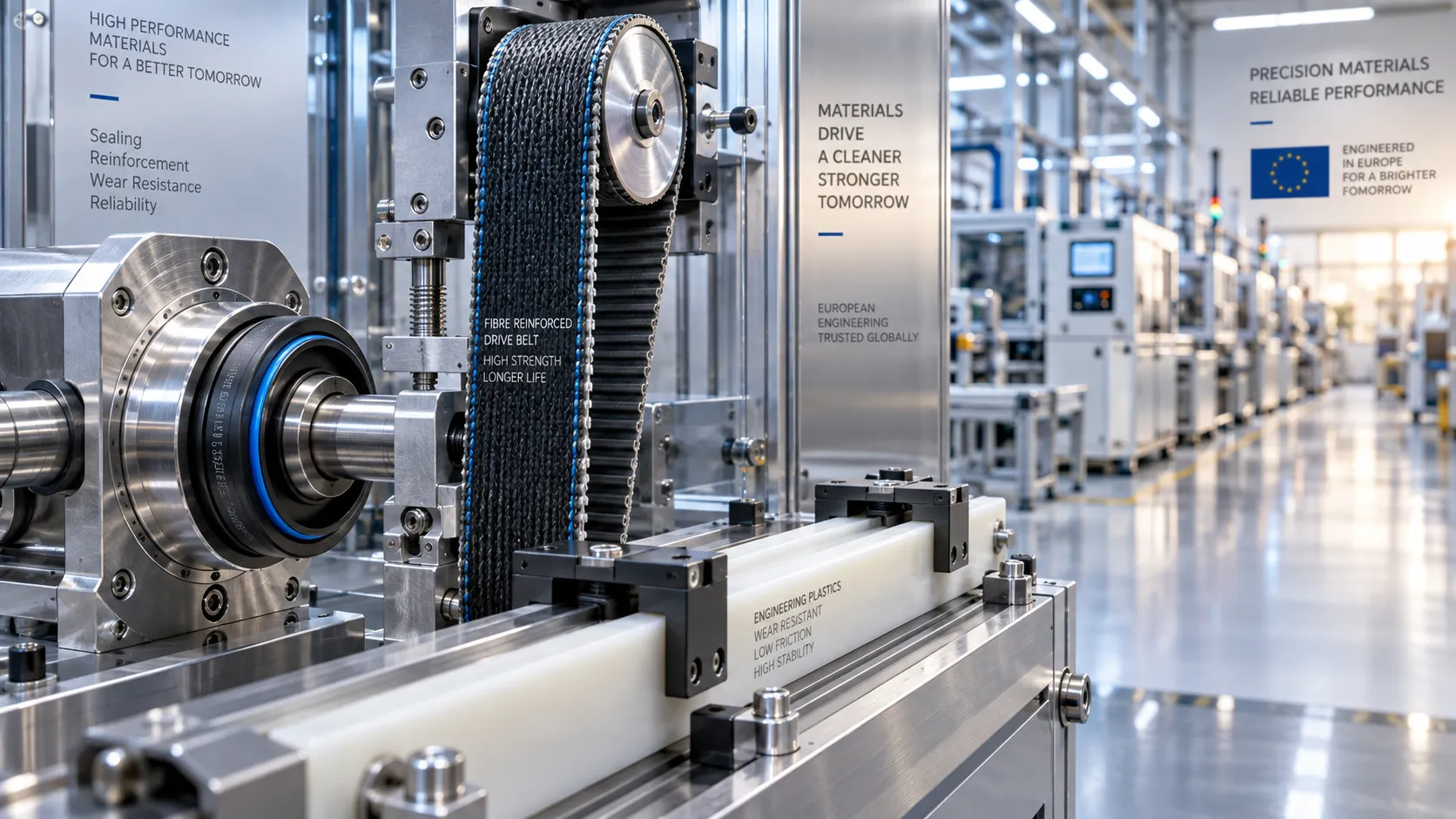
High-Performance Materials in Europe: Sourcing Criteria for Critical Industrial Applications
High-performance materials Europe: learn how to source critical industrial materials using proven criteria for durability, compliance, traceability, lifecycle cost, and supply resilience.