
Industry News
Curation by industry experts
Hot Articles
Popular Tags
Why Industrial Power Transmission Systems Miss ROI Targets
Why do industrial power transmission systems so often fail to deliver the return on investment promised in project proposals and upgrade plans? In most cases, the problem is not a dramatic breakdown or a flawed component alone. ROI erosion usually begins quietly: oversized drives consume excess energy, misalignment accelerates wear, lubrication routines remain inconsistent, and system architecture no longer matches real production loads. As industrial operations face higher energy prices, tighter uptime expectations, and stronger pressure for efficiency, evaluating industrial power transmission systems requires a broader view. Financial performance depends on how belts, gears, couplings, bearings, reducers, seals, and control logic work together over time—not just on purchase price.
The ROI Gap Around Industrial Power Transmission Systems Is Becoming More Visible
Across manufacturing, mining, logistics, energy, and process industries, the economics of motion equipment have changed. What once looked like a solid capital investment can now underperform under modern operating conditions. Rising electricity costs, unstable raw material markets, labor shortages in maintenance, and more frequent production changeovers have exposed hidden weaknesses in many industrial power transmission systems. Systems designed for stable, predictable duty cycles are now being pushed into variable-load environments where efficiency losses multiply.
Another reason the ROI gap is more visible is better data. Plants today can measure motor current, vibration, thermal behavior, downtime frequency, and spare-part consumption with far more accuracy than before. That transparency often reveals an uncomfortable truth: a drive train that technically “works” may still be destroying value through excessive energy draw, shortened service intervals, and production interruptions. In other words, the financial weakness of industrial power transmission systems is no longer hidden inside maintenance budgets; it shows up in energy intensity, asset utilization, and total cost of ownership.
Several Trend Signals Explain Why Expected Returns Are Harder to Achieve
The underperformance of industrial power transmission systems is not random. It is driven by a set of structural changes affecting equipment selection, operation, and lifecycle economics.
These signals point to a broader market shift. ROI is no longer determined mainly at the procurement stage. It is shaped by system matching, operating discipline, reliability engineering, and the ability to translate technical performance into measurable business results.
The Most Common Reasons Industrial Power Transmission Systems Miss ROI Targets
1. Oversizing and conservative design assumptions
Many industrial power transmission systems are selected with wide safety margins to avoid failure. While caution is understandable, chronic oversizing often lowers efficiency at normal operating points. Motors, reducers, and belt drives may spend most of their time in suboptimal ranges, consuming more power than necessary while delivering no practical productivity gain. A design that looks robust on paper can weaken ROI year after year.
2. Hidden friction, misalignment, and energy loss
Mechanical losses accumulate across the entire drive path. Shaft misalignment, poor belt tension, worn bearings, seal drag, gear mesh issues, and contamination all create extra resistance. Individually, these losses may appear minor. Collectively, they can significantly reduce the efficiency of industrial power transmission systems, especially in high-duty applications running around the clock.
3. Maintenance strategies that react too late
ROI assumptions often rely on expected component life, but real operating conditions rarely follow ideal schedules. If maintenance remains calendar-based or purely reactive, assets are serviced either too late or without addressing root causes. Premature wear in couplings, seals, chains, and reducers then leads to repeat failures. The issue is not just replacement cost; unplanned downtime destroys throughput and pushes the payback period further out.
4. Poor alignment between system design and production reality
A transmission system may be technically sound but commercially misaligned. For example, conveyor systems, mixers, compressors, pumps, or packaging lines may now operate under more frequent starts, stops, speed changes, or load fluctuations than the original design considered. When industrial power transmission systems are not updated to match changing duty cycles, wear patterns intensify and energy use rises.
5. ROI models that ignore total lifecycle cost
One of the biggest evaluation mistakes is focusing too heavily on acquisition cost. Low upfront pricing can look attractive, yet lower-grade materials, shorter maintenance intervals, and reduced reliability can produce a much weaker financial outcome. High-quality industrial power transmission systems often deliver better long-term value because they reduce stoppages, improve efficiency, and extend service life.
The Impact Reaches Multiple Business Functions, Not Just Maintenance
When industrial power transmission systems miss ROI targets, the consequences spread beyond the equipment room. Energy budgets rise because inefficient drive trains draw more power. Operations lose productive hours due to stoppages and slower restart cycles. Inventory costs increase because failure-prone components require larger spare holdings. Quality performance may also decline when unstable torque transmission affects process consistency, line speed, or positioning accuracy.
The strategic effect is equally important. Weak transmission performance can delay automation gains, complicate sustainability reporting, and reduce confidence in future capital projects. In sectors with thin margins or high utilization demands, underperforming industrial power transmission systems can become a bottleneck to broader digitalization and efficiency programs. That is why transmission ROI should be treated as a cross-functional issue linking engineering, energy management, reliability, and financial planning.
What Deserves Closer Attention When Evaluating Industrial Power Transmission Systems
- Real operating load profiles rather than nameplate assumptions.
- Energy loss across the full drive chain, including belts, gears, bearings, couplings, and seals.
- Alignment, lubrication, contamination control, and tensioning quality.
- Service interval stability under actual temperature, shock, dust, and moisture conditions.
- Compatibility between mechanical components and variable-speed or digital monitoring strategies.
- Downtime cost exposure, including restart loss, labor disruption, and production backlog.
- Material and design suitability for longer-life, lower-maintenance operation.
These checkpoints help separate nominal system capacity from actual business value. In many cases, the best-performing industrial power transmission systems are not the most complex; they are the ones most precisely matched to the duty environment and supported by disciplined reliability practices.
A Smarter Response Starts With Better ROI Diagnosis
This is where specialized industry intelligence becomes valuable. Platforms such as GPT-Matrix help connect technical variables with commercial outcomes by tracking energy trends, component material evolution, digital integration in reducers and drive assemblies, and reliability shifts in sealing and motion systems. Better insight makes it easier to identify where industrial power transmission systems are losing value and which upgrades are likely to produce measurable gains.
The Next Step Is to Treat Industrial Power Transmission Systems as Strategic Assets
The core lesson is simple: industrial power transmission systems miss ROI targets when they are evaluated too narrowly and managed too passively. The strongest returns come from viewing the transmission chain as a living efficiency system shaped by materials, mechanics, maintenance discipline, and real production behavior. In a market defined by energy sensitivity and uptime pressure, every percentage point of efficiency and every avoided stoppage matters.
A practical next move is to review one critical drive application through a full-lifecycle lens. Map current energy use, maintenance history, failure causes, and load patterns. Then compare those findings against current technology and market intelligence. That process often reveals fast opportunities to improve reliability, reduce waste, and restore the business case behind industrial power transmission systems. Better decisions begin when transmission performance is no longer treated as a hidden technical detail, but as a direct driver of industrial value.
Recommended News
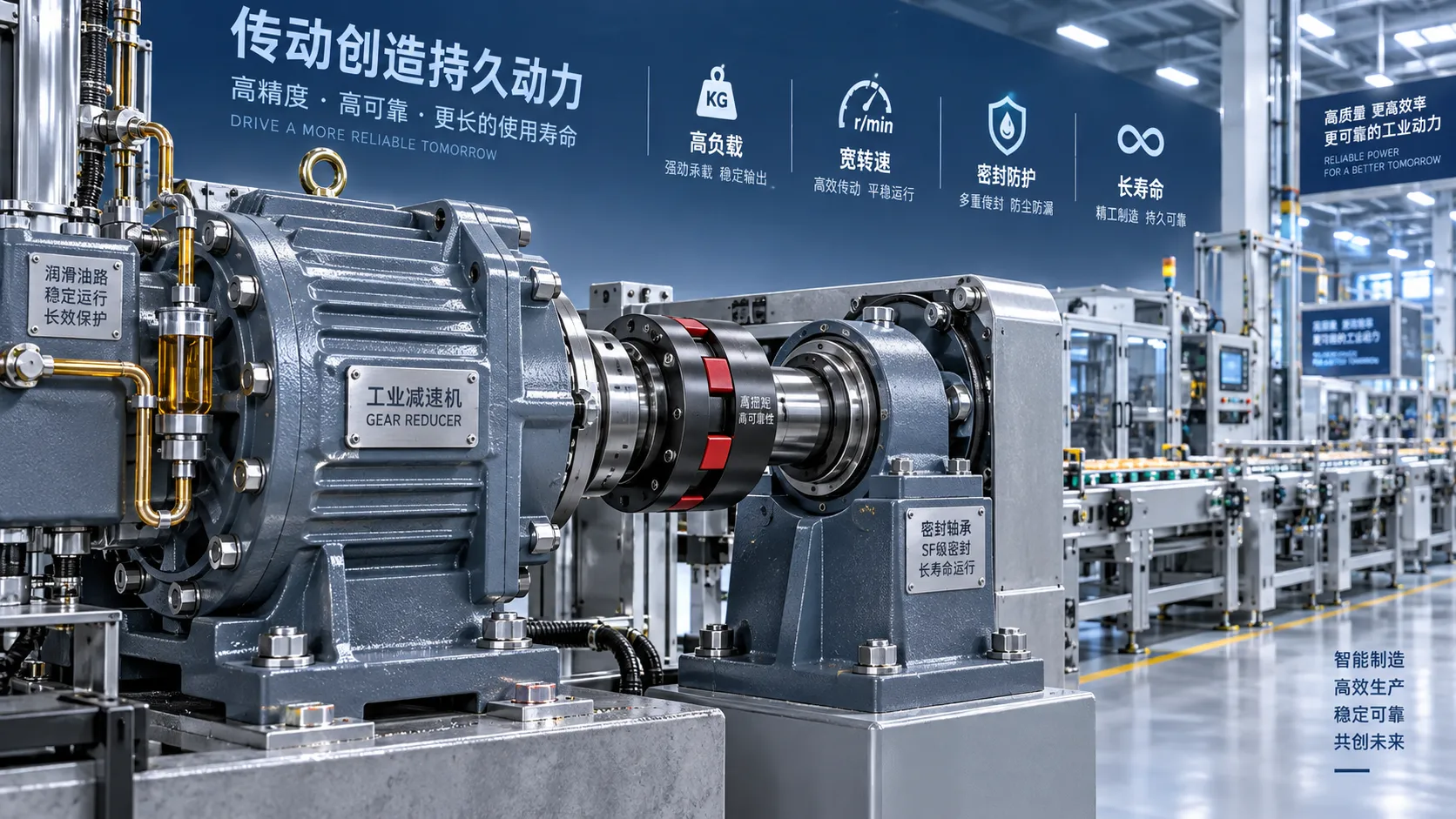
Mechanical Component Selection: Key Criteria for Load, Speed, Environment, and Service Life
Mechanical component selection made practical: evaluate load, speed, environment, lubrication, and service life to improve reliability, reduce downtime, and control lifecycle costs.
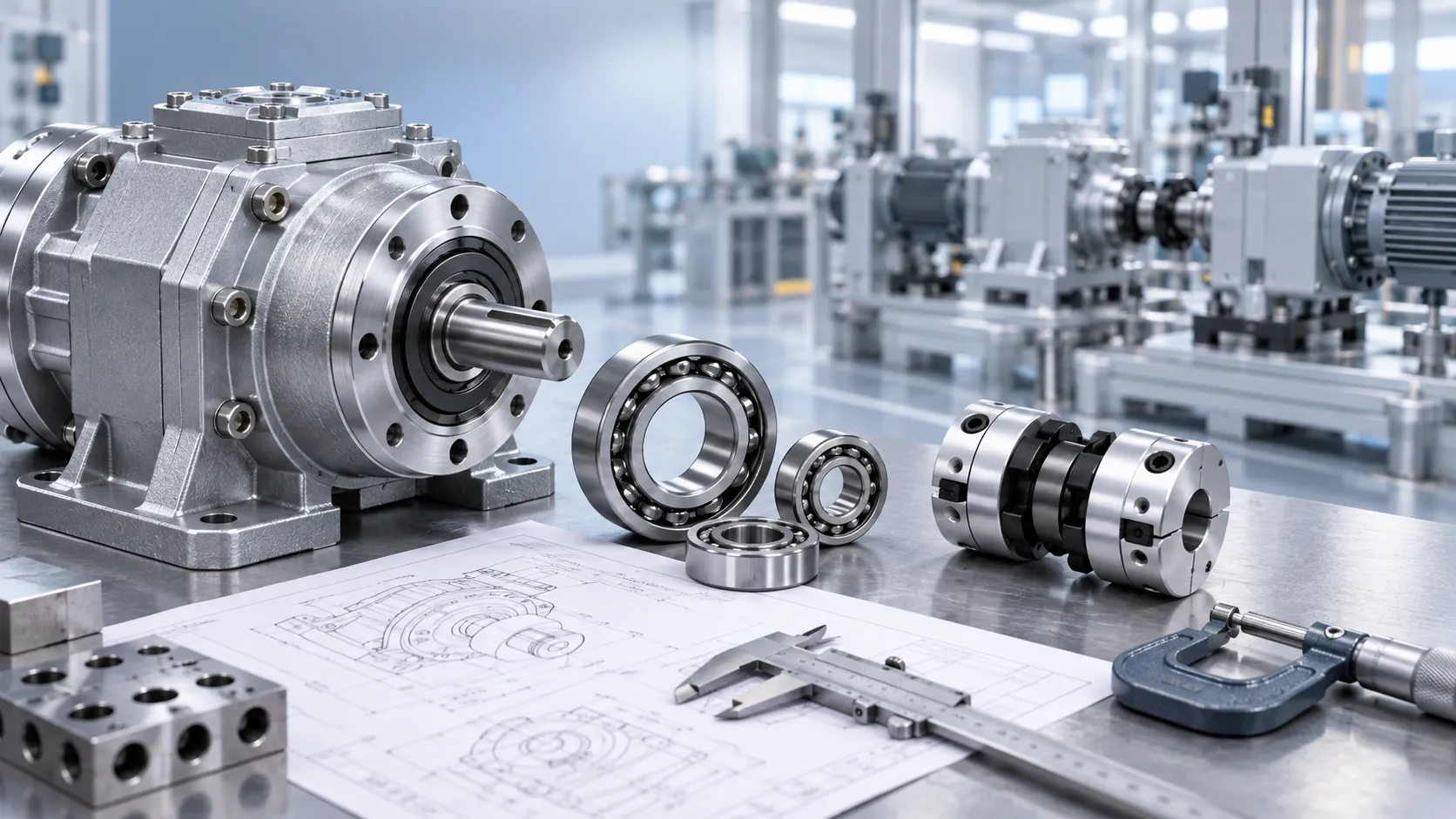
What to Request in Component Specification Resources Before Choosing a Supplier
Industrial component specification resources supplier guide: request drawings, material data, ratings, validation, and change control to choose reliable suppliers and reduce lifecycle risk.
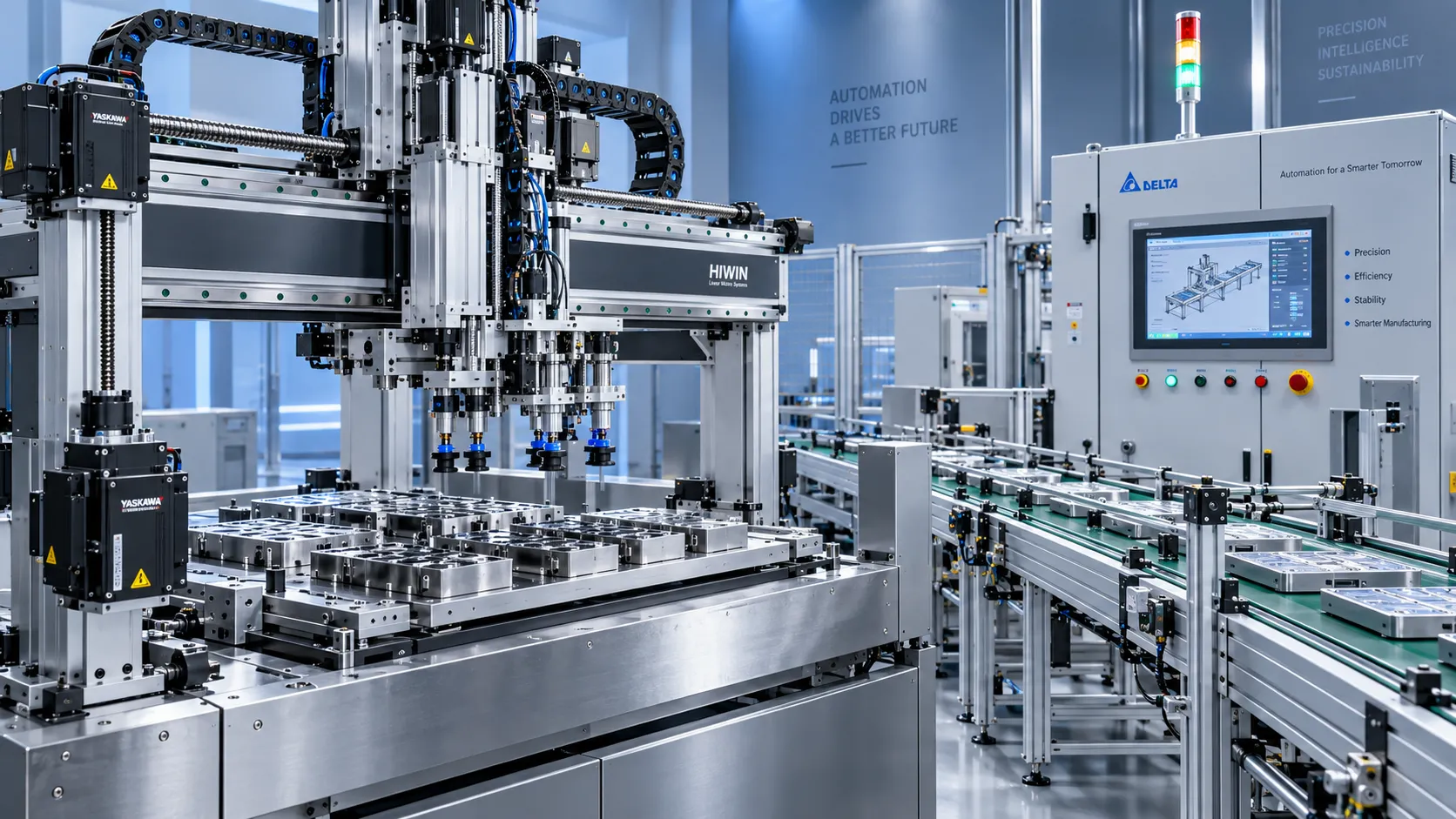
How to Specify Multi-Axis Motion Control for High-Precision Automated Machines
Master multi axis motion control for high-precision automation—optimize synchronization, feedback, mechanics, safety, and lifecycle reliability.
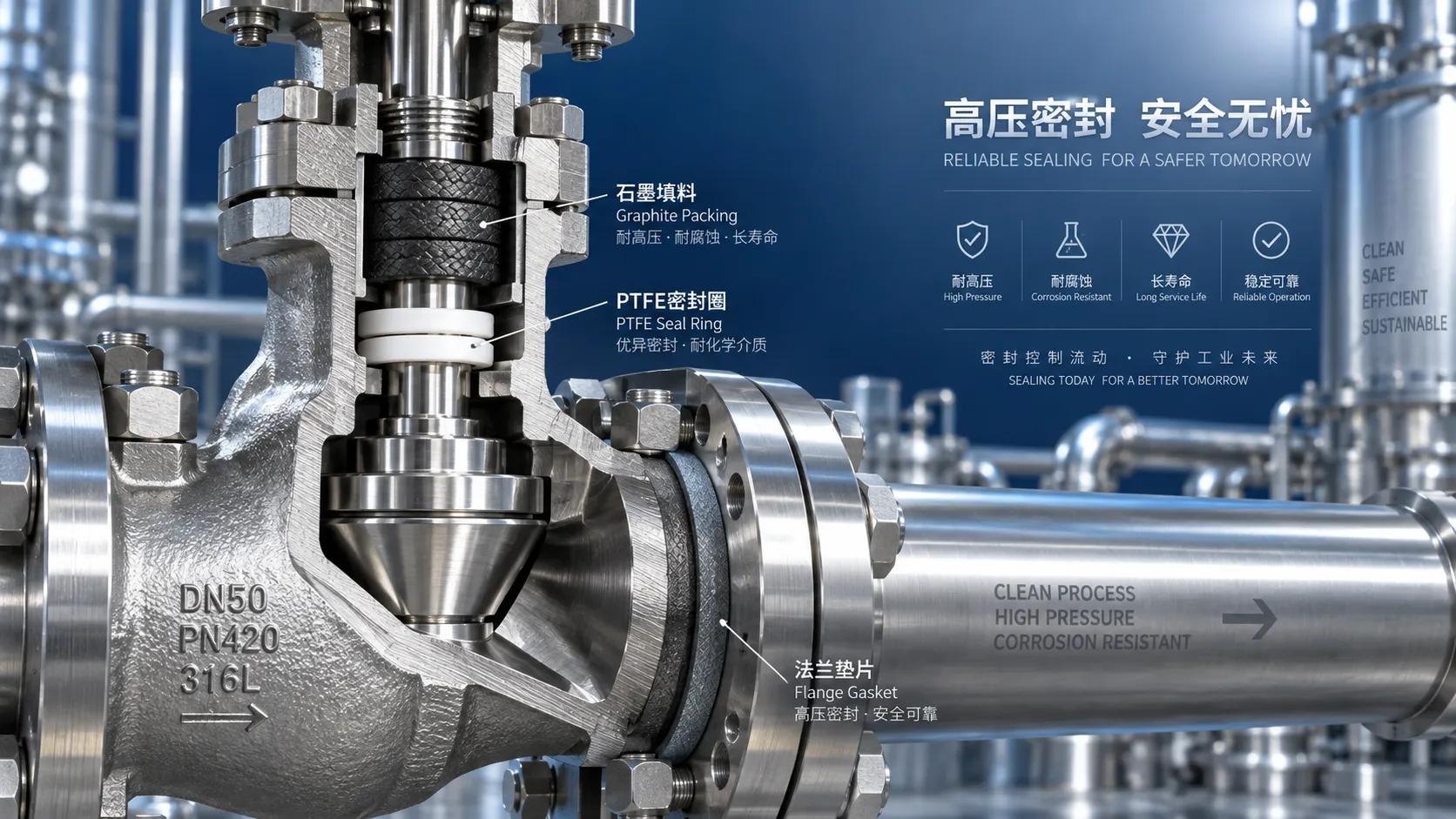
Selecting Valve Sealing Solutions for High-Pressure and Corrosive Service
Industrial sealing solutions for valves: learn how to select reliable systems for high-pressure, corrosive service, control fugitive emissions, and reduce lifecycle leakage risks.
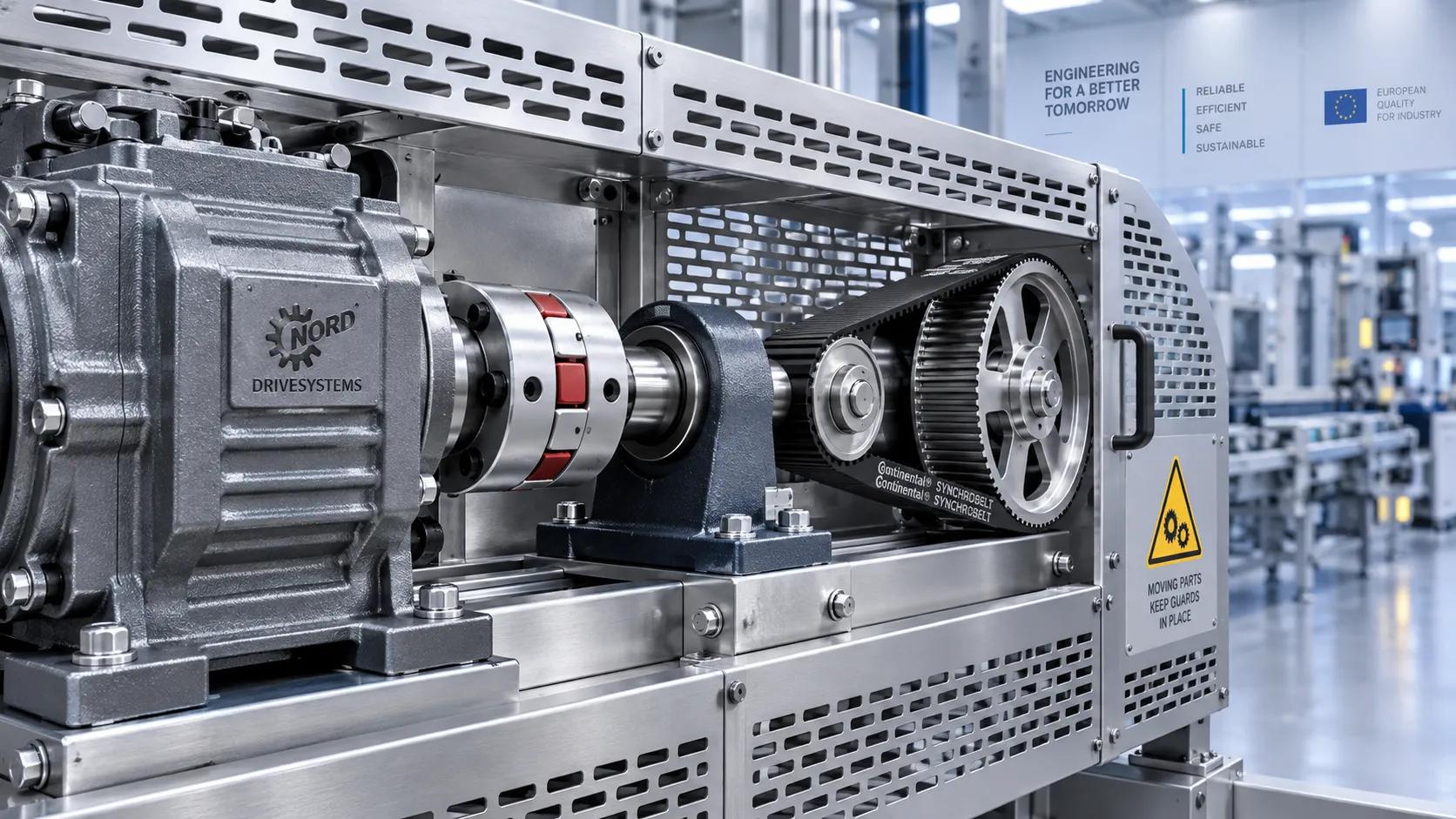
Which European Standards Matter When Specifying Industrial Power Transmission Systems?
Standardized transmission systems Europe: discover the key EN and ISO standards for safer, compliant gear units, belts, couplings, bearings, seals, and ATEX applications.
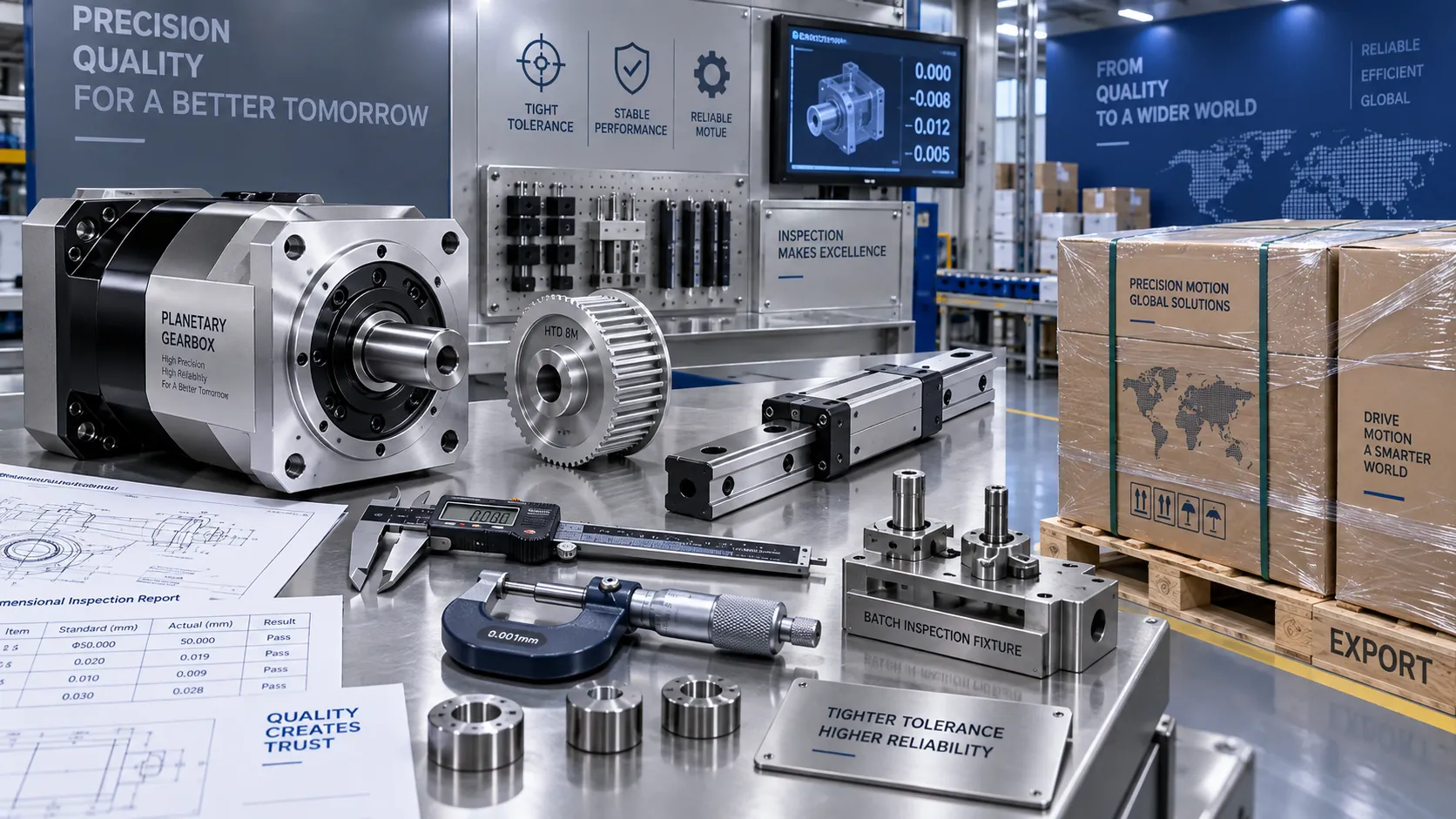
How to Vet a Motion Control Components Exporter for Global OEM Supply?
Motion control components exporter vetting guide for global OEMs: assess quality, traceability, export readiness, landed cost, and supply resilience before you buy.
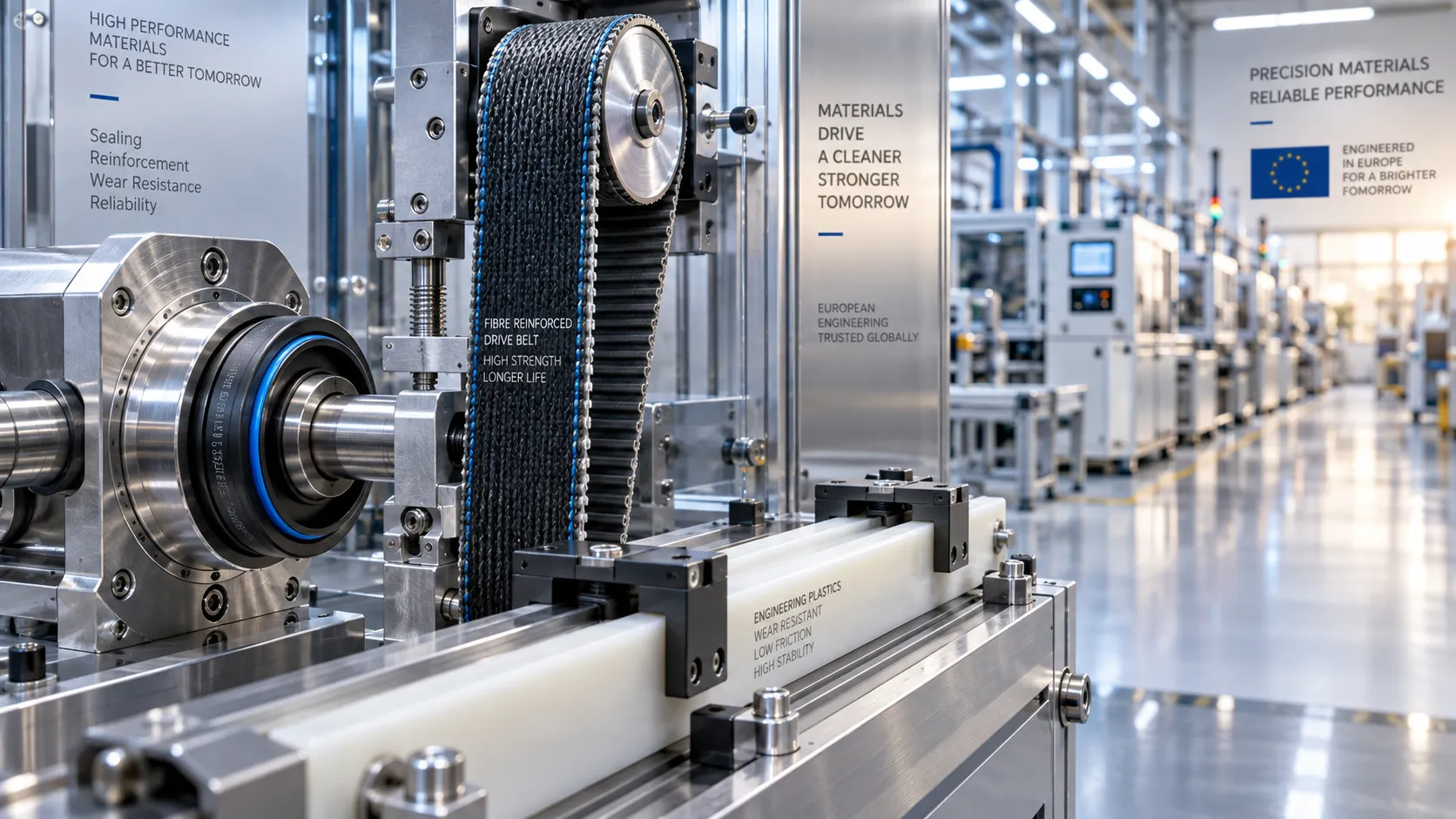
High-Performance Materials in Europe: Sourcing Criteria for Critical Industrial Applications
High-performance materials Europe: learn how to source critical industrial materials using proven criteria for durability, compliance, traceability, lifecycle cost, and supply resilience.
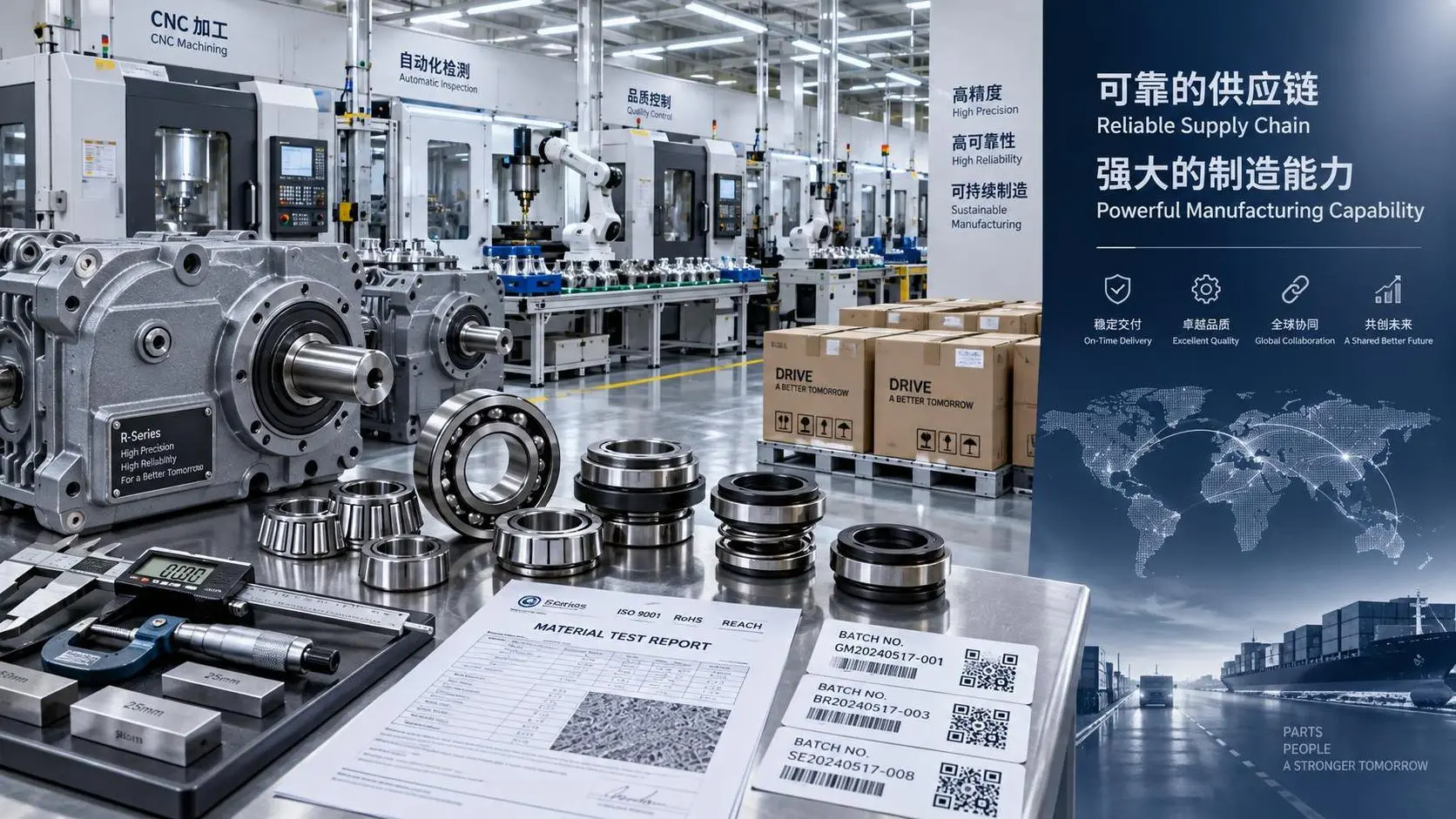
How to Assess a Global Supplier’s Capability Before Awarding a Critical Contract
Global supplier capability review: learn how to verify technical control, quality systems, global delivery resilience, compliance, and service support before awarding a critical contract.
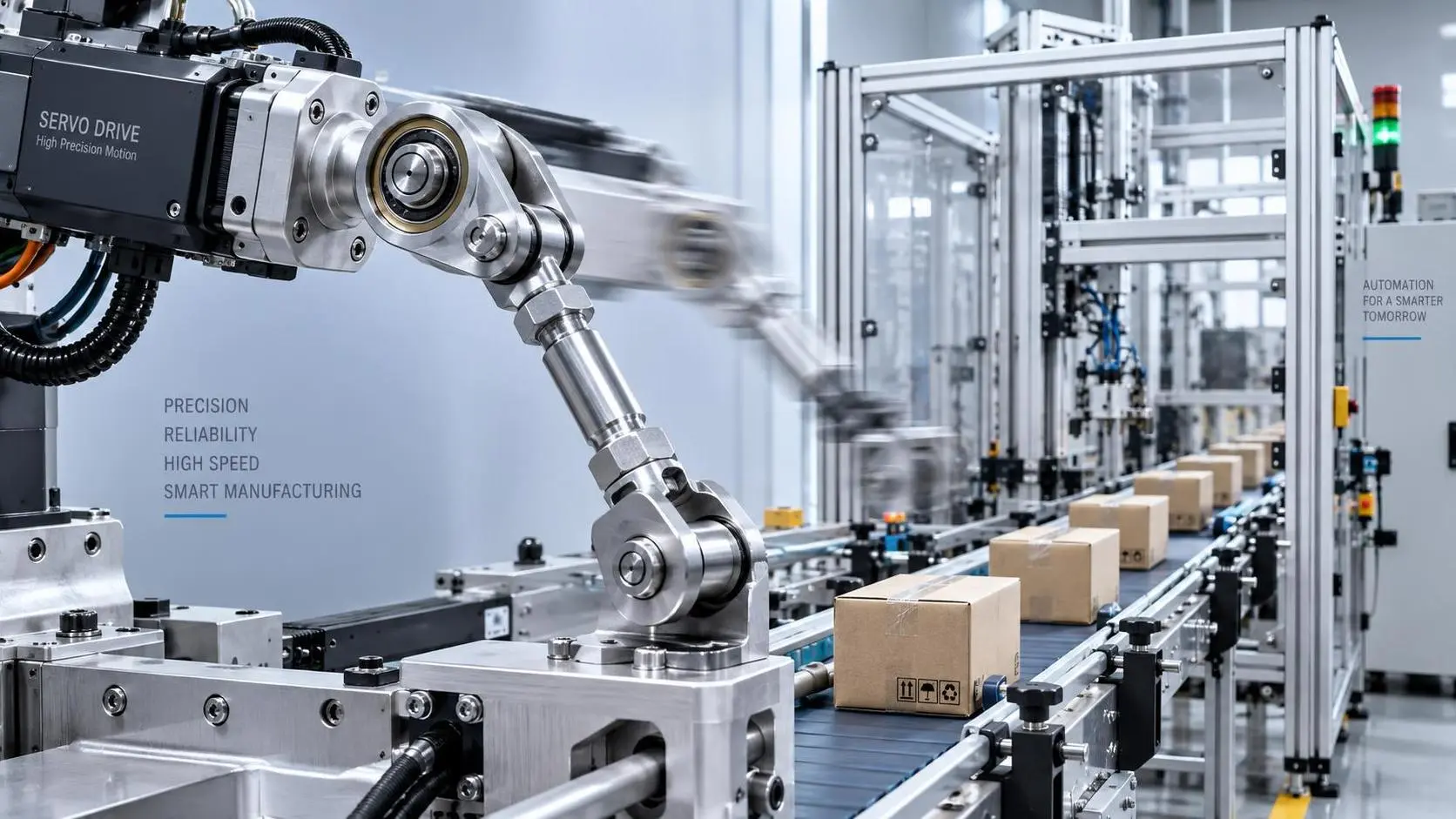
How to Select Mechanical Linkage Components for High-Cycle Automation Equipment
Mechanical linkage technology components: learn how to select reliable rod ends, pins, and joints for high-cycle automation, reducing wear, backlash, downtime, and maintenance risk.