
Industry News
Curation by industry experts
Hot Articles
Popular Tags
What Standardized Transmission Systems Solve on Busy Lines
On busy production lines, standardized transmission systems are no longer just a design preference; they have become a practical answer to rising uptime pressure, faster service expectations, and tighter cost control. As industrial lines run longer shifts with less tolerance for stoppages, maintenance outcomes increasingly depend on whether belts, couplings, reducers, bearings, and sealing interfaces can be identified, replaced, and aligned without delay. Standardization solves a daily operational problem: when components follow common dimensions, interfaces, and performance references, repairs become more predictable, spare parts become easier to manage, and reliability improves across the line.
This shift matters across the broader industrial landscape tracked by GPT-Matrix, where power transmission efficiency, sealing reliability, and mechanical compatibility are becoming strategic topics rather than isolated maintenance concerns. In that environment, standardized transmission systems help connect field service reality with long-term mechanical efficiency. They reduce confusion during part replacement, support stable torque transfer under variable loads, and make condition monitoring more meaningful because equipment behavior can be compared against known baselines.
Why Busy Lines Are Moving Toward Standardized Transmission Systems Faster Than Before
A clear trend is emerging in mixed-industry production environments: the busier the line, the greater the value of compatibility. Older setups often evolved machine by machine, using different pulley profiles, reducer footprints, shaft dimensions, lubrication practices, and sealing arrangements. That variety may have looked manageable when production volumes were lower, but under continuous industrial demand it creates hidden friction. A simple part failure can turn into a long troubleshooting cycle if technicians must confirm measurements, cross-check suppliers, modify mounts, or wait for a non-standard replacement.
By contrast, standardized transmission systems support a more repeatable maintenance model. When interfaces are unified and component specifications are consistent, diagnosis is faster and replacement risk is lower. This trend is also strengthened by automation growth: sensors, digital maintenance logs, and asset management software work better when the installed mechanical base is not fragmented into dozens of special configurations.
The Strongest Signals Behind the Shift
Several structural signals explain why standardized transmission systems are gaining ground in industrial operations. These are not short-term purchasing preferences but responses to pressure from reliability targets, labor efficiency, and supply-chain uncertainty.
What Standardized Transmission Systems Solve in Daily Maintenance Reality
The biggest advantage of standardized transmission systems is not theoretical elegance; it is operational clarity. On a busy line, many failures are made worse by variation rather than by the failed part itself. Different keyways, different bolt patterns, inconsistent tensioning methods, or undocumented substitutions can turn a straightforward replacement into hours of uncertainty.
Standardization directly addresses several routine pain points:
- Spare-parts confusion: common specifications reduce duplicate stock and lower the risk of installing the wrong item.
- Long repair cycles: known interfaces mean less measuring, adapting, and waiting during urgent maintenance.
- Inconsistent performance: matched components support repeatable torque transmission, speed control, and load distribution.
- Alignment-related failures: standard mounting references make it easier to restore correct geometry after service.
- Difficult root-cause analysis: when the system design is consistent, abnormal wear patterns are easier to interpret.
This is especially important in lines where belts, chains, couplings, gear units, and seals interact under high duty cycles. A standardized system does not eliminate failure, but it reduces avoidable failure multiplication. Instead of one damaged component leading to a cascade of fit-up issues, the repair can stay focused on the actual fault.
How the Impact Spreads Across Different Operational Links
The influence of standardized transmission systems extends beyond the maintenance bench. Their value appears across planning, inventory control, technical documentation, and line stability. In many facilities, the true return comes from reducing complexity across the entire asset lifecycle rather than from a single component cost advantage.
Asset reliability and uptime
Consistent component design supports more stable operating conditions. Predictable fit, known lubrication ranges, and uniform installation practices help reduce repeat faults. This improves mean time between failures and lowers the chance that emergency maintenance will create secondary problems.
Inventory and parts governance
A fragmented transmission environment often forces sites to stock many near-duplicate parts. With standardized transmission systems, stock profiles can be rationalized. Fewer SKUs, clearer interchangeability, and better labeling make storeroom control simpler and reduce dead inventory.
Training and service consistency
When systems share common dimensions and procedures, technical training becomes more effective. Service teams can apply the same inspection logic across multiple machines, which improves response speed and reduces variation in maintenance quality between shifts.
Data-driven maintenance
Condition monitoring is only as useful as the mechanical baseline behind it. Standardized hardware makes sensor data easier to compare across assets, helping teams identify patterns in vibration, heat, tension drift, or seal wear before they become failures.
What Deserves Closer Attention as Standardization Expands
Not every “common” component creates a truly effective standard. The current trend is pushing industrial users to look beyond simple dimensional matching and focus on functional compatibility. Several checkpoints deserve close attention when evaluating or upgrading standardized transmission systems:
- Load profile alignment: standard dimensions must still match torque peaks, shock loads, and duty cycles.
- Material and wear behavior: interchangeable parts should offer equivalent fatigue life, friction behavior, and environmental resistance.
- Sealing integration: standardized transmission systems perform better when seal design, contamination control, and lubrication pathways are also coordinated.
- Documentation discipline: part codes, installation steps, and service intervals must be updated consistently to preserve the value of standardization.
- Digital traceability: the best results come when standardized components are linked to maintenance records, fault history, and condition-monitoring thresholds.
A Practical Response Path for High-Demand Lines
The most effective response is usually phased rather than disruptive. Busy operations rarely have the luxury of a full mechanical redesign, but they can still build the benefits of standardized transmission systems step by step. The key is to target the points where complexity creates the most downtime risk.
The broader lesson is clear: in high-throughput settings, mechanical simplicity creates strategic resilience. Standardized transmission systems help operations absorb part shortages, reduce downtime variability, and improve the usefulness of both technician experience and digital insight. As production lines become more connected and more demanding, the ability to service a transmission chain quickly and correctly is becoming a competitive requirement, not just a maintenance preference.
A useful next step is to review the most interruption-prone assets, compare current component diversity with actual service history, and identify where standardization can deliver immediate uptime gains. With reliable intelligence on transmission components, material performance, and lifecycle trends, stronger decisions can be made before the next breakdown tests the system.
Recommended News
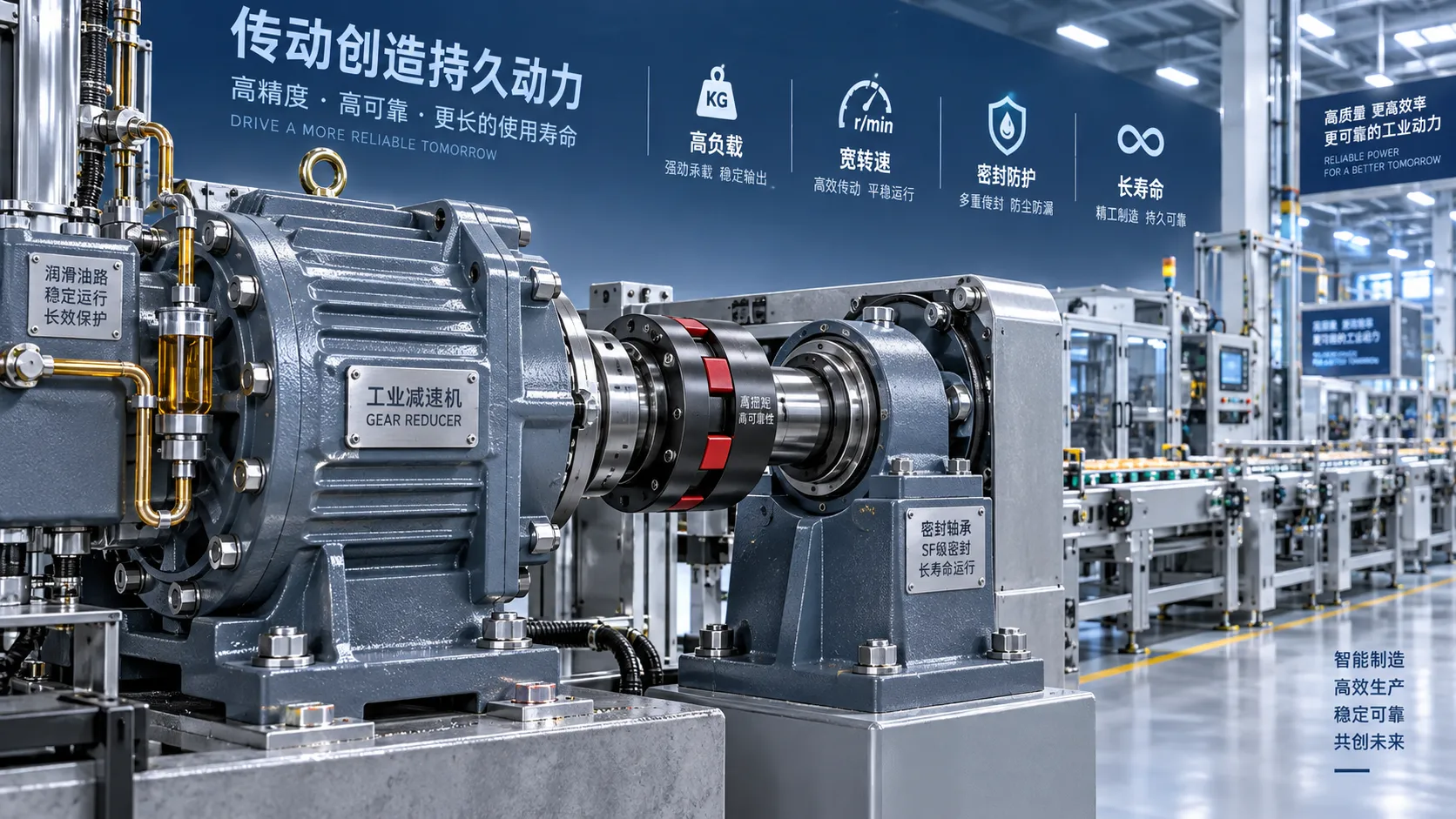
Mechanical Component Selection: Key Criteria for Load, Speed, Environment, and Service Life
Mechanical component selection made practical: evaluate load, speed, environment, lubrication, and service life to improve reliability, reduce downtime, and control lifecycle costs.
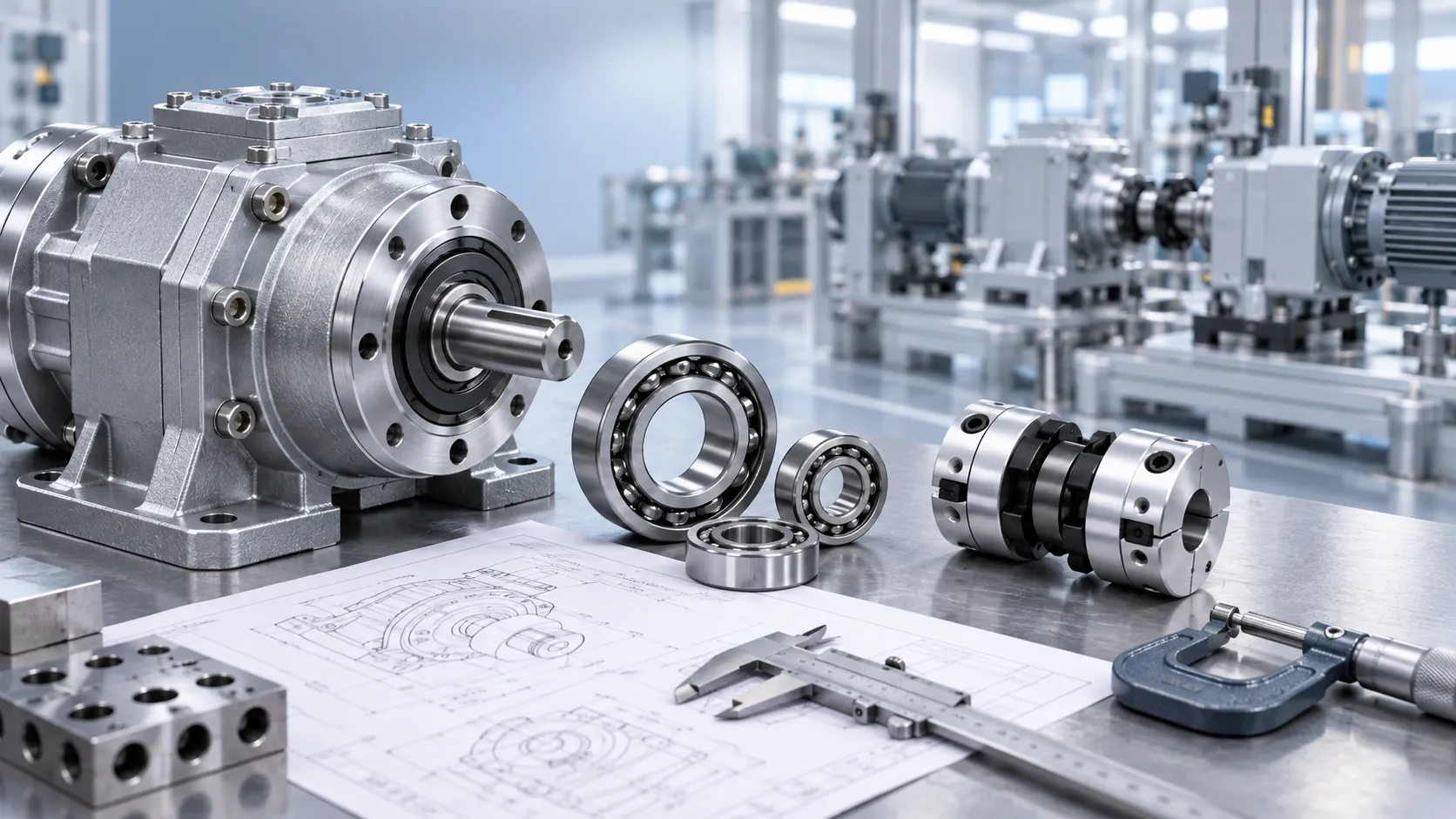
What to Request in Component Specification Resources Before Choosing a Supplier
Industrial component specification resources supplier guide: request drawings, material data, ratings, validation, and change control to choose reliable suppliers and reduce lifecycle risk.
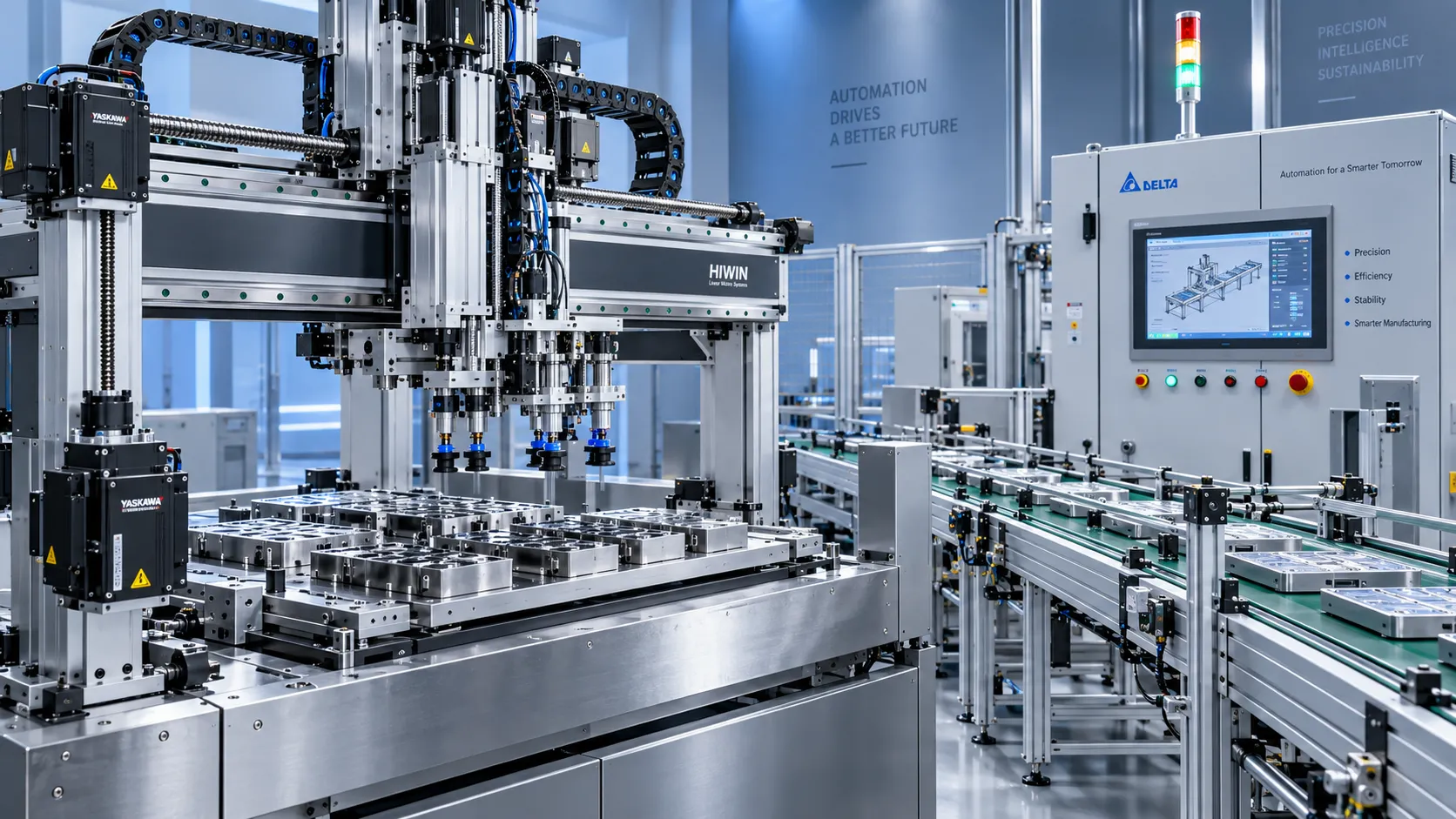
How to Specify Multi-Axis Motion Control for High-Precision Automated Machines
Master multi axis motion control for high-precision automation—optimize synchronization, feedback, mechanics, safety, and lifecycle reliability.
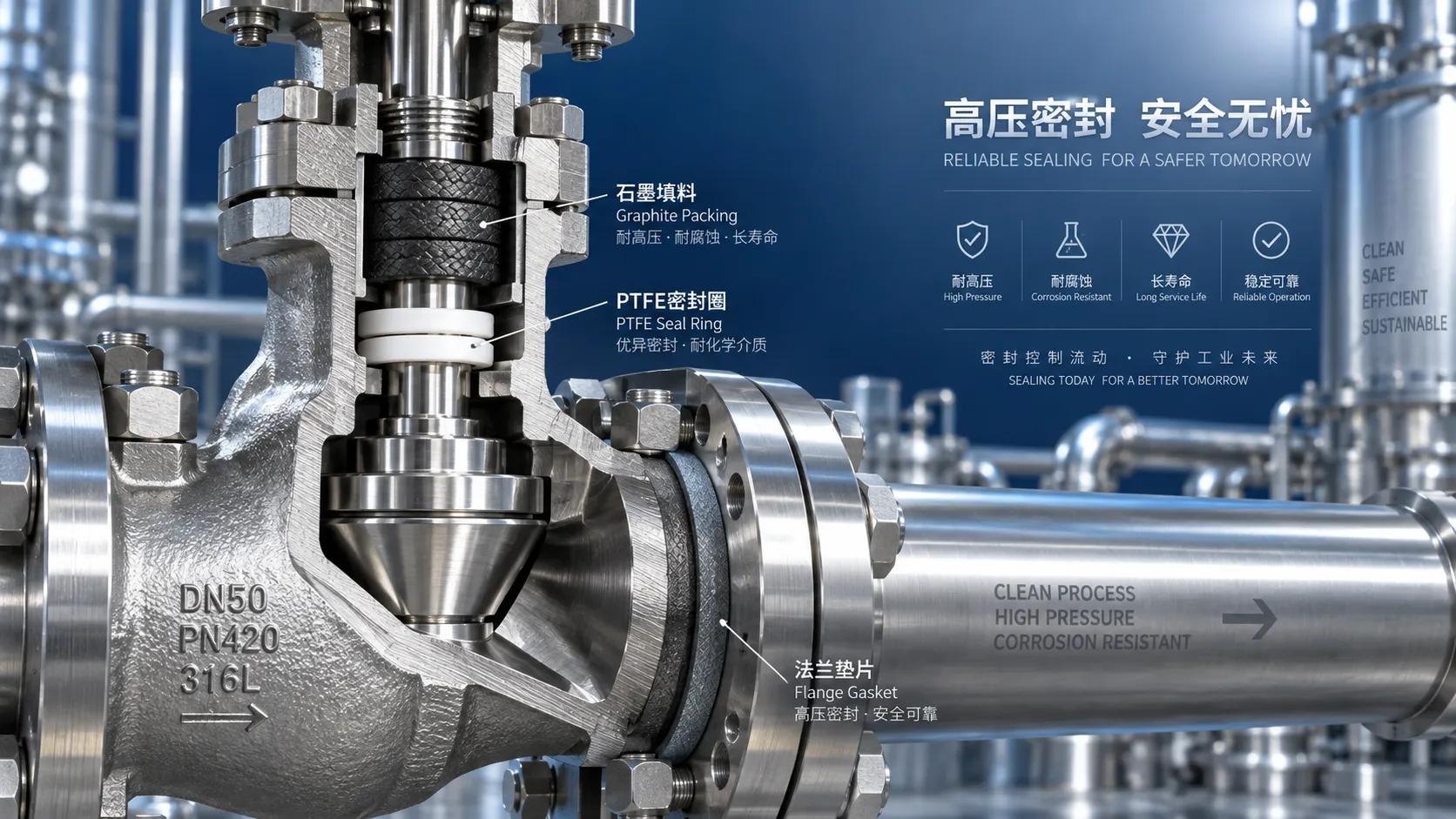
Selecting Valve Sealing Solutions for High-Pressure and Corrosive Service
Industrial sealing solutions for valves: learn how to select reliable systems for high-pressure, corrosive service, control fugitive emissions, and reduce lifecycle leakage risks.
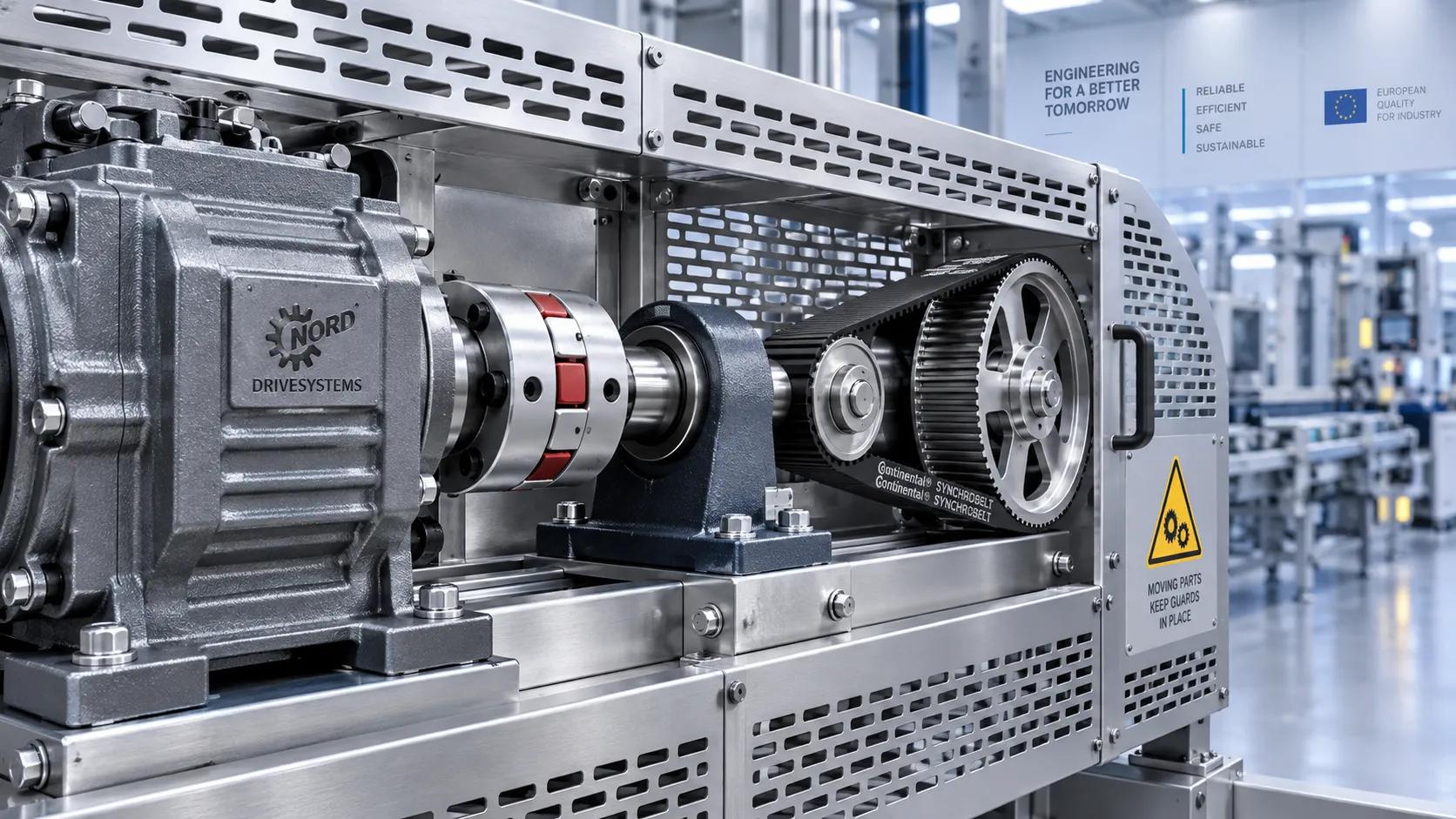
Which European Standards Matter When Specifying Industrial Power Transmission Systems?
Standardized transmission systems Europe: discover the key EN and ISO standards for safer, compliant gear units, belts, couplings, bearings, seals, and ATEX applications.
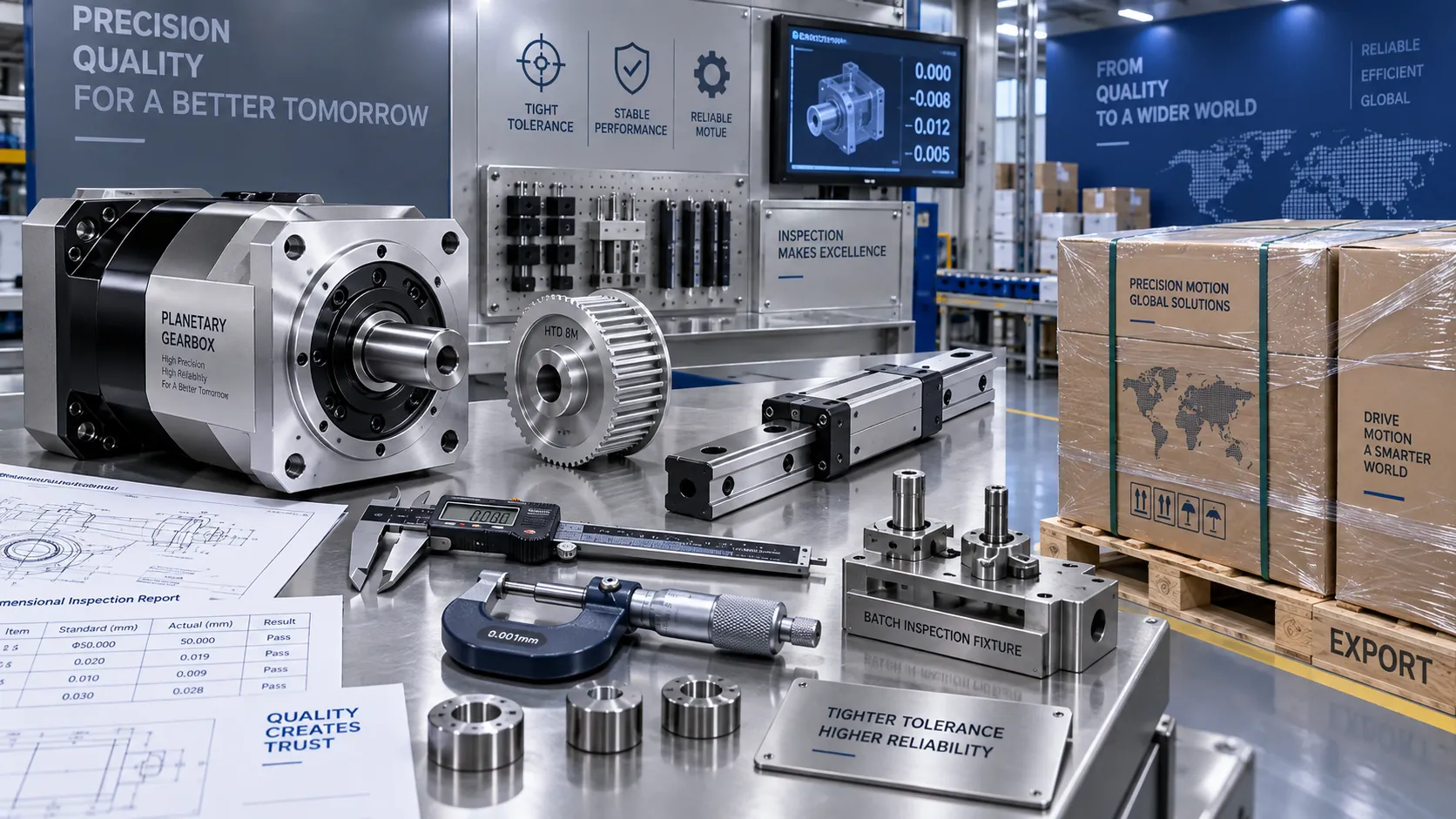
How to Vet a Motion Control Components Exporter for Global OEM Supply?
Motion control components exporter vetting guide for global OEMs: assess quality, traceability, export readiness, landed cost, and supply resilience before you buy.
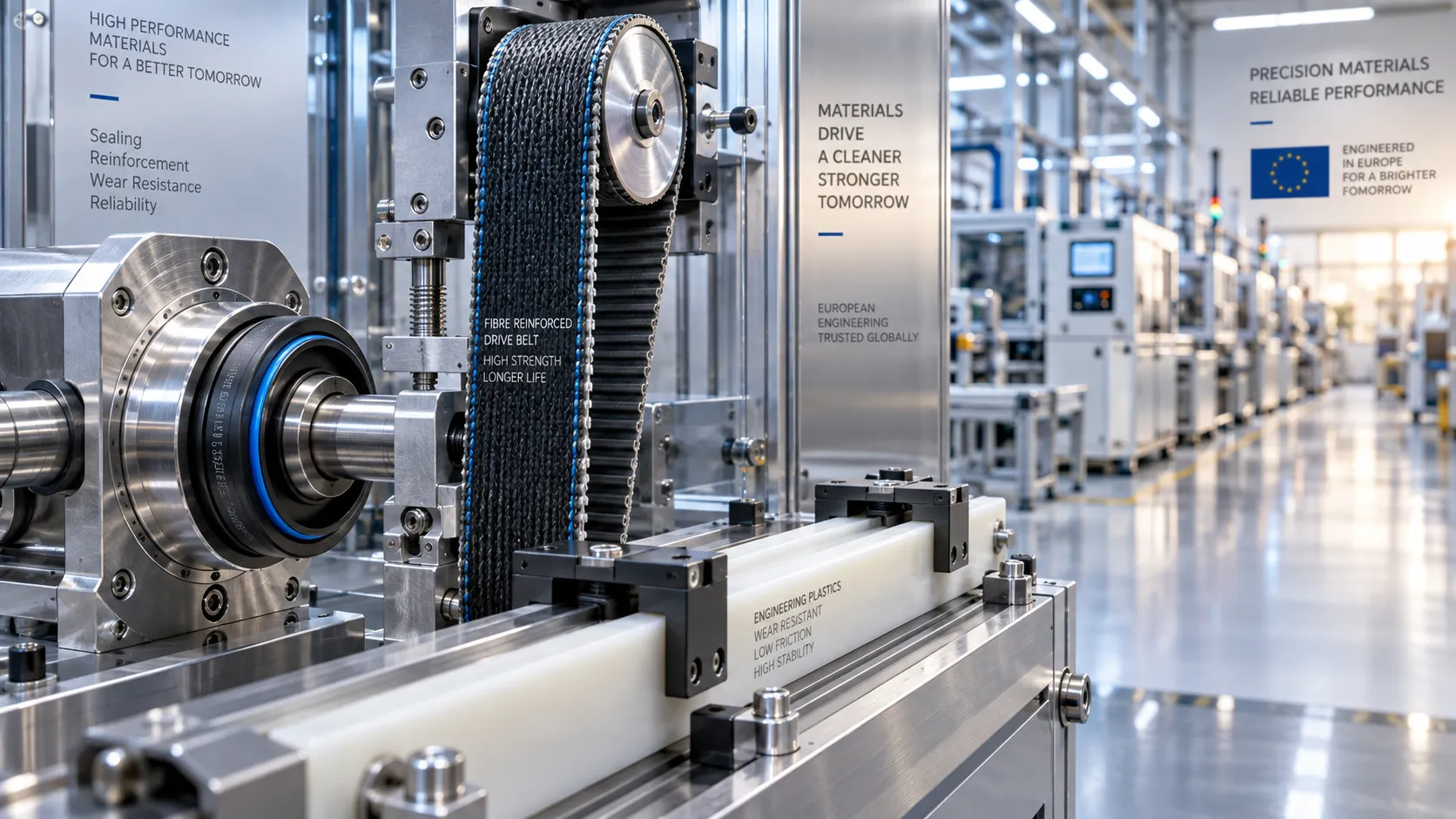
High-Performance Materials in Europe: Sourcing Criteria for Critical Industrial Applications
High-performance materials Europe: learn how to source critical industrial materials using proven criteria for durability, compliance, traceability, lifecycle cost, and supply resilience.
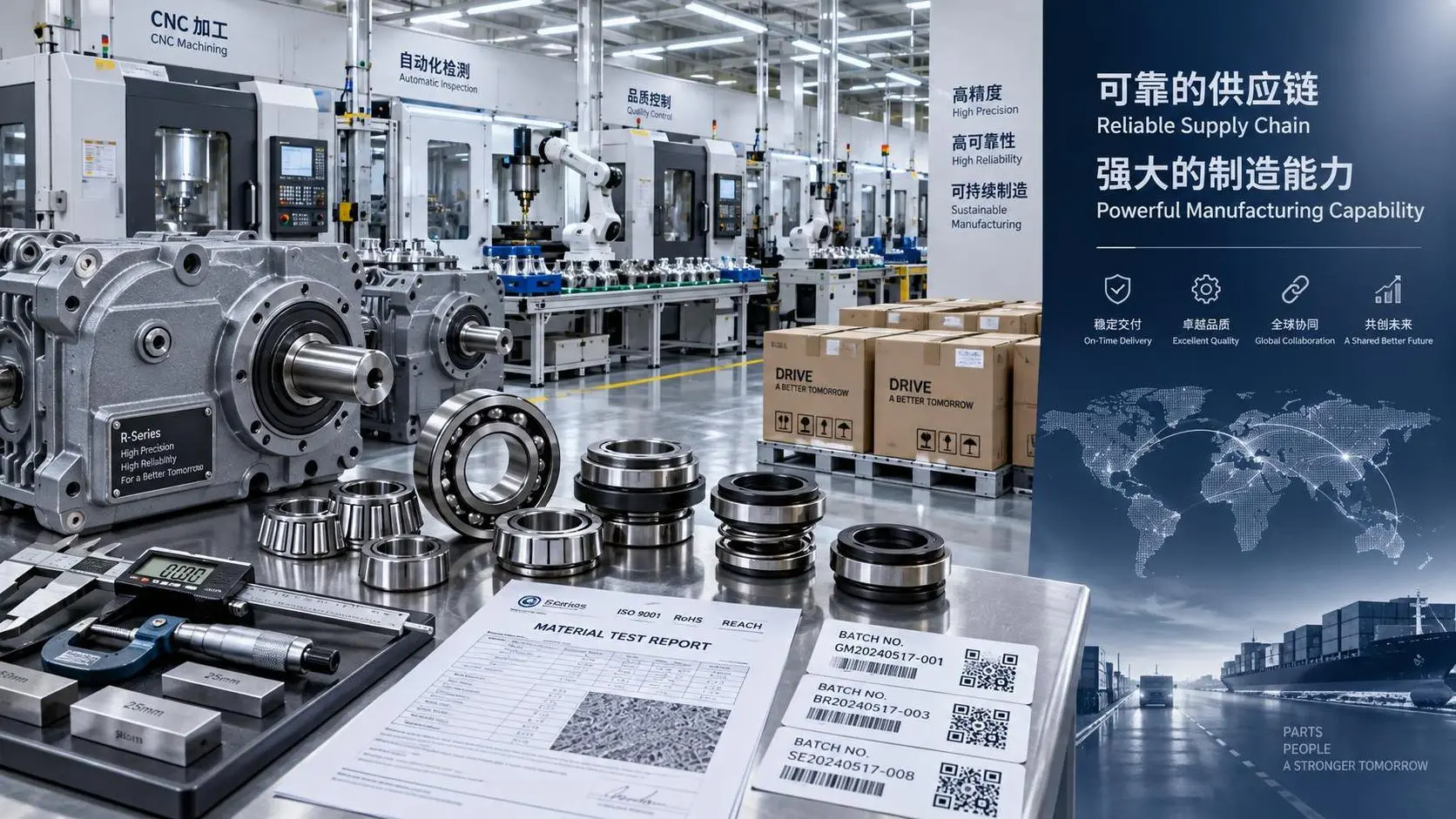
How to Assess a Global Supplier’s Capability Before Awarding a Critical Contract
Global supplier capability review: learn how to verify technical control, quality systems, global delivery resilience, compliance, and service support before awarding a critical contract.
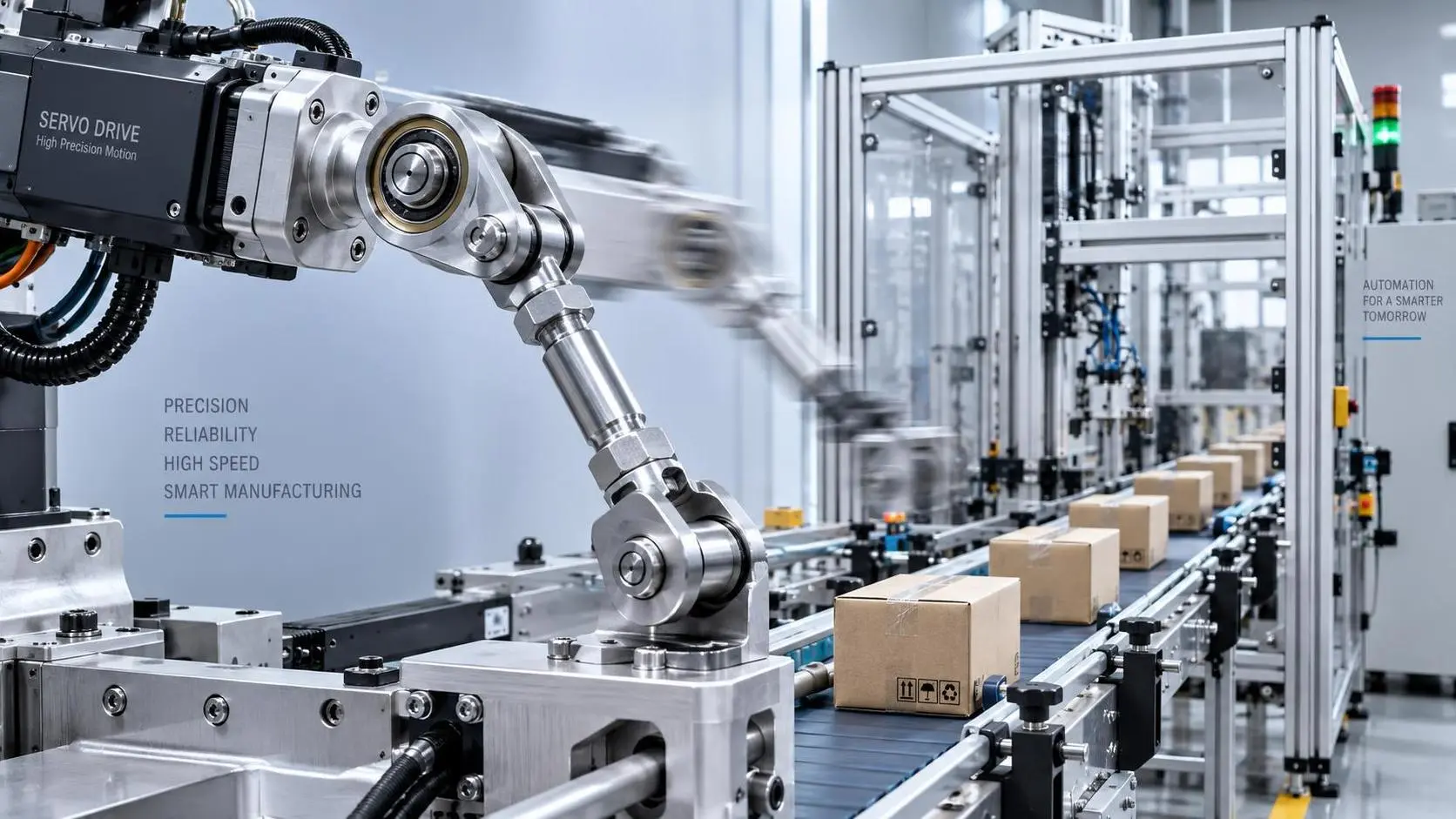
How to Select Mechanical Linkage Components for High-Cycle Automation Equipment
Mechanical linkage technology components: learn how to select reliable rod ends, pins, and joints for high-cycle automation, reducing wear, backlash, downtime, and maintenance risk.