
Industry News
Curation by industry experts
Hot Articles
Popular Tags
Mechanical Linkage Technology Problems That Cause Repeat Downtime
Unexpected repeat downtime often traces back to overlooked mechanical linkage technology issues—misalignment, wear, poor lubrication, or weak component coordination. For after-sales maintenance teams, understanding these failure patterns is essential to restoring reliability faster and preventing recurring shutdowns. This article explores the most common mechanical linkage technology problems behind repeat downtime and how to address them with practical, field-ready solutions.
In industrial power transmission systems, a linkage rarely fails as a single isolated part. More often, belts, couplings, bearings, shafts, reducers, seals, and mounting structures influence one another over weeks or months until the same stoppage returns. For after-sales maintenance personnel, the challenge is not only to restart a machine within 2–4 hours, but to identify why the previous repair did not hold for the next 30, 60, or 90 operating days.
That is where mechanical linkage technology becomes a practical maintenance discipline rather than a design theory. It connects load paths, alignment behavior, lubrication conditions, thermal movement, vibration transfer, and component matching into one service logic. For teams supporting automated production lines, conveyors, pumps, mixers, crushers, fans, and packaging units, a structured approach can reduce repeat interventions, stabilize spare-parts consumption, and improve customer trust.
Why Repeat Downtime Happens in Mechanical Linkage Systems
Repeat downtime usually indicates that the first-level symptom was fixed, but the second-level cause remained active. A replaced coupling may fail again within 3–8 weeks if shaft runout exceeds tolerance. A new belt may slip after 10 days if pulley grooves are worn. A mechanical seal may leak repeatedly if axial movement from bearing clearance was never measured. In each case, the mechanical linkage technology problem is systemic rather than cosmetic.
For after-sales teams, this pattern is common in mixed industrial environments where machines run under variable loads, frequent start-stop cycles, dust contamination, washdown conditions, or limited lubrication access. Even a small deviation such as angular misalignment above 0.5° or soft foot over 0.05 mm can multiply stress across linked components and trigger repeated faults in less than one maintenance cycle.
The 4 Most Common Failure Mechanisms
- Misalignment between motor, gearbox, shaft, or driven equipment
- Progressive wear in couplings, bushings, keys, chains, belts, or gear teeth
- Lubrication failure caused by wrong viscosity, contamination, or under-greasing
- Poor component coordination, such as mismatched stiffness, load rating, or thermal expansion behavior
These mechanisms often overlap. A dry bearing increases vibration, vibration damages a coupling insert, insert degradation creates backlash, and backlash then overloads a reducer input stage. Without tracing the sequence, maintenance records may list 3 separate repairs when the real issue was one unresolved linkage condition.
What Makes Mechanical Linkage Technology So Critical
Mechanical linkage technology matters because industrial power transmission is only as reliable as its weakest mechanical interface. In most service cases, failure develops at joints, contact surfaces, tension paths, or dynamic transitions. The practical goal is to control force transmission, not simply replace damaged parts. This is especially important in systems running 16–24 hours per day, where cumulative micro-movement quickly becomes measurable wear.
The table below summarizes common repeat-downtime triggers and the field symptoms that maintenance teams should recognize early.
The key lesson is that repeat downtime is usually predictable before a major stop occurs. If after-sales teams track vibration trend, temperature rise, lubricant condition, and alignment drift at intervals of 2 weeks or 250 operating hours, they can catch most linkage deterioration before it causes a second shutdown.
The Most Frequent Mechanical Linkage Technology Problems in the Field
Misalignment: The Fastest Route to Repeat Failure
Misalignment remains one of the most underestimated mechanical linkage technology problems. In the field, teams often check whether a machine “looks straight” but skip precision verification after baseplate movement, thermal cycling, or coupling replacement. Yet even radial offset of 0.10–0.20 mm can be enough to overload bearings and flexible elements under continuous duty.
Three forms are especially important: parallel misalignment, angular misalignment, and axial displacement. Parallel error creates continuous side load. Angular error concentrates cyclic stress. Axial movement, often linked to thermal growth, damages seals and thrust components. If a machine reaches operating temperature 20–35 minutes after start-up, cold alignment alone may not be sufficient.
Field checks that should not be skipped
- Measure soft foot before alignment correction
- Check shaft runout and hub fit condition
- Confirm hot-versus-cold position offset where thermal growth is known
- Reinspect after 24–72 hours of production loading
Wear at Interfaces: Small Clearance, Large Consequence
Wear does not only mean a part is old. In mechanical linkage technology, wear often signals unstable motion transfer. Keyways loosen, chain pins elongate, sprockets hook, belt teeth deform, and elastomeric elements harden. These changes increase backlash, reduce torque consistency, and create impact loads during each start-stop event.
A machine that cycles 15 times per hour can accumulate more damaging shock than one running at steady speed for 12 hours. That is why packaging lines, conveyors, feeders, and indexing systems frequently show repeat downtime tied to wear patterns rather than catastrophic breakage. After-sales teams should compare actual wear condition with expected service interval, such as 6 months, 2,000 hours, or 1 million cycles depending on the application type.
Lubrication Mistakes That Keep Returning
Lubrication issues are rarely random. Most recurrent cases come from one of five errors: incorrect lubricant grade, over-lubrication, under-lubrication, contamination ingress, or inconsistent replenishment interval. In linked systems, one lubrication failure easily spreads. For example, an over-greased bearing may run hot, push grease into nearby seals, attract dust, and then raise drag torque across the drive train.
Maintenance teams should define service windows by duty condition rather than by habit. A clean indoor conveyor may require inspection every 500 hours, while a dusty aggregate line may need checks every 100–150 hours. Grease quantity also matters; adding “until it comes out” is not a valid standard for many modern bearing and seal arrangements.
Poor Component Coordination Across the Drive Chain
Another hidden mechanical linkage technology problem is weak coordination between parts that are individually acceptable but collectively unsuitable. A coupling may tolerate misalignment but not torsional shock. A belt may carry nominal power but not peak startup torque. A reducer may be sized for average load while the real operating profile includes 6 starts per minute and repeated reversal.
This is why repeat downtime is common after emergency substitutions. Installing “close enough” components may restore operation for 1 shift or 1 week, but without checking bore fit, stiffness, service factor, speed range, and environmental compatibility, the downtime simply comes back under full production demand.
How After-Sales Maintenance Teams Should Diagnose the Real Cause
A reliable diagnosis process should move from symptom to linkage path, then from linkage path to root cause. In practice, the best field teams do not begin by asking which part failed. They begin by asking how torque, motion, load, heat, and lubrication moved through the system during the 24 hours before the stop. This method shortens repeated troubleshooting and improves first-time repair quality.
A 5-Step Troubleshooting Flow
- Record the downtime event: load state, speed, temperature, noise, vibration, and operator observations
- Inspect the full linkage chain: driver, coupling, shaft, support, driven unit, seals, and guards
- Measure critical conditions: alignment, backlash, bearing temperature, lubricant condition, and fastener integrity
- Compare installed parts with application demand: torque peaks, duty cycle, contamination level, and startup frequency
- Validate after restart: check again after 1 hour, 1 shift, and 1 week if the machine is critical
This flow is particularly effective in plants where maintenance history is fragmented. Even basic trend records across 3 service visits can reveal whether the same mechanical linkage technology problem is slowly progressing or whether a new variable has entered the system.
Inspection Priorities by Symptom
Different symptoms should trigger different diagnostic priorities. Teams that follow a symptom-based checklist usually reduce unnecessary part replacement and improve spare-parts planning. The table below offers a practical guide for common field conditions.
The most important takeaway is that a failed part should be treated as evidence, not as the entire diagnosis. Mechanical linkage technology requires teams to interpret where the damaging load originated and how it traveled through the connected system.
Practical Prevention Measures That Reduce Repeat Shutdowns
Standardize Tolerance-Based Maintenance
Maintenance quality improves when teams use tolerance-based decisions instead of visual judgment alone. Define acceptable limits for alignment offset, vibration trend, bearing temperature rise, backlash growth, and lubricant contamination. Even simple internal thresholds such as temperature increase of 15°C over baseline or fastener recheck at 50 operating hours can prevent a large share of recurring faults.
Match Spare Parts to Real Operating Duty
Emergency spare substitution is one of the biggest causes of repeat downtime. After-sales teams should verify at least 6 points before installation: dimensional fit, torque requirement, speed range, duty cycle, environmental resistance, and compatibility with adjacent components. A replacement that fits physically but ignores peak load or contamination exposure will often fail well before the planned maintenance window.
Build a Short Feedback Loop Between Field Service and Engineering Intelligence
In complex industrial systems, maintenance data becomes more valuable when converted into repeatable decision support. Platforms focused on power transmission intelligence, component reliability, material behavior, and service trends can help teams compare field symptoms with broader application patterns. This is especially useful when issues involve high-performance belts, gear reducers, sealing systems, or lubrication behavior under extreme duty conditions.
For organizations managing multiple sites, a monthly review of the top 10 repeat stoppages can reveal where a mechanical linkage technology issue is shared across lines, plants, or equipment families. That reduces reactive repairs and supports better sourcing, stocking, and maintenance planning.
Common Mistakes to Avoid
- Replacing only the failed element without checking the mating surfaces
- Aligning equipment before correcting soft foot or base looseness
- Using generic grease across bearings, reducers, and sealed interfaces
- Ignoring thermal growth in machines with long continuous runs
- Restarting critical assets without a 24-hour verification check
Avoiding these mistakes does not require expensive digitalization in every case. It requires disciplined inspection, repeatable service routines, and a stronger understanding of how linked components behave as one transmission system.
Turning Mechanical Linkage Technology Insight Into Better Service Outcomes
For after-sales maintenance personnel, the value of mechanical linkage technology is practical and immediate: fewer repeated callbacks, longer component life, more stable customer operations, and clearer maintenance decisions. The best results come when teams look beyond the failed part and manage the full interaction among alignment, wear, lubrication, load transfer, and component coordination.
If your operation is dealing with recurring shutdowns in couplings, belts, reducers, bearings, shafts, or sealing assemblies, a structured linkage review can identify the hidden cause faster than repeated replacement alone. GPT-Matrix supports industrial decision-makers and service teams with high-value intelligence across power transmission, motion control, and critical sealing applications. Contact us now to discuss your maintenance challenge, request a tailored solution path, or learn more about practical strategies for reducing repeat downtime.
Recommended News
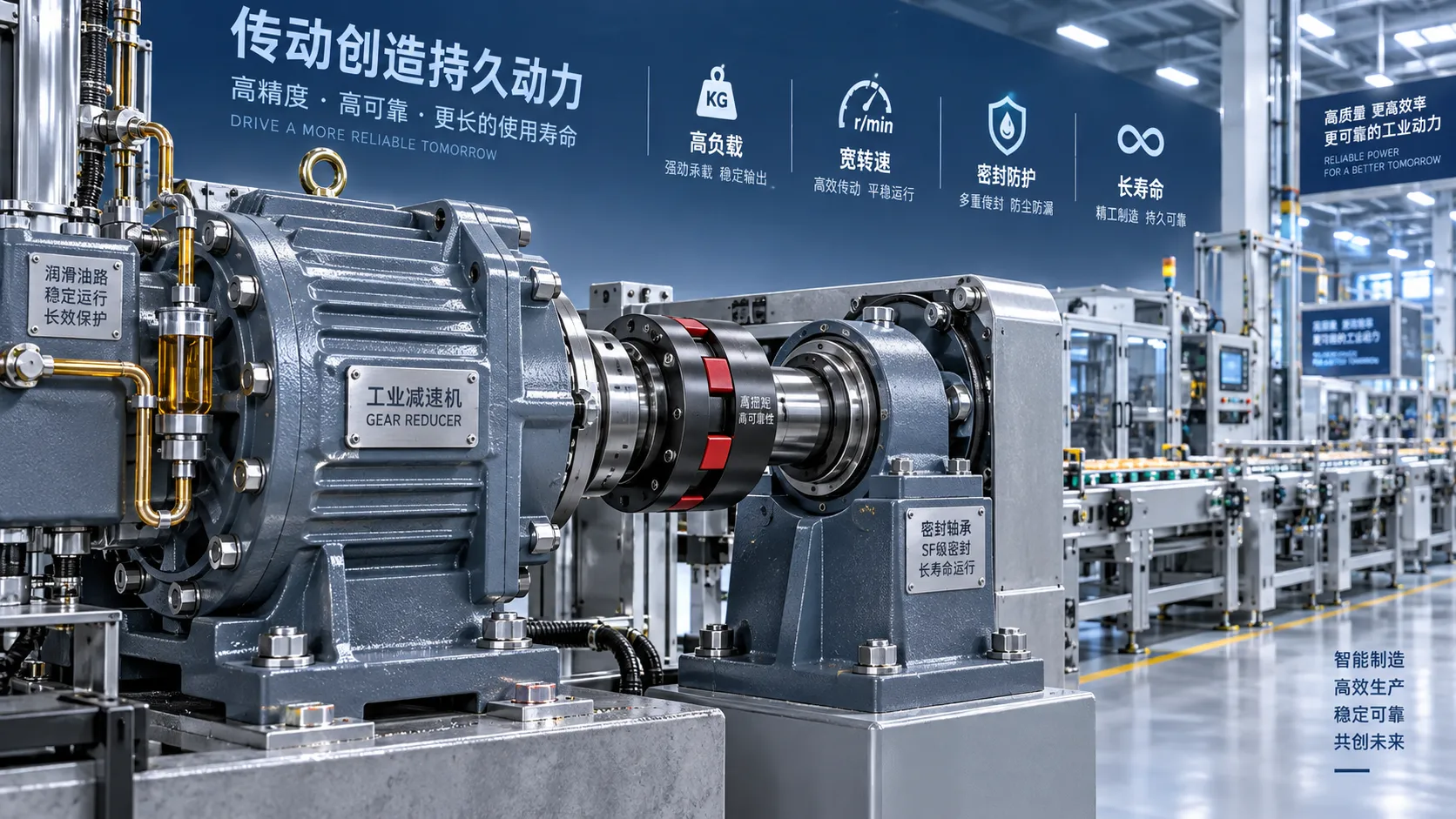
Mechanical Component Selection: Key Criteria for Load, Speed, Environment, and Service Life
Mechanical component selection made practical: evaluate load, speed, environment, lubrication, and service life to improve reliability, reduce downtime, and control lifecycle costs.
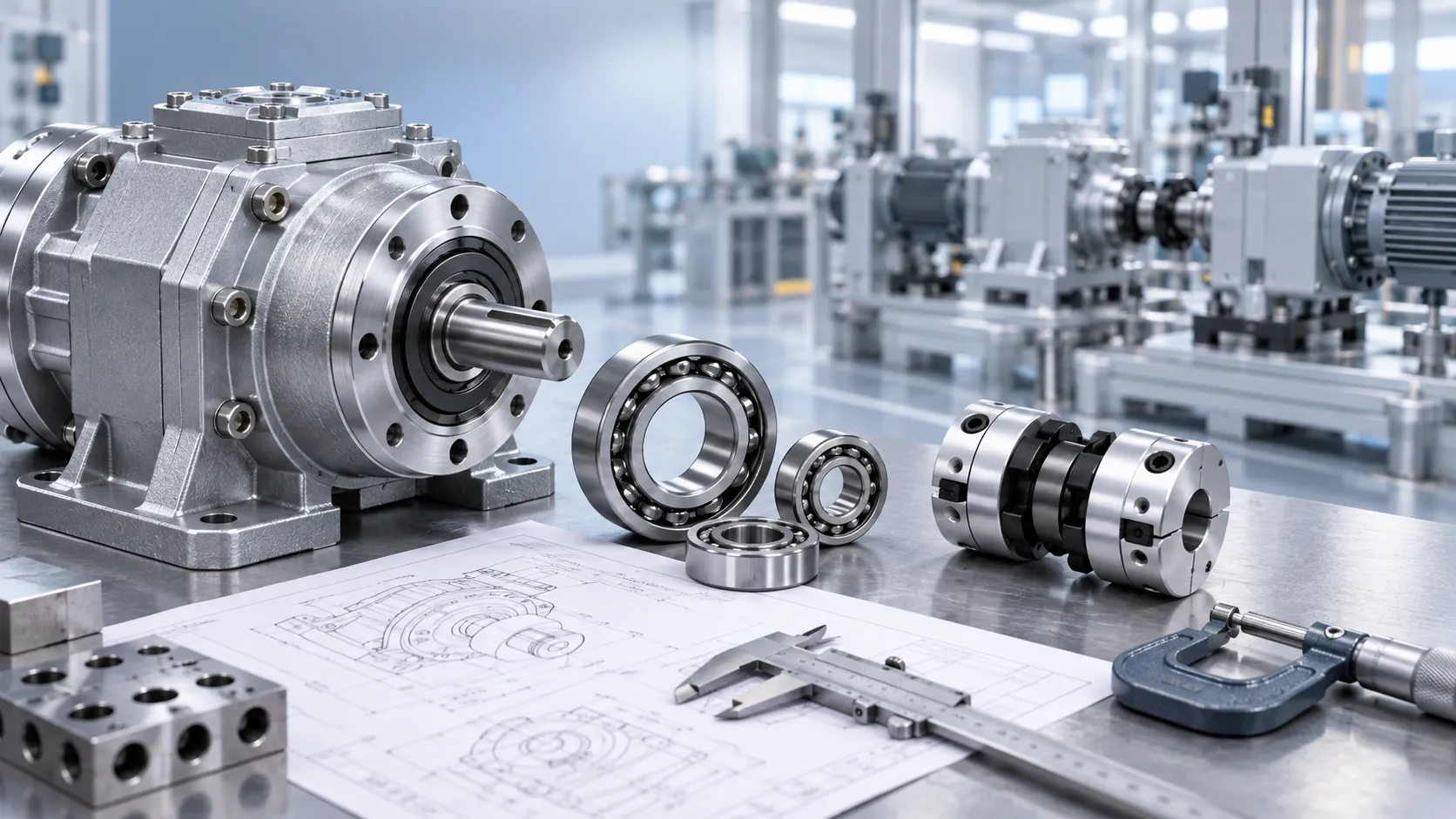
What to Request in Component Specification Resources Before Choosing a Supplier
Industrial component specification resources supplier guide: request drawings, material data, ratings, validation, and change control to choose reliable suppliers and reduce lifecycle risk.
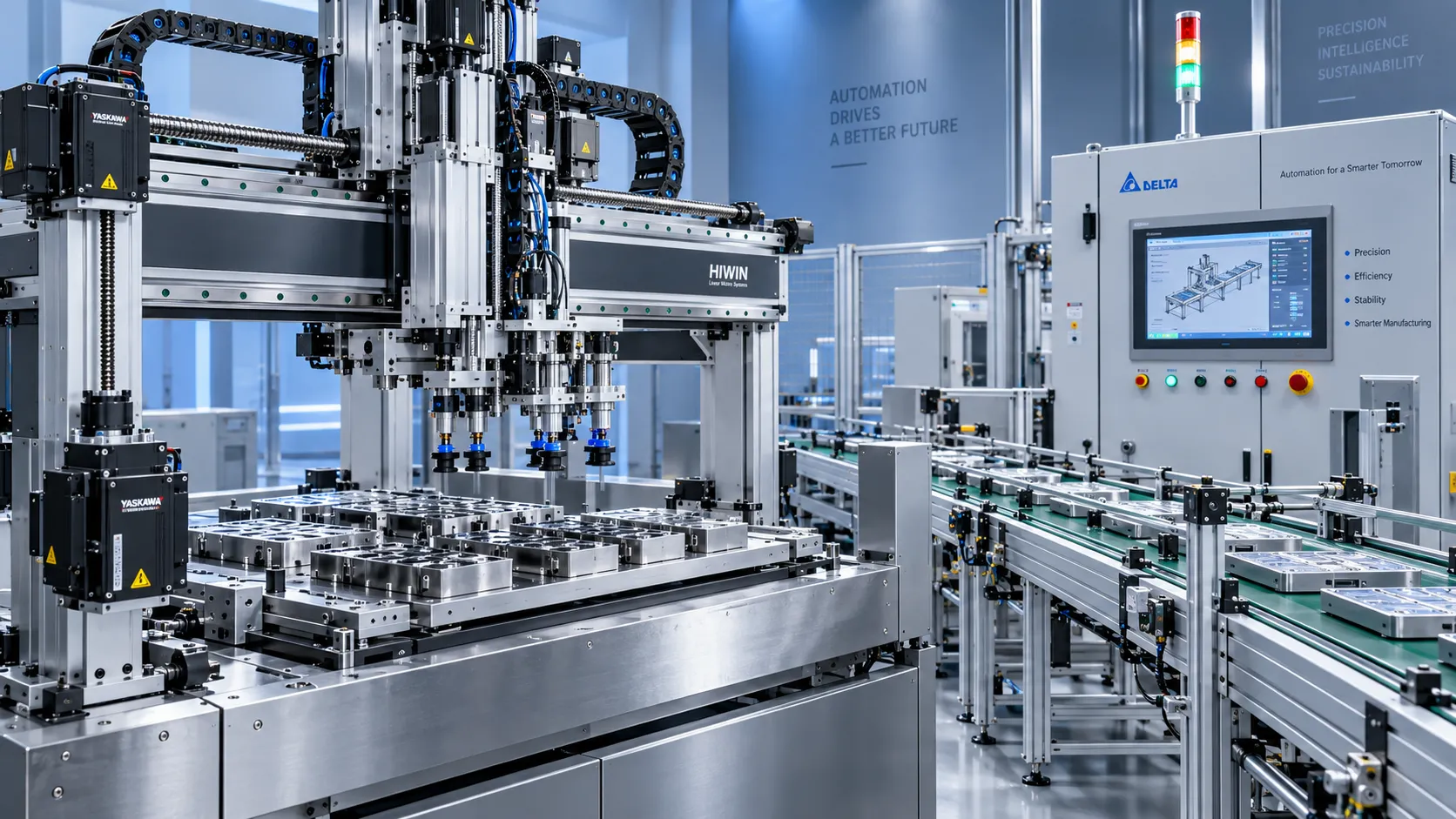
How to Specify Multi-Axis Motion Control for High-Precision Automated Machines
Master multi axis motion control for high-precision automation—optimize synchronization, feedback, mechanics, safety, and lifecycle reliability.
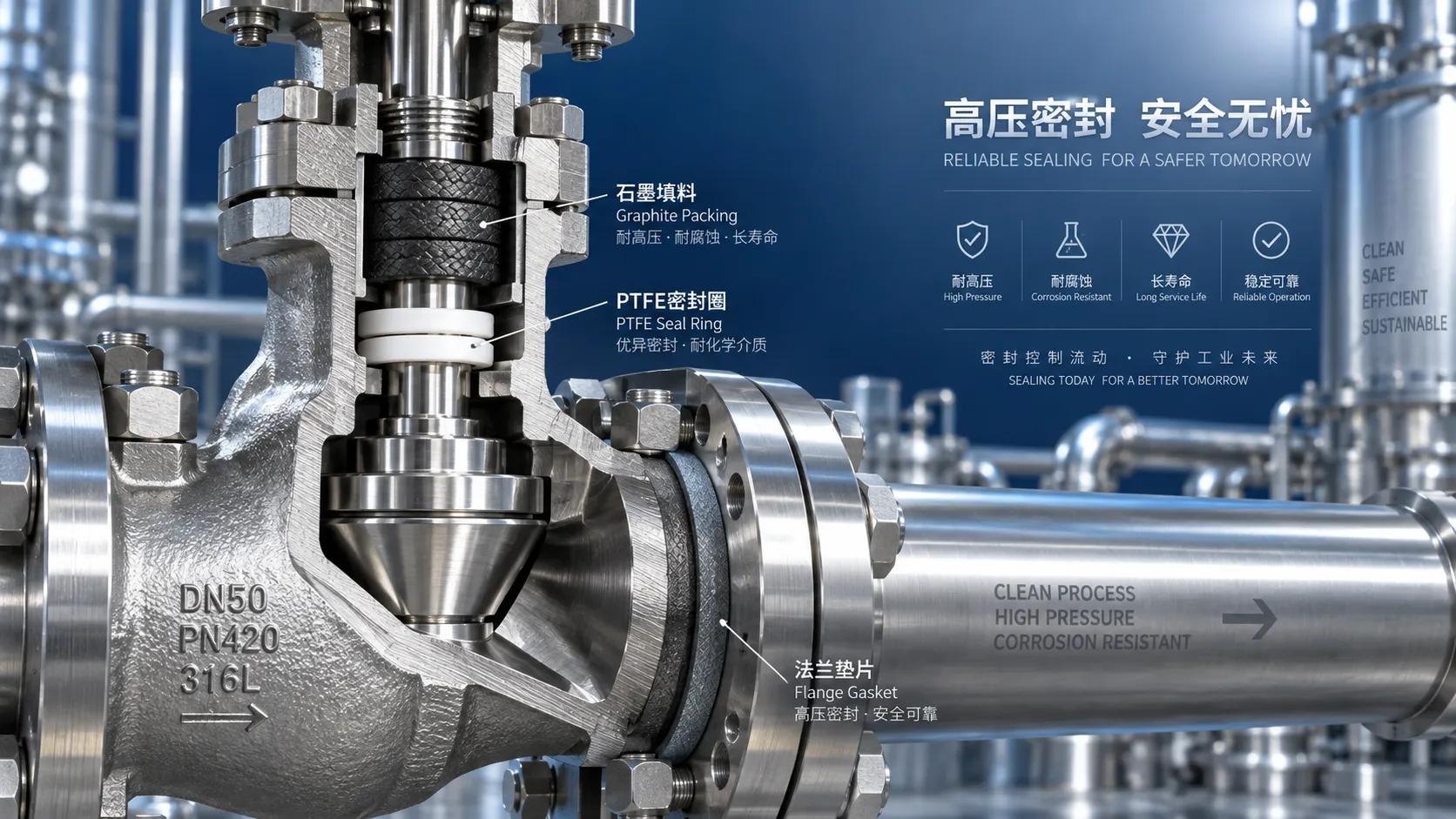
Selecting Valve Sealing Solutions for High-Pressure and Corrosive Service
Industrial sealing solutions for valves: learn how to select reliable systems for high-pressure, corrosive service, control fugitive emissions, and reduce lifecycle leakage risks.
Which European Standards Matter When Specifying Industrial Power Transmission Systems?
Standardized transmission systems Europe: discover the key EN and ISO standards for safer, compliant gear units, belts, couplings, bearings, seals, and ATEX applications.
How to Vet a Motion Control Components Exporter for Global OEM Supply?
Motion control components exporter vetting guide for global OEMs: assess quality, traceability, export readiness, landed cost, and supply resilience before you buy.
High-Performance Materials in Europe: Sourcing Criteria for Critical Industrial Applications
High-performance materials Europe: learn how to source critical industrial materials using proven criteria for durability, compliance, traceability, lifecycle cost, and supply resilience.
How to Assess a Global Supplier’s Capability Before Awarding a Critical Contract
Global supplier capability review: learn how to verify technical control, quality systems, global delivery resilience, compliance, and service support before awarding a critical contract.
How to Select Mechanical Linkage Components for High-Cycle Automation Equipment
Mechanical linkage technology components: learn how to select reliable rod ends, pins, and joints for high-cycle automation, reducing wear, backlash, downtime, and maintenance risk.