
Industry News
Curation by industry experts
Hot Articles
Popular Tags
When Heavy Equipment Transmission Wear Starts Cutting Output
When heavy equipment transmission wear begins to cut output, operators often notice the damage only after fuel use rises, shifts turn rough, and downtime starts eating into schedules. Understanding these early warning signs is essential for keeping machines productive, safe, and cost-efficient. This article explains how wear develops, what symptoms matter most, and how timely action can protect performance in demanding industrial environments.
For operators in construction, mining, material handling, quarrying, agriculture, and plant support fleets, heavy equipment transmission health is not a background issue. It directly affects daily output, load response, traction, cycle time, and machine stability. A worn transmission can reduce effective power transfer by small increments at first, but over 2 to 8 weeks those losses can build into measurable productivity declines, higher maintenance cost, and increased safety exposure.
In practical terms, transmission wear is rarely a single failure. It is usually a chain reaction involving heat, contamination, poor lubrication, friction material breakdown, misalignment, shock loading, or delayed service response. For teams relying on high-utilization assets that run 8 to 20 hours per day, recognizing the first 5 to 7 warning signs often makes the difference between a planned repair window and an unplanned stoppage.
Why heavy equipment transmission wear reduces output faster than many operators expect
A heavy equipment transmission does more than change speed. It manages torque delivery, load transition, directional response, and operating efficiency across varying terrain and duty cycles. Once wear begins inside clutch packs, gears, bearings, seals, or control components, the machine may still move and work, but the quality of power transfer deteriorates. That decline often starts as a 3% to 8% performance drop before it becomes a visible breakdown.
Wear usually begins in predictable operating conditions
Most transmission wear in heavy equipment develops under repeated high-load starts, frequent shuttle shifting, poor warm-up routines, overloaded cycles, or extended operation in dust, mud, or high ambient temperatures above 35°C. Machines working on steep grades or carrying uneven loads may also experience accelerated internal stress. If fluid temperature stays elevated for several shifts in a row, oil film stability can weaken and wear rates often increase sharply.
Common triggers operators should watch
- Repeated hard shifting during short-cycle operation
- Low or degraded transmission fluid after 250 to 500 operating hours
- Cooling system restriction causing thermal overload
- Contaminants such as metal fines, water, or dust entering the system
- Delayed filter changes or use of the wrong fluid grade
- Operating at maximum load for long periods without cooldown intervals
These factors do not always produce immediate failure, which is why heavy equipment transmission issues are often underestimated. Operators may compensate unconsciously by increasing throttle, changing work rhythm, or accepting slower response. The machine still completes tasks, but output per hour starts slipping while fuel and component stress keep rising.
The link between wear, efficiency, and downtime
As internal wear progresses, energy that should move the machine is lost through friction, slip, and heat. In loader, dozer, haul truck, and excavator support applications, even a modest transmission inefficiency can affect cycle times by 5% to 12%. On a machine completing 40 to 60 cycles per shift, that decline can mean several lost loads by the end of the day.
The financial impact is broader than repair cost alone. One transmission-related stoppage may trigger idle labor, delayed material flow, rescheduling of adjacent equipment, and missed dispatch targets. For operators, the more practical lesson is simple: the earlier wear is identified, the lower the chance that a small service issue becomes a major shutdown event.
Early warning signs operators should not ignore
Heavy equipment transmission wear rarely stays hidden if operators know what to monitor. The first indicators usually appear in sound, shift quality, fluid condition, and machine response. Paying attention during the first 10 to 15 minutes of operation and under loaded conditions can reveal problems long before a fault code or complete loss of drive appears.
Seven field symptoms that often signal active wear
The table below outlines common symptoms, what they can indicate, and why they matter in daily operations. These are not brand-specific rules, but they reflect typical heavy equipment transmission behavior across many industrial machines.
The key conclusion is that symptoms rarely appear alone. If two or more of these signs show up within the same 50 to 100 operating hours, operators should escalate inspection priority. A heavy equipment transmission that hesitates, overheats, and shows dirty fluid is not simply “running a little rough.” It is usually telling the crew that internal wear is advancing.
What operators can check during a normal shift
- Check for delayed response when shifting from neutral to forward or reverse.
- Monitor fluid temperature trends, not just absolute peak values.
- Listen for changes in pitch during acceleration, deceleration, and directional changes.
- Inspect the ground and housing for fresh leaks at the start and end of each shift.
- Review whether travel speed and pushing force feel different under the same load.
- Report even minor changes if they persist for 2 to 3 shifts.
This kind of operator feedback is valuable because many wear problems emerge in real work conditions before they become obvious during static inspection. In fleets with strong reporting discipline, maintenance teams often catch transmission issues 1 to 2 weeks earlier than in operations where minor symptoms are dismissed.
How to respond before wear becomes a major repair event
A practical response plan should focus on confirming severity, protecting remaining component life, and minimizing output disruption. Not every transmission issue requires immediate overhaul, but every sign of active wear requires structured follow-up. Waiting until a machine loses drive completely often turns a serviceable condition into a more expensive rebuild.
A 4-step field response process
Step 1: Record the symptom pattern
Note when the issue occurs: cold start, after 30 minutes, under uphill load, during reverse shuttle, or at top travel speed. This timing matters. A symptom that appears only after fluid reaches operating temperature may point to pressure loss or viscosity-related problems rather than a simple control delay.
Step 2: Check fluid and filtration condition
Inspect fluid level, color, odor, and visible contamination. Review filter service history. In many operations, overdue fluid or filter changes by even 100 to 150 hours can worsen wear progression, especially in dusty or high-load applications.
Step 3: Reduce unnecessary stress
If the machine must stay in service briefly, reduce shock loading, avoid abrupt directional changes, shorten continuous full-load runs, and watch temperature more closely. This does not solve the problem, but it can limit additional damage until inspection is completed.
Step 4: Schedule targeted diagnostics
A proper diagnostic path may include pressure checks, oil sampling, filter debris review, cooler inspection, and operating test evaluation. For machines central to production, scheduling this within 24 to 72 hours is often more cost-effective than running until failure.
The response plan below helps operators and supervisors decide what level of action makes sense based on symptom severity and operating risk.
This framework supports a more disciplined decision process. Instead of relying on guesswork, teams can match observed symptoms to action timing. That reduces the chance of either overreacting to a minor issue or underreacting to a serious heavy equipment transmission problem that is about to escalate.
Maintenance practices that extend transmission life and protect output
Preventing wear is usually less expensive than correcting it. In industrial fleets, transmission life depends not only on component quality but also on operating discipline, contamination control, and inspection frequency. A preventive program does not need to be complicated, but it must be consistent and adapted to actual duty severity.
Five maintenance priorities with strong field value
- Follow fluid and filter intervals based on application severity, not only calendar time.
- Inspect cooling performance because heat is one of the fastest wear multipliers.
- Track small leaks before they become low-pressure or contamination problems.
- Train operators to avoid abusive shifting and prolonged overload conditions.
- Use routine inspections every 250 operating hours, with more frequent checks in severe environments.
For heavy equipment transmission systems working in abrasive environments, contamination control is especially important. Fine particles can circulate through the system and damage precision surfaces over time. In practical terms, one poorly sealed service point or one delayed filter replacement can shorten the useful life of otherwise healthy components.
Operator habits that make a measurable difference
Operators influence transmission life every day. A 3- to 5-minute warm-up under appropriate conditions helps fluid circulate and stabilize. Smooth directional changes reduce torque shock. Avoiding unnecessary high-rpm engagement under load can lower clutch and gear stress. Over a 1,000-hour operating period, these habits may not look dramatic shift by shift, but they often separate stable fleets from problem fleets.
The same principle applies to reporting. If operators wait until a machine becomes difficult to control, the repair window has already narrowed. Early reporting allows maintenance teams to inspect before secondary damage spreads to seals, bearings, cooling components, or adjacent driveline parts.
Using technical intelligence to improve decision-making on transmission wear
Operators need practical field awareness, but fleet managers and maintenance planners also need broader intelligence to make better decisions on replacement timing, component selection, lubrication strategy, and service intervals. That is where a specialized industrial intelligence platform becomes valuable. For businesses navigating power transmission and mechanical reliability issues, structured technical insight can reduce uncertainty and shorten the gap between symptom detection and corrective action.
Why broader market and engineering insight matters
Transmission wear decisions are influenced by more than one machine. Raw material price shifts, parts lead times, lubricant availability, sealing technology improvements, and reliability trends in reducers, belts, and mechanical seals all affect maintenance planning. A team that understands these patterns can make more resilient choices over the next 3 to 12 months instead of reacting only to the next breakdown.
GPT-Matrix supports this need by focusing on industrial power transmission, motion control, and critical sealing technologies. Its Strategic Intelligence Center connects material science, tribology insight, and market movement into usable guidance for distributors, decision-makers, and operational teams. For users and operators, that translates into clearer understanding of what wear means, what service priorities matter most, and how maintenance choices influence uptime and energy efficiency.
Where this helps in everyday operations
- Comparing long-life versus standard-life transmission-related components
- Understanding how lubrication and sealing choices affect reliability under extreme conditions
- Planning around delivery cycles that may range from 2 to 6 weeks for key mechanical parts
- Reducing repeat failures by using application-based, not generic, maintenance decisions
In an industrial environment shaped by Industry 4.0, energy pressure, and higher uptime targets, transmission wear should never be treated as a simple repair issue. It is an operational efficiency issue, a cost control issue, and in many cases a strategic maintenance issue.
Heavy equipment transmission wear starts as a technical detail but quickly becomes a production problem when shift quality drops, heat builds, and cycle times slow down. Operators who recognize the first warning signs, document them clearly, and trigger inspection early can help prevent avoidable downtime and preserve machine output. Maintenance teams that combine field checks with structured technical intelligence are in a stronger position to improve reliability, control cost, and support safer operation.
If your team is evaluating transmission wear risks, looking for guidance on power transmission components, or planning a more reliable maintenance strategy, GPT-Matrix can help you move from reactive repair to informed action. Contact us today to explore tailored insights, consult on component decisions, or learn more solutions for industrial transmission performance.
- power transmission
- motion control
- sealing technologies
- industrial transmission
- mechanical seals
- tribology
- heavy equipment
- material science
- Industry 4.0
- transmission components
- industrial intelligence
- extreme conditions
- industrial power transmission
- critical sealing
- industrial intelligence platform
- heavy equipment transmission
- heavy equipment transmission systems
Recommended News
Mechanical Component Selection: Key Criteria for Load, Speed, Environment, and Service Life
Mechanical component selection made practical: evaluate load, speed, environment, lubrication, and service life to improve reliability, reduce downtime, and control lifecycle costs.
What to Request in Component Specification Resources Before Choosing a Supplier
Industrial component specification resources supplier guide: request drawings, material data, ratings, validation, and change control to choose reliable suppliers and reduce lifecycle risk.
How to Specify Multi-Axis Motion Control for High-Precision Automated Machines
Master multi axis motion control for high-precision automation—optimize synchronization, feedback, mechanics, safety, and lifecycle reliability.
Selecting Valve Sealing Solutions for High-Pressure and Corrosive Service
Industrial sealing solutions for valves: learn how to select reliable systems for high-pressure, corrosive service, control fugitive emissions, and reduce lifecycle leakage risks.
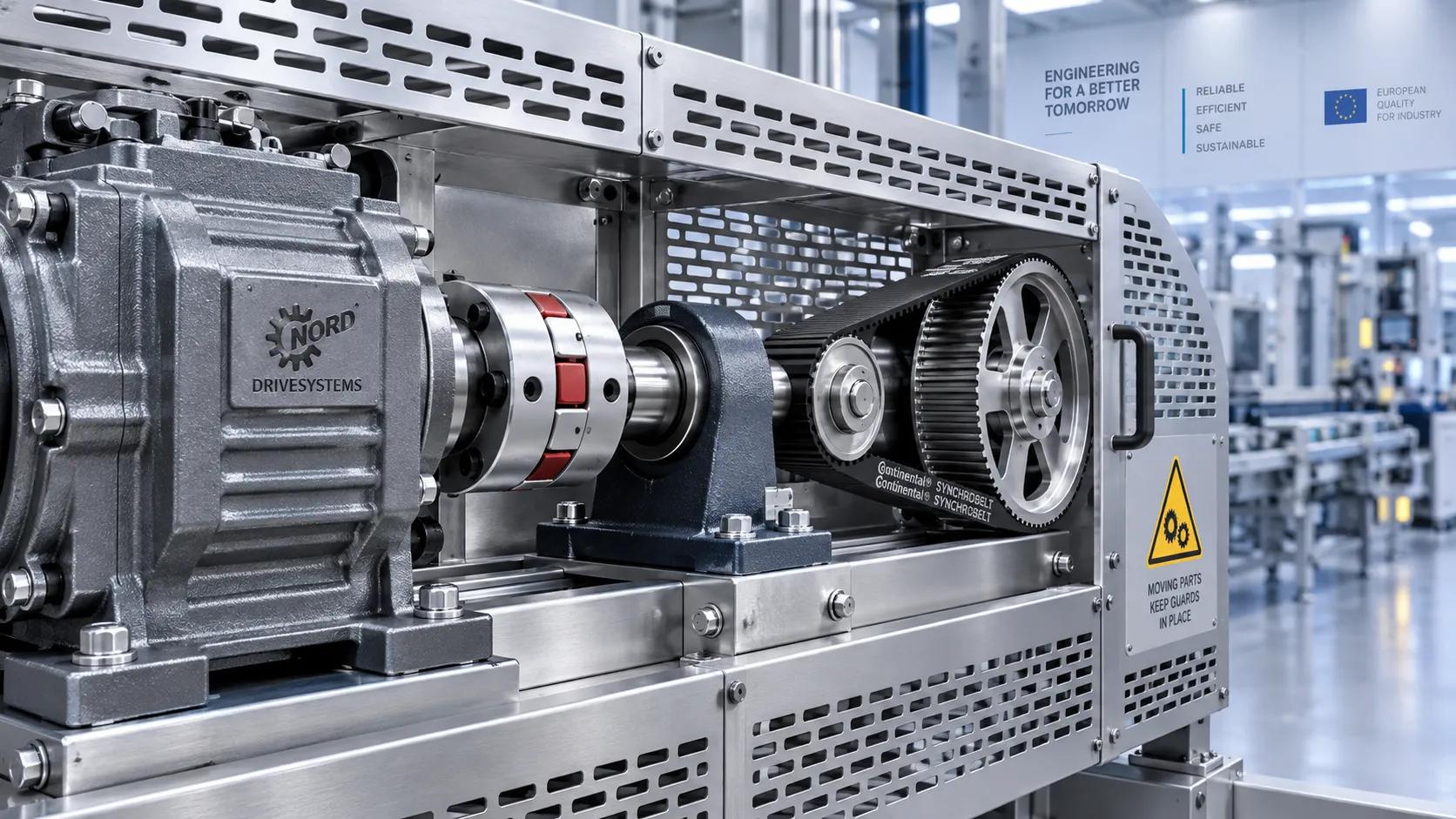
Which European Standards Matter When Specifying Industrial Power Transmission Systems?
Standardized transmission systems Europe: discover the key EN and ISO standards for safer, compliant gear units, belts, couplings, bearings, seals, and ATEX applications.
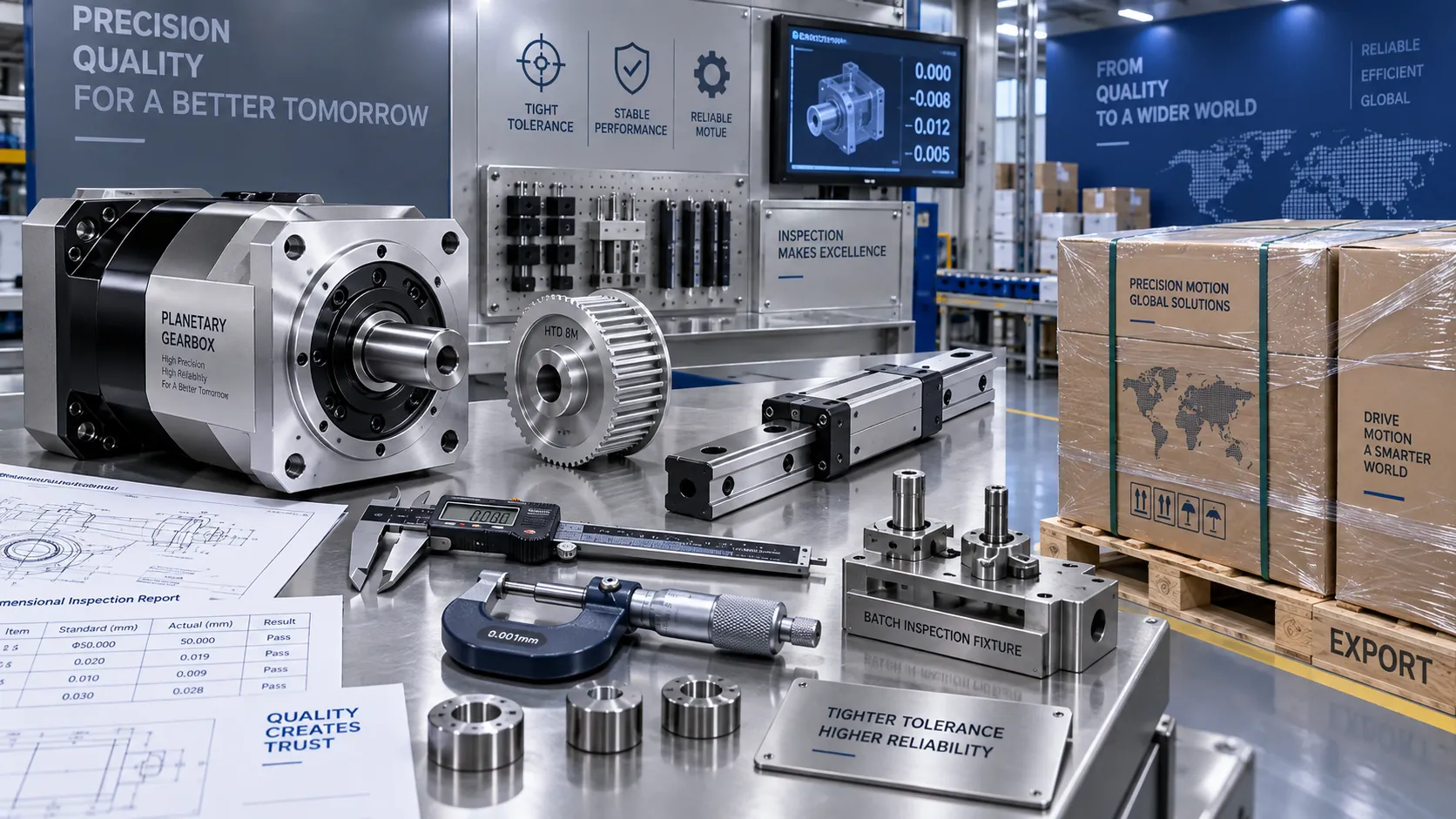
How to Vet a Motion Control Components Exporter for Global OEM Supply?
Motion control components exporter vetting guide for global OEMs: assess quality, traceability, export readiness, landed cost, and supply resilience before you buy.
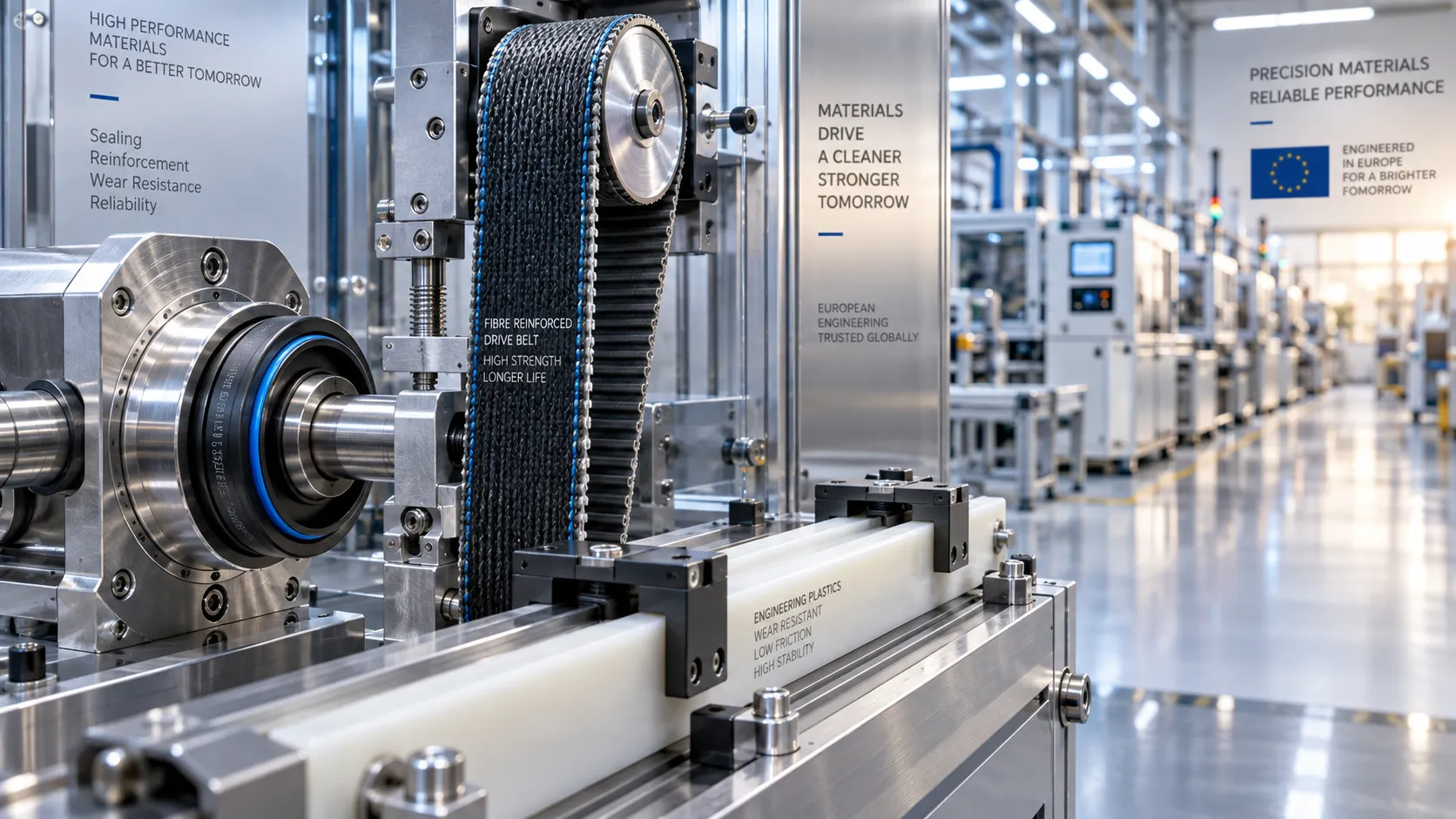
High-Performance Materials in Europe: Sourcing Criteria for Critical Industrial Applications
High-performance materials Europe: learn how to source critical industrial materials using proven criteria for durability, compliance, traceability, lifecycle cost, and supply resilience.
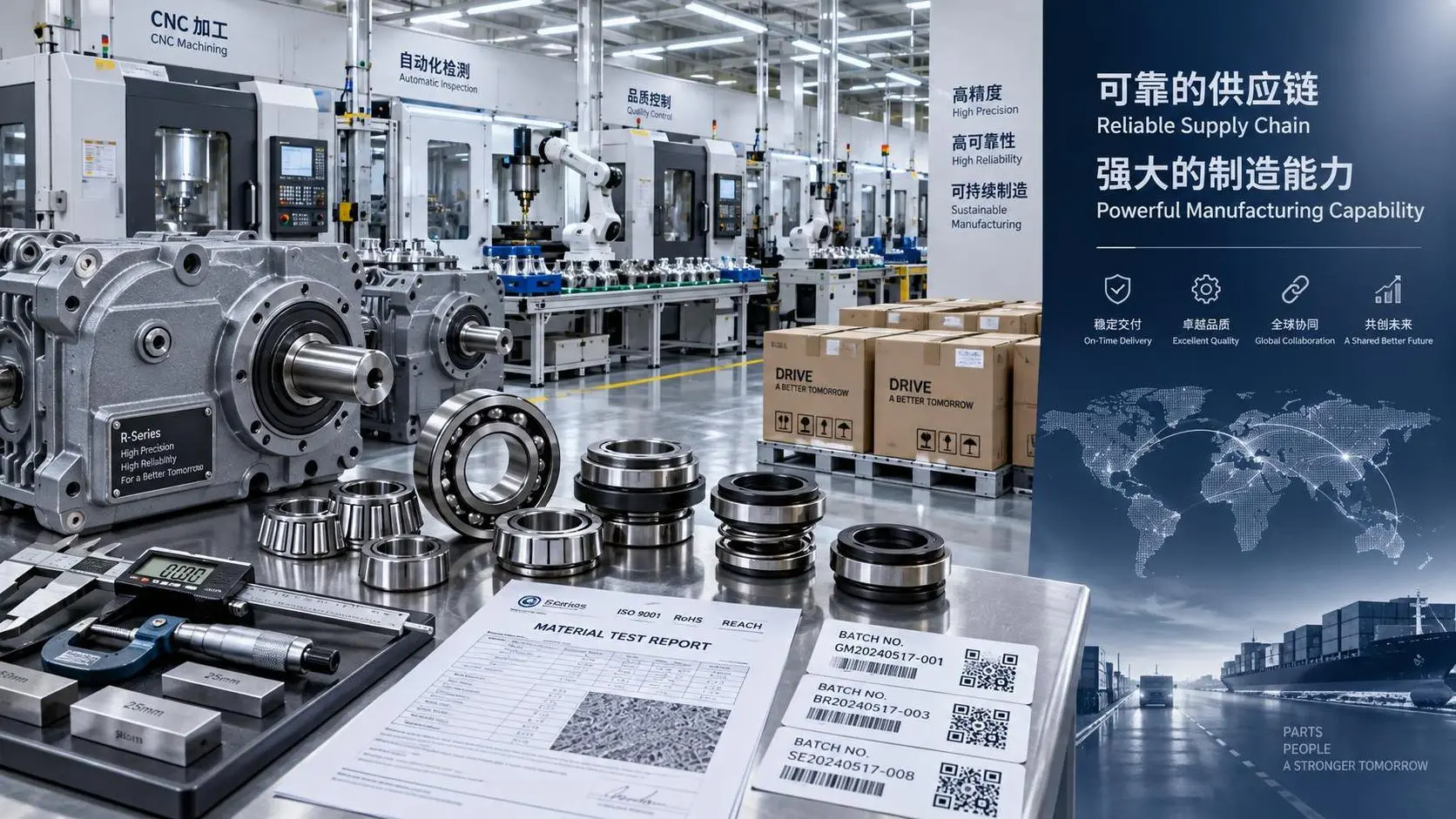
How to Assess a Global Supplier’s Capability Before Awarding a Critical Contract
Global supplier capability review: learn how to verify technical control, quality systems, global delivery resilience, compliance, and service support before awarding a critical contract.
How to Select Mechanical Linkage Components for High-Cycle Automation Equipment
Mechanical linkage technology components: learn how to select reliable rod ends, pins, and joints for high-cycle automation, reducing wear, backlash, downtime, and maintenance risk.