
Industry News
Curation by industry experts
Hot Articles
Popular Tags
Reliability in Mechanical Systems Often Fails at Small Parts
Reliability in mechanical systems is often judged by the strength of major assemblies, yet many unplanned shutdowns begin with components that are easy to overlook. A seal with the wrong material, a bearing selected without realistic load assumptions, a fastener that loses preload, or a coupling that mismanages misalignment can trigger failure far beyond its size or cost. For technical evaluators, the key insight is straightforward: system reliability is usually limited by the weakest functional interface, not the most expensive machine module.
This matters because evaluation decisions are rarely made in a vacuum. They shape maintenance intervals, operating efficiency, warranty exposure, energy use, and lifecycle cost. In high-duty manufacturing environments, the difference between a robust small-part strategy and a lowest-price selection policy can be measured in lost production hours, safety incidents, and shortened asset life.
This article examines why reliability in mechanical systems so often depends on small parts, what technical evaluators should assess before approving components or suppliers, and how material science, design logic, and field intelligence can improve system-level performance.
Why Small Parts Create Outsized Reliability Risks
In most machines, small components sit at the interfaces where force, motion, heat, contamination, and vibration interact. These interfaces are where real operating complexity shows up. A gearbox housing may be designed with generous safety factors, but if the seal cannot tolerate temperature spikes or abrasive media, lubricant escapes, contamination enters, and the entire assembly begins to degrade.
The same pattern appears across mechanical systems. Bearings support rotating precision under variable loads. Fasteners preserve clamping integrity under vibration and thermal cycling. Couplings transmit torque while absorbing misalignment and shock. Retaining rings, bushings, gaskets, and locknuts each protect a narrow but critical condition. When one of these conditions is lost, the machine does not fail in a “small” way. It fails systemically.
Technical evaluators should therefore think in terms of functional consequence rather than part size. A low-cost component can carry high reliability leverage if it controls sealing, alignment, lubrication retention, preload stability, or fatigue resistance. In practice, many failures emerge not because a machine was under-designed as a whole, but because one small element was selected using incomplete duty assumptions.
Where Reliability in Mechanical Systems Commonly Breaks Down
If the goal is to improve reliability in mechanical systems, evaluators need to focus on the most failure-prone mechanisms rather than reviewing specifications in isolation. Small parts typically fail through a few recurring pathways: wear, fatigue, corrosion, creep, loosening, thermal degradation, and contamination-driven damage. Each of these mechanisms can begin gradually and remain invisible until the machine reaches a threshold condition.
Seals often fail from chemical incompatibility, shaft surface defects, pressure fluctuation, or heat aging. Bearings commonly fail due to lubrication starvation, contamination ingress, false brinelling, electrical erosion, or misalignment. Fasteners lose performance because preload was never properly achieved, or because joint design did not account for vibration, embedment, or thermal expansion mismatch. Couplings fail when torsional dynamics, angular misalignment, or start-stop shock loads exceed actual field conditions.
A major issue in technical assessment is that catalog ratings are often interpreted as field reliability guarantees. They are not. Laboratory values may reflect controlled alignment, ideal lubrication, and stable temperatures. Real systems include contamination, operator variability, intermittent overloads, maintenance inconsistency, and changing duty cycles. Evaluators who do not bridge that gap may approve components that look sufficient on paper but underperform in service.
What Technical Evaluators Should Ask Before Approving a Component
For technical evaluators, the central question is not “Does this part meet nominal specification?” but “Will this part preserve function under real operating conditions over the intended lifecycle?” That shift in framing leads to better decisions. It also reveals why small components deserve a higher level of scrutiny than they often receive during sourcing or design review.
First, define the true duty profile. This should include load spectrum, speed variation, duty cycle, ambient and operating temperature, contamination exposure, start-stop frequency, peak shock events, moisture, media compatibility, and maintenance accessibility. Many small-part failures begin because one of these conditions was underestimated or ignored during selection.
Second, evaluate interface quality. A seal is only as reliable as the shaft finish, runout control, pressure environment, and lubricant condition around it. A bearing depends on housing tolerance, shaft fit, mounting procedure, lubrication regime, and contamination control. A fastener’s reliability depends on joint stiffness, surface condition, tightening method, and load distribution. If the surrounding interface is poor, even a premium component may fail early.
Third, review failure consequence. Some parts are inexpensive but mission-critical because their failure causes cascading damage. A low-cost retaining device that disengages at speed may destroy shafts, housings, and adjacent components. A failed seal may contaminate product, violate environmental standards, or force a plant-wide cleaning event. Evaluators should score parts not only by replacement cost but by consequence cost.
Fourth, verify supplier process capability. Component reliability is not only a design issue; it is also a manufacturing consistency issue. Material batch variation, heat-treatment control, surface finishing, dimensional tolerance capability, and cleanliness standards all affect service life. Reliable suppliers can explain process windows, validation methods, traceability, and common failure modes in the field. Weak suppliers often provide only static datasheets.
Material Choice Is Often the Hidden Reliability Decision
In many applications, what appears to be a small component problem is really a material mismatch problem. Reliability in mechanical systems frequently depends on whether the chosen material can survive friction, contact stress, chemical exposure, and temperature cycling without losing its intended properties. Material selection should therefore be treated as a strategic decision, not a routine purchasing detail.
Consider seals. Elastomer selection must reflect media compatibility, pressure, dynamic motion, and temperature extremes. A material that performs well in general oil service may harden, swell, crack, or lose elasticity in synthetic lubricants, aggressive chemicals, or elevated heat. Once sealing force declines, leakage and contamination begin, often long before complete seal collapse is visible.
Bearings present a similar pattern. Steel cleanliness, heat treatment, cage material, and surface engineering affect fatigue resistance and wear behavior. In contaminated environments, specialized coatings or alternative bearing materials may significantly outperform standard options. In corrosive or washdown applications, stainless or engineered polymer solutions may offer better lifecycle value than conventional bearing assemblies, even if their upfront cost is higher.
Fasteners also deserve deeper material review. Strength class alone is not enough. Corrosion environment, hydrogen embrittlement risk, galvanic pairing, temperature exposure, and relaxation behavior all matter. An evaluator who selects high strength without considering environment may unintentionally reduce reliability. In many assemblies, a slightly different material system can produce a much more stable joint over time.
Design Logic Matters More Than Component Price
One of the most common evaluation mistakes is to assess small components as isolated items. In reality, their reliability depends on how the system manages stress, alignment, motion, and maintenance access. Good design logic can allow a modestly priced component to perform well. Poor design logic can cause premium parts to fail prematurely.
For example, a coupling should not be selected only for nominal torque. It should be evaluated for actual misalignment, torsional stiffness requirements, transient loads, backlash limits, installation constraints, and downstream component sensitivity. A coupling that is too rigid may transfer damaging vibration to bearings and shafts. One that is too compliant may reduce positioning quality or introduce dynamic instability.
Similarly, fastener reliability depends heavily on joint design. If joint members are too soft, if clamp length is insufficient, or if dynamic separation occurs under load, the fastener will loosen regardless of brand quality. In sealed systems, groove design, compression control, and surface finish may determine gasket or O-ring life more than the material alone.
Technical evaluators should ask whether the component is being used to compensate for a design weakness. If a bearing is repeatedly upgraded, the root cause may be shaft deflection or contamination. If seals fail often, the problem may be eccentricity, pressure spikes, or thermal distortion. If fasteners loosen, the real issue may be joint dynamics rather than locking method. Better evaluation focuses on cause pathways, not just replacement choices.
How to Judge Reliability Beyond Datasheets
Datasheets remain essential, but they are only the starting point. For technical evaluators, the more valuable question is how to translate nominal specifications into confidence under field conditions. This requires combining product data with application evidence, supplier intelligence, and failure history.
Begin with validation hierarchy. The strongest evidence is proven performance in similar applications with comparable load, environment, maintenance practice, and duty cycle. The second level is targeted testing that reproduces critical stressors such as contamination, thermal cycling, pressure variation, or vibration. The weakest basis for approval is generalized specification compliance without application correlation.
Next, examine degradation behavior rather than only end-of-life ratings. A component that fails gradually may allow predictive maintenance and controlled replacement. A component that fails suddenly may carry unacceptable operational risk even if its average service life looks adequate. Evaluators should understand whether the failure mode is detectable, progressive, and containable.
It is also useful to review field return patterns. Are failures random, installation-driven, environment-driven, or linked to specific production lots? Do problems cluster around startup conditions, cleaning cycles, overload events, or long idle periods? Reliability in mechanical systems improves when evaluators move from static selection to feedback-based decision loops.
This is where industrial intelligence platforms such as GPT-Matrix create real value. Component reliability is shaped not only by engineering theory but by material trends, supplier behavior, energy cost pressures, and maintenance practices across sectors. Technical evaluators benefit when they can connect component-level assessment with broader insights about sealing technology evolution, gearbox digitalization, tribology advances, and demand shifts toward longer-life, lower-maintenance transmission solutions.
A Practical Evaluation Framework for Small Critical Parts
To make decisions more consistent, technical evaluators can use a structured framework for small but high-impact components. The first step is criticality mapping. Identify which parts control sealing, preload, alignment, lubrication, torque transfer, or contamination exclusion. These are not always the most expensive items, but they are often the most consequential.
The second step is stress mapping. Document actual operating stresses, including overload events and environmental deviations from design intent. This helps expose where nominal component selection may be too optimistic. The third step is interface audit: check tolerances, mounting quality, lubrication method, shaft finish, housing integrity, and accessibility for maintenance.
The fourth step is supplier capability review. Assess process consistency, application engineering support, validation evidence, and traceability discipline. The fifth step is failure mode prioritization. Rank likely failure paths by both probability and consequence, not just by replacement frequency. The sixth step is lifecycle economics. Compare total cost of ownership, including downtime, labor, collateral damage, energy efficiency, and maintenance interval.
This framework often changes the final decision. A technically superior but slightly more expensive seal, bearing, or coupling may produce far better lifecycle value if it prevents contamination, improves energy efficiency, reduces relubrication frequency, or extends overhaul intervals. For evaluators, the objective is not to maximize component specification in abstract terms. It is to reduce total reliability risk in the actual system.
Why This Matters More in Modern Industrial Systems
Small-part reliability has become more important as industrial systems grow more automated, more energy-sensitive, and less tolerant of unplanned downtime. In highly integrated production lines, one failed seal or locking element can stop a process cell, disrupt scheduling, and create quality escapes upstream or downstream. The cost of interruption is often far greater than the cost of the failed part.
At the same time, equipment is being pushed into more demanding service conditions. Higher speeds, compact designs, variable-frequency drives, reduced maintenance staffing, and extended service intervals all increase pressure on small components. Industry 4.0 expectations also mean that machines are judged not only by output, but by predictability, efficiency, and data-supported reliability.
That is why technical evaluation must move beyond lowest initial price and beyond isolated component review. Reliability in mechanical systems now requires a joined-up understanding of materials, interfaces, operating context, and field performance. Organizations that treat small components strategically are better positioned to improve uptime, reduce maintenance volatility, and build more resilient equipment platforms.
Conclusion
Mechanical reliability rarely fails first at the biggest component. It usually breaks at a functional interface managed by a small part: a seal that loses compatibility, a bearing that sees contamination, a fastener that loses preload, or a coupling that cannot absorb real-world dynamics. For technical evaluators, this changes the logic of assessment.
The most useful evaluation approach is to focus on actual duty conditions, interface quality, material suitability, supplier capability, and failure consequence. When these factors are assessed together, small components become visible for what they really are: decisive reliability levers inside larger mechanical systems.
In practical terms, better small-part decisions lead to higher uptime, lower lifecycle cost, improved energy performance, and fewer unexpected breakdowns. That is the real meaning of reliability in mechanical systems—not just strong major assemblies, but dependable performance at every critical point where motion, load, and environment meet.
Recommended News
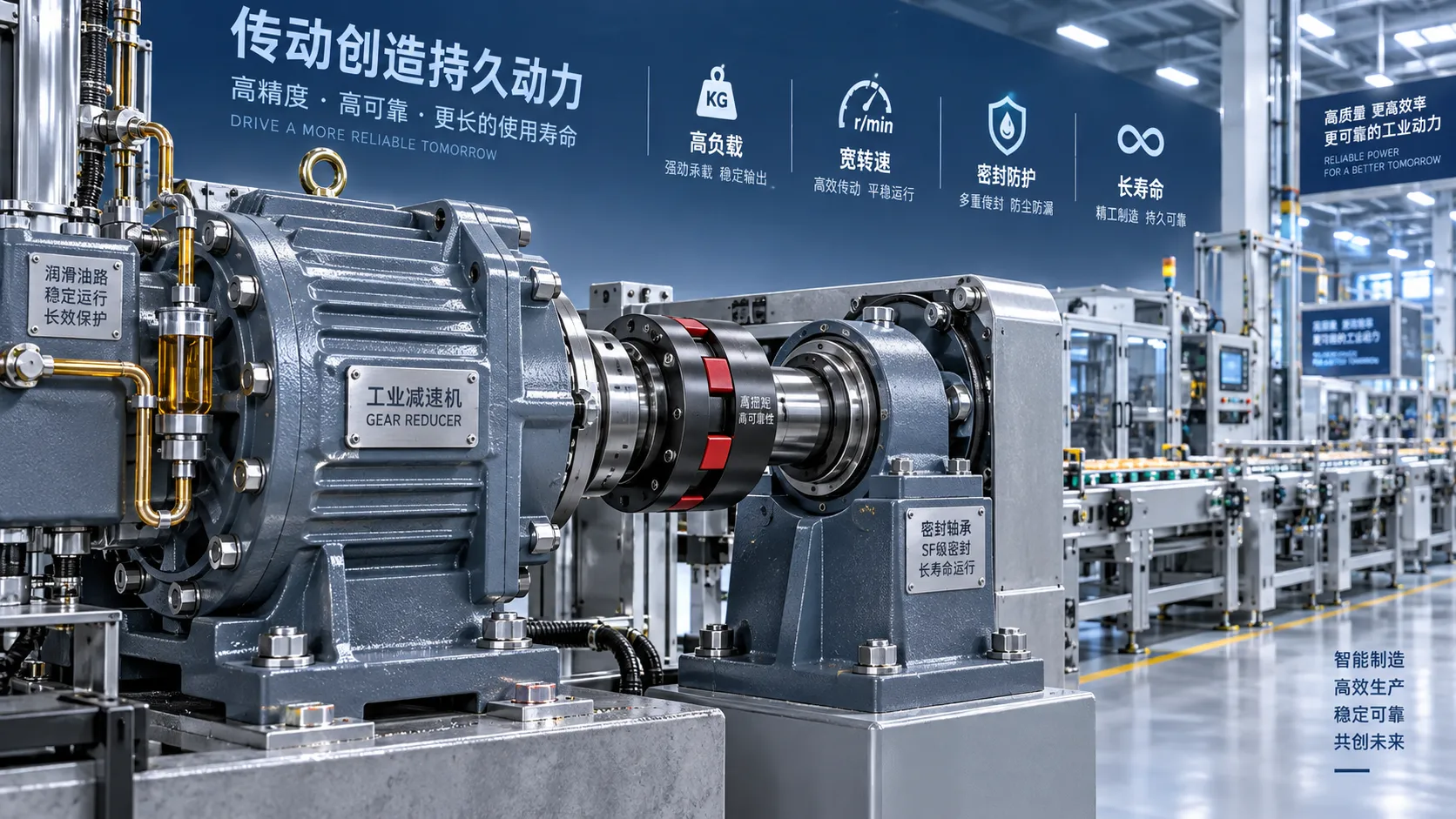
Mechanical Component Selection: Key Criteria for Load, Speed, Environment, and Service Life
Mechanical component selection made practical: evaluate load, speed, environment, lubrication, and service life to improve reliability, reduce downtime, and control lifecycle costs.
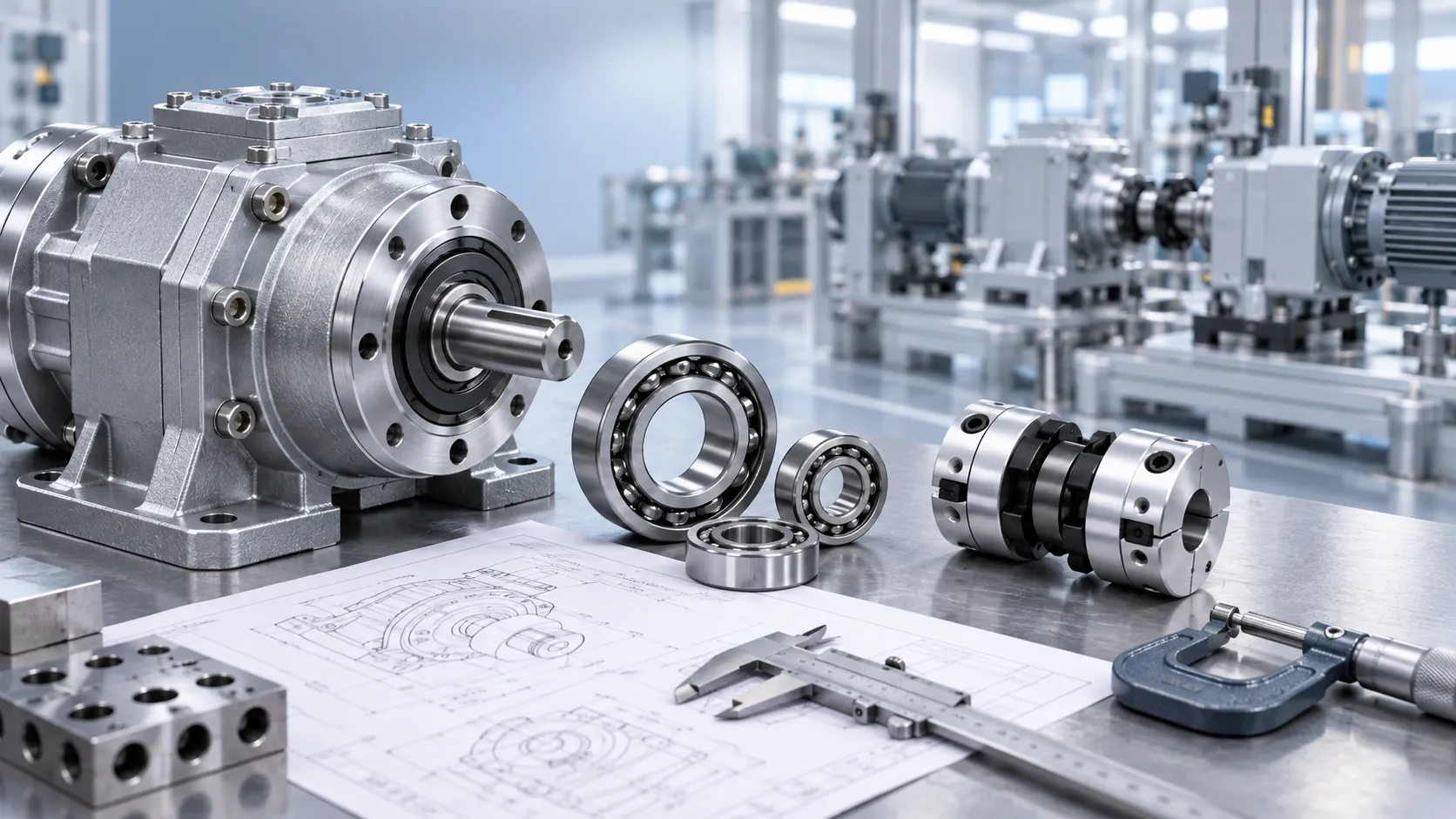
What to Request in Component Specification Resources Before Choosing a Supplier
Industrial component specification resources supplier guide: request drawings, material data, ratings, validation, and change control to choose reliable suppliers and reduce lifecycle risk.
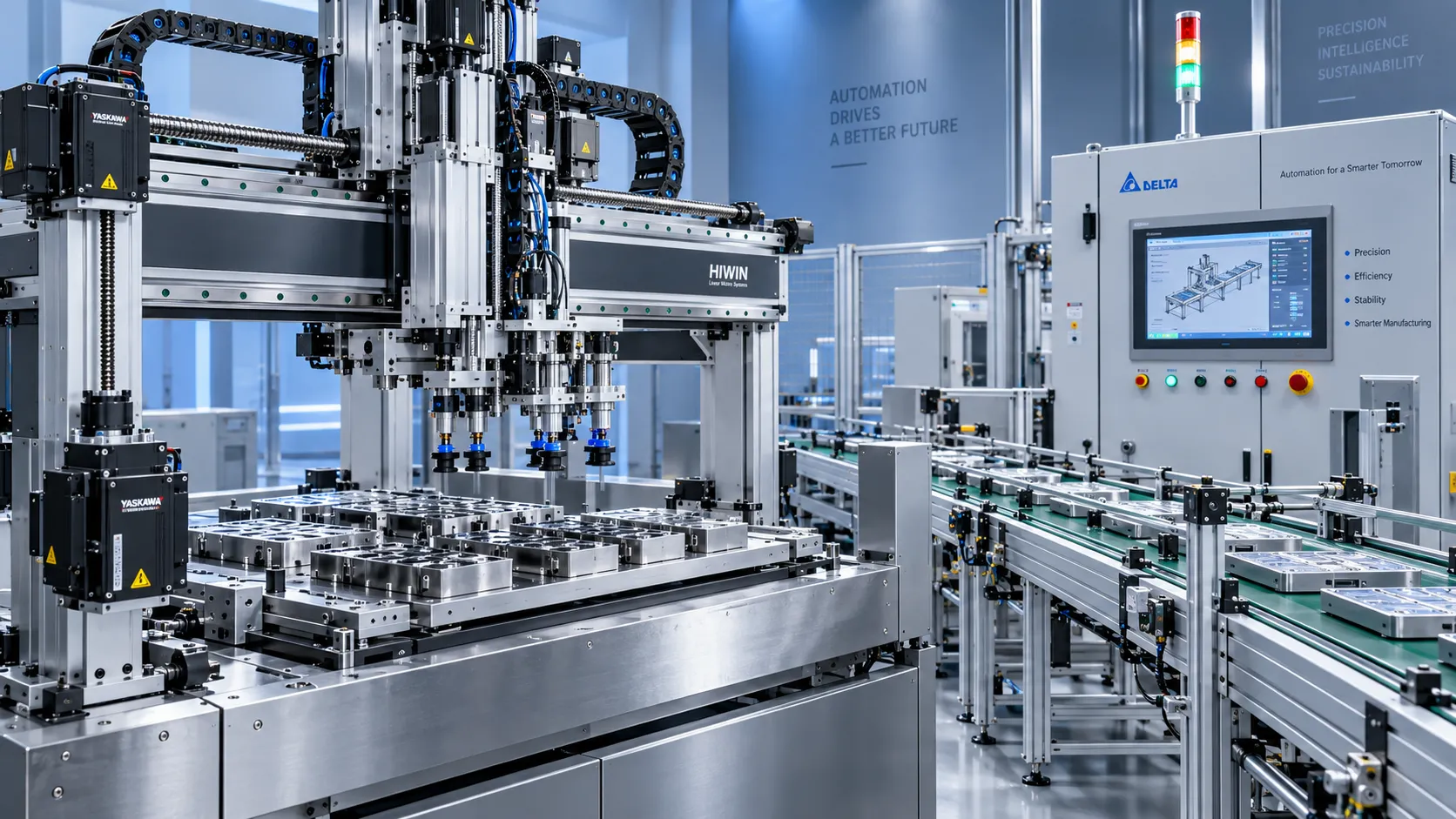
How to Specify Multi-Axis Motion Control for High-Precision Automated Machines
Master multi axis motion control for high-precision automation—optimize synchronization, feedback, mechanics, safety, and lifecycle reliability.
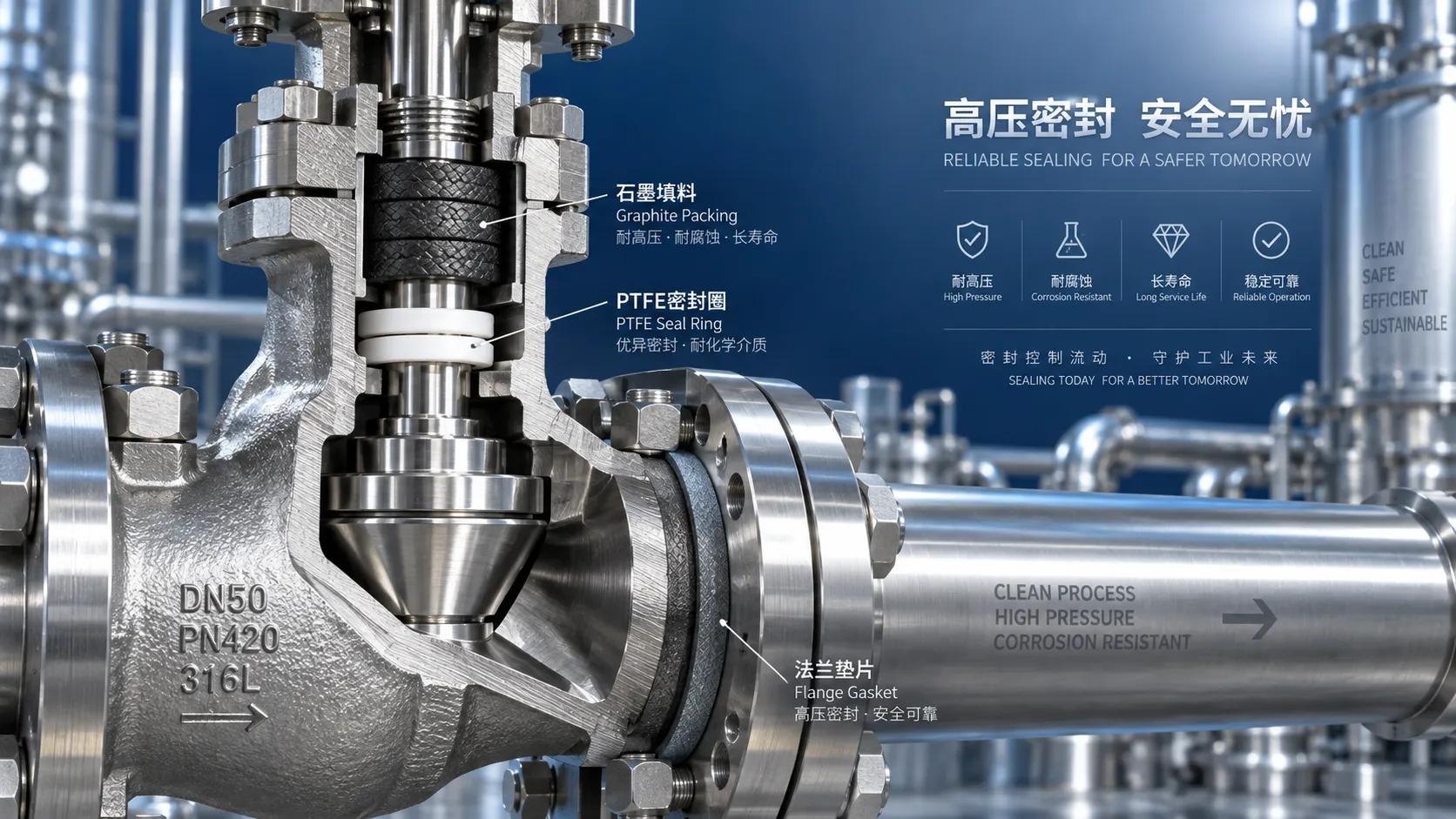
Selecting Valve Sealing Solutions for High-Pressure and Corrosive Service
Industrial sealing solutions for valves: learn how to select reliable systems for high-pressure, corrosive service, control fugitive emissions, and reduce lifecycle leakage risks.
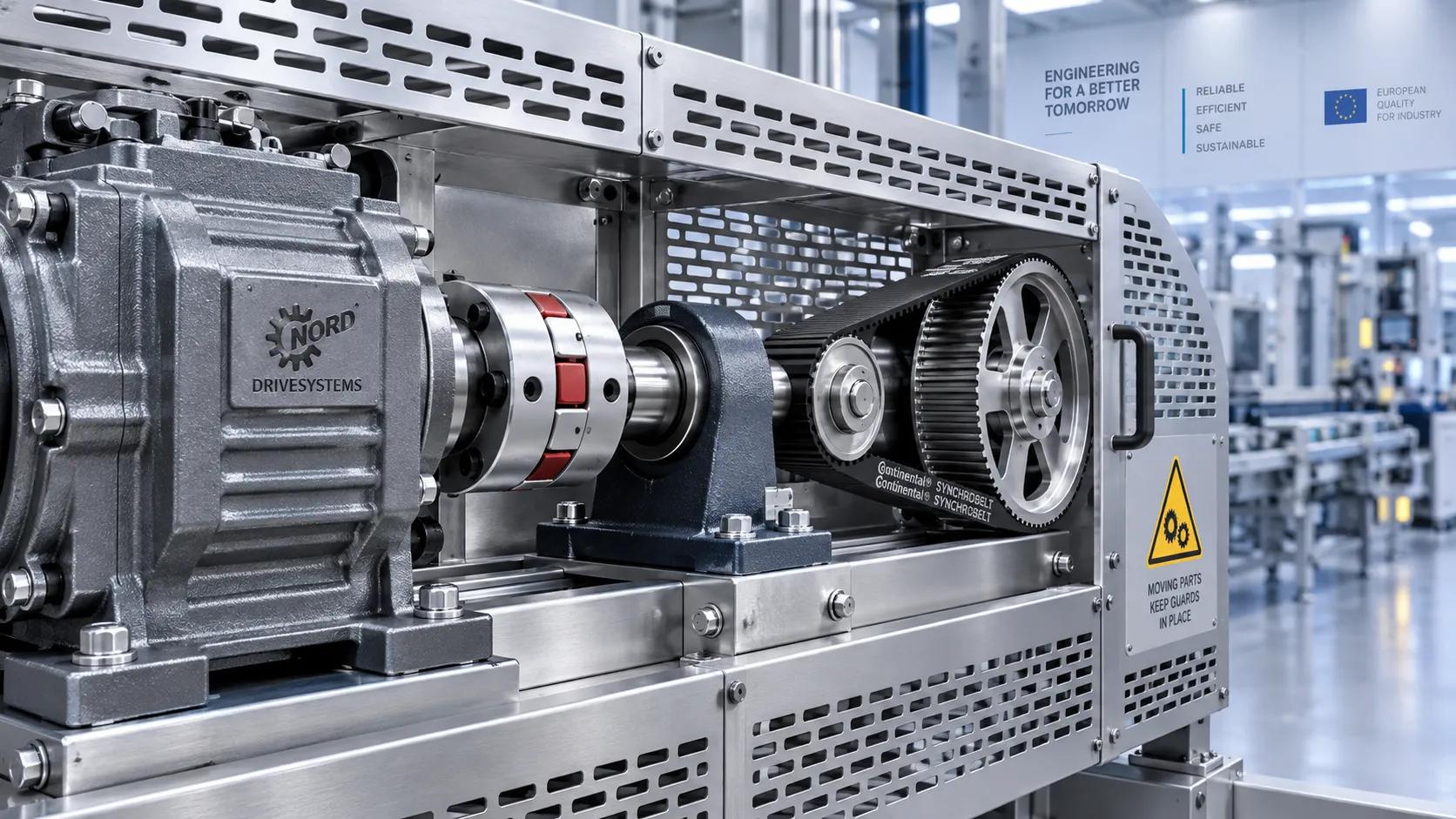
Which European Standards Matter When Specifying Industrial Power Transmission Systems?
Standardized transmission systems Europe: discover the key EN and ISO standards for safer, compliant gear units, belts, couplings, bearings, seals, and ATEX applications.
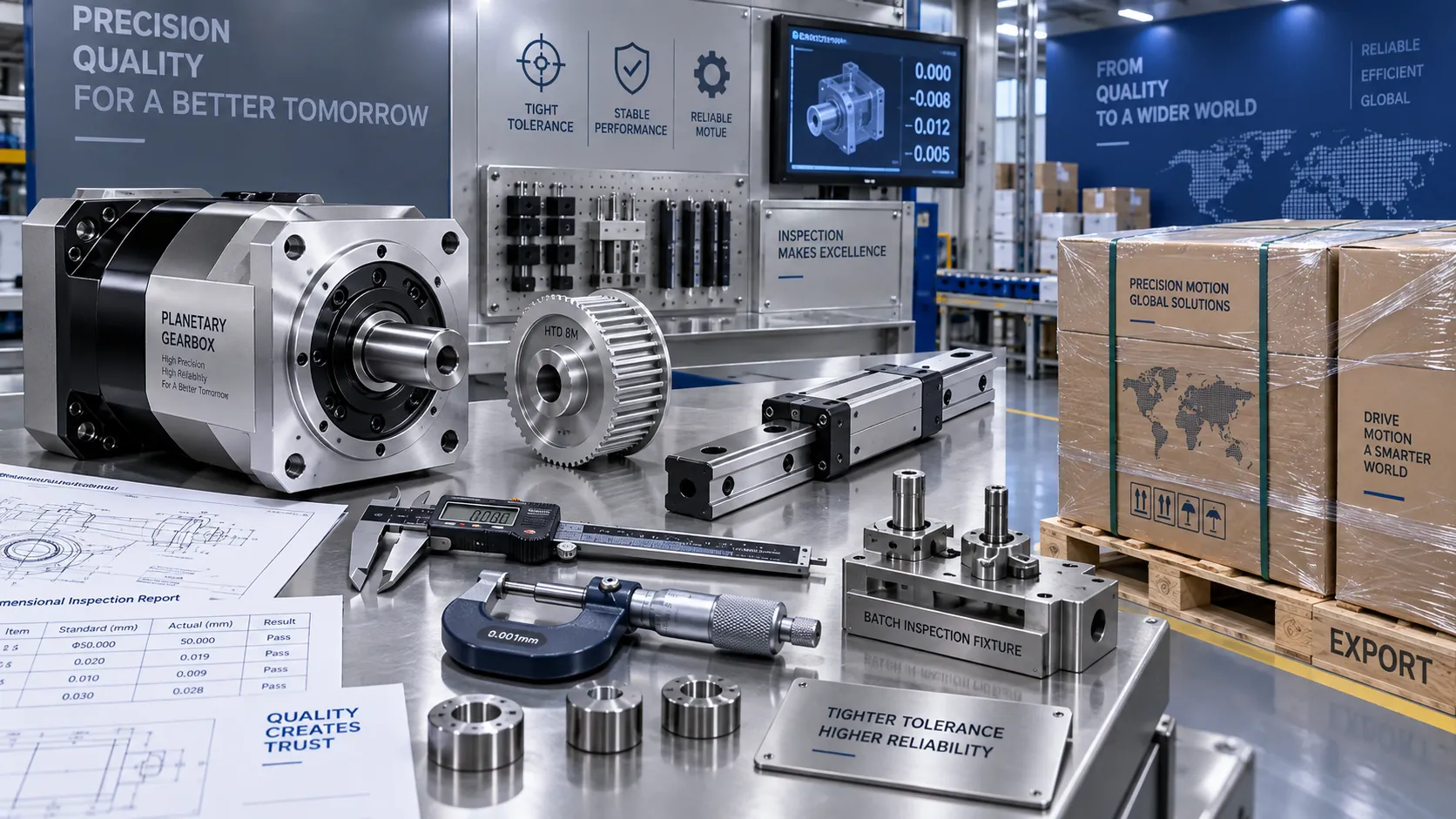
How to Vet a Motion Control Components Exporter for Global OEM Supply?
Motion control components exporter vetting guide for global OEMs: assess quality, traceability, export readiness, landed cost, and supply resilience before you buy.
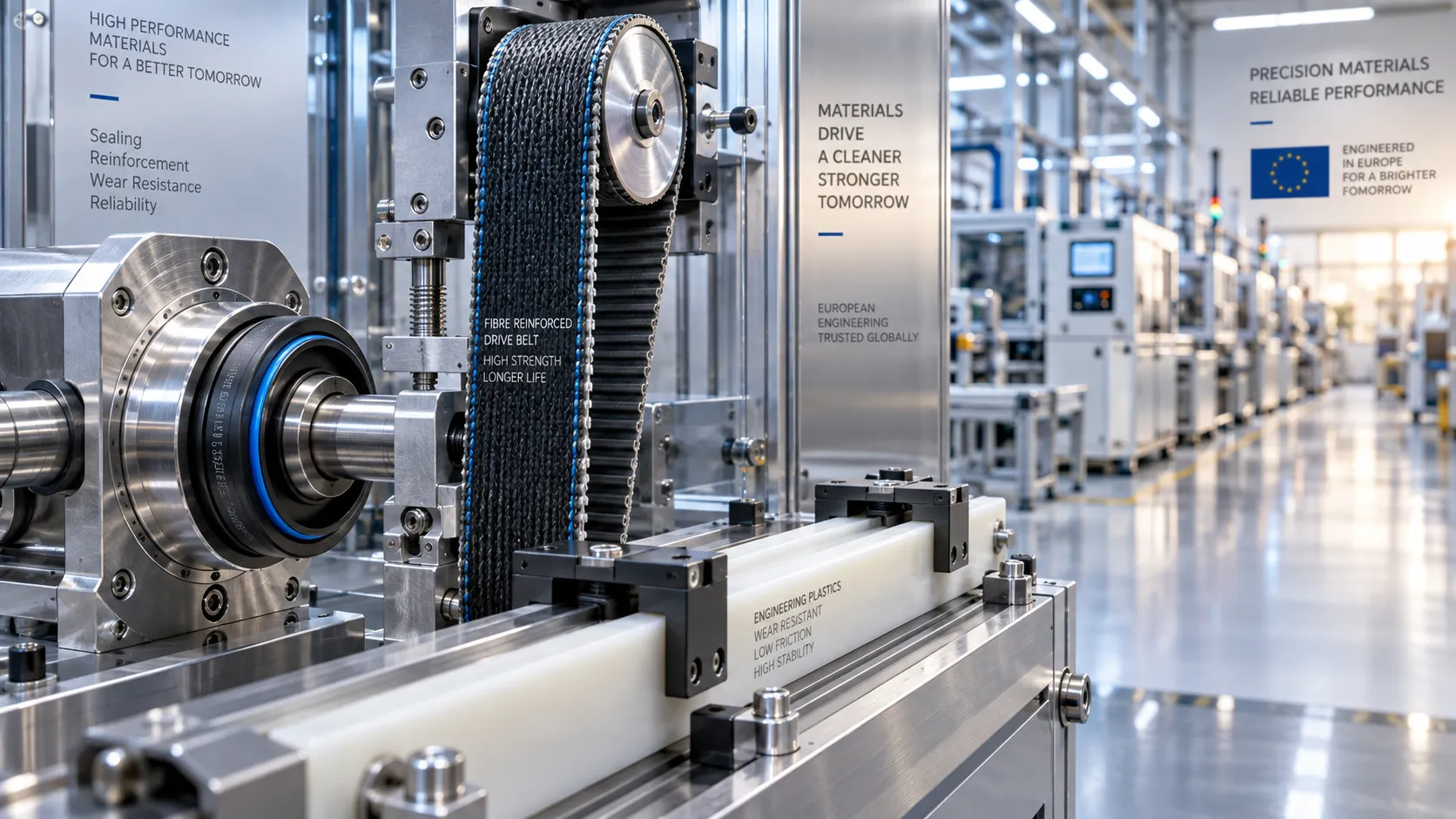
High-Performance Materials in Europe: Sourcing Criteria for Critical Industrial Applications
High-performance materials Europe: learn how to source critical industrial materials using proven criteria for durability, compliance, traceability, lifecycle cost, and supply resilience.
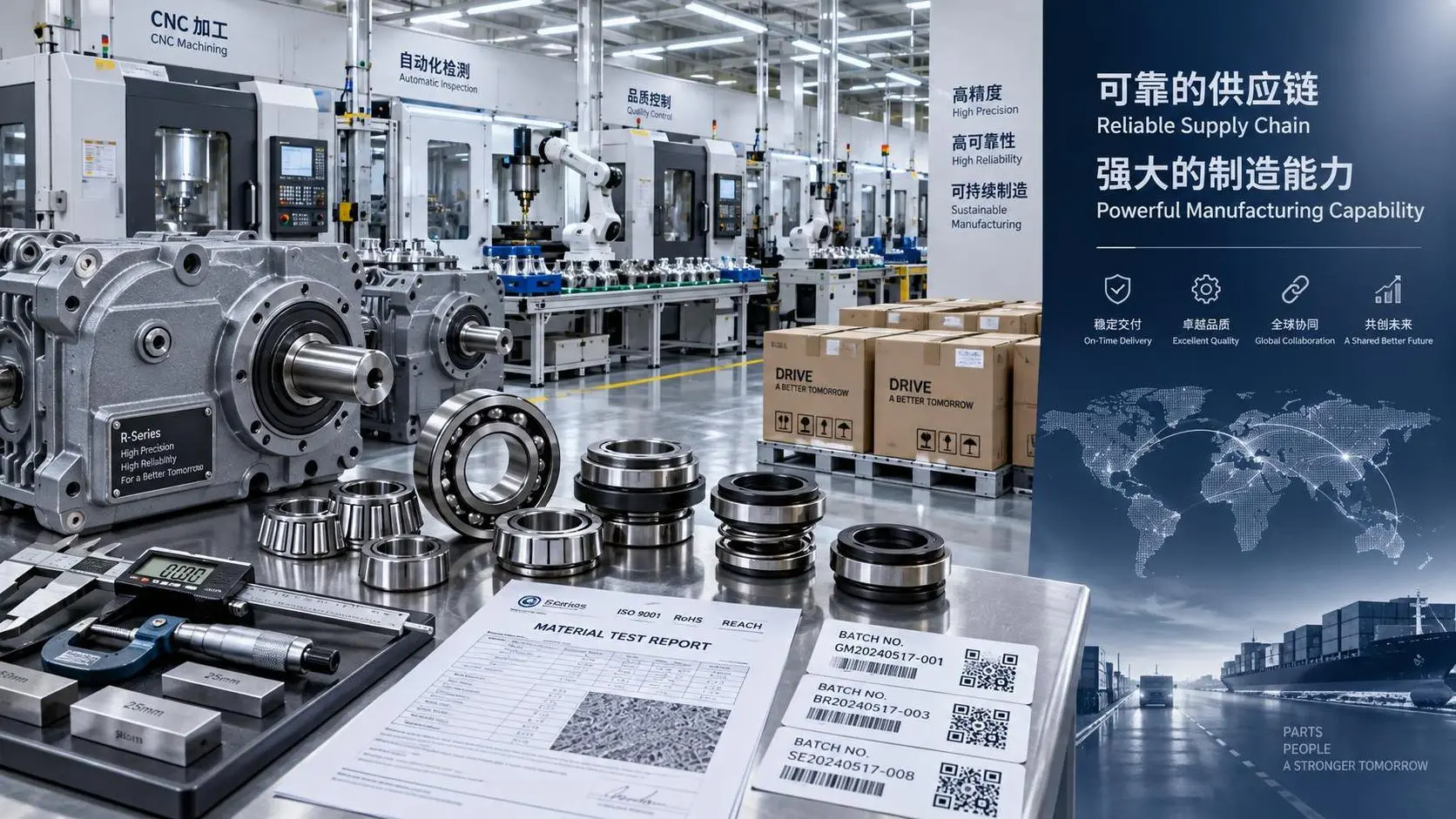
How to Assess a Global Supplier’s Capability Before Awarding a Critical Contract
Global supplier capability review: learn how to verify technical control, quality systems, global delivery resilience, compliance, and service support before awarding a critical contract.
How to Select Mechanical Linkage Components for High-Cycle Automation Equipment
Mechanical linkage technology components: learn how to select reliable rod ends, pins, and joints for high-cycle automation, reducing wear, backlash, downtime, and maintenance risk.