
Industry News
Curation by industry experts
Hot Articles
Popular Tags
Industrial Material Breakthroughs Changing Seal Life Expectations
For quality control and safety leaders, industrial material breakthroughs are redefining what reliable seal performance means in demanding operations. From advanced elastomers to engineered composites and surface technologies, these innovations are extending service life, reducing leakage risks, and improving equipment stability under extreme conditions. In a broad industrial landscape that spans energy systems, processing lines, automation equipment, and heavy-duty transmission assemblies, seal life is no longer judged only by hours in service. It is increasingly evaluated by resistance to heat, chemicals, pressure cycling, dry running, contamination, and unplanned downtime. This shift matters because sealing reliability now directly affects maintenance cost, compliance exposure, asset utilization, and system efficiency.
As a topic, industrial material breakthroughs sit at the intersection of tribology, mechanical design, and operational risk control. The most important change is not simply that new materials last longer, but that they behave more predictably across wider operating windows. That predictability allows better inspection intervals, more accurate failure forecasting, and more resilient plant operations. In practical terms, the seal is becoming a data-supported reliability component rather than a routine consumable.
Seal life expectations are rising because operating conditions are becoming harsher
The first trend signal is clear: modern equipment is being asked to do more with less downtime. Higher line speeds, greater thermal loads, more aggressive fluids, and stricter leak control requirements are compressing the margin for error. In these conditions, legacy seal materials often fail not because of poor installation alone, but because their physical limits no longer match real-world duty cycles. This is where industrial material breakthroughs are changing assumptions across the general industrial sector.
Another signal is the growing demand for life-cycle performance rather than replacement frequency. Industrial sites increasingly compare sealing solutions by total cost of ownership, maintenance interval stability, and process continuity. A seal that survives longer under fluctuating pressure or abrasive exposure does more than reduce spare usage; it lowers emergency intervention, protects bearings and shafts, and supports stable power transmission performance. In systems where belts, couplings, reducers, and rotating shafts depend on sealed integrity, material progress creates ripple effects far beyond the seal housing itself.
The strongest industrial material breakthroughs are coming from three directions
Recent progress is not tied to a single miracle material. Instead, industrial material breakthroughs are emerging through formulation science, composite engineering, and surface optimization. These advances improve seal durability by attacking the main causes of early failure: thermal hardening, chemical attack, frictional wear, extrusion, and dimensional instability.
Advanced elastomers are especially important where thermal cycling and fluid compatibility determine life. Better polymer architectures now help seals retain elasticity for longer periods, reducing the classic pattern of hardening, cracking, or permanent deformation. Engineered composites, meanwhile, are raising expectations in applications with high shaft speeds, particulate contamination, or intermittent lubrication. Surface technologies extend this progress by reducing frictional stress where sealing faces or contact lips operate under continuous movement.
Why these changes are accelerating now
- More extreme duty conditions in automated and continuous-process equipment
- Higher cost of downtime, which makes longer seal life economically valuable
- Tighter environmental and safety expectations around leakage control
- Better testing methods for tribology, chemical resistance, and fatigue behavior
- Digital maintenance systems that reward predictable failure patterns and measurable reliability gains
Industrial material breakthroughs are reshaping inspection, maintenance, and asset decisions
The operational impact of industrial material breakthroughs is broad. Inspection teams can no longer rely on old replacement rules if a new seal material behaves differently under load, temperature, or media exposure. Some materials degrade gradually and visibly, while others maintain performance for long periods and then fail rapidly if process limits are exceeded. That means condition indicators, inspection frequency, and failure criteria all need to be recalibrated.
Maintenance planning also changes. Longer-lasting materials can justify extended service intervals, but only if the surrounding hardware is equally controlled. Shaft finish, alignment, contamination management, pressure spikes, and start-stop cycles still influence outcomes. In other words, industrial material breakthroughs do not eliminate failure risk; they move the reliability bottleneck. Once the material improves, installation quality, mating surface condition, and process discipline become more visible sources of variation.
What deserves close attention before raising seal life targets
Because industrial material breakthroughs can create optimism, it is important to separate laboratory capability from field reliability. A longer-life material only delivers value when application data, operating conditions, and inspection practice are aligned. Several checkpoints deserve priority:
- Media compatibility: Verify resistance to specific chemicals, additives, washdown agents, and contamination profiles rather than generic fluid categories.
- Thermal envelope: Compare continuous and peak temperature limits, especially where startup spikes or dry running events occur.
- Mechanical interaction: Check shaft finish, runout, pressure cycling, and installation tolerances to ensure the material advantage is not lost at the interface.
- Failure mode visibility: Define whether the upgraded material gives early warning signs or tends toward sudden degradation.
- Supply consistency: Confirm formulation stability, production quality, and traceability across batches and global sourcing channels.
These points matter in the wider context of industrial power transmission and mechanical components because a seal rarely fails alone. Leakage may affect lubrication quality, bearing condition, gearbox health, belt contamination, or motor loading. That is why industrial material breakthroughs should be assessed as part of system reliability, not as isolated component upgrades.
A practical response framework can turn material progress into measurable reliability gains
A useful response is to treat new materials as a reliability program input rather than a simple substitution. The goal is to translate industrial material breakthroughs into inspection logic, maintenance standards, and better risk control. The following framework supports that transition:
This approach improves the odds that material upgrades create repeatable outcomes instead of isolated successes. It also supports stronger communication between engineering, maintenance, and quality functions when expectations for service life begin to change.
The next competitive edge will come from combining material science with operating intelligence
Looking ahead, the biggest opportunity is not only in discovering stronger compounds, but in combining industrial material breakthroughs with digital condition insight and application-specific design control. As industrial systems become more connected, seal performance will be evaluated through a richer mix of temperature trends, lubricant condition, pressure events, runtime data, and failure analytics. That will make service-life predictions more dynamic and far more actionable.
In that environment, better materials become a strategic asset. They support lower leakage risk, steadier mechanical efficiency, and more resilient power transmission systems under variable loads. The immediate next step is to review where current seal failures are concentrated, compare them against emerging material options, and build a trial plan grounded in real operating data. When industrial material breakthroughs are translated into disciplined selection, testing, and inspection practices, seal life expectations stop being hopeful estimates and become defensible operational targets.
Recommended News
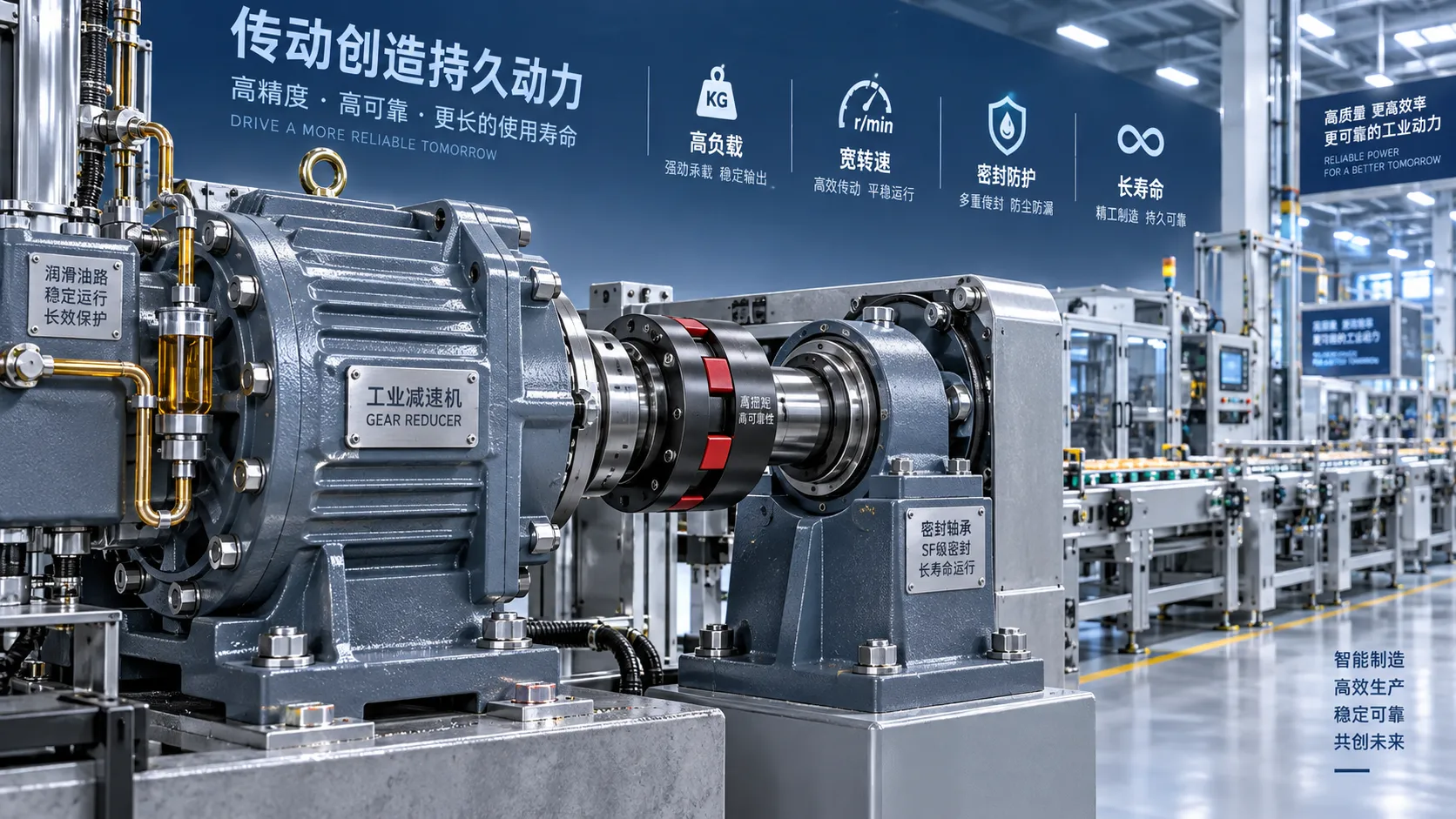
Mechanical Component Selection: Key Criteria for Load, Speed, Environment, and Service Life
Mechanical component selection made practical: evaluate load, speed, environment, lubrication, and service life to improve reliability, reduce downtime, and control lifecycle costs.
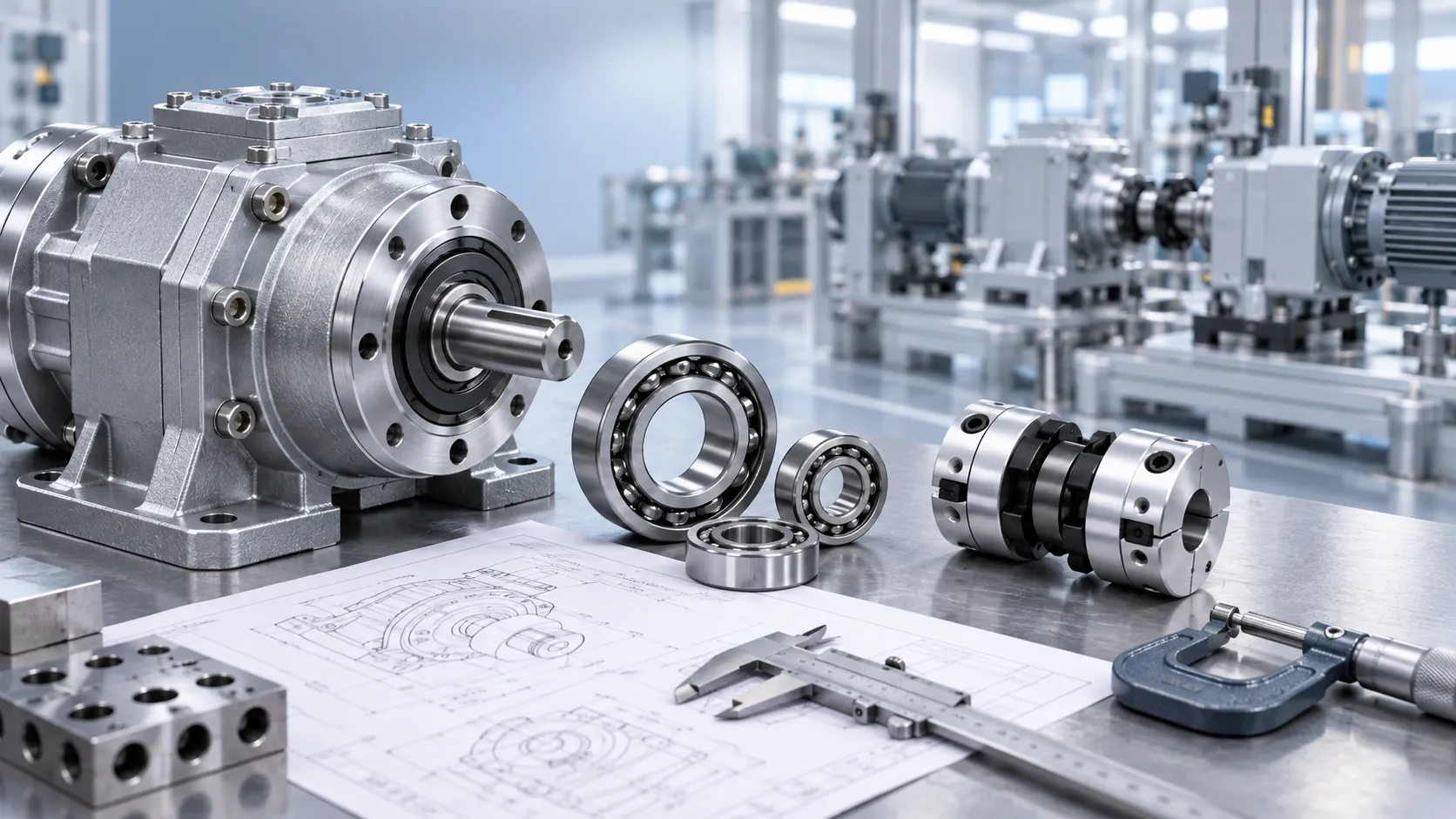
What to Request in Component Specification Resources Before Choosing a Supplier
Industrial component specification resources supplier guide: request drawings, material data, ratings, validation, and change control to choose reliable suppliers and reduce lifecycle risk.
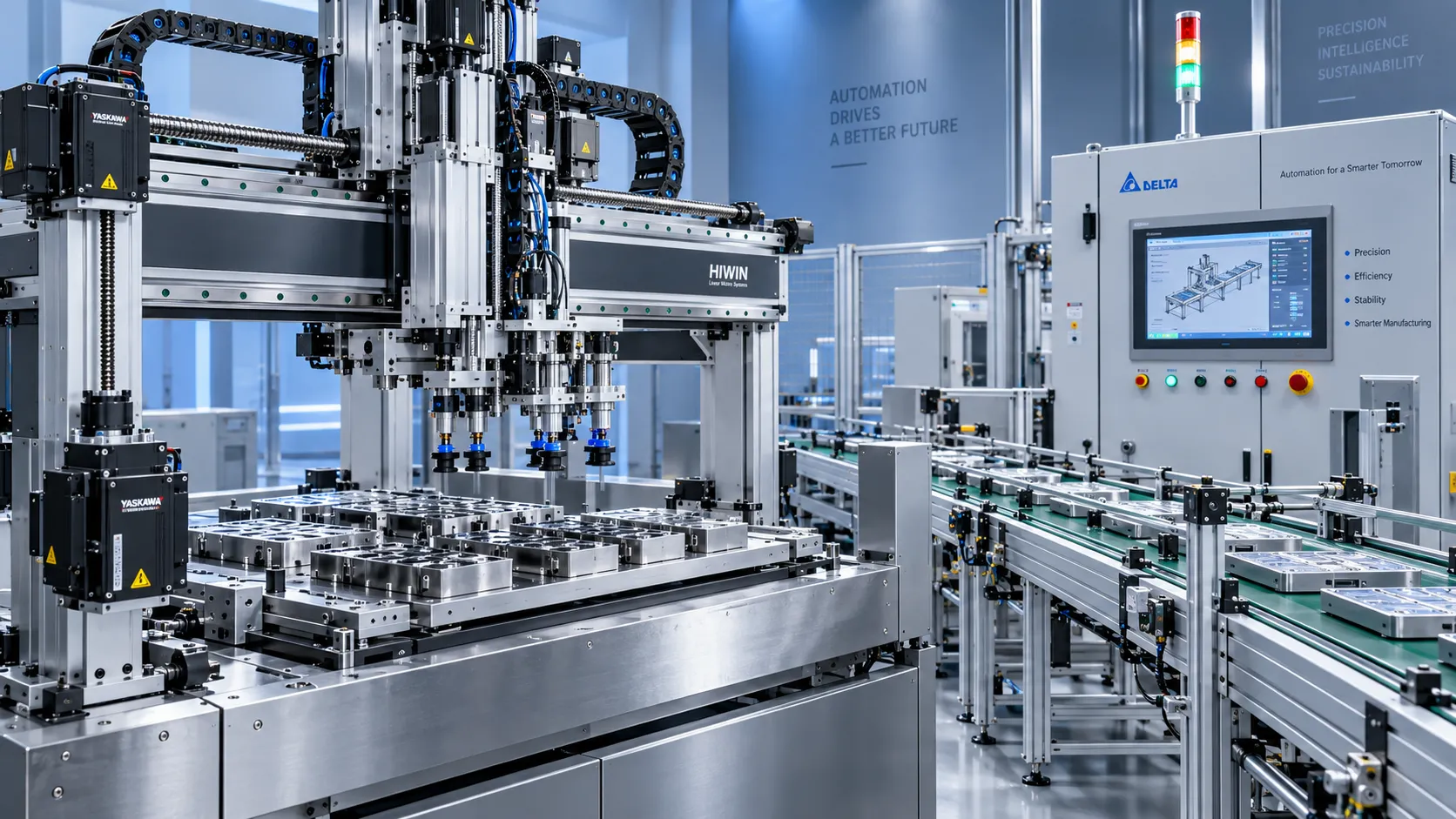
How to Specify Multi-Axis Motion Control for High-Precision Automated Machines
Master multi axis motion control for high-precision automation—optimize synchronization, feedback, mechanics, safety, and lifecycle reliability.
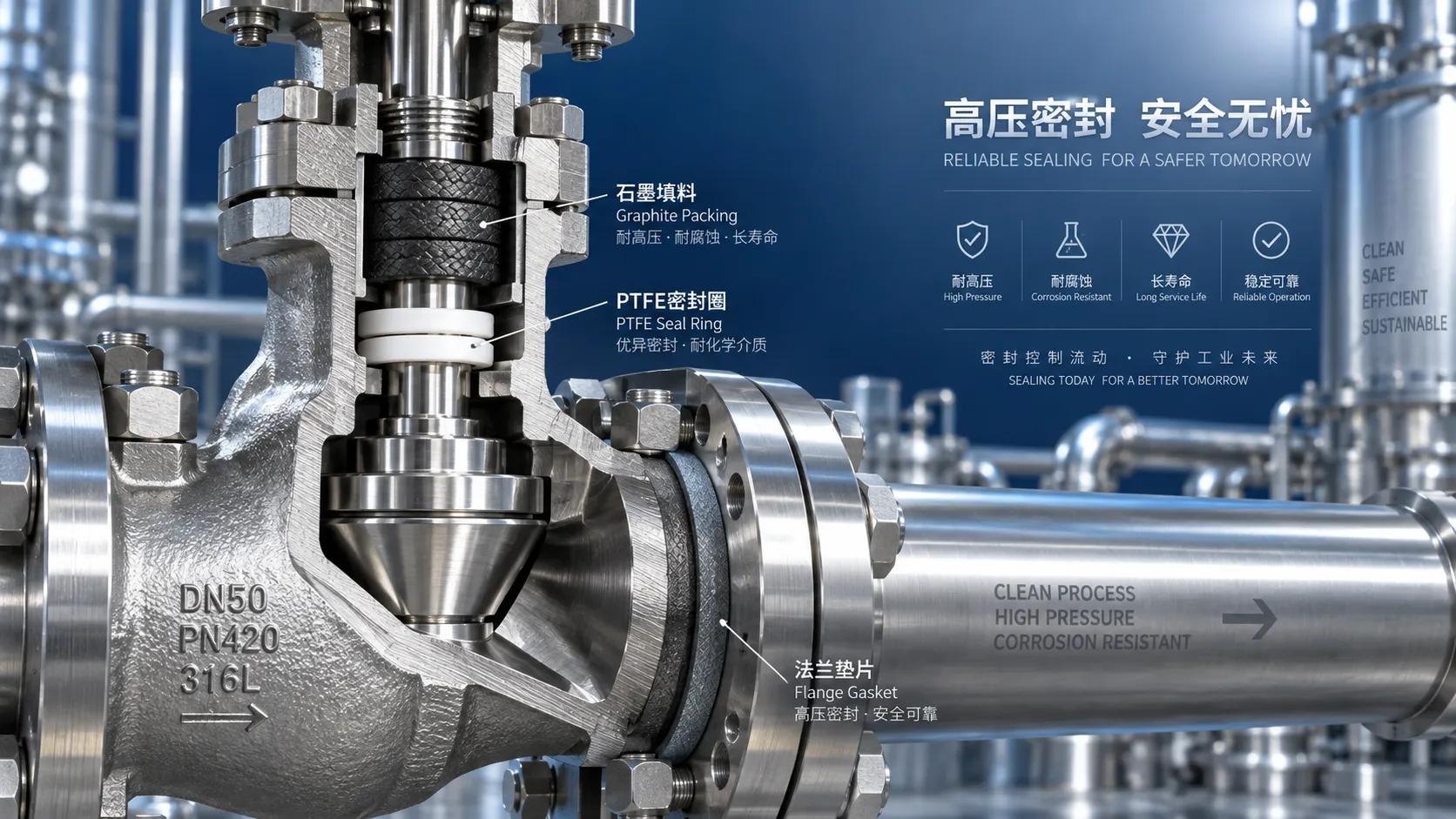
Selecting Valve Sealing Solutions for High-Pressure and Corrosive Service
Industrial sealing solutions for valves: learn how to select reliable systems for high-pressure, corrosive service, control fugitive emissions, and reduce lifecycle leakage risks.
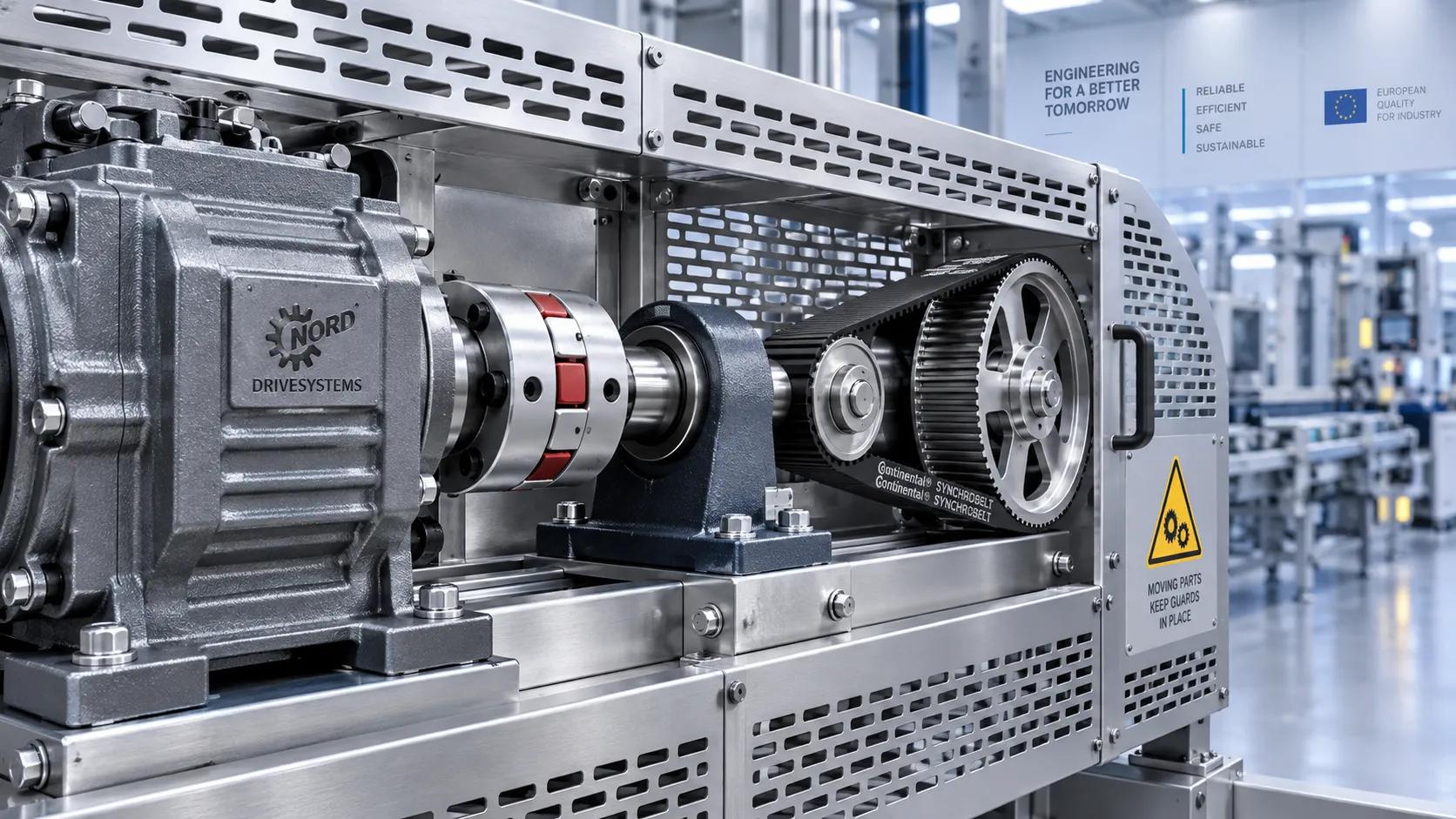
Which European Standards Matter When Specifying Industrial Power Transmission Systems?
Standardized transmission systems Europe: discover the key EN and ISO standards for safer, compliant gear units, belts, couplings, bearings, seals, and ATEX applications.
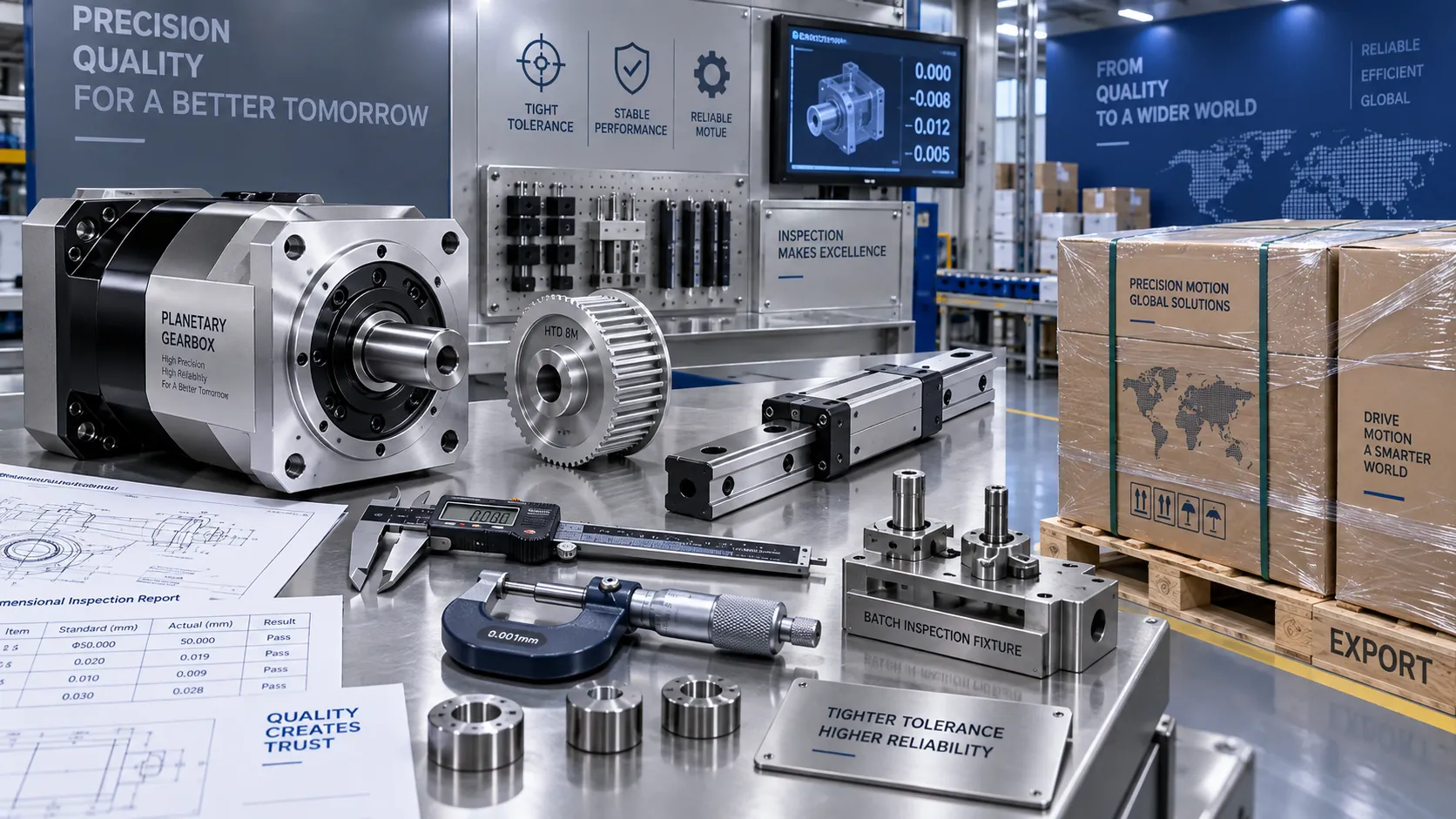
How to Vet a Motion Control Components Exporter for Global OEM Supply?
Motion control components exporter vetting guide for global OEMs: assess quality, traceability, export readiness, landed cost, and supply resilience before you buy.
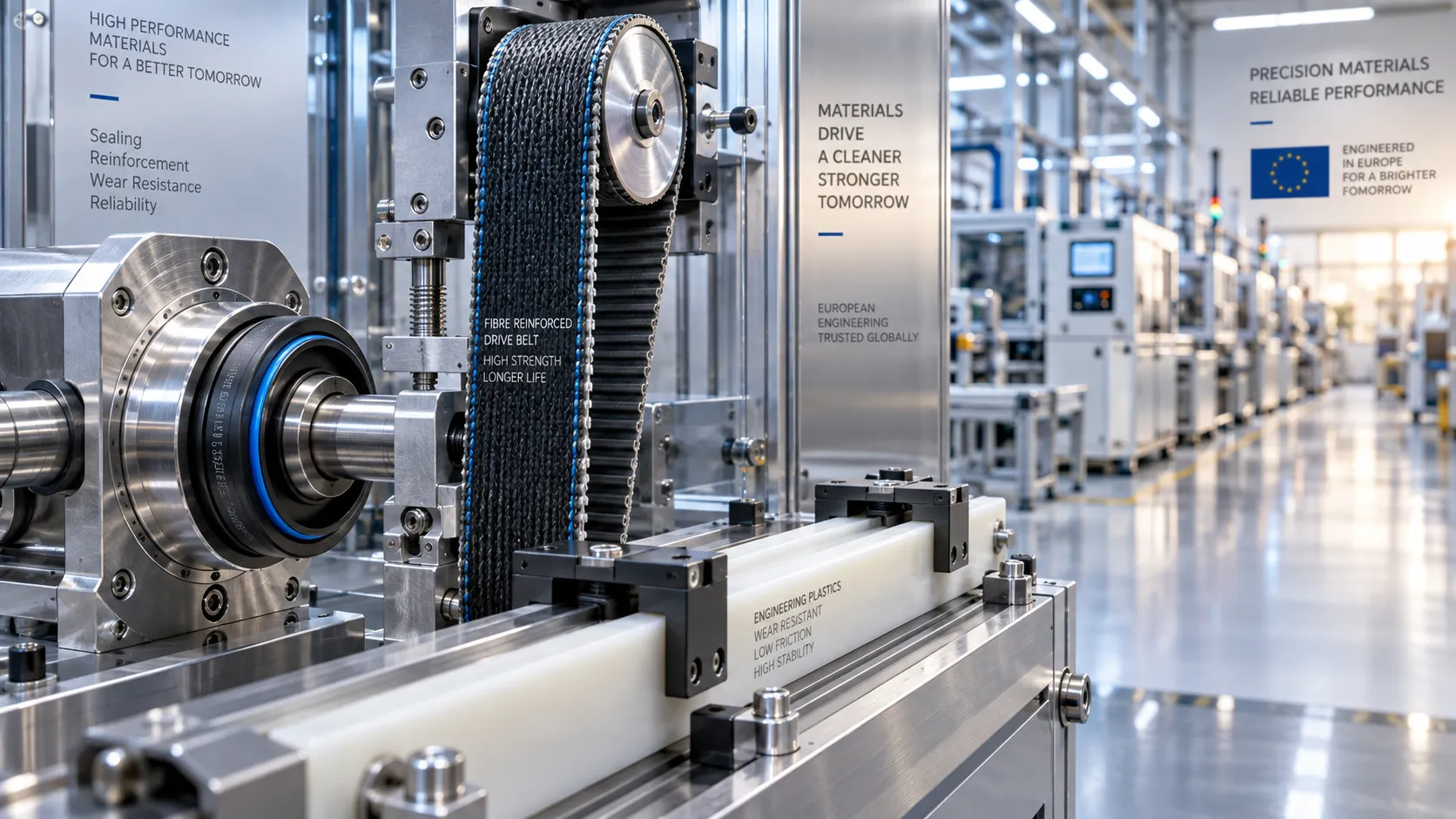
High-Performance Materials in Europe: Sourcing Criteria for Critical Industrial Applications
High-performance materials Europe: learn how to source critical industrial materials using proven criteria for durability, compliance, traceability, lifecycle cost, and supply resilience.
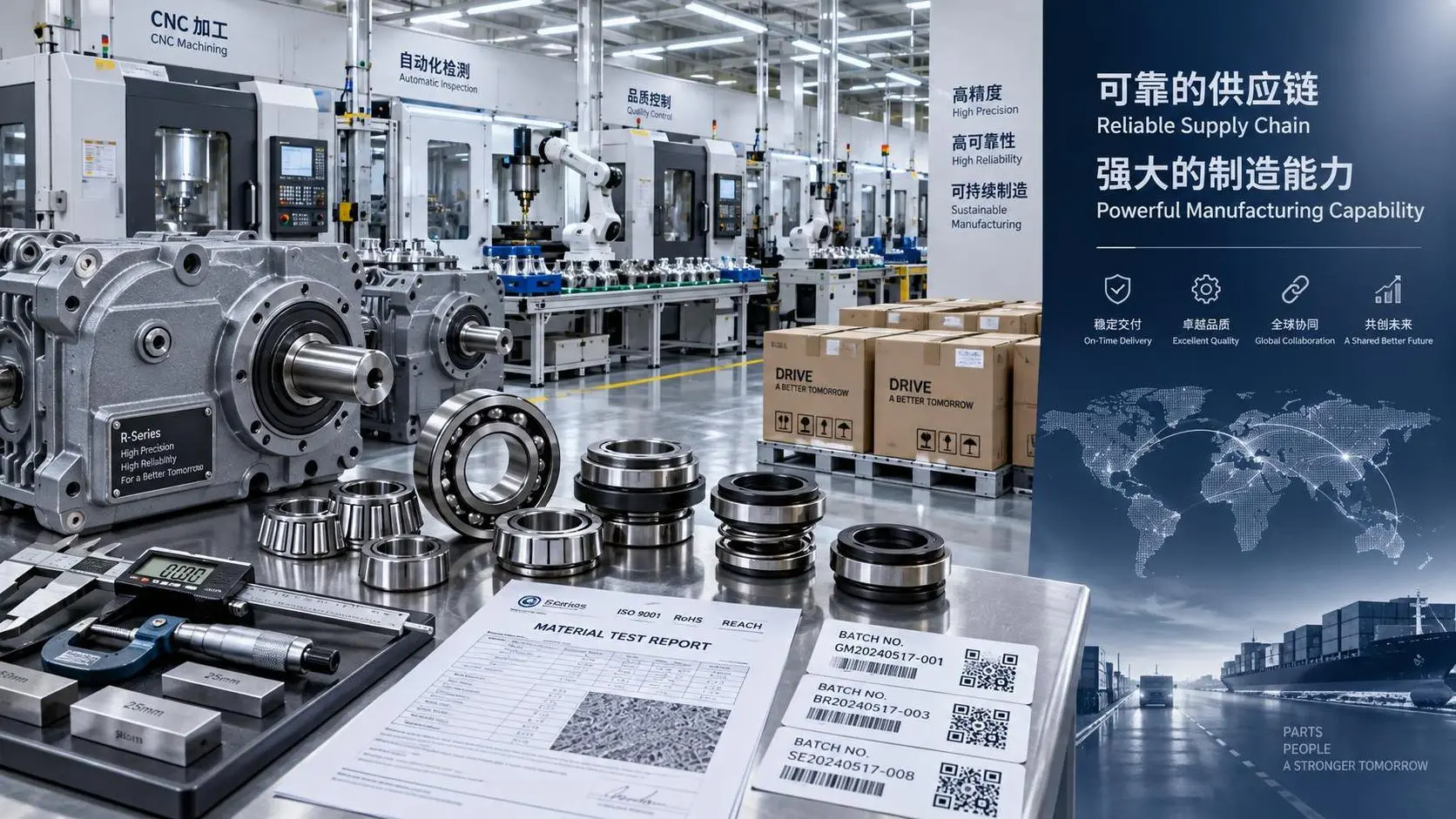
How to Assess a Global Supplier’s Capability Before Awarding a Critical Contract
Global supplier capability review: learn how to verify technical control, quality systems, global delivery resilience, compliance, and service support before awarding a critical contract.
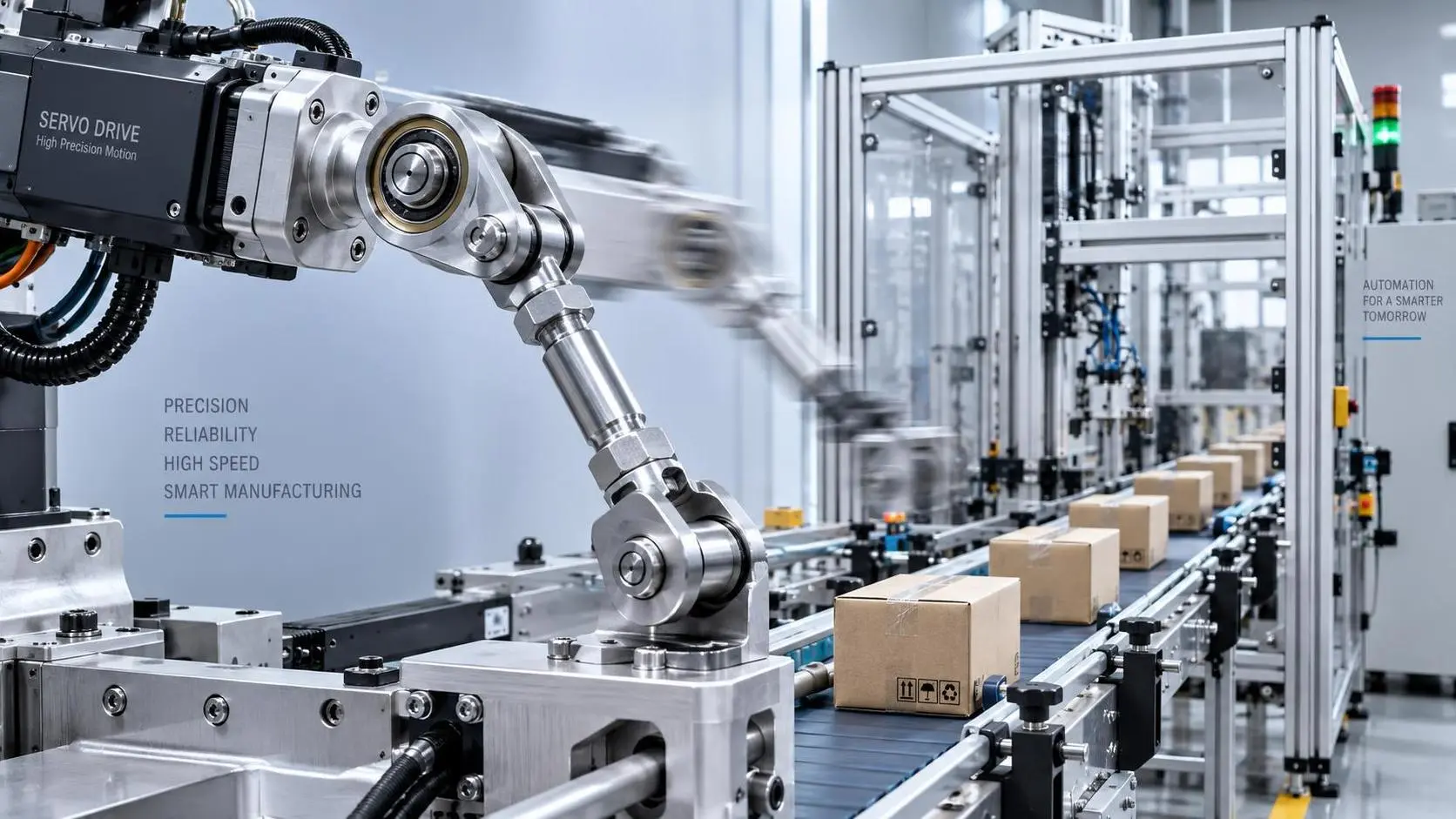
How to Select Mechanical Linkage Components for High-Cycle Automation Equipment
Mechanical linkage technology components: learn how to select reliable rod ends, pins, and joints for high-cycle automation, reducing wear, backlash, downtime, and maintenance risk.