
Industry News
Curation by industry experts
Hot Articles
Popular Tags
Advanced Tribology Applications Reducing Friction in Gear Reducers
Advanced tribology applications are reshaping the performance envelope of gear reducers across automated production, material handling, energy systems, mobile equipment, and other power transmission environments. In practical terms, these solutions reduce friction, stabilize temperature, limit wear, and improve efficiency under demanding loads, variable speeds, and contaminated conditions. For industrial intelligence platforms such as GPT-Matrix, the subject matters because it connects material science, lubricant engineering, digital condition tracking, and mechanical design into one decision framework. Understanding advanced tribology applications helps explain why some gear reducers achieve longer service intervals, lower lifecycle cost, and more reliable torque delivery than others in modern manufacturing systems.
What do advanced tribology applications mean in gear reducers?
In gear reducers, tribology is the science of friction, wear, lubrication, and surface interaction between moving components such as gear teeth, shafts, bearings, and seals. Advanced tribology applications go beyond simply choosing an oil grade. They include engineered surface finishes, anti-wear and extreme-pressure additives, synthetic lubricants, solid film coatings, micro-texturing, contamination control, and condition-based lubrication strategies. Their goal is to maintain a protective film between contacting surfaces while minimizing mechanical losses.
This is especially important because a gear reducer rarely operates in a perfectly steady state. Start-stop cycles, shock loads, misalignment, high torque density, and ambient temperature changes can push contact zones from full-film lubrication into mixed or boundary lubrication. Under these transitions, friction rises sharply and micro-pitting, scuffing, adhesive wear, and lubricant degradation become more likely. Advanced tribology applications address these real operating transitions rather than only ideal laboratory conditions.
From a broader industry perspective, advanced tribology applications also support the goals of energy saving and reliability improvement. Even a small reduction in friction loss can produce meaningful gains when repeated across conveyors, mixers, robotics, packaging lines, wind yaw drives, and heavy-duty industrial drives. That is why tribology now sits at the intersection of component design, maintenance strategy, and sustainability planning.
How do advanced tribology applications reduce friction inside a gear reducer?
The first mechanism is lubricant film formation. High-performance synthetic oils with stable viscosity indices help preserve film thickness across hot and cold operating windows. When the film remains intact, metal-to-metal contact is reduced, and friction shifts toward fluid shear instead of surface damage. In helical and planetary reducers, where load distribution and sliding components vary across the mesh, this stability is critical.
The second mechanism is surface engineering. Precision finishing lowers roughness peaks that would otherwise tear through the lubricant film. Advanced tribology applications may also use coatings such as DLC-like low-friction films, phosphate layers, or specially engineered treatments that improve scuff resistance during running-in. These treatments do not replace lubricant quality, but they improve how the contact pair behaves when lubrication conditions are temporarily weak.
A third mechanism is additive chemistry. Anti-wear and extreme-pressure packages react at the contact interface to form sacrificial protective layers. In high-load reducers, these chemical films can prevent welding and tearing at asperity contact points. However, additive balance matters. Some chemistries interact differently with bronze gears, yellow metals, seal materials, or fine filtration systems, so formulation compatibility must be checked rather than assumed.
Finally, advanced tribology applications reduce secondary friction sources by controlling contamination, aeration, and thermal stress. Water ingress, dust, metal particles, and foaming all damage lubrication quality. Once contamination rises, friction reduction claims quickly collapse in the field. For that reason, breathers, filtration, seal quality, oil sampling, and housing ventilation are part of tribology performance, not separate maintenance details.
Which operating scenarios benefit most from advanced tribology applications?
High-duty applications benefit first. Continuous conveyors, extruders, agitators, cooling tower drives, and packaging systems often run long hours with limited downtime windows. In such cases, advanced tribology applications help control oil oxidation, bearing stress, and tooth flank wear over long service intervals. Reduced heat generation also supports stable output and can lessen the burden on surrounding components.
Variable-load environments are another strong use case. Equipment in mining support systems, port handling, agricultural processing, and mobile industrial machinery may face fluctuating torque, shock loading, or frequent starts. These conditions repeatedly challenge lubricant films. Better additive systems, more robust surface treatments, and cleaner lubrication circuits can significantly improve survival under these harsh transitions.
Compact, high-power-density reducers also gain clear value. As industrial design pushes for smaller footprints and greater torque output, contact stress increases. That means less tolerance for poor lubrication, rough surfaces, or thermal imbalance. Advanced tribology applications become a design necessity rather than an optional upgrade.
The same logic applies to low-speed, high-load systems, where full elastohydrodynamic films may be difficult to maintain. Here, friction reduction depends heavily on boundary film behavior, base oil strength, and the quality of gear tooth contact patterns. In other words, advanced tribology applications are often most valuable at the extremes, not just in average operating conditions.
How can one evaluate and compare tribology solutions for gear reducers?
A useful comparison starts with operating reality rather than marketing claims. Load spectrum, speed range, duty cycle, ambient temperature, contamination risk, mounting orientation, and maintenance intervals should all be defined first. A lubricant or coating that performs well in a controlled benchmark may not deliver the same value in dusty, humid, or shock-loaded service.
Evaluation should then focus on several practical criteria:
- Compatibility with gear metallurgy, seals, and bearing materials
- Viscosity stability across real operating temperatures
- Resistance to oxidation, foaming, and water contamination
- Micropitting, scuffing, and wear protection under peak load
- Service interval potential and monitoring requirements
- Measured effect on efficiency, heat generation, and noise
Advanced tribology applications should also be judged by lifecycle economics, not only initial purchase price. A more expensive synthetic lubricant or engineered surface may still be the better choice if it reduces unplanned shutdowns, extends oil drain intervals, protects bearings, and lowers energy consumption. In many industrial systems, a small gain in reducer reliability is more valuable than a modest saving on consumables.
What are the common risks, myths, and implementation mistakes?
One common myth is that any low-viscosity oil automatically improves efficiency. In reality, if viscosity drops below the safe film requirement for a gear set or bearing, friction may initially appear lower but wear risk increases rapidly. Advanced tribology applications are about optimized friction, not minimum viscosity at any cost.
Another mistake is treating lubricant upgrades as a standalone fix for poor alignment, inaccurate gear geometry, or inadequate sealing. Tribology can compensate for some operating stress, but it cannot permanently solve mechanical design defects. If tooth contact patterns are wrong or contamination is uncontrolled, even premium solutions will underperform.
A third risk is ignoring transition management when changing products. Mixing lubricant chemistries, failing to clean the housing, or keeping degraded filters in service can compromise the expected result. For coated surfaces or specialty oils, implementation discipline is part of performance. The best advanced tribology applications depend on correct commissioning, monitoring, and feedback from actual operating data.
There is also a timing issue. Some organizations wait until wear debris, overheating, or noise become severe before reviewing tribology options. By then, surface fatigue may already be established. Earlier analysis through oil sampling, temperature trending, and vibration review makes friction reduction efforts more effective and less expensive.
What is the realistic cost-benefit outlook for advanced tribology applications?
The return from advanced tribology applications usually appears in four areas: lower energy loss, longer oil life, reduced component wear, and fewer unexpected outages. The exact balance depends on reducer size, duty severity, local energy cost, and downtime impact. In high-availability systems, preventing one shutdown may justify the full program cost.
Implementation can be staged. A practical path begins with baseline analysis of current lubrication condition, operating temperature, wear metals, and failure history. Next comes a targeted upgrade, such as switching to a more suitable synthetic oil, improving breather and filtration hardware, or specifying a refined surface treatment for critical reducers. Finally, performance is validated through measurable indicators such as temperature reduction, oil cleanliness, wear trend stabilization, and service interval extension.
For intelligence-led industrial decision making, this staged approach is valuable because it turns tribology into a measurable business case. It aligns well with the GPT-Matrix view that power transmission performance depends on the connection between material innovation, operating context, and structured data interpretation. In that sense, advanced tribology applications are not just technical upgrades; they are strategic tools for improving mechanical efficiency across the industrial value chain.
Advanced tribology applications offer a clear route to reducing friction in gear reducers, but the strongest results come from system thinking. Lubricants, surfaces, seals, contamination control, and monitoring must work together under real operating loads. A useful next step is to review current reducer duty conditions, identify where mixed lubrication or contamination risk is highest, and compare those findings against tribology upgrade options. With disciplined evaluation, friction reduction can move from a theoretical concept to a durable source of efficiency, reliability, and longer asset life.
Recommended News
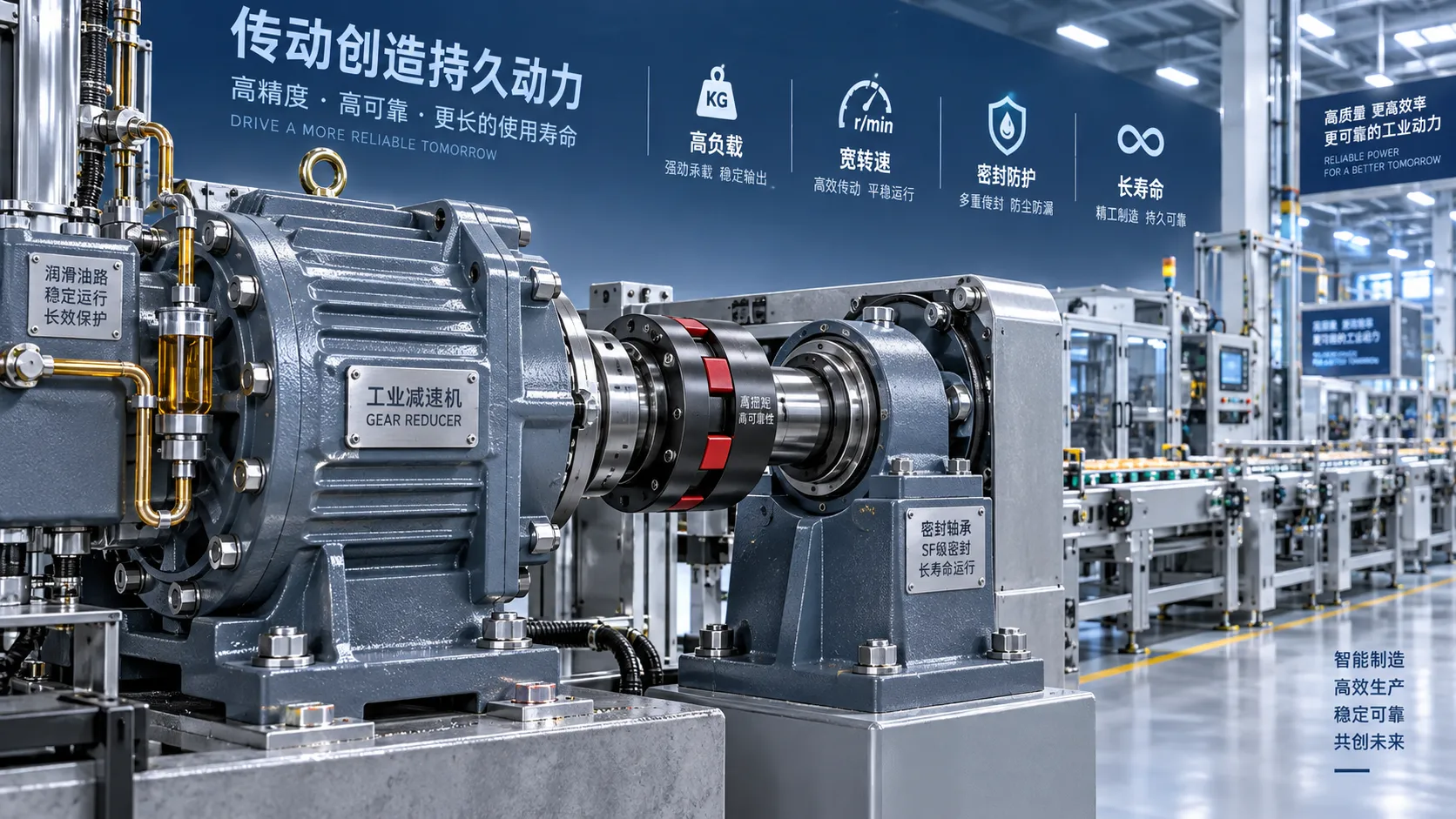
Mechanical Component Selection: Key Criteria for Load, Speed, Environment, and Service Life
Mechanical component selection made practical: evaluate load, speed, environment, lubrication, and service life to improve reliability, reduce downtime, and control lifecycle costs.
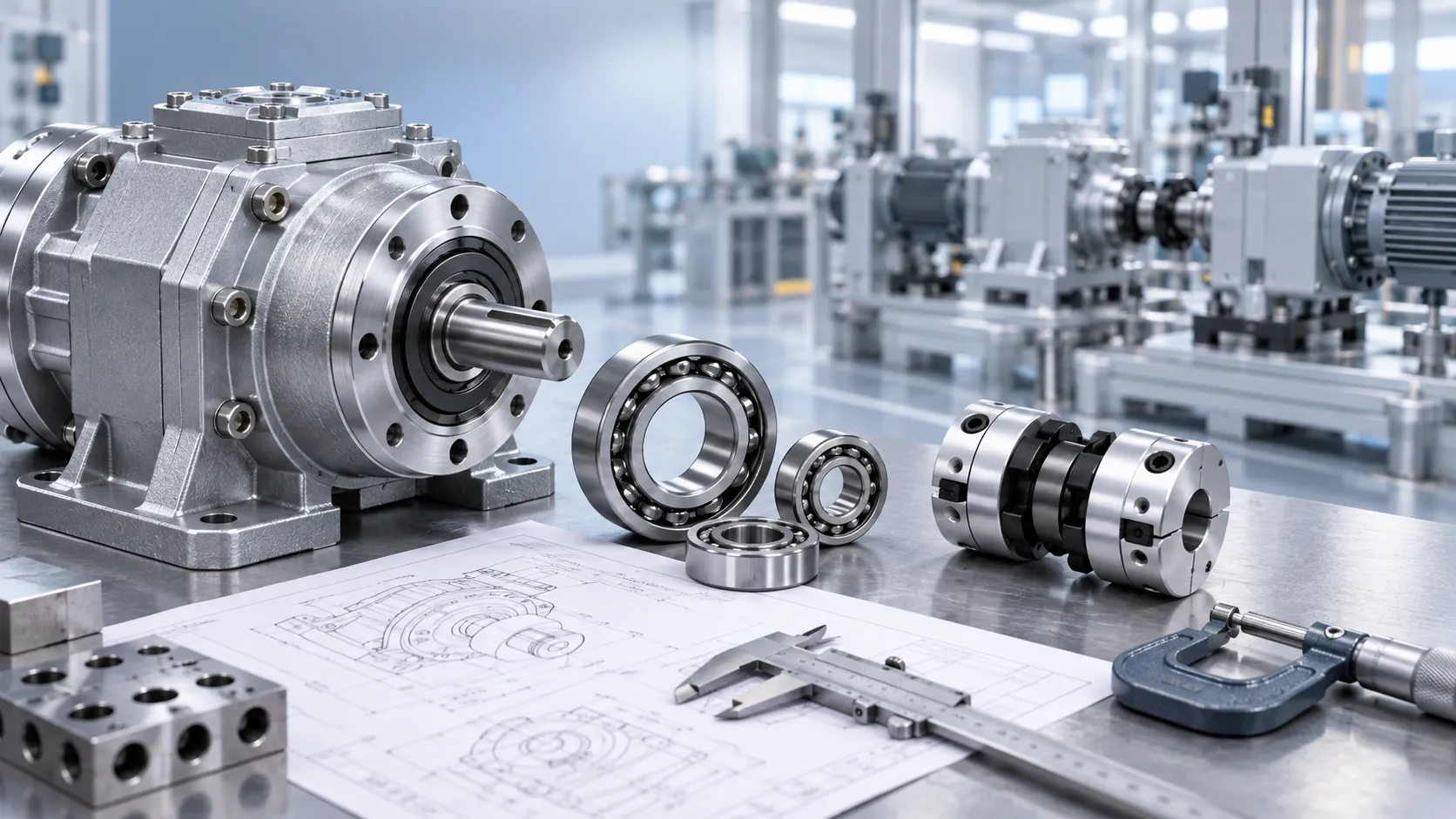
What to Request in Component Specification Resources Before Choosing a Supplier
Industrial component specification resources supplier guide: request drawings, material data, ratings, validation, and change control to choose reliable suppliers and reduce lifecycle risk.
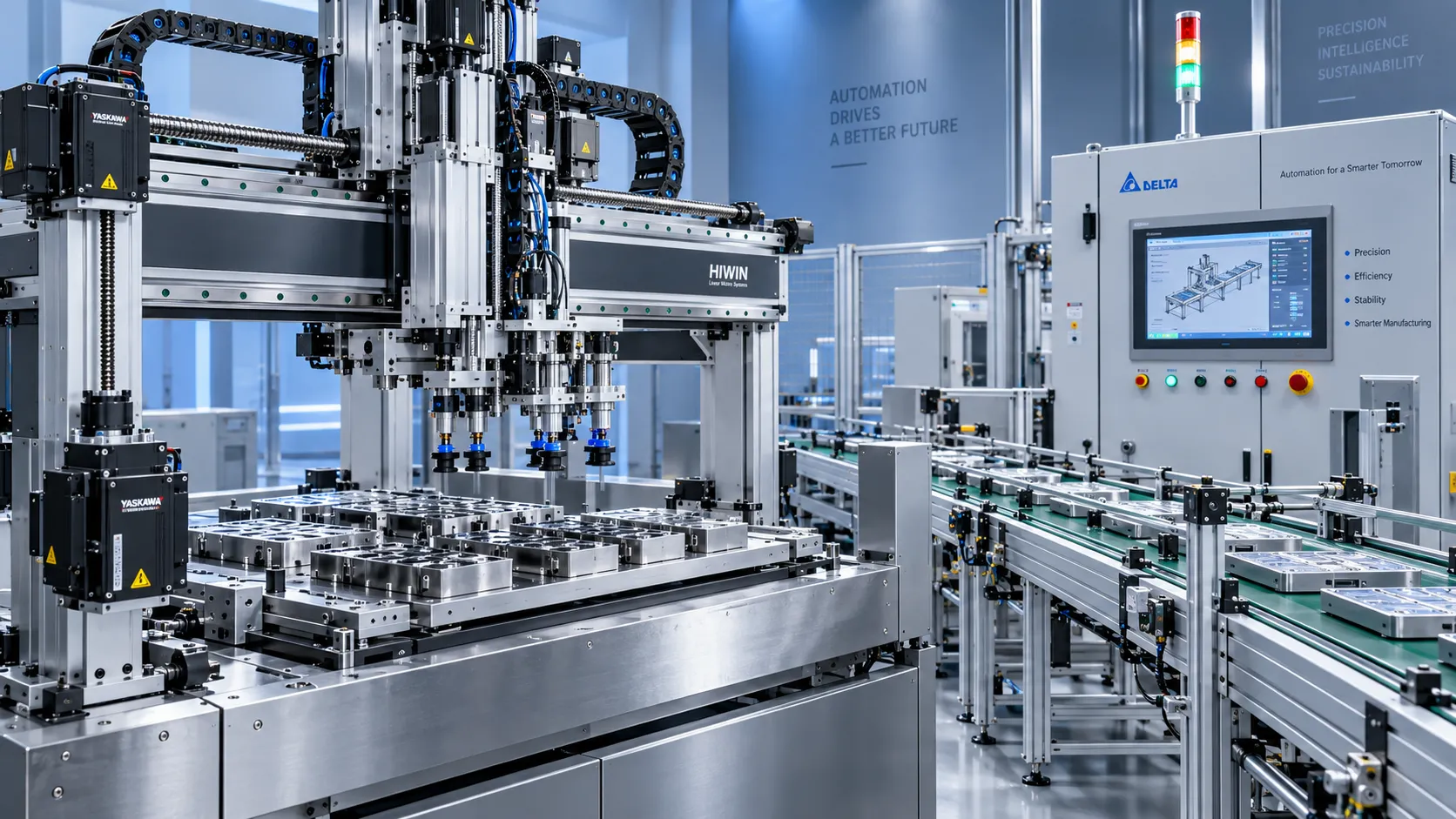
How to Specify Multi-Axis Motion Control for High-Precision Automated Machines
Master multi axis motion control for high-precision automation—optimize synchronization, feedback, mechanics, safety, and lifecycle reliability.
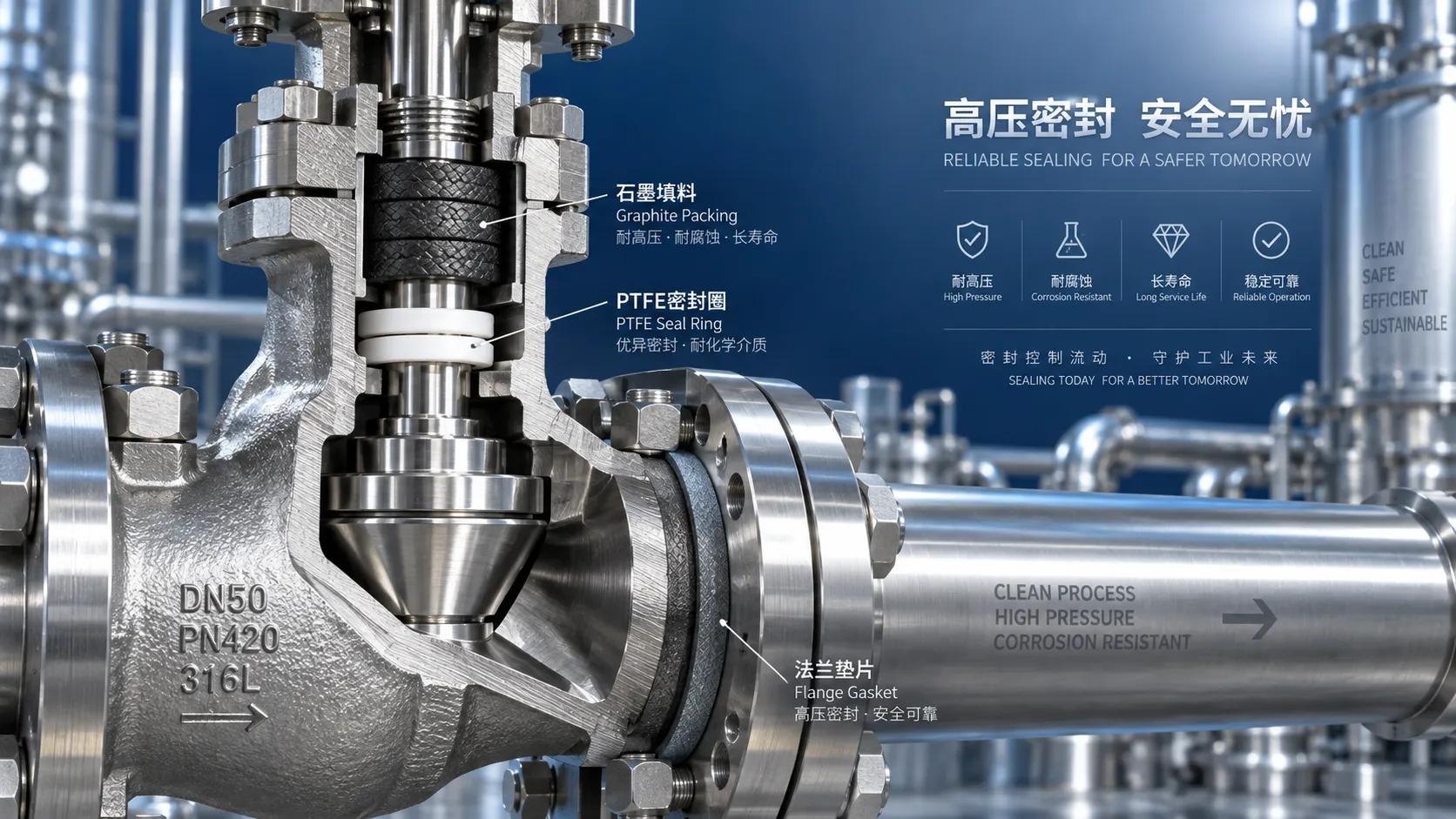
Selecting Valve Sealing Solutions for High-Pressure and Corrosive Service
Industrial sealing solutions for valves: learn how to select reliable systems for high-pressure, corrosive service, control fugitive emissions, and reduce lifecycle leakage risks.
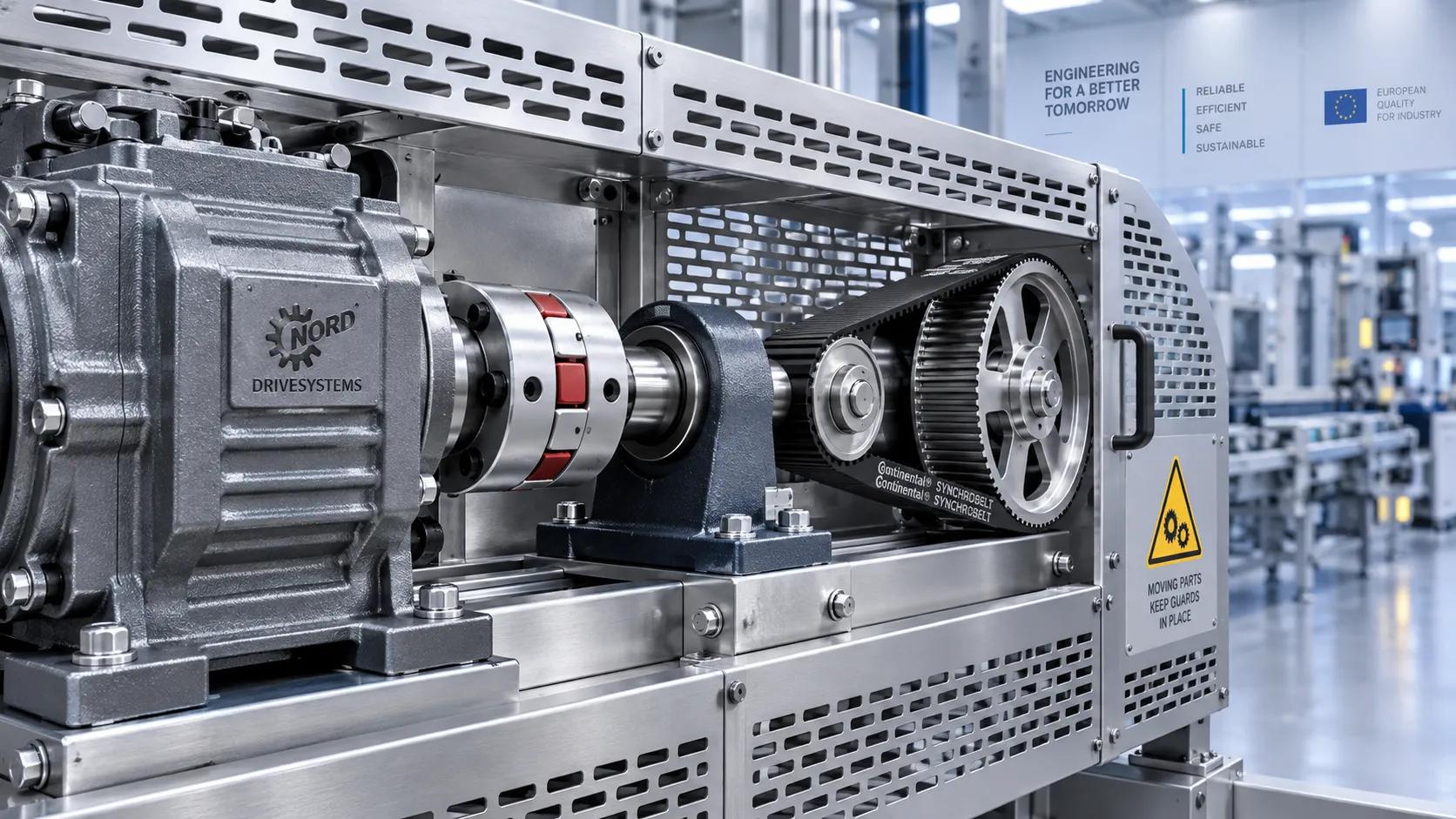
Which European Standards Matter When Specifying Industrial Power Transmission Systems?
Standardized transmission systems Europe: discover the key EN and ISO standards for safer, compliant gear units, belts, couplings, bearings, seals, and ATEX applications.
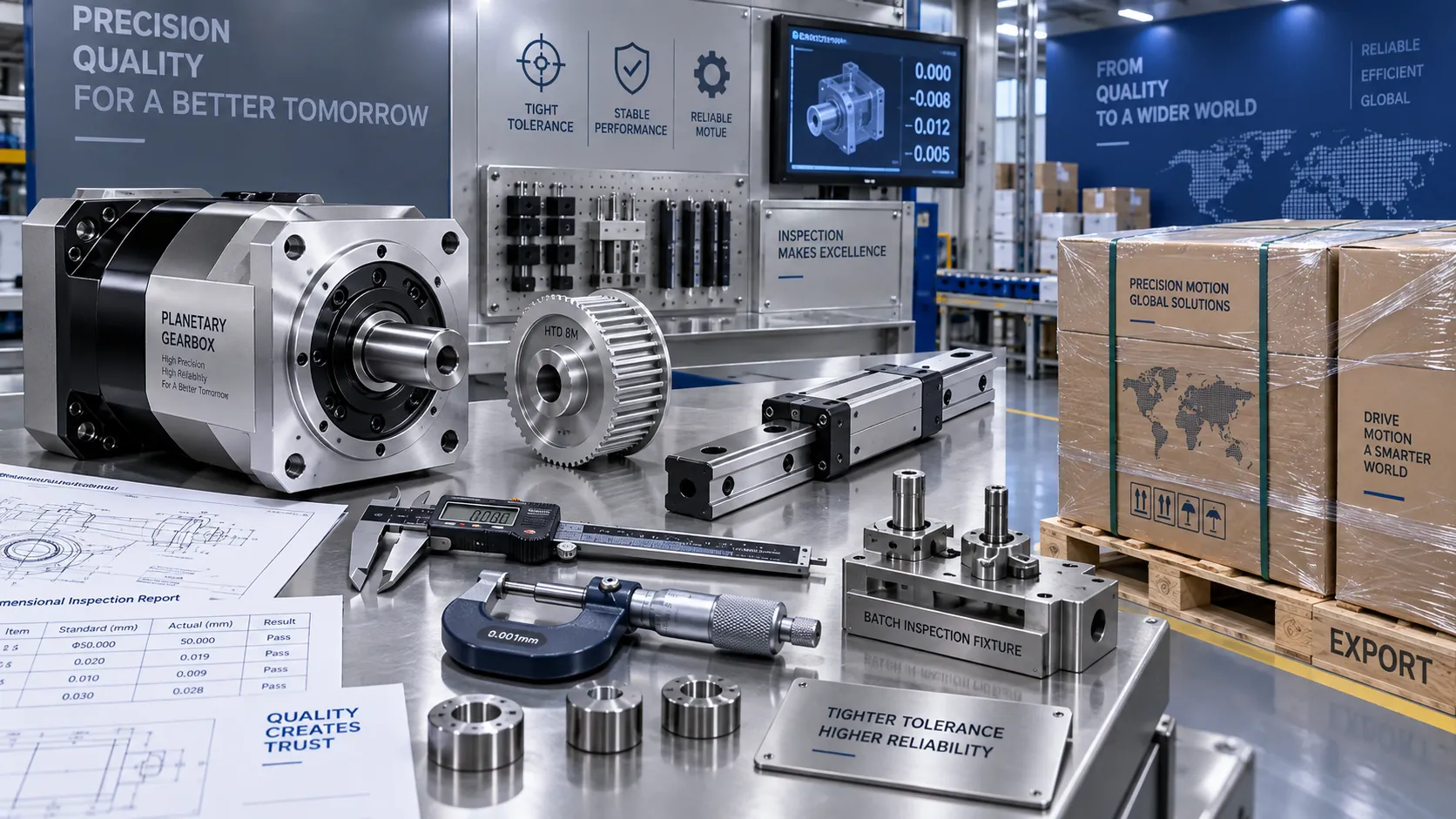
How to Vet a Motion Control Components Exporter for Global OEM Supply?
Motion control components exporter vetting guide for global OEMs: assess quality, traceability, export readiness, landed cost, and supply resilience before you buy.
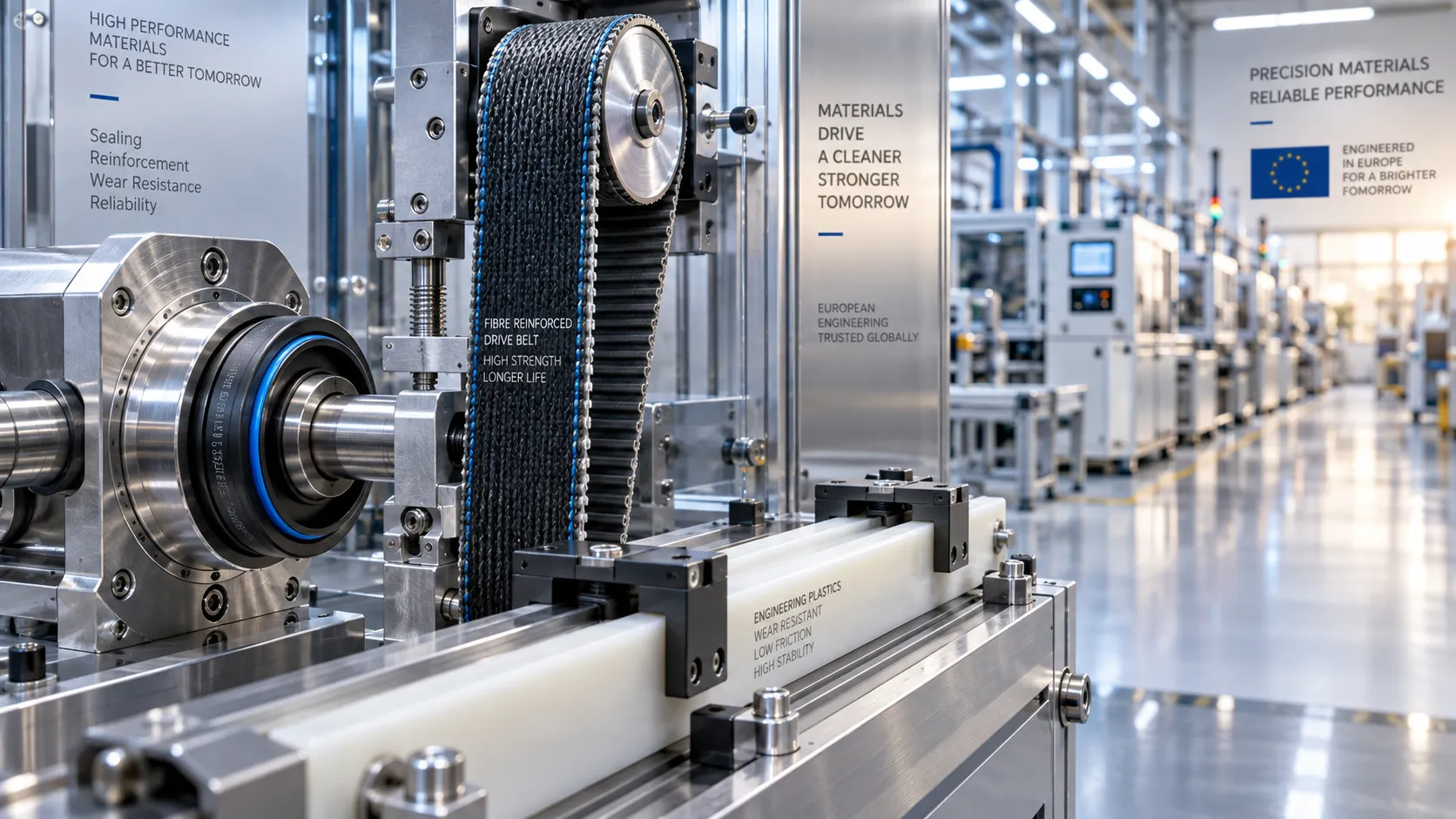
High-Performance Materials in Europe: Sourcing Criteria for Critical Industrial Applications
High-performance materials Europe: learn how to source critical industrial materials using proven criteria for durability, compliance, traceability, lifecycle cost, and supply resilience.
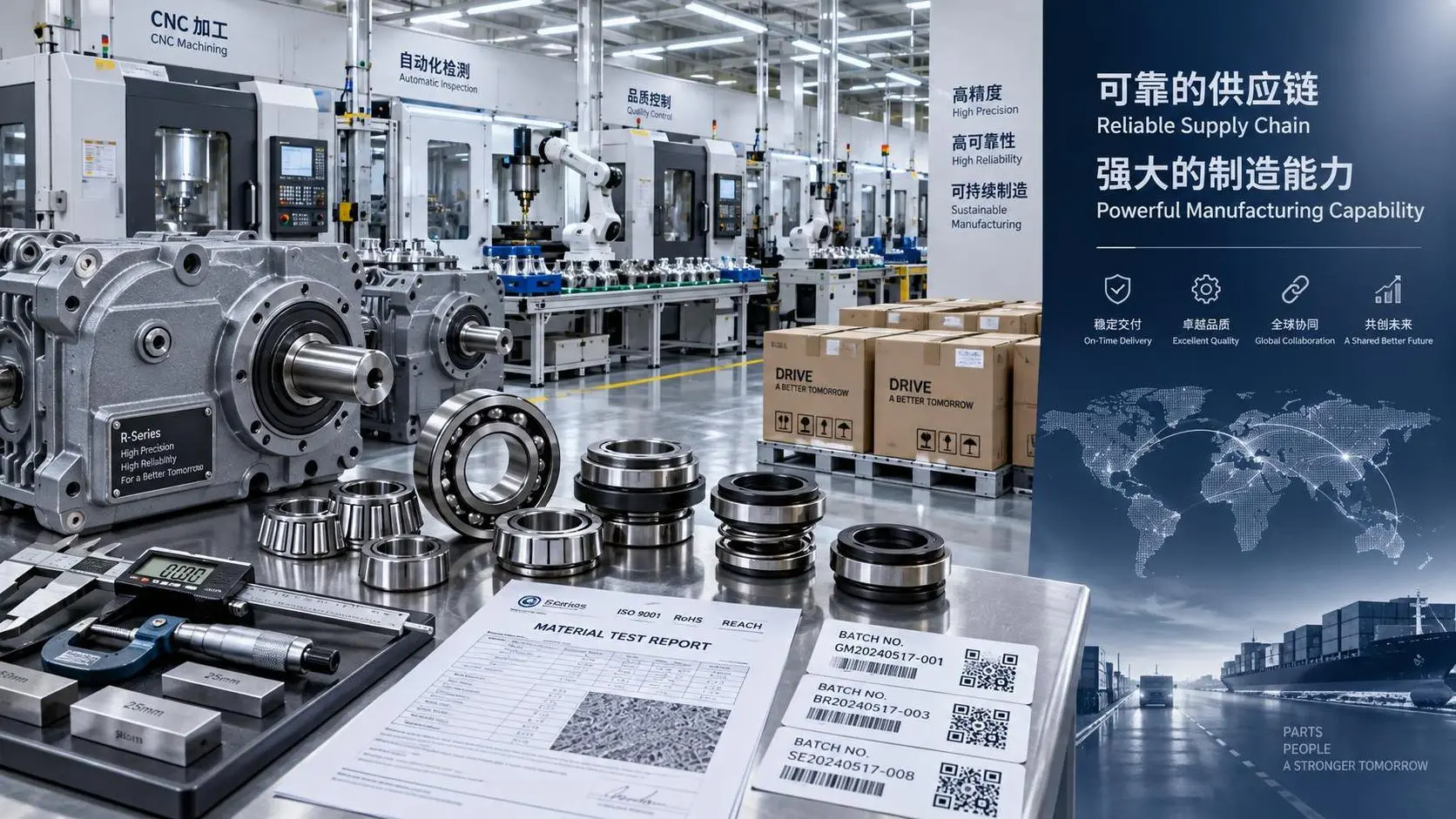
How to Assess a Global Supplier’s Capability Before Awarding a Critical Contract
Global supplier capability review: learn how to verify technical control, quality systems, global delivery resilience, compliance, and service support before awarding a critical contract.

How to Select Mechanical Linkage Components for High-Cycle Automation Equipment
Mechanical linkage technology components: learn how to select reliable rod ends, pins, and joints for high-cycle automation, reducing wear, backlash, downtime, and maintenance risk.