
Industry News
Curation by industry experts
Hot Articles
Popular Tags
Industrial Motion Solutions That Fit Retrofit Projects Better
Retrofit projects demand more than simple replacements—they require industrial motion solutions that align with existing systems, timelines, and performance goals. For project managers and engineering leads, the right approach can reduce integration risk, control downtime, and improve long-term reliability. This article explores how to choose motion components that fit retrofit environments better while supporting efficiency, scalability, and operational continuity.
In real industrial environments, retrofit work often happens under tight shutdown windows, mixed-equipment conditions, and budget pressure. A plant may be running legacy drives, older reducers, belt systems, couplings, seals, and control interfaces that were never designed to communicate with modern components. That is why industrial motion solutions for retrofit projects must be evaluated not only by rated performance, but also by dimensional compatibility, installation tolerance, maintenance access, and lifecycle economics.
For project leaders responsible for production continuity, the challenge is practical: how to upgrade motion performance without turning a targeted retrofit into a full-line redesign. In sectors ranging from automated production lines to heavy equipment and process industries, the most successful retrofit strategies usually focus on 4 priorities: fit, risk, uptime, and future serviceability.
Why Retrofit Projects Need a Different Motion Selection Logic
New-build engineering typically starts with open design freedom. Retrofit engineering does not. In retrofit scenarios, industrial motion solutions must work within fixed shaft centers, existing mounting patterns, inherited load paths, and established maintenance practices. Even a small mismatch of 2–3 mm in mounting geometry or a different shaft interface can add days of rework, extra machining, or alignment correction.
This is especially relevant in power transmission applications where couplings, gear reducers, synchronous belts, bearings, chain drives, and sealing arrangements interact as a system. A replacement that improves nominal torque by 15% may still be the wrong choice if it increases heat, changes lubrication requirements, or introduces vibration into upstream and downstream assemblies.
Common retrofit constraints project managers face
- Shutdown windows limited to 8–48 hours for critical lines
- Mixed legacy and modern equipment with different interface standards
- Space restrictions around guards, bases, piping, and support frames
- Load uncertainty caused by incomplete historical operating data
- Pressure to reduce maintenance frequency from monthly to quarterly cycles
These limitations explain why successful industrial motion solutions are rarely chosen on catalog performance alone. They are selected through a retrofit lens that combines mechanical fit, operating context, and implementation speed.
Where intelligence matters before hardware selection
For engineering and project teams, early-stage decision support is often more valuable than the component itself. This is where market and application intelligence from specialized platforms such as GPT-Matrix becomes useful. In retrofit planning, understanding material upgrades, seal reliability trends, raw material cost pressure, and maintenance-driven demand patterns can improve decisions before procurement starts.
A drive belt compound that performs better under oil mist, a reducer configuration with simpler digital condition monitoring integration, or a seal arrangement more tolerant of shaft runout can materially affect project outcomes over a 12–36 month operating period. Better intelligence reduces specification drift and shortens the comparison cycle.
What “Better Fit” Means in Industrial Motion Solutions
A better retrofit fit does not mean the newest or most advanced component. It means the solution matches the mechanical envelope, duty cycle, environmental exposure, and service model of the existing asset. In practice, engineering teams usually assess fit across 5 dimensions: geometry, load, speed, environment, and maintainability.
Five dimensions of retrofit compatibility
The table below shows how project teams can compare industrial motion solutions in retrofit conditions rather than in ideal lab conditions.
The key conclusion is straightforward: retrofit fit is multi-variable. A technically stronger component may still be a weaker retrofit choice if it forces modifications in more than 2 of these 5 dimensions.
Components that often benefit from a retrofit-specific review
Belts and chain drives
Synchronous belts, V-belts, and chain systems are often replaced during retrofit work because they directly influence speed consistency and maintenance intervals. The right upgrade may improve tension stability and reduce re-tensioning frequency from every 4 weeks to every 10–12 weeks, but only if pulley geometry and alignment quality remain within acceptable tolerance.
Gear reducers and couplings
Reducers and couplings must be reviewed as a pair in many retrofit applications. A reducer with improved efficiency but different torsional behavior can transfer unexpected stress to a legacy coupling. In space-limited retrofits, compact footprints, modular mounting options, and tolerance for minor shaft deviation often matter more than headline efficiency gains.
Mechanical seals and supporting interfaces
In pumps, mixers, and rotating process equipment, seal reliability can determine whether a retrofit is considered successful after 6 months. Industrial motion solutions should therefore account for shaft finish, runout, pressure variation, and thermal cycling. Seal upgrades that reduce leakage risk but require cleaner operating conditions may underperform in dusty or poorly controlled plants.
How to Select Industrial Motion Solutions for Lower Integration Risk
Project managers usually need a selection process that is fast enough for execution and rigorous enough for risk control. A practical retrofit workflow often includes 5 steps: survey, define, compare, validate, and install. Skipping one of these steps can turn a 2-week planning cycle into a 6-week recovery effort.
A practical 5-step evaluation process
- Capture field dimensions, load history, speed profile, and maintenance records.
- Define minimum acceptable conditions for torque, temperature, ingress resistance, and replacement access.
- Compare 2–3 feasible industrial motion solutions against retrofit constraints, not only theoretical output.
- Validate fit through drawings, tolerance review, and if possible, a pre-installation mock-up.
- Plan commissioning, spare parts, and inspection checkpoints for the first 30–90 days.
This process is particularly effective when a line includes several interacting power transmission elements. It keeps procurement aligned with engineering realities and helps avoid late-stage specification changes.
Decision criteria that matter most in retrofit procurement
Before placing an order, many teams benefit from a weighted review model. The table below outlines a practical comparison format for industrial motion solutions in retrofit projects.
For many project teams, interchangeability and lead time are the first filters, while lifecycle maintenance becomes the deciding factor. That is why industrial motion solutions should be judged by installed value over 12–24 months, not only by purchase price on day one.
Typical specification checkpoints
- Torque and service factor under normal and peak operation
- Allowable shaft misalignment or runout range
- Temperature range, often from -10°C to 80°C in general industrial use
- Contamination exposure including dust, oil splash, or moisture
- Replacement time target, such as under 4 hours for a planned shutdown task
- Spare part availability for at least 1 critical maintenance cycle
Implementation Strategy: From Survey to Stable Operation
Even well-selected industrial motion solutions can fail in execution if installation planning is weak. Retrofit implementation should be treated as a controlled transition rather than a simple component swap. The goal is to restore operation quickly while verifying that the new motion system behaves correctly under real load, not just no-load startup conditions.
Pre-installation preparation
A strong pre-installation checklist often saves more time than accelerated field labor. Teams should verify drawing revisions, component orientation, fastener requirements, alignment tools, lubrication type, and seal handling procedure before shutdown begins. For critical assets, keeping 1 backup consumable set and 1 interface correction option on site is a sensible risk-control step.
Commissioning checkpoints in the first 72 hours
The first 24–72 hours after startup are where most retrofit issues become visible. Temperature rise, abnormal noise, seal leakage, belt tracking, vibration, and coupling behavior should be checked at several load points. A common field approach is to inspect at startup, at 2–4 hours, and again after the first full production shift.
Recommended early monitoring items
- Bearing or housing temperature trend versus baseline
- Visible misalignment signs or uneven wear marks
- Lubricant leakage, contamination entry, or seal face instability
- Belt tension retention or chain elongation after first running cycle
- Unexpected load spikes in connected motors or driven equipment
For project managers, documenting these checkpoints creates a stronger acceptance record and helps maintenance teams inherit the upgraded system with fewer ambiguities.
Post-retrofit service planning
Industrial motion solutions deliver the most value when post-install service is defined upfront. This includes spare planning, inspection intervals, lubrication instructions, and replacement triggers. If a retrofit aims to reduce total maintenance interventions from 12 events per year to 4–6 events, those targets should be reflected in operating procedures and parts stocking policy.
Platforms that track evolving component reliability, material trends, and supply dynamics can support these decisions over time. For organizations managing multiple sites or regional distribution networks, this intelligence can improve standardization and reduce fragmented part selection across lines.
Common Mistakes That Make Retrofit Motion Upgrades More Expensive
Many retrofit overruns are caused by manageable selection and planning errors. These mistakes are common across manufacturing, process handling, and heavy equipment applications, especially when teams are forced to move quickly.
Mistake 1: Prioritizing catalog performance over system compatibility
A higher-rated component may look safer, but if it changes shaft loading, guard clearance, or seal conditions, the real project cost can increase. Retrofit decisions should focus on system balance, not isolated component superiority.
Mistake 2: Ignoring environmental reality
Dust, splash, washdown, temperature cycling, and lubricant contamination are often more decisive than nameplate values. Industrial motion solutions that perform well in clean assembly areas may not hold the same service life in abrasive or wet plant zones.
Mistake 3: Underestimating the first maintenance cycle
If replacement access is poor or spare parts are not locally available, even a minor service event can create 8–12 hours of unnecessary stoppage. Retrofit selection should include a realistic first-service scenario, not only installation convenience.
Mistake 4: Treating the retrofit as a one-time purchase decision
The strongest results usually come from linking component choice to future monitoring, maintenance, and standardization strategy. That is particularly relevant for companies advancing toward digitalized maintenance and greener manufacturing targets.
Choosing Smarter Retrofit Paths with Better Industrial Intelligence
Retrofit success depends on more than choosing parts that fit on paper. The best industrial motion solutions are those that match real operating loads, installation limits, maintenance capabilities, and future efficiency goals. For project managers and engineering leads, this means evaluating geometry, duty cycle, environment, lead time, and serviceability as a connected decision set.
When teams combine disciplined field assessment with deeper intelligence on power transmission, motion control, and sealing technology trends, they can reduce integration risk and make upgrades more durable. GPT-Matrix supports this decision environment by connecting technical insight, market signals, and application-focused analysis for industrial transmission systems.
If you are planning a retrofit and need industrial motion solutions that align with existing equipment, shutdown schedules, and long-term reliability targets, now is the time to review your options in detail. Contact us to explore tailored solution paths, discuss component selection priorities, and learn more about practical retrofit strategies for your next project.
Recommended News
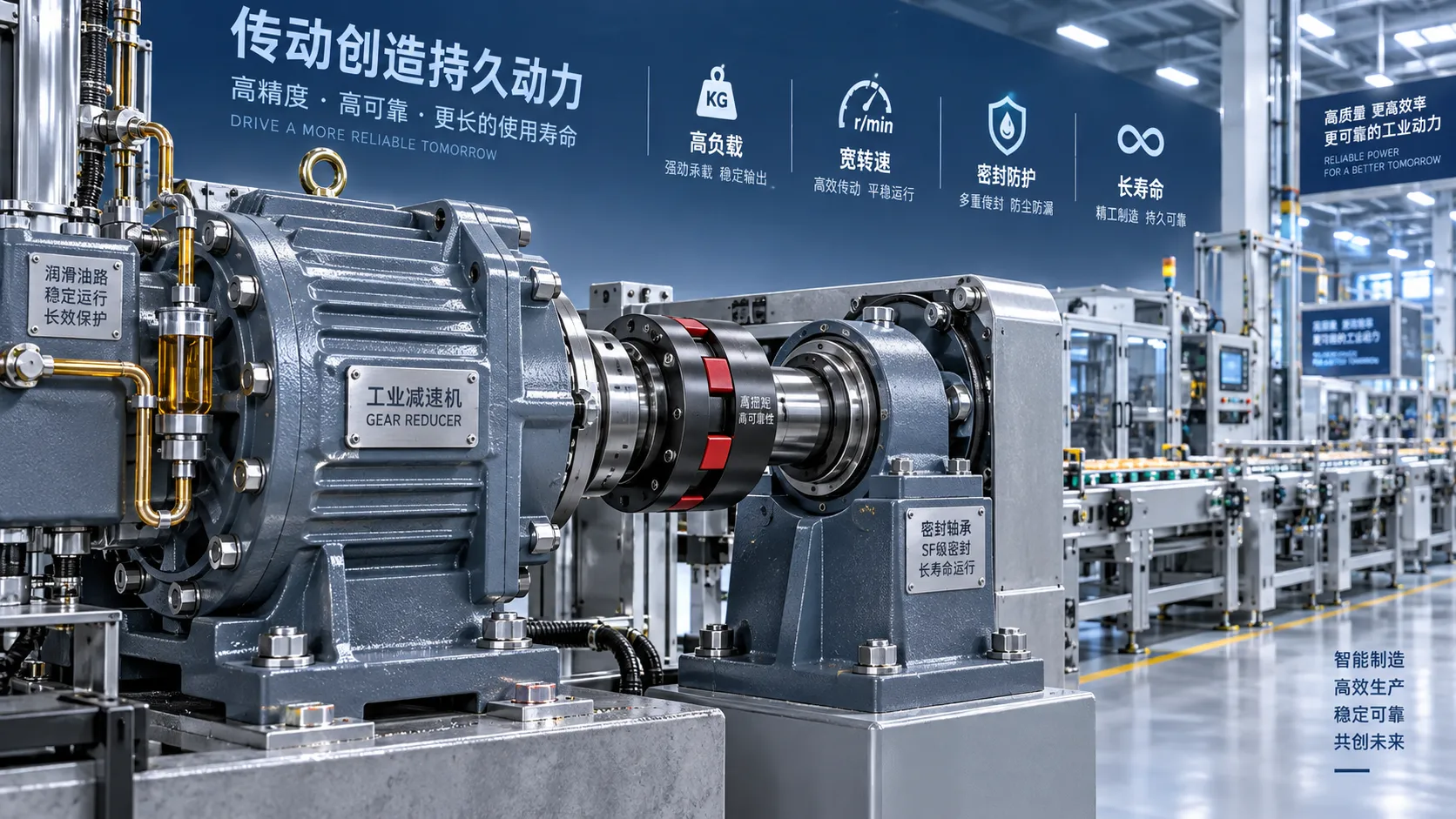
Mechanical Component Selection: Key Criteria for Load, Speed, Environment, and Service Life
Mechanical component selection made practical: evaluate load, speed, environment, lubrication, and service life to improve reliability, reduce downtime, and control lifecycle costs.
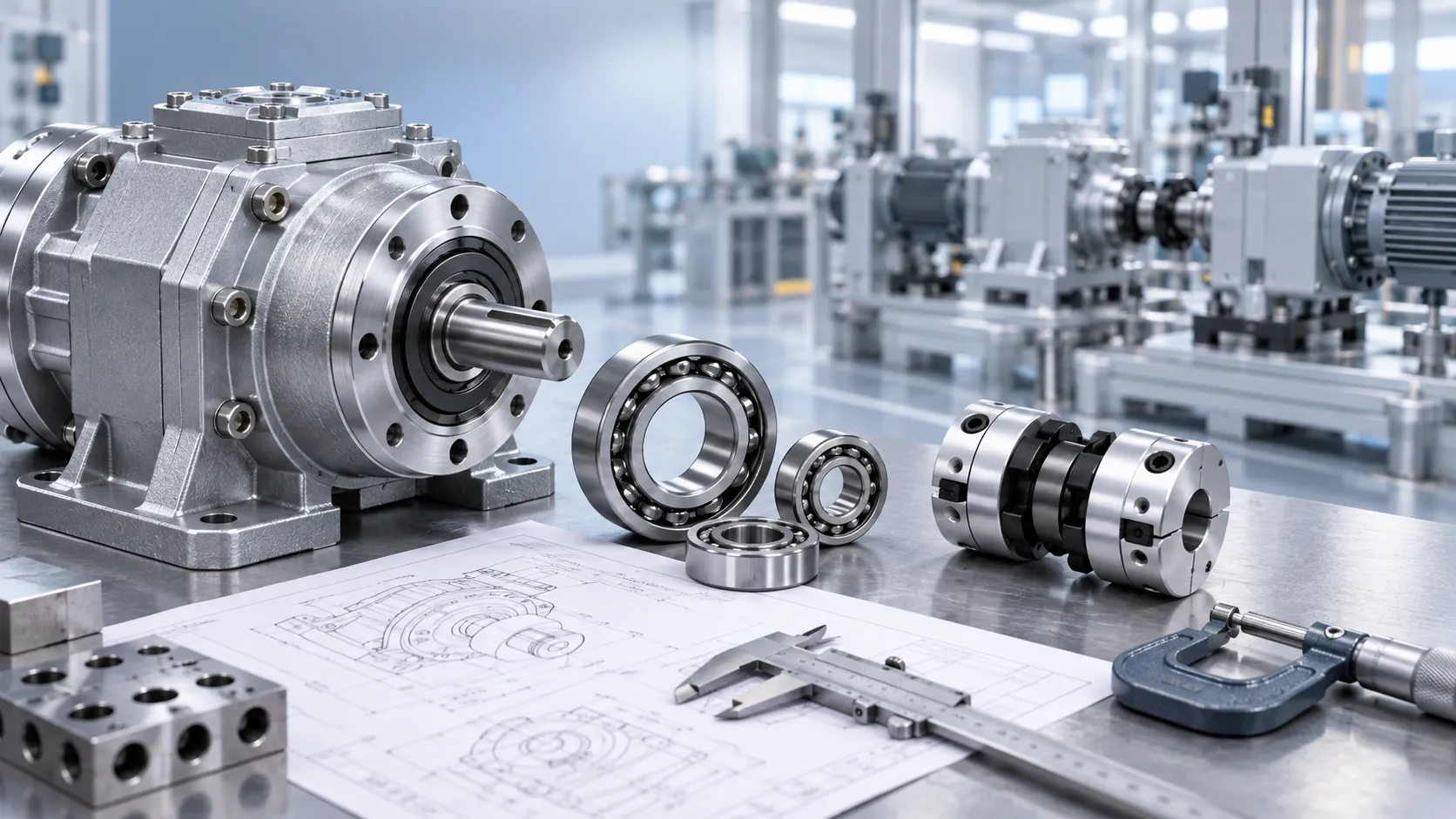
What to Request in Component Specification Resources Before Choosing a Supplier
Industrial component specification resources supplier guide: request drawings, material data, ratings, validation, and change control to choose reliable suppliers and reduce lifecycle risk.
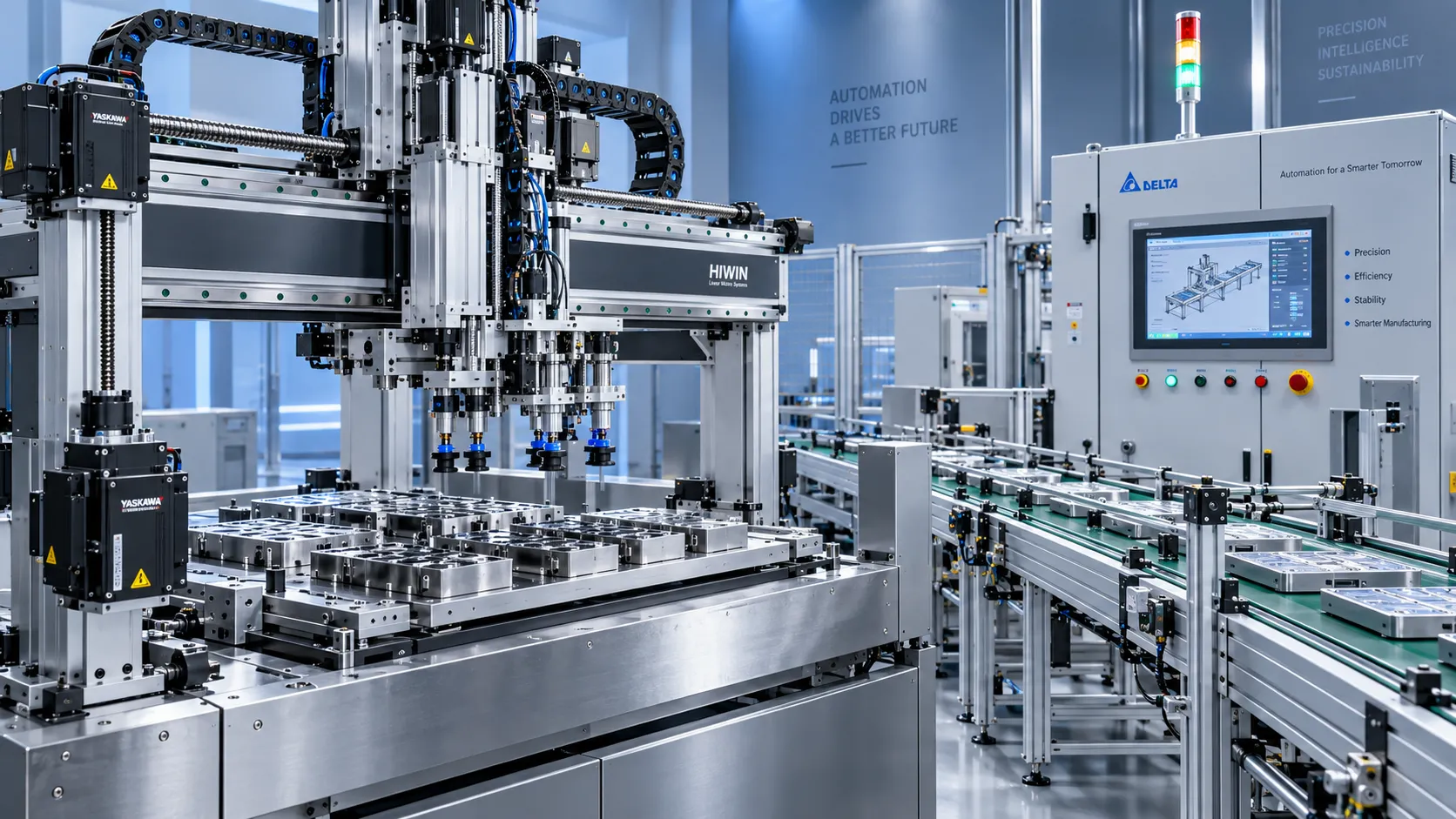
How to Specify Multi-Axis Motion Control for High-Precision Automated Machines
Master multi axis motion control for high-precision automation—optimize synchronization, feedback, mechanics, safety, and lifecycle reliability.
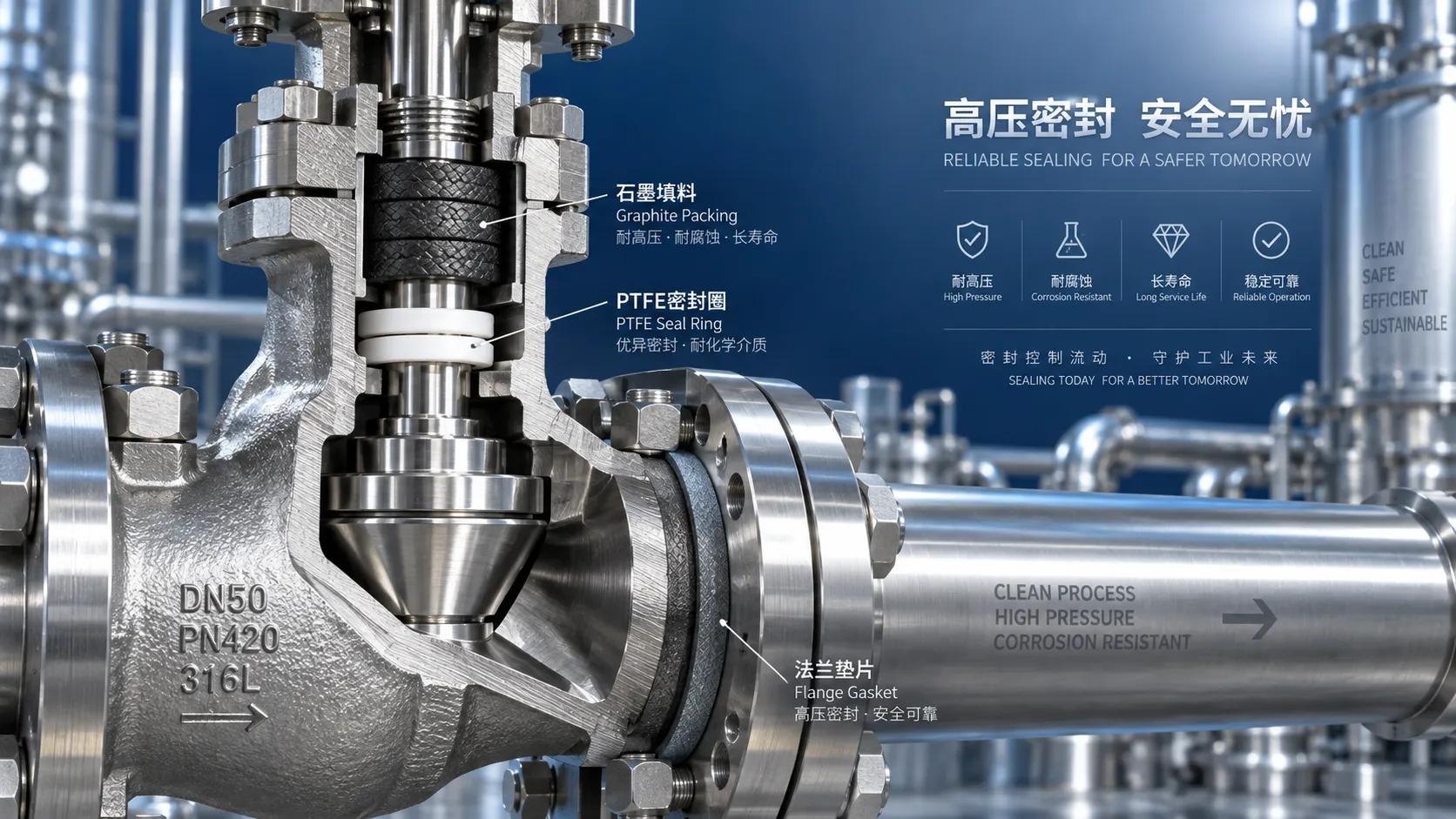
Selecting Valve Sealing Solutions for High-Pressure and Corrosive Service
Industrial sealing solutions for valves: learn how to select reliable systems for high-pressure, corrosive service, control fugitive emissions, and reduce lifecycle leakage risks.
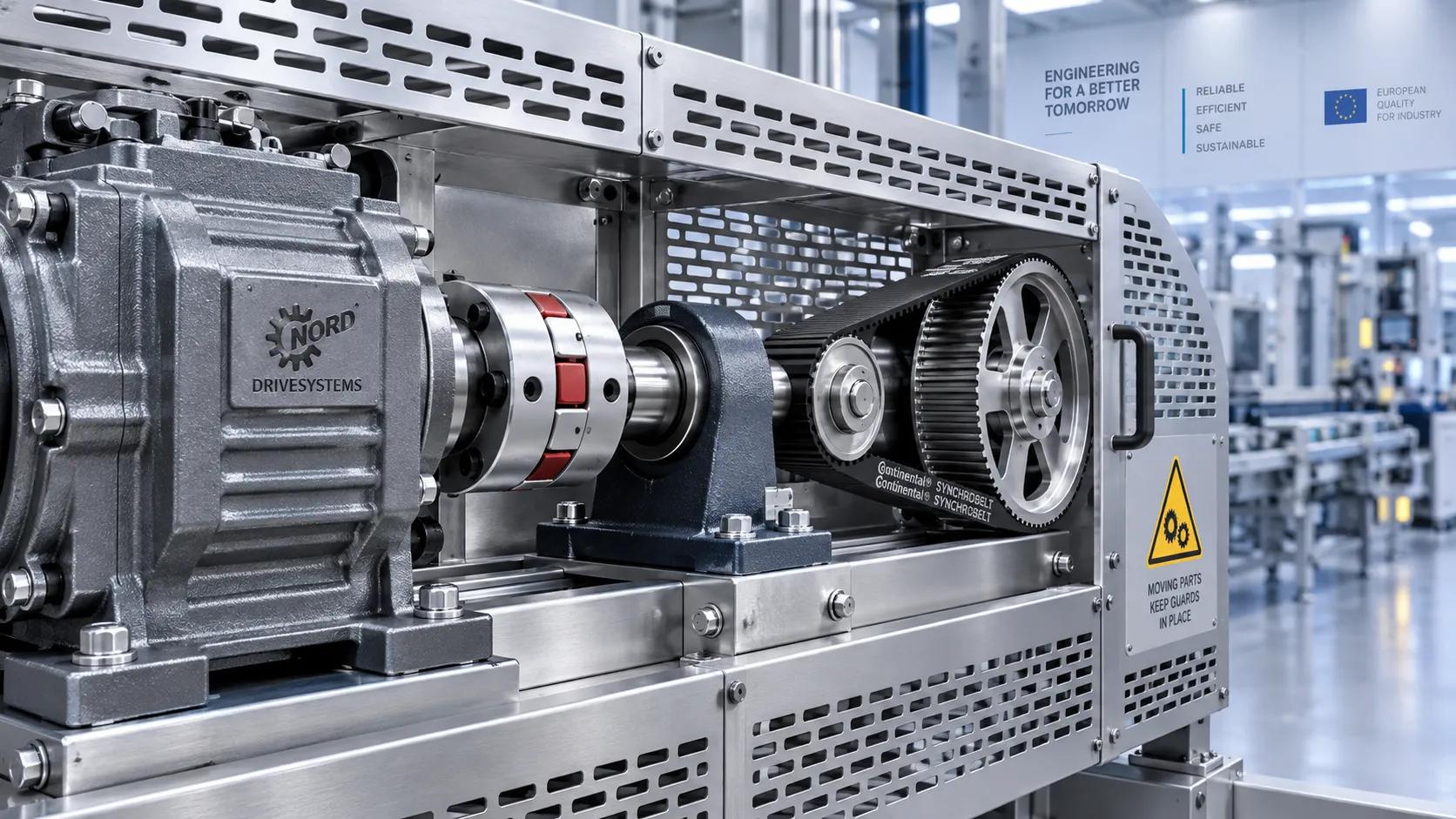
Which European Standards Matter When Specifying Industrial Power Transmission Systems?
Standardized transmission systems Europe: discover the key EN and ISO standards for safer, compliant gear units, belts, couplings, bearings, seals, and ATEX applications.
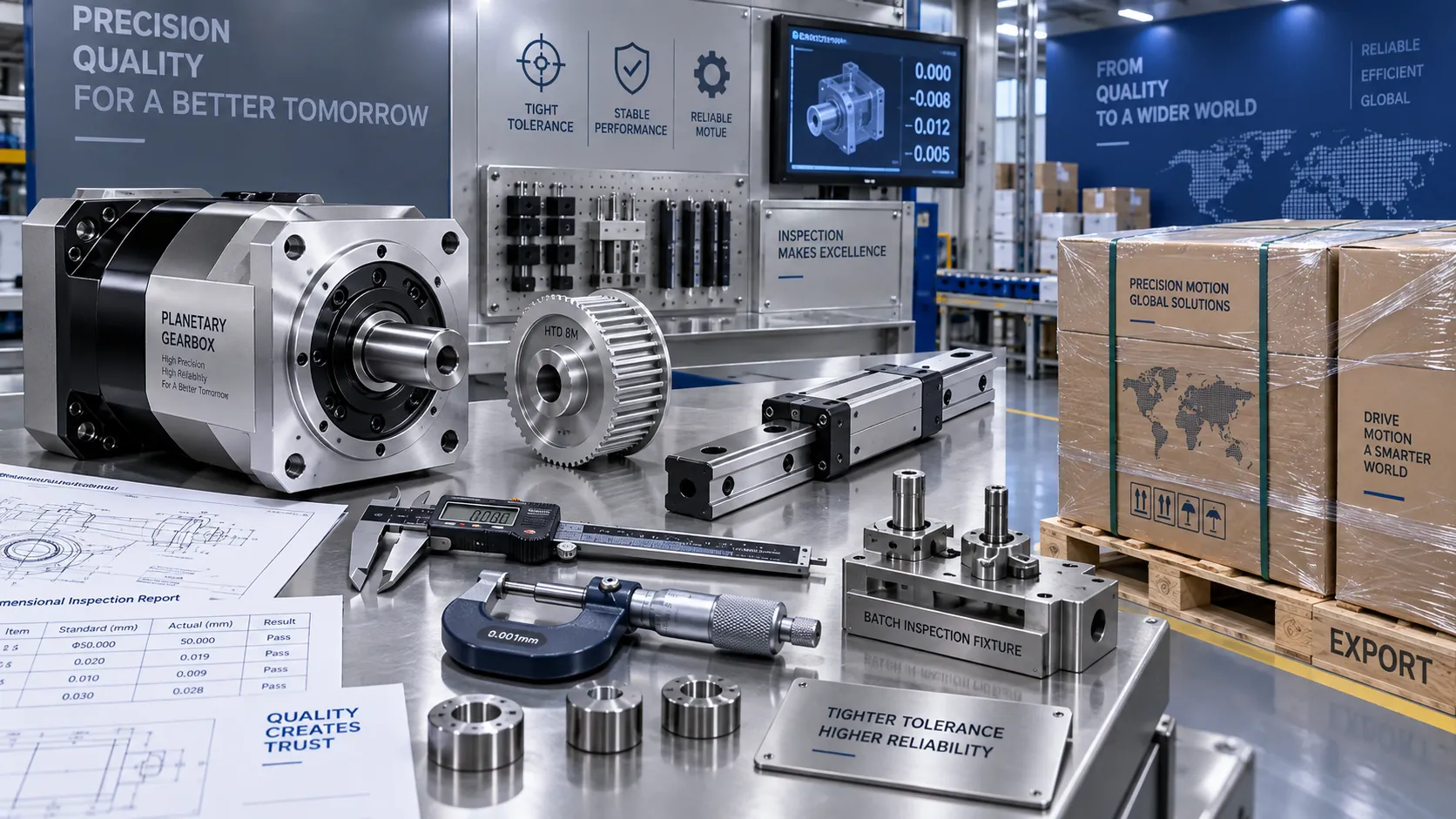
How to Vet a Motion Control Components Exporter for Global OEM Supply?
Motion control components exporter vetting guide for global OEMs: assess quality, traceability, export readiness, landed cost, and supply resilience before you buy.
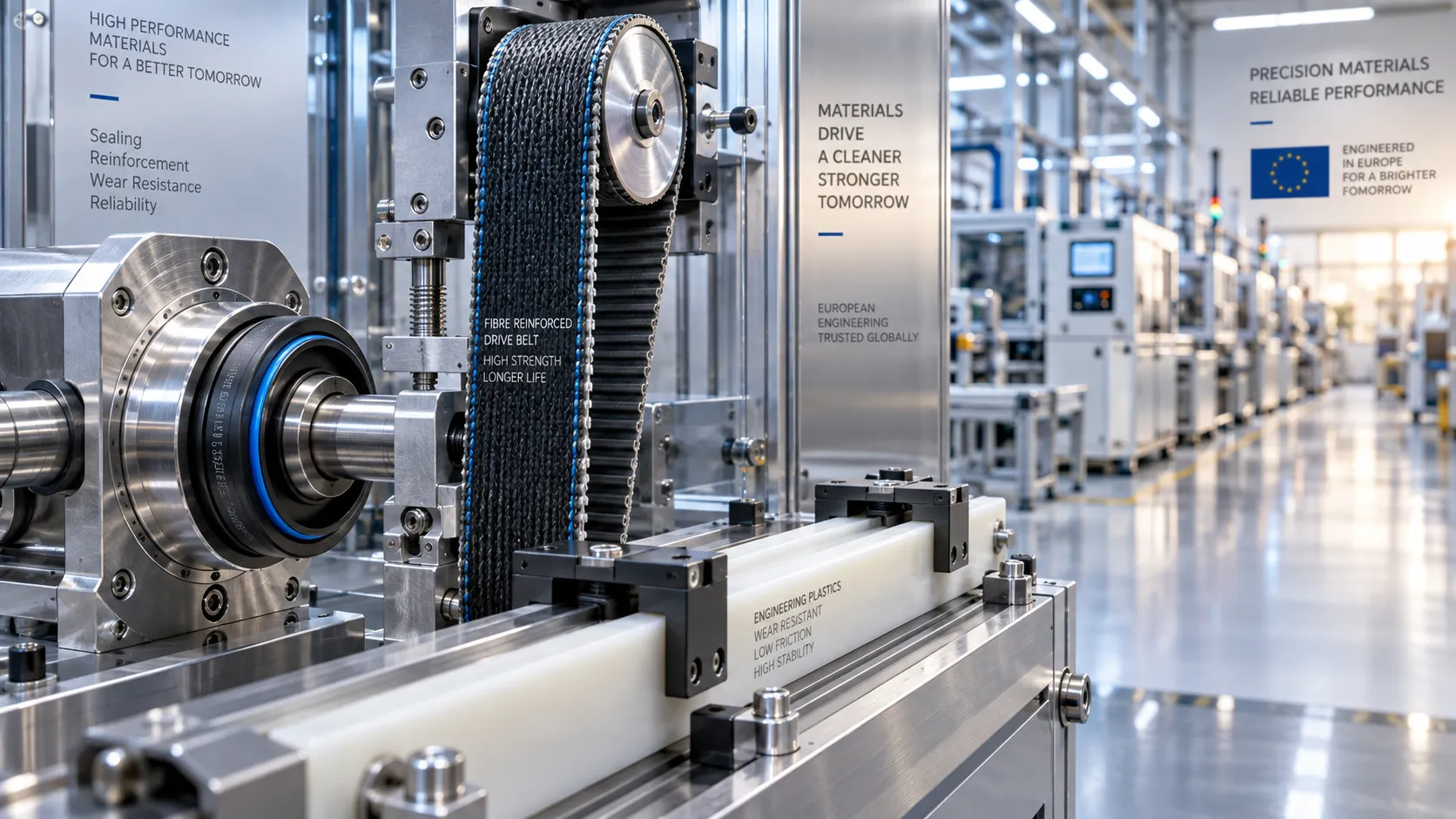
High-Performance Materials in Europe: Sourcing Criteria for Critical Industrial Applications
High-performance materials Europe: learn how to source critical industrial materials using proven criteria for durability, compliance, traceability, lifecycle cost, and supply resilience.
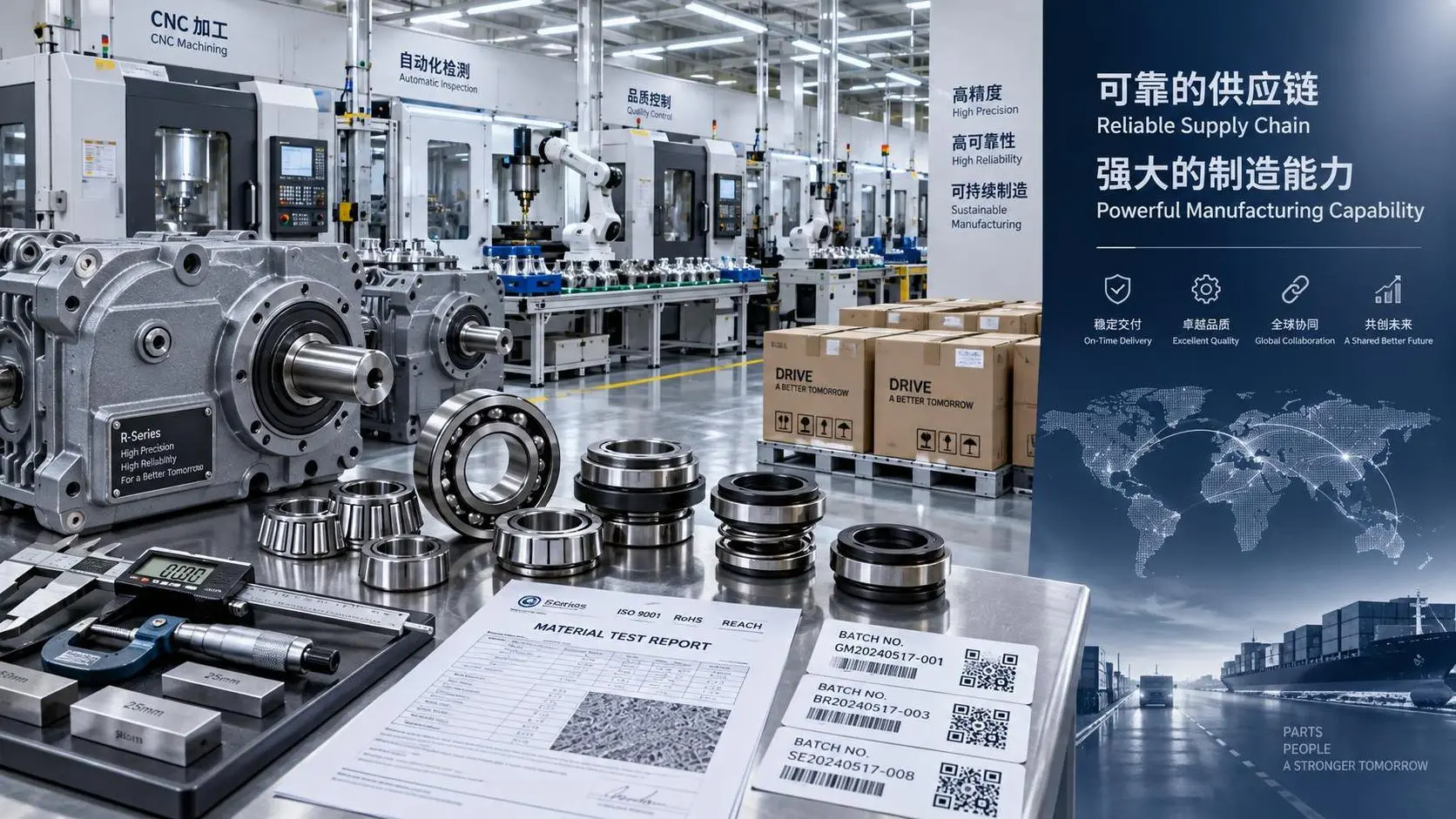
How to Assess a Global Supplier’s Capability Before Awarding a Critical Contract
Global supplier capability review: learn how to verify technical control, quality systems, global delivery resilience, compliance, and service support before awarding a critical contract.
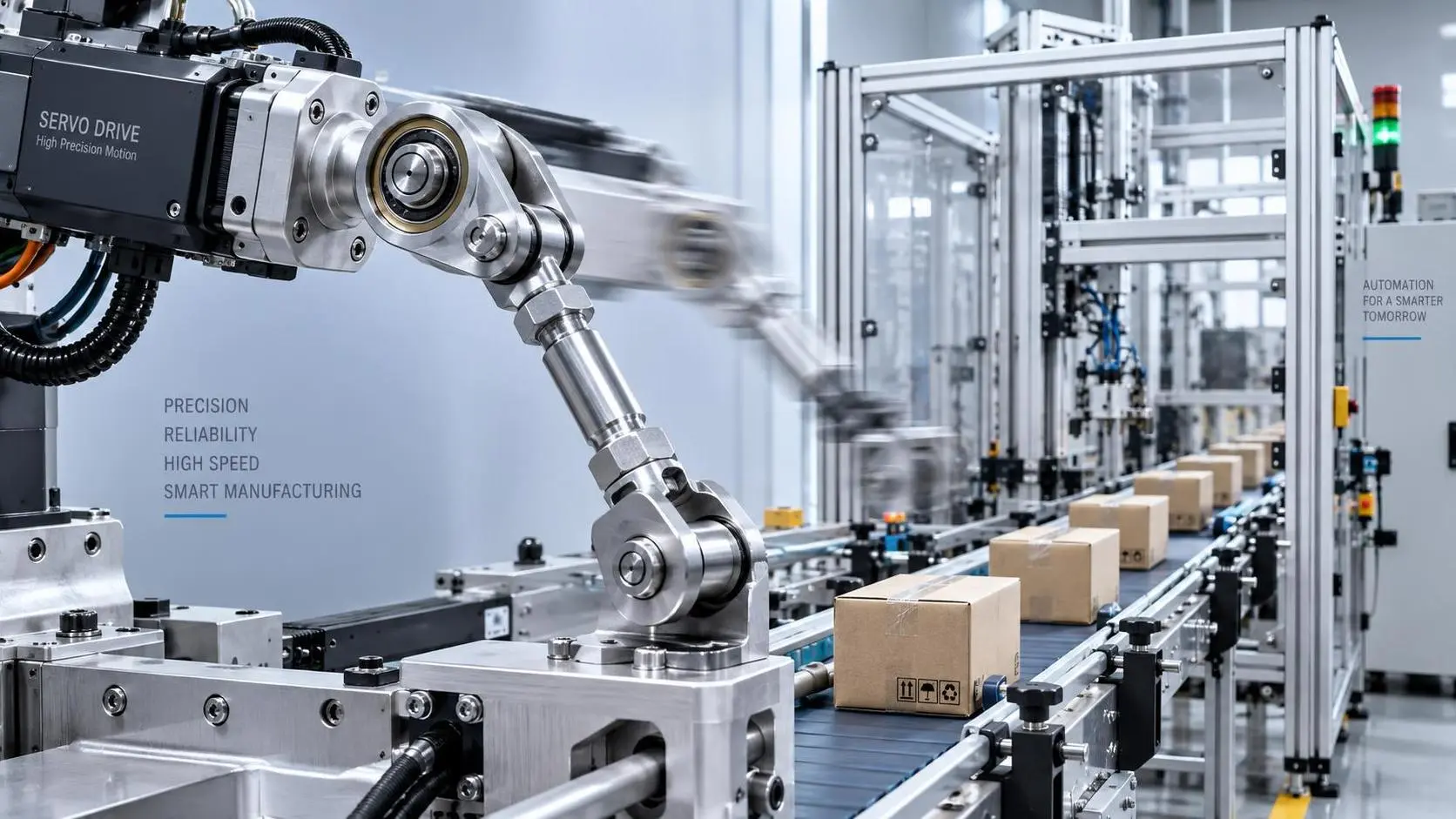
How to Select Mechanical Linkage Components for High-Cycle Automation Equipment
Mechanical linkage technology components: learn how to select reliable rod ends, pins, and joints for high-cycle automation, reducing wear, backlash, downtime, and maintenance risk.