
Industry News
Curation by industry experts
Hot Articles
Popular Tags
Where Mechanical Efficiency Optimization Delivers Savings Fast
For finance approvers, mechanical efficiency optimization is one of the fastest ways to reduce operating costs without major capital disruption. From transmission components to sealing systems, small gains in energy use, reliability, and maintenance intervals can quickly translate into measurable savings, stronger asset performance, and clearer ROI. This article explains where those savings emerge first and why smarter mechanical decisions deserve priority in industrial cost control.
Why does mechanical efficiency optimization pay back faster than many capital projects?
Financial decision-makers usually face a familiar problem: energy bills rise, maintenance budgets drift upward, and production teams request upgrades that appear technically reasonable but commercially vague. In that environment, mechanical efficiency optimization stands out because it often improves cost performance using components and design adjustments that fit within existing systems rather than replacing entire production assets.
The fastest savings typically come from friction reduction, transmission loss control, leakage prevention, and downtime reduction. These are not abstract engineering benefits. They affect power consumption, labor allocation, spare-parts usage, and production continuity. For finance approvers, that means mechanical efficiency optimization can be evaluated through direct cost lines instead of speculative strategic value alone.
GPT-Matrix approaches this issue from a practical intelligence perspective. Its Strategic Intelligence Center tracks material upgrades in belts, couplings, reducers, bearings, and sealing solutions while connecting those changes to commercial signals such as energy cost volatility, maintenance demand, and replacement cycles. This matters because approval decisions are stronger when they link technical adjustment to financial outcome.
- Lower transmission losses can cut electricity use in motors, drives, and linked mechanical assemblies.
- Better sealing and lubrication control can reduce product loss, contamination risk, and maintenance frequency.
- More reliable components can shrink unplanned stoppages, which often cost more than the components themselves.
- Improved life-cycle matching helps avoid false savings from buying low-cost parts with high replacement rates.
What finance teams should measure first
Before approving any optimization program, focus on a short list of measurable variables: energy consumption per operating hour, mean time between maintenance events, spare-parts turnover, downtime cost per hour, and expected payback period. Mechanical efficiency optimization becomes easier to justify when engineering teams present these numbers in a before-and-after format rather than in purely technical language.
Where do savings usually appear first in industrial systems?
In cross-industry operations, the earliest savings rarely come from the most visible equipment. They come from the mechanical interfaces that consume power continuously and fail gradually: belts, chains, couplings, gear reducers, bearings, lubrication points, and mechanical seals. These components sit between energy input and useful output, so even modest improvement can produce recurring savings.
The table below shows where mechanical efficiency optimization often delivers the fastest financial impact and what a finance approver should ask when reviewing a proposal.
For most facilities, belts, reducers, and seals are the first places to investigate because the cost of inefficiency accumulates every day. GPT-Matrix regularly highlights this pattern through sector intelligence that links material science, tribology, and commercial demand. That cross-functional view helps finance teams separate a genuinely high-return upgrade from a routine replacement request.
Why these areas outperform broader upgrades in payback speed
Large modernization projects often require shutdowns, engineering redesign, retraining, and integration risk. Mechanical efficiency optimization at the component or subsystem level usually avoids those disruptions. The investment is smaller, installation is faster, and the result can often be verified through maintenance records, utility trends, and failure reduction within months rather than years.
How should finance approvers compare upgrade options?
One of the biggest approval mistakes is comparing purchase price alone. Mechanical efficiency optimization should be reviewed through total cost of ownership, operational stability, and replacement frequency. A component that costs less upfront may create a higher life-cycle burden if it increases energy draw, lubrication demand, or downtime exposure.
Use the comparison below to assess which type of proposal deserves budget priority when multiple requests compete for the same capital or maintenance allocation.
This comparison does not mean larger projects lack value. It means mechanical efficiency optimization often gives finance teams a lower-risk route to near-term savings, especially when budgets are tight and production continuity cannot be compromised.
A practical approval checklist
- Ask whether the proposal solves energy loss, wear, leakage, or downtime. If it solves none of these, savings may be weak.
- Request baseline operating data for at least one recent period. Without a baseline, ROI claims are difficult to validate.
- Review duty cycle, environment, and maintenance history. A high-spec component used in the wrong duty profile may not deliver expected savings.
- Check whether energy, maintenance, and downtime benefits are all included in the financial model.
- Confirm supply stability and replacement lead time. Fast savings can disappear if future parts availability becomes uncertain.
Which application scenarios create the clearest ROI?
Automated production lines
In automated lines, even minor transmission inefficiency can multiply across many motors, conveyors, and synchronized drives. Mechanical efficiency optimization here often delivers clear savings because the system runs for long hours and maintenance interruptions quickly affect throughput. High-performance drive belts, alignment improvements, and low-maintenance components can reduce both energy use and labor intervention.
Heavy equipment and rugged duty environments
Heavy equipment places intense stress on couplings, reducers, bearings, and seals. Finance teams often see the cost only when failures occur, but the larger issue is cumulative degradation: friction, heat, contamination, and shock loading. Mechanical efficiency optimization in these settings can extend service intervals and reduce expensive emergency repairs.
Fluid handling and sealing-dependent processes
Where pumps, mixers, compressors, or rotating shafts depend on sealing integrity, losses appear in several forms at once: fluid leakage, housekeeping cost, contamination risk, and downtime. Upgrading sealing technology or material compatibility can produce fast, visible savings, especially where the handled medium has high value or strict cleanliness requirements.
Energy-sensitive operations
When electricity prices fluctuate or energy use is closely monitored, mechanical efficiency optimization becomes easier to approve because the cost line is already visible. GPT-Matrix tracks these market dynamics and helps connect component choices to energy exposure, which supports better budget prioritization in volatile operating environments.
What technical signals indicate that an upgrade is financially justified?
Finance approvers do not need to become mechanical engineers, but they should recognize a few technical signals that usually support a strong business case. These indicators help test whether a proposal reflects true mechanical efficiency optimization or simply repackages routine maintenance as a strategic investment.
- Repeated belt retensioning or slippage indicates avoidable transmission loss and labor consumption.
- Abnormal temperature rise in reducers or bearing housings may point to friction or lubrication inefficiency.
- Chronic seal leakage suggests that material selection, surface condition, or operating conditions are not properly matched.
- Frequent vibration issues often reveal misalignment or unsuitable coupling behavior, both of which increase wear and energy loss.
- Short replacement cycles usually signal a life-cycle cost problem even if unit price appears attractive.
GPT-Matrix is especially valuable in this step because it interprets component evolution through tribology, material performance, and industrial economics rather than through single-product claims. For procurement and finance teams, this helps convert technical symptoms into structured purchasing criteria.
How can buyers avoid common mistakes in mechanical efficiency optimization?
Mistake 1: treating all efficiency claims as equal
A premium component is not automatically the right choice. Efficiency gains depend on installation quality, load profile, environmental conditions, and maintenance discipline. If these variables are ignored, the savings model becomes unreliable.
Mistake 2: approving on unit price instead of operating cost
This is one of the most expensive procurement habits. A lower-cost belt, seal, or bearing may increase energy draw or fail earlier, pushing total annual cost above that of a better-matched option. Mechanical efficiency optimization requires a life-cycle view.
Mistake 3: missing the connection between maintenance and finance
Maintenance teams often describe issues in technical terms, while finance teams think in budget categories. The result is underapproval of strong projects. Translate every mechanical issue into energy, labor, inventory, downtime, and quality costs. That creates a decision language both sides can use.
Mistake 4: ignoring standards and operating compatibility
Even when a proposal looks economical, buyers should still check basic compatibility with relevant operating requirements and recognized industry practices. Depending on the application, considerations may include dimensional tolerances, lubrication compatibility, temperature range, load class, safety expectations, and broader quality management frameworks such as ISO-oriented procurement discipline.
FAQ: what do finance approvers ask most about mechanical efficiency optimization?
How quickly can mechanical efficiency optimization show savings?
That depends on runtime intensity, energy price, maintenance frequency, and the specific component being improved. In many industrial settings, the earliest signals appear through fewer service interventions, lower leakage, reduced vibration, and more stable energy use. Projects tied to continuously operating assets usually show results faster than assets with low utilization.
Which proposals should be approved first when budget is limited?
Prioritize proposals that combine three traits: recurring loss is already measurable, installation can occur during a normal maintenance window, and the operational benefit affects more than one cost category. For example, a sealing improvement that cuts leakage and extends maintenance intervals may outperform a project that only offers a minor theoretical energy gain.
Is mechanical efficiency optimization only relevant for large factories?
No. Smaller plants often benefit just as much because their tolerance for unplanned downtime is lower and their maintenance resources are tighter. In those environments, a better-matched transmission or sealing component can protect cash flow by reducing interruption risk.
What documentation should finance request before approval?
Ask for the current operating problem, baseline maintenance history, expected service-life change, energy or leakage impact if relevant, estimated implementation window, and a payback model that includes downtime assumptions. If suppliers or internal teams cannot provide these basics, the proposal needs refinement.
Why GPT-Matrix is a useful decision partner for cost-focused industrial teams
Mechanical efficiency optimization is not just a technical topic. It is a purchasing, budgeting, and risk-management topic. GPT-Matrix supports this broader decision process by connecting sector news, material breakthroughs, transmission logic, and commercial demand patterns into a form that buyers and finance approvers can actually use.
Its Strategic Intelligence Center monitors developments in high-performance belts, digitalized gear reducer pathways, and reliability trends in mechanical seals under demanding operating conditions. That helps decision-makers understand not only what component options exist, but also which ones align with long-life, low-maintenance, and energy-aware industrial strategies under Industry 4.0 and green manufacturing priorities.
- Need parameter confirmation? GPT-Matrix can help frame the operating variables that affect transmission and sealing selection.
- Need product selection support? The platform’s intelligence approach helps compare life-cycle fit, not just purchase price.
- Need delivery-cycle visibility? Market and supply-chain insights help buyers anticipate sourcing risk before approval.
- Need certification or compliance guidance? GPT-Matrix can support structured review around common industrial expectations and application constraints.
- Need quotation alignment or sample evaluation logic? It can help teams ask better commercial and technical questions before committing budget.
Why choose us for your next mechanical efficiency optimization review?
If your team is evaluating whether a transmission upgrade, sealing change, or reliability-focused component replacement truly deserves approval, GPT-Matrix offers a sharper way to assess it. Instead of treating mechanical efficiency optimization as a generic engineering concept, we help translate it into decision-ready factors: operating fit, maintenance burden, energy impact, sourcing risk, and payback credibility.
You can consult us on practical issues that matter to finance approvers and procurement teams: parameter confirmation for operating conditions, product selection logic across belts, reducers, couplings, and seals, delivery lead-time considerations, customized solution pathways for specific duty cycles, certification and application requirement review, sample evaluation priorities, and quotation comparison from a total-cost perspective.
When cost control, equipment uptime, and approval discipline all matter, better intelligence produces better savings. That is where mechanical efficiency optimization moves from a technical idea to a stronger financial outcome—and where GPT-Matrix helps industry connect power, reliability, and commercial judgment with greater precision.
Recommended News
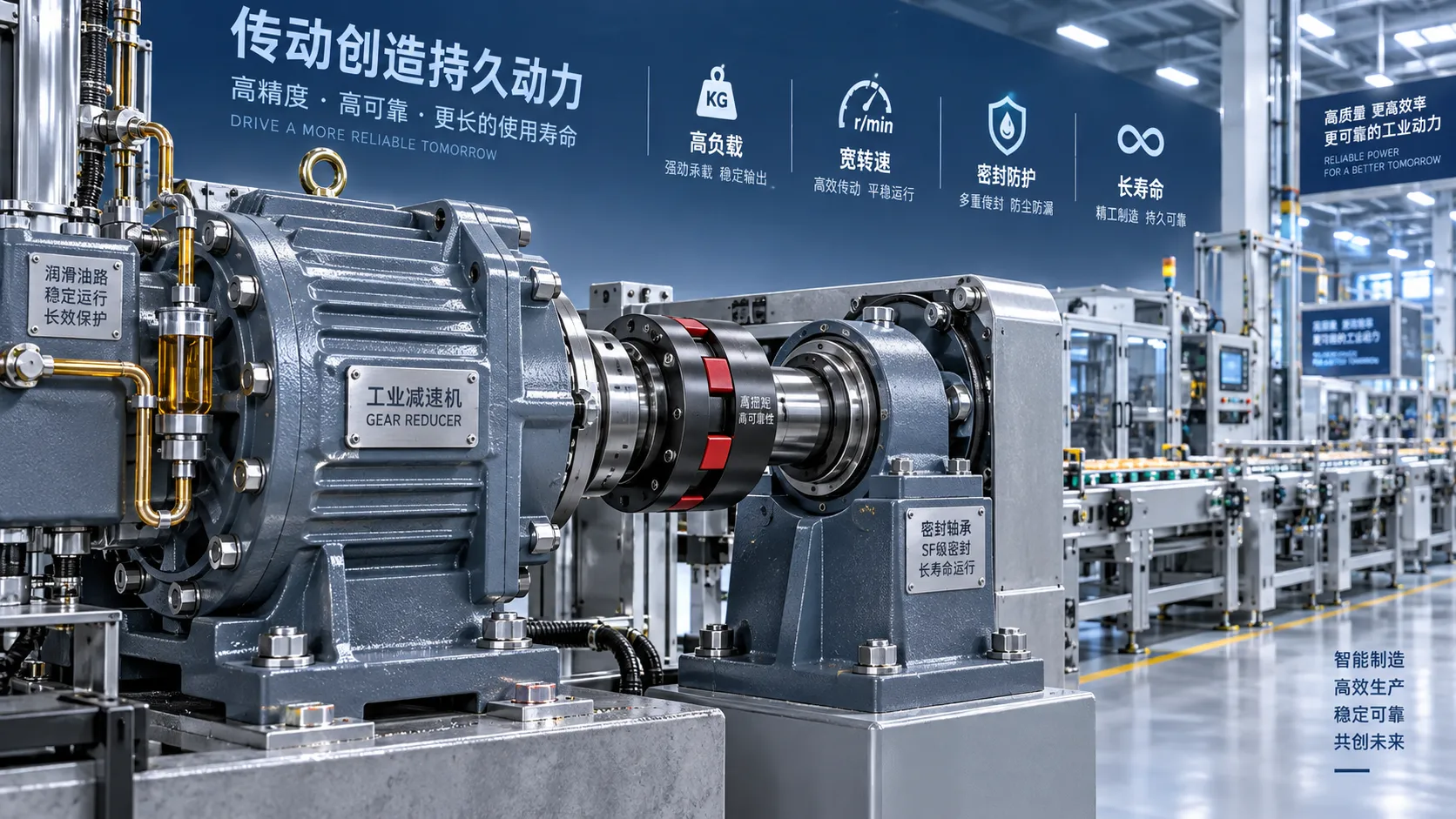
Mechanical Component Selection: Key Criteria for Load, Speed, Environment, and Service Life
Mechanical component selection made practical: evaluate load, speed, environment, lubrication, and service life to improve reliability, reduce downtime, and control lifecycle costs.
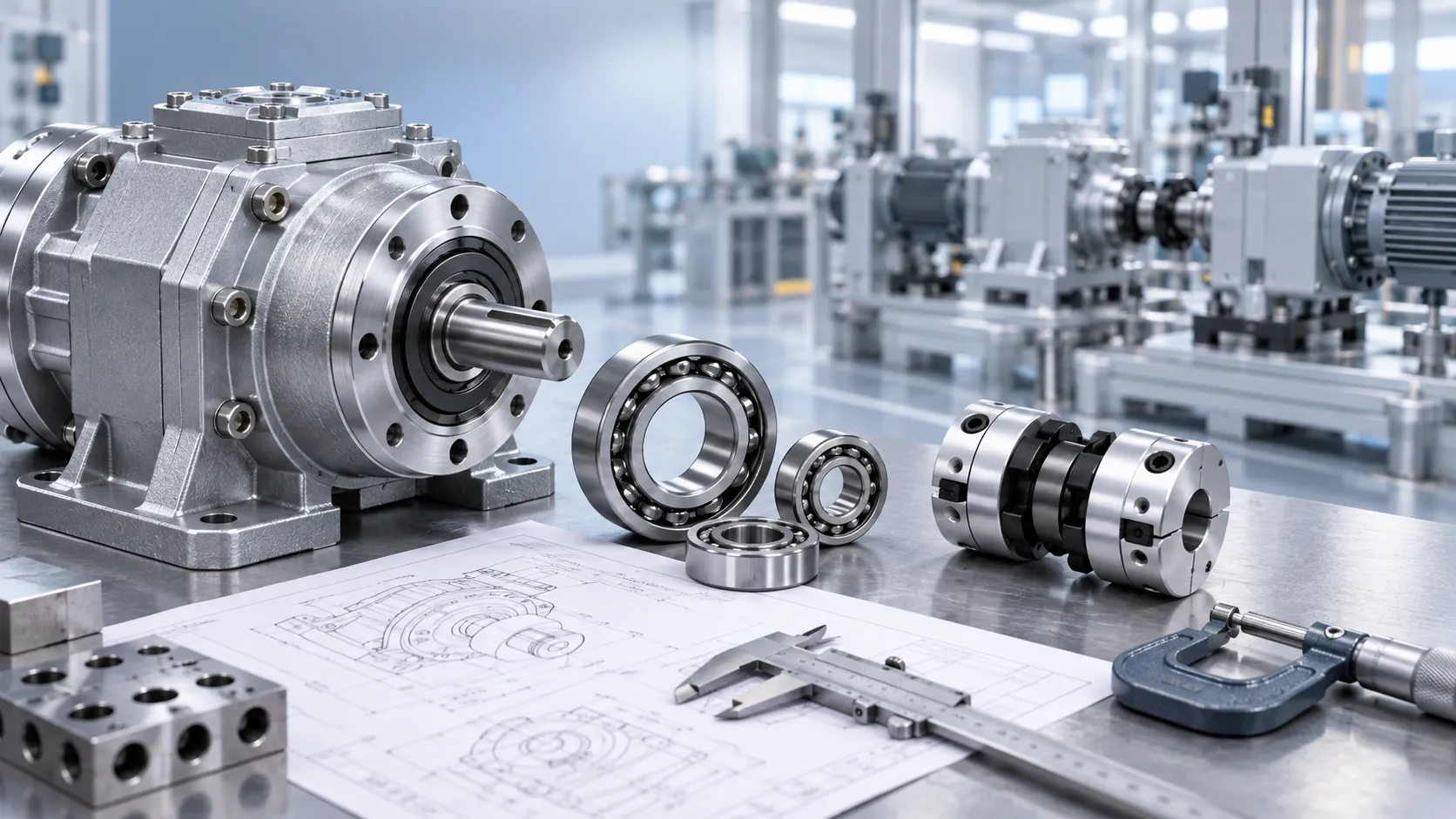
What to Request in Component Specification Resources Before Choosing a Supplier
Industrial component specification resources supplier guide: request drawings, material data, ratings, validation, and change control to choose reliable suppliers and reduce lifecycle risk.
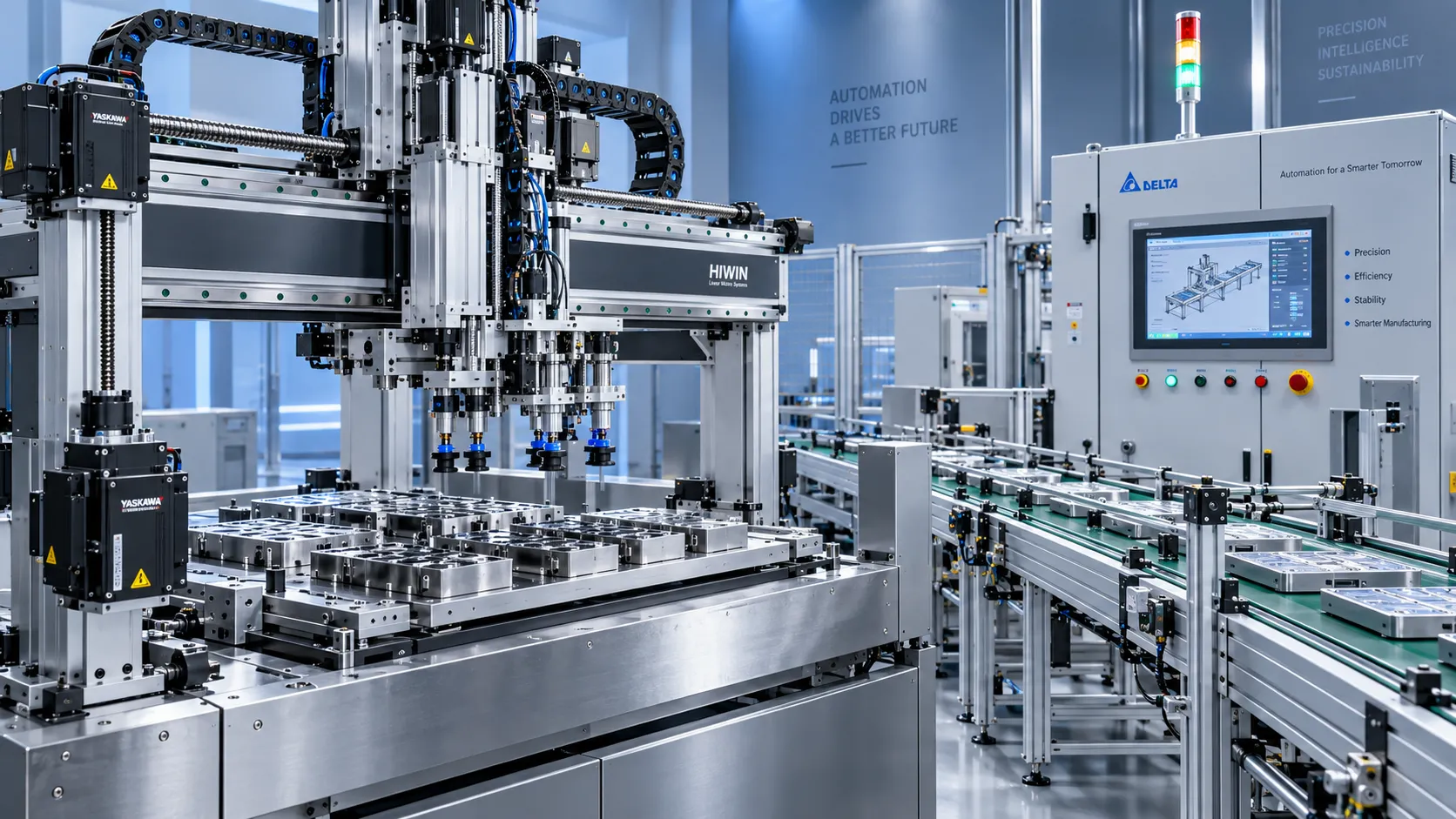
How to Specify Multi-Axis Motion Control for High-Precision Automated Machines
Master multi axis motion control for high-precision automation—optimize synchronization, feedback, mechanics, safety, and lifecycle reliability.
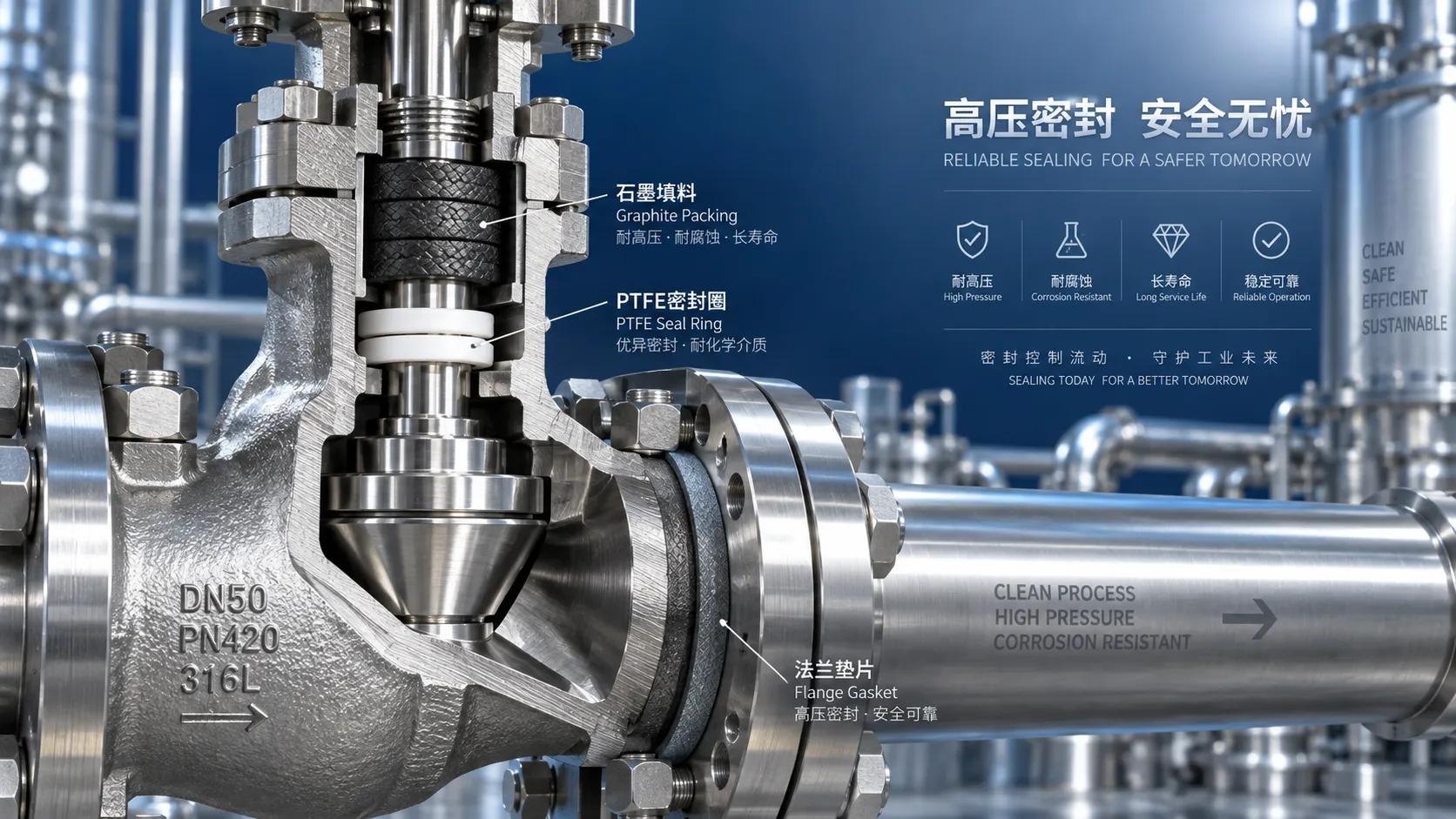
Selecting Valve Sealing Solutions for High-Pressure and Corrosive Service
Industrial sealing solutions for valves: learn how to select reliable systems for high-pressure, corrosive service, control fugitive emissions, and reduce lifecycle leakage risks.
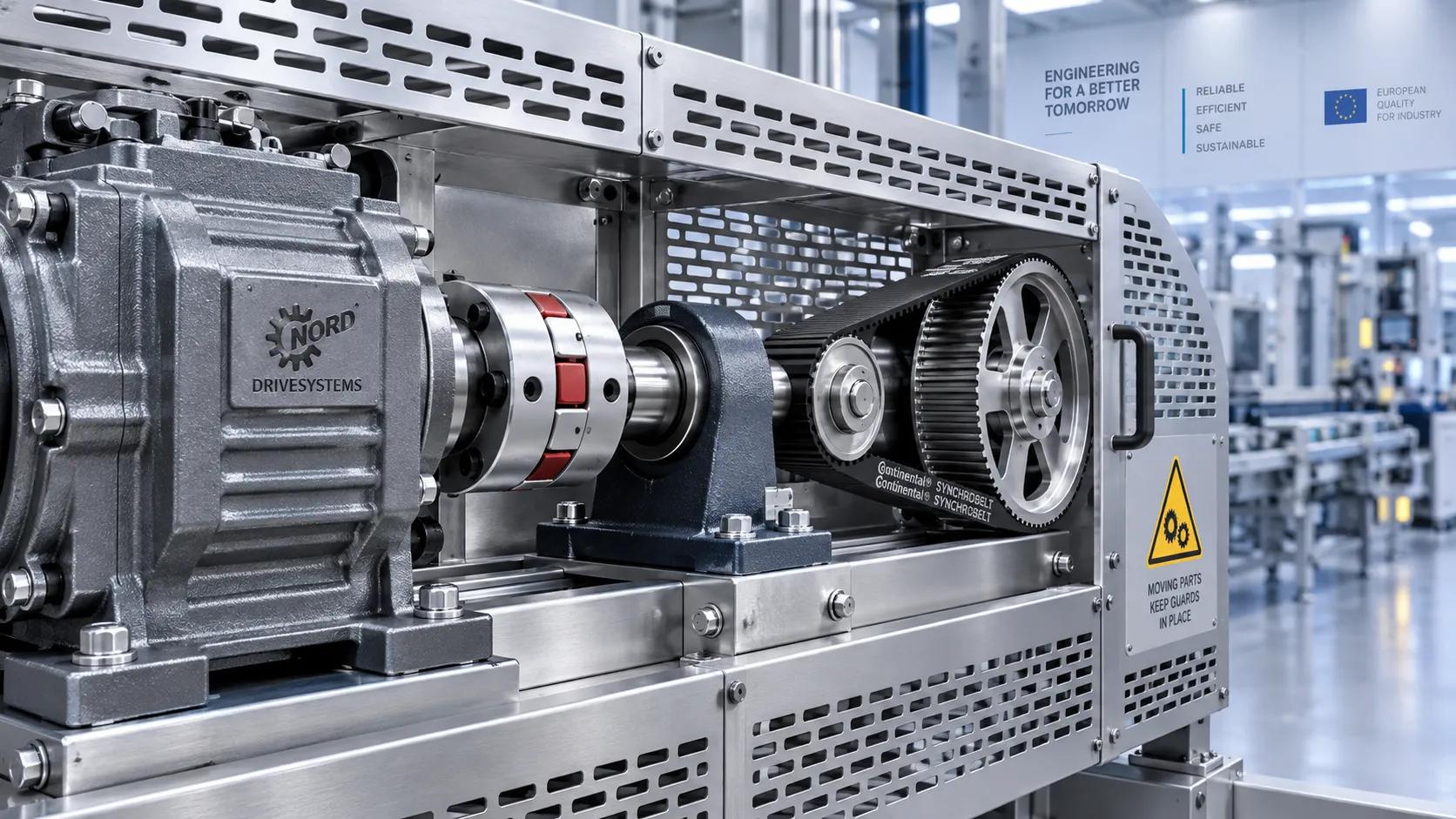
Which European Standards Matter When Specifying Industrial Power Transmission Systems?
Standardized transmission systems Europe: discover the key EN and ISO standards for safer, compliant gear units, belts, couplings, bearings, seals, and ATEX applications.
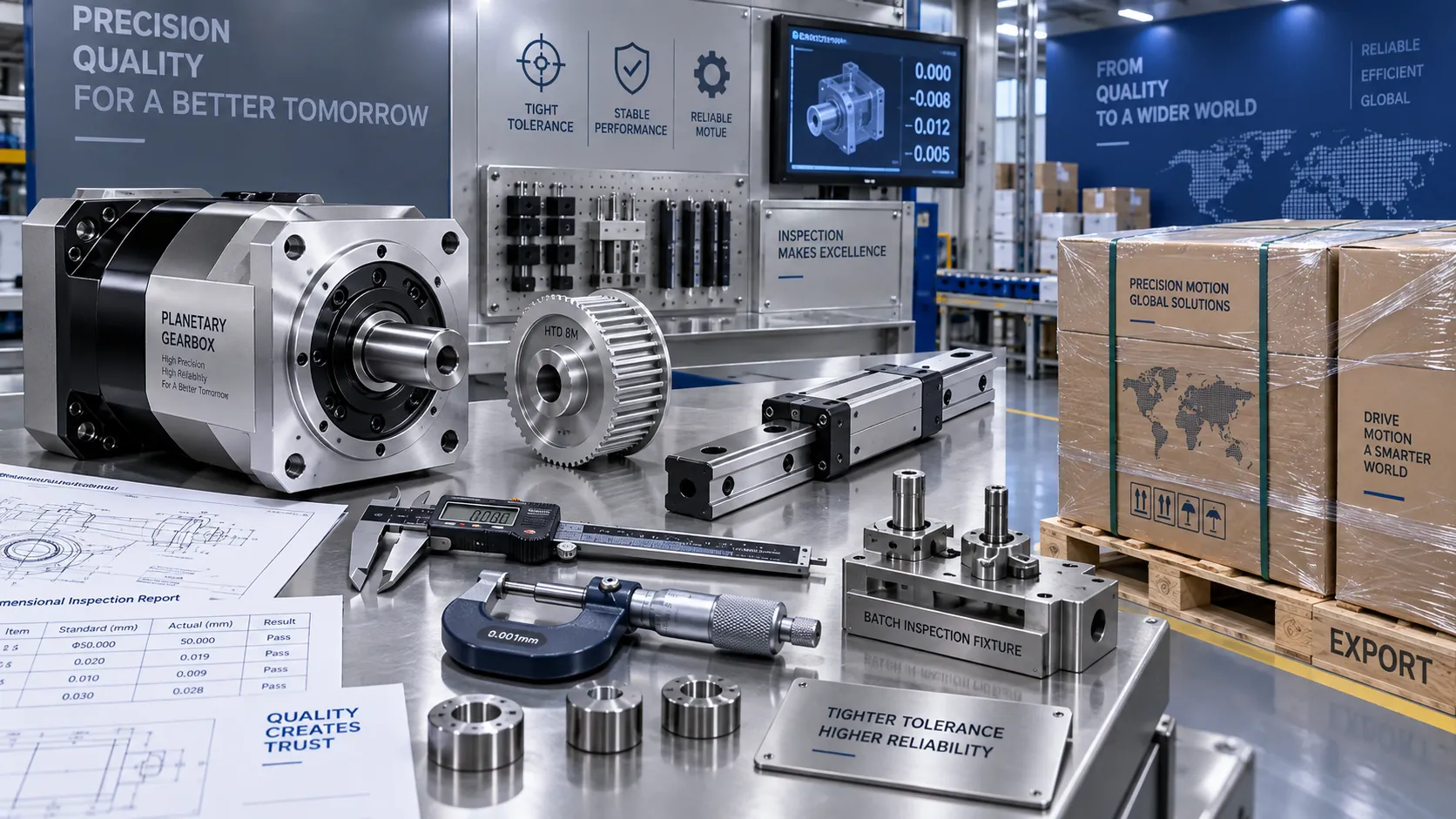
How to Vet a Motion Control Components Exporter for Global OEM Supply?
Motion control components exporter vetting guide for global OEMs: assess quality, traceability, export readiness, landed cost, and supply resilience before you buy.
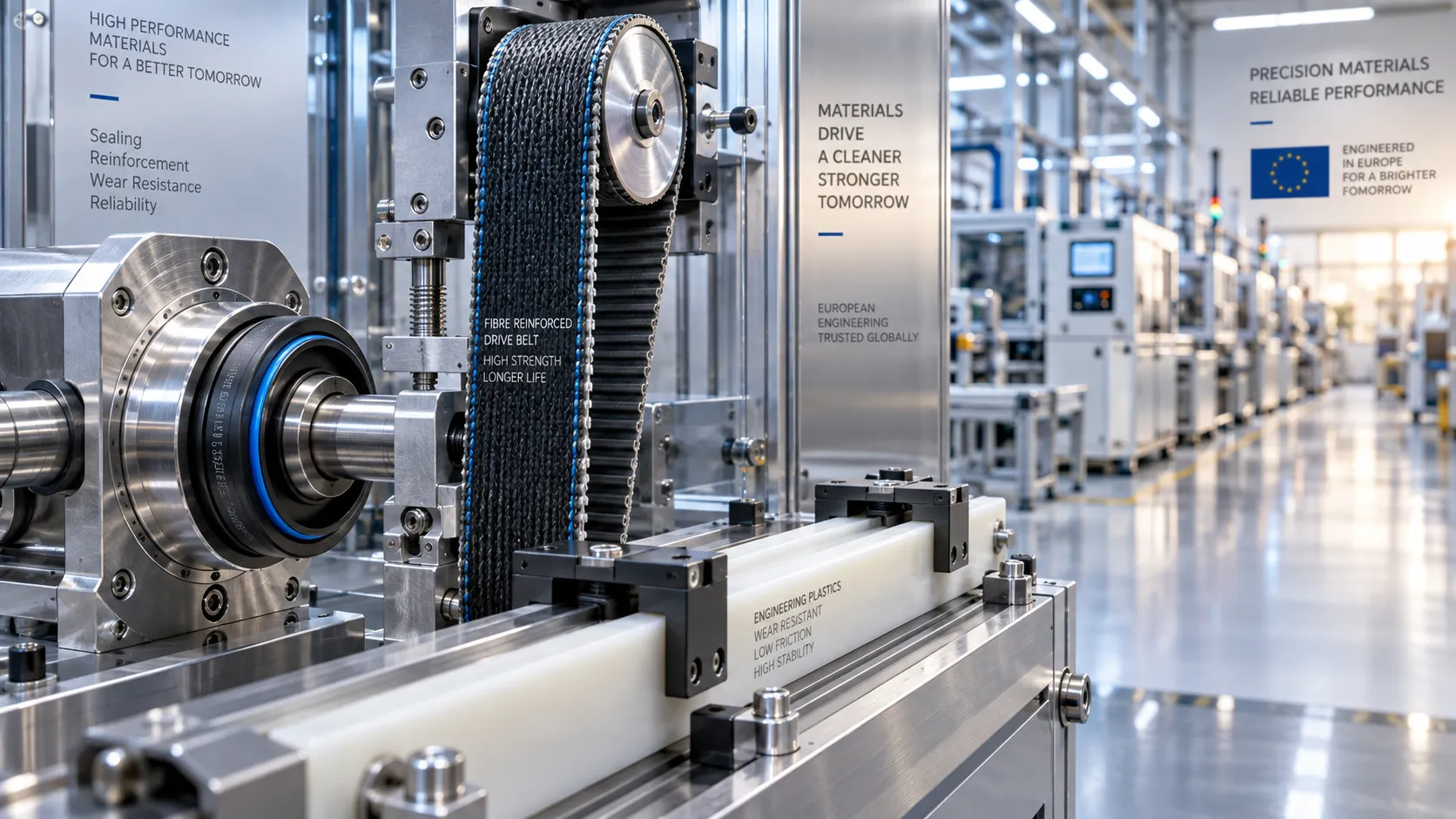
High-Performance Materials in Europe: Sourcing Criteria for Critical Industrial Applications
High-performance materials Europe: learn how to source critical industrial materials using proven criteria for durability, compliance, traceability, lifecycle cost, and supply resilience.
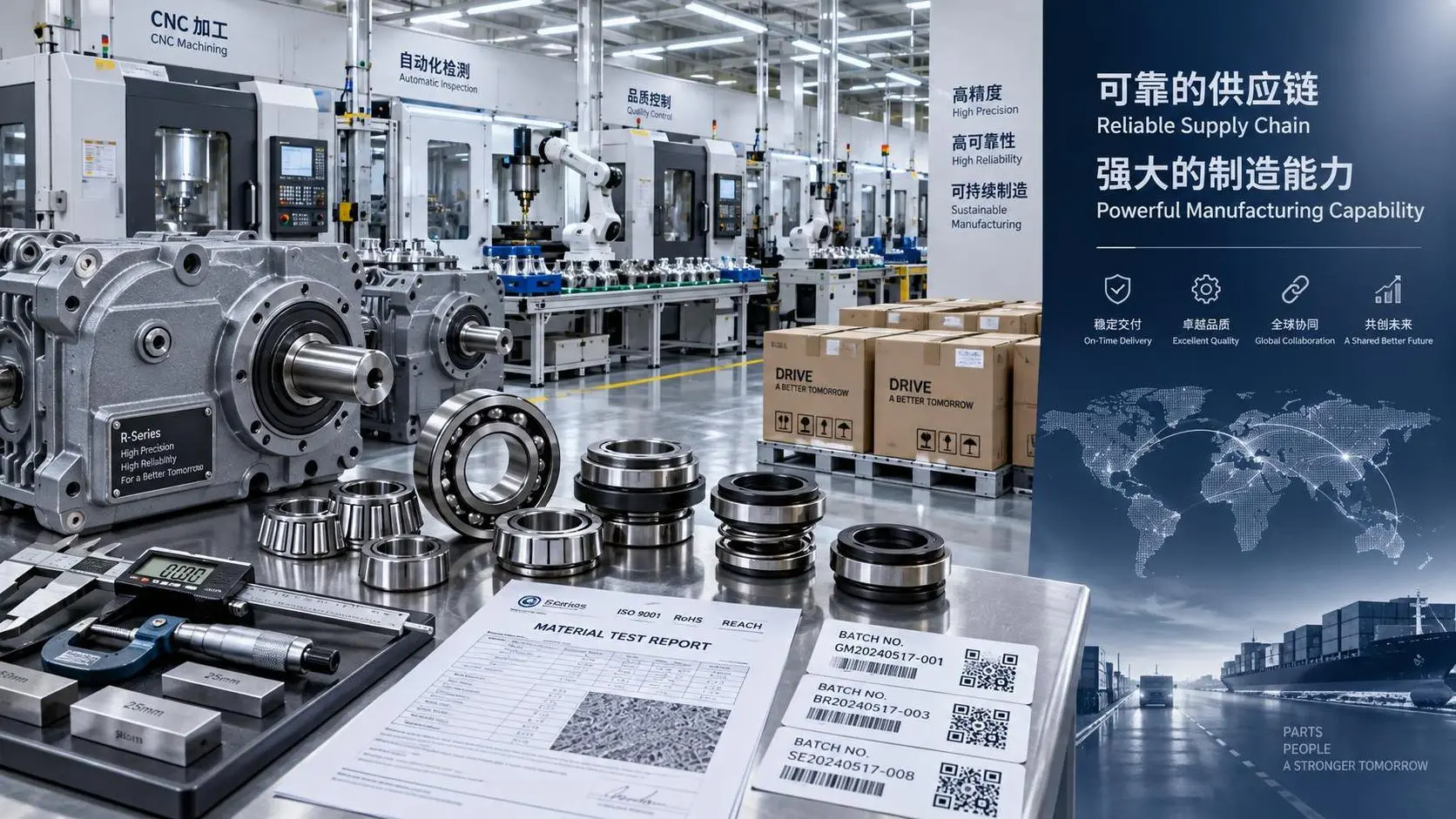
How to Assess a Global Supplier’s Capability Before Awarding a Critical Contract
Global supplier capability review: learn how to verify technical control, quality systems, global delivery resilience, compliance, and service support before awarding a critical contract.
How to Select Mechanical Linkage Components for High-Cycle Automation Equipment
Mechanical linkage technology components: learn how to select reliable rod ends, pins, and joints for high-cycle automation, reducing wear, backlash, downtime, and maintenance risk.